Overview
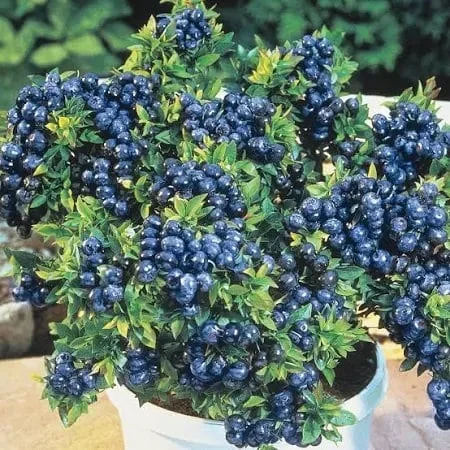
Cultivate your own delightful berries with the Blueberry Top Hat live plant, a charming and productive addition to any garden or patio. This unique dwarf blueberry cultivar, scientifically known as Vaccinium corymbosum ‘Top Hat’, is specifically bred for its compact size and prolific fruiting. Standing at approximately 1 foot tall when shipped in a 6-inch pot, this Blueberry Top Hat live plant offers the joy of homegrown blueberries even to those with limited space. Its small stature makes it an excellent choice for urban gardeners, balcony enthusiasts, or anyone looking to add an edible component to their container arrangements. Experience the satisfaction of harvesting fresh, delicious fruit right from your own backyard or patio with this easy-to-grow, versatile berry bush.
The ‘Top Hat’ variety is celebrated not only for its sweet berries but also for its ornamental appeal. In spring, it bursts with delicate white, bell-shaped flowers, heralding the coming harvest. These blossoms mature into a bounty of flavorful blueberries during the summer months, providing a continuous supply for snacking, baking, or preserving. Beyond its edible treasures, the compact blueberry bush transforms in autumn, displaying brilliant red and orange foliage that adds a spectacular splash of color to the landscape. Whether you’re a seasoned gardener or just starting, this dwarf blueberry plant is a rewarding choice that combines beauty, productivity, and adaptability.
Key Benefits
The Blueberry Top Hat live plant offers a multitude of advantages for gardeners of all levels, making it a highly desirable choice for various settings. Its unique characteristics provide both aesthetic appeal and practical benefits:
- Compact Growth Habit: This blueberry bush is naturally small, typically reaching only 2 feet in height and width. This makes it perfect for small gardens, urban spaces, balconies, and patios where larger plants are not feasible. It’s an excellent solution for those seeking an edible container plant.
- Delicious Edible Fruit: Enjoy a generous harvest of sweet, juicy blueberries throughout the summer. These berries are perfect for fresh eating, baking, jams, or smoothies, offering a healthy and delicious homegrown treat.
- Ornamental Appeal: Beyond its fruit, the ‘Top Hat’ blueberry provides year-round visual interest. It features charming white flowers in spring, vibrant green foliage in summer, and stunning red and orange fall colors, enhancing any garden design.
- Versatile Planting Options: Ideal for container gardening, raised beds, or even as an edible bonsai specimen, its adaptability allows it to thrive in diverse environments. It can also be planted in mass for a striking landscape effect.
- Relatively Low Maintenance: Once established, the Blueberry Top Hat live plant requires moderate care, making it suitable for busy gardeners. With proper watering and feeding, it will produce fruit reliably year after year.
- Attracts Pollinators: The spring blossoms are attractive to bees and other beneficial pollinators, contributing to local biodiversity and ensuring a good fruit set.
- Cold Hardy: This variety is known for its good cold hardiness, allowing it to be grown in a wide range of climates, particularly in cooler regions where other blueberry varieties might struggle.
Plant Care & Growing Tips
Caring for your Blueberry Top Hat live plant is straightforward and rewarding, ensuring a bountiful harvest of delicious fruit. Blueberries thrive in specific conditions, so understanding their needs is key to success. This dwarf blueberry plant prefers full sun, meaning at least 6-8 hours of direct sunlight per day. If grown indoors or in very hot climates, partial afternoon shade can be beneficial to prevent scorching. Ensure good air circulation around the plant to deter fungal diseases.
Blueberries are acid-loving plants, requiring a soil pH between 4.5 and 5.5. A well-draining, acidic potting mix is essential for container-grown plants. For in-ground planting, amend the soil with peat moss, pine bark, or sulfur to lower the pH if necessary. Consistent moisture is crucial, especially during fruiting. Water regularly, keeping the soil consistently moist but never waterlogged. Overwatering can lead to root rot. Fertilize in early spring with an acid-specific fertilizer formulated for blueberries or azaleas, following package directions. Avoid fertilizers containing nitrates, which can be harmful to blueberries.
Pruning is important for maintaining plant health and maximizing fruit production. In late winter or early spring, remove any dead, damaged, or weak branches. Thin out older, less productive canes to encourage new growth. The blueberry plant care routine also includes protecting it from birds, who are just as fond of the berries as humans; netting can be an effective deterrent. With proper attention to light, soil, water, and nutrients, your compact blueberry bush will provide years of enjoyment and fresh fruit.
Size & Details
Your Blueberry Top Hat live plant will arrive as a healthy, actively growing specimen, approximately 1 foot tall, shipped in a 6-inch nursery pot. This compact cultivar is specifically bred for its diminutive size, with a mature height and spread typically reaching no more than 2 feet. This makes it an ideal choice for container gardening on patios, balconies, or small garden spaces. The plant exhibits a moderate growth rate, establishing itself well within the first year and beginning to produce fruit within 1-2 seasons after planting.
This variety is known for its consistent fruit production, with berries typically ripening in mid-summer. The plant’s small size does not compromise its yield, often producing a surprising amount of fruit for its stature. It is a deciduous shrub, meaning it will lose its leaves in the fall, showcasing its beautiful autumn foliage before entering dormancy for the winter. The plant is ready for immediate transplanting into a larger container (at least 10-12 inches in diameter for long-term growth) or directly into an acidic garden bed upon arrival. Expect this dwarf blueberry plant to offer both ornamental beauty and delicious harvests for many years.
Frequently Asked Questions
- Q: How big does this plant get? A: The Blueberry Top Hat live plant is a dwarf variety, typically growing to a mature height and width of about 2 feet. Its compact size makes it perfect for small spaces and container gardening.
- Q: Is this an indoor or outdoor plant? A: This blueberry plant is best suited for outdoor cultivation. While it can be brought indoors temporarily for winter protection in very cold climates, it requires full sun and specific chilling hours to produce fruit effectively.
- Q: How much sunlight does it need? A: The ‘Top Hat’ blueberry thrives in full sun, requiring at least 6-8 hours of direct sunlight per day for optimal growth and fruit production.
- Q: Is this plant easy to care for? A: Yes, the Blueberry Top Hat live plant is considered relatively easy to care for, especially for those familiar with acid-loving plants. Its compact nature also simplifies management.
- Q: What condition will it arrive in? A: Your plant will arrive as a healthy, actively growing specimen, approximately 1 foot tall, planted in a 6-inch nursery pot, ready for transplanting.
- Q: How long until it produces fruit? A: This young plant may produce some fruit in its first year, but typically, you can expect a more substantial harvest within 1-2 years of planting, as the plant establishes itself.
- Q: What type of soil does it need? A: Blueberries require acidic soil with a pH between 4.5 and 5.5. A well-draining potting mix specifically formulated for acid-loving plants, or garden soil amended with peat moss, is ideal.
- Q: Is this plant self-pollinating? A: While ‘Top Hat’ blueberries are generally self-fertile, planting another blueberry variety nearby can often lead to increased fruit production and larger berries.
- Q: Can I grow this in a container long-term? A: Absolutely! The compact blueberry bush is an excellent choice for long-term container cultivation. Ensure you use a pot that is at least 10-12 inches in diameter with good drainage.
- Q: Will it survive winter in my zone? A: This variety is cold-hardy and typically thrives in USDA zones 4-8. In colder zones, container plants may need protection or to be moved to a sheltered location during the harshest winter months.


Reviews
There are no reviews yet.