Overview
Bring the joy of home-grown fruit to your garden with this magnificent Pink Lady Apple tree. Renowned for its exceptional flavor and crisp texture, the Pink Lady is a favorite among apple enthusiasts. This particular variety, also known by its cultivar name ‘Cripps Pink’, is a fantastic choice for gardeners in warmer regions due to its low chill apple tree requirements. Originating from Western Australia, it thrives where many other apple varieties struggle to get enough chill hours. This live plant arrives healthy and robust, standing 3 to 4 feet tall and ready to be transplanted from its 3-gallon pot into your garden. Enjoy the satisfaction of harvesting your own sweet and tart apples, perfect for eating fresh, baking, or making cider.
The Pink Lady Apple tree is celebrated not just for its fruit, but also for its beautiful blossoms in spring and its relatively easy care once established. It’s a self-fruitful variety, meaning you typically only need one tree to get a harvest, though planting another apple variety nearby can often increase yields. Its adaptability to various climates within its USDA hardiness zones makes it a versatile addition to many home orchards. Prepare to be delighted by the vibrant reddish-pink skin and firm, white flesh that resists browning, making it an excellent choice for salads and fruit platters.
Key Benefits
Investing in a Pink Lady Apple tree offers a multitude of rewards, from delicious fruit to a beautiful addition to your landscape. Here are some of the standout benefits:
- Exceptional Flavor Profile: Enjoy apples that are famously crisp, sweet, and tart, with a distinct, refreshing taste. The ‘Cripps Pink’ variety is highly sought after for its balanced flavor, making it a favorite for fresh eating, baking, and juicing.
- Low Chill Apple Tree: This variety requires only 300-400 chill hours, making it perfectly suited for warmer climates where traditional apple trees may not flourish. This opens up apple growing to a wider range of gardeners.
- Self-Fruitful: While cross-pollination can enhance yields, the Pink Lady Apple tree is self-pollinating, meaning it can produce fruit on its own without needing a second apple variety nearby. This is ideal for smaller gardens.
- Excellent Keeper: These apples are known for their superb storage qualities, often retaining their crispness and flavor for several months when properly stored. This allows you to enjoy your harvest long after picking.
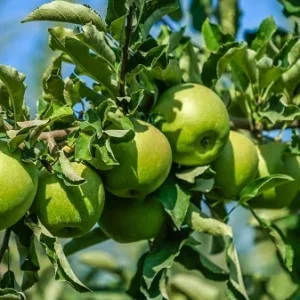
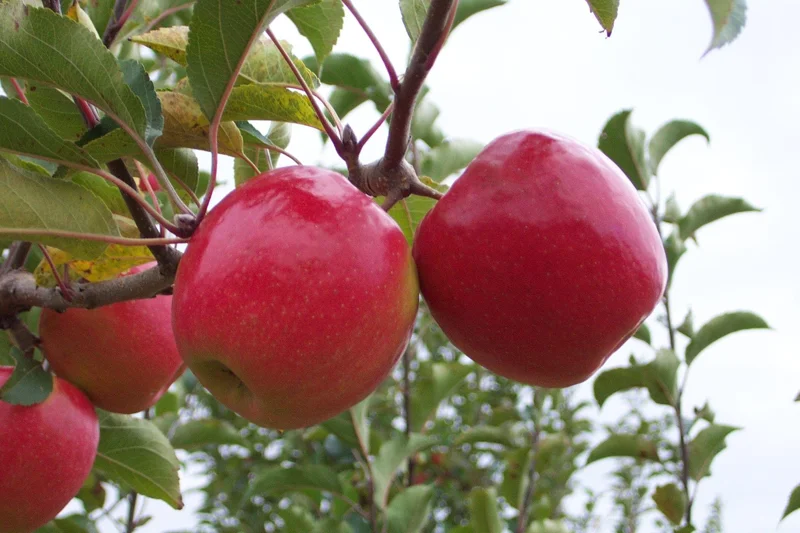
- Vibrant Appearance: The fruit develops an attractive reddish-pink blush over a green background when ripe, adding visual appeal to your garden and your fruit bowl.
- Resistant to Browning: The white flesh of the Pink Lady apple resists browning after being cut, making it an excellent choice for fruit salads, school lunches, and culinary preparations.
- Reliable Harvest: With proper care, this fruit tree for warm climates provides a consistent and abundant harvest, typically starting in late October in Central California, about three weeks after Fuji apples.
Plant Care & Growing Tips
Caring for your Pink Lady Apple tree is a rewarding experience that ensures a healthy plant and abundant harvests. To start, choose a location with full sun exposure, meaning at least 6-8 hours of direct sunlight per day. Good air circulation is also important to prevent fungal diseases. When planting, dig a hole twice as wide as the root ball and just as deep. Gently remove the tree from its 3-gallon pot, loosen any circling roots, and place it in the hole, ensuring the graft union (a slight bulge on the trunk) is a few inches above the soil line. Backfill with a mixture of your native soil and some compost, then water thoroughly to settle the soil.
Soil Type and Watering: Pink Lady Apple trees prefer well-draining soil with a pH between 6.0 and 7.0. While they can tolerate a range of soil types, loamy soil is ideal. Consistent watering is crucial, especially during the first few years as the tree establishes itself, and during dry spells. Aim for deep watering 1-2 times per week, allowing the top few inches of soil to dry out between waterings. Avoid overwatering, which can lead to root rot. During the growing season, a layer of mulch around the base of the tree can help retain soil moisture and suppress weeds.
Fertilization and Pruning: Fertilize your Cripps Pink apple tree in early spring before new growth begins, using a balanced slow-release fertilizer formulated for fruit trees. Follow the product instructions for application rates. Pruning is essential for maintaining the tree’s shape, promoting fruit production, and removing dead or diseased branches. The best time to prune is during the dormant season in late winter or early spring. Focus on creating an open canopy that allows sunlight and air to reach all parts of the tree. Regular monitoring for pests and diseases, and prompt treatment if necessary, will help keep your apple tree care routine effective.
Size & Details
This offering is for a vibrant Pink Lady Apple tree, a live plant that arrives in excellent condition, ready for planting. The tree stands approximately 3 to 4 feet tall from the base of the root system to the tip of the highest branch, making it a substantial starter tree that will establish quickly. It is shipped securely in a 3-gallon nursery pot, ensuring its root system is well-protected and hydrated during transit. The mature size of a Cripps Pink apple tree can vary depending on rootstock and pruning, typically reaching 12-15 feet tall and wide for a semi-dwarf, and up to 20 feet for standard rootstock if left unpruned. Expect a moderate growth rate, allowing you to see significant development each year.
The fruit tree for warm climates will begin to bear fruit within 2-5 years after planting, with full production typically achieved around 5-8 years. This self-fruitful variety is ideal for USDA Zones 6-9, requiring a relatively low 300-400 chill hours. The apples are typically ready for harvest in late October to early November in many regions, providing delicious fresh fruit as the season winds down. With its robust size and well-developed root system, this Pink Lady Apple tree is poised to become a productive and beautiful centerpiece in your home orchard for years to come.
Frequently Asked Questions
- Q: How big does this plant get? A: This Pink Lady Apple tree arrives at 3-4 feet tall in a 3-gallon pot. Mature size can range from 12-20 feet tall and wide, depending on the rootstock and how you prune it.
- Q: Is this an indoor or outdoor plant? A: This is an outdoor fruit tree. Apple trees require ample sunlight and space to grow and produce fruit, making them unsuitable for long-term indoor cultivation.
- Q: How much sunlight does it need? A: A Pink Lady Apple tree thrives in full sun, requiring at least 6-8 hours of direct sunlight per day for optimal growth and fruit production.
- Q: Is this plant easy to care for? A: With proper initial planting and consistent watering, apple tree care is moderately easy. Regular pruning, fertilization, and pest monitoring will ensure a healthy and productive tree.
- Q: What condition will it arrive in? A: Your Pink Lady Apple tree will arrive as a healthy, live plant, well-rooted in a 3-gallon nursery pot, carefully packaged to minimize stress during shipping.
- Q: How long until it blooms? A: This tree typically begins blooming in spring, usually within 2-5 years of planting, with fruit production following in the fall.
- Q: When is the best time to plant this apple tree? A: The best time to plant your fruit tree for warm climates is in early spring or fall, allowing the roots to establish before extreme summer heat or winter cold.
- Q: Will it survive winter in my zone? A: The Pink Lady Apple tree is suitable for USDA Zones 6-9. If you are within these zones, it should tolerate winter conditions well. Protection may be needed in the colder ends of its range during severe freezes.
- Q: What is a low chill apple tree? A: A low chill apple tree needs fewer hours of cold temperatures (below 45°F or 7°C) during winter to properly set fruit in the spring, making it suitable for warmer climates.
- Q: Can I grow a Cripps Pink apple in a large container? A: While possible in a very large container (25+ gallons), growing apple trees in the ground is generally recommended for best long-term health and fruit production.


Reviews
There are no reviews yet.