Overview
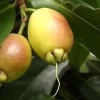
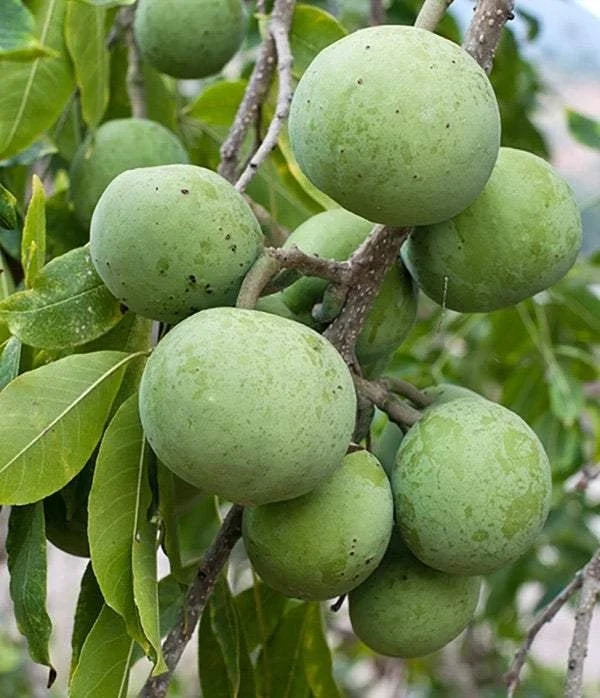
Discover the joy of growing your own exotic fruit with this exceptional white sapote live plant. Revered for its sweet, custardy fruit, the white sapote (Casimiroa edulis) is a must-have for any fruit enthusiast or tropical garden lover. This particular variety is known for its superior flavor, delivering a rich, creamy yellow flesh that melts in your mouth. Unlike seed-grown trees, this grafted specimen ensures you receive a plant with desirable characteristics, offering earlier fruiting and consistent fruit quality. Standing impressively at 3 to 4 feet tall and shipped in a robust 7-gallon pot, this grafted white sapote tree is ready to establish quickly in your landscape. Imagine harvesting your own delectable fruit, perfect for fresh eating, smoothies, or transforming into gourmet desserts. This semi-everbearing tree is especially productive in coastal climates, providing a continuous supply of its delightful produce.
The white sapote live plant is not just a fruit producer; it’s also an attractive addition to your garden. Its lush foliage and graceful form make it a beautiful ornamental, even when not laden with fruit. Originating from Mexico and Central America, the white sapote has been cultivated for centuries for its highly prized fruit. Our grafted trees are carefully selected to provide you with the best possible start, ensuring a healthy and vigorous plant that will thrive in appropriate conditions. Experience the satisfaction of cultivating an unique and rewarding fruit tree right in your backyard, providing fresh, organic fruit for years to come.
Key Benefits
Cultivating a white sapote live plant offers a multitude of benefits, both for your palate and your garden. This remarkable fruit tree is a fantastic investment for any home gardener looking for something truly special.
- Exquisite Fruit Flavor: Enjoy medium-sized fruits with a rich, incredibly sweet, and creamy yellow flesh. Often described as a blend of pear, banana, and peach, the flavor is highly sought after for its unique profile.
- Grafted for Superiority: This is a grafted white sapote tree, meaning it will bear fruit sooner than seed-grown plants and will consistently produce high-quality, flavorful fruit true to the parent tree.
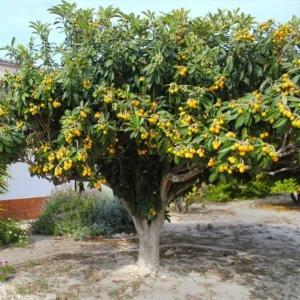
- Attractive Ornamental Tree: Beyond its delicious fruit, the white sapote boasts attractive, large foliage, making it a beautiful addition to any landscape or garden space.
- Versatile Culinary Use: The sweet and tasty fruit is excellent for fresh consumption, delightful when served over ice cream, or can be used to create delectable syrups and desserts.
- Semi-Everbearding Potential: In ideal coastal climates, this tree can be semi-everbearing, meaning it produces fruit over an extended period, offering a more continuous harvest.
- Healthy & Vigorous Start: Shipped as a 3-4 feet tall plant in a 7-gallon pot, it’s well-established and ready for successful transplanting, giving you a head start on growing your own fruit.
- Nutrient-Rich Fruit: White sapote fruit is not only delicious but also a good source of vitamins and minerals, adding a healthy touch to your diet.
Plant Care & Growing Tips
Proper care is essential for a thriving white sapote live plant that yields abundant, delicious fruit. White sapotes generally prefer a subtropical to tropical climate, making them suitable for warmer regions or protected environments elsewhere. They perform best in a location that receives full sun, ideally 6-8 hours of direct sunlight per day. While they can tolerate partial shade, full sun promotes better fruiting. When planting, ensure your site has well-draining soil. These trees are not tolerant of waterlogged conditions, which can lead to root rot. A slightly acidic to neutral soil pH (6.0-7.0) is ideal.
Watering should be consistent, especially during dry periods and when the tree is young. Allow the top few inches of soil to dry out between waterings to avoid overwatering. Once established, the grafted white sapote tree is moderately drought-tolerant, but regular watering will result in better fruit production. Fertilize your white sapote with a balanced fruit tree fertilizer, especially during the growing season (spring and summer). Follow the product instructions for application rates. Pruning is generally minimal, focusing on removing dead or diseased branches and shaping the tree for structure and air circulation. Protect young trees from strong winds and frost, as they are susceptible to cold damage. For those wondering how to grow white sapote in cooler climates, consider growing it in a large container that can be moved indoors during winter.
Pest and disease issues are generally minor for white sapotes, but keep an eye out for common garden pests like aphids or scale insects. Address any infestations promptly with appropriate organic or chemical controls. Understanding white sapote care is key to a productive tree. With patience and proper attention to its needs for sunlight, water, and well-draining soil, your tree will reward you with its unique and highly prized fruit. Remember that a healthy tree is a happy tree, and consistent care contributes significantly to the quality and quantity of your harvest.
Size & Details
This offering is for one robust white sapote live plant, specifically a grafted tree, ensuring genetic consistency and earlier fruiting. The tree stands impressively at approximately 3 to 4 feet tall from the base of the pot to the top of the foliage, providing a significant head start for your garden. It is shipped securely in a substantial 7-gallon nursery pot, providing ample root space for healthy development during transit and immediately after transplanting. The larger pot size means the tree has a well-established root system, contributing to its resilience and ability to adapt to its new environment.
White sapote trees are known for their moderate growth rate and can reach mature heights of 15-20 feet or more in ideal conditions, though they can be kept smaller with strategic pruning. They are typically ready to bear fruit within 3-5 years from planting, especially with a grafted specimen like this one. This particular variety is selected for its excellent fruit quality, making it a valuable addition to any home orchard. Expect your tree to arrive healthy and ready for planting, paving the way for future harvests of delicious, home-grown white sapote fruit.
Frequently Asked Questions
- Q: How big does this white sapote live plant get? A: This grafted tree is currently 3-4 feet tall. At maturity, white sapote trees can reach 15-20 feet or more, but they can be managed with pruning to fit smaller spaces.
- Q: What size pot does it come in? A: The tree is shipped in a sturdy 7-gallon nursery pot, providing a well-established root system for successful transplanting.
- Q: Is this an indoor or outdoor plant? A: While it thrives outdoors in warm, subtropical climates (USDA Zones 9-11), it can be grown in a large container and moved indoors during winter in cooler regions, making how to grow white sapote adaptable.
- Q: How much sunlight does it need? A: White sapote trees prefer full sun, meaning at least 6-8 hours of direct sunlight per day, for optimal growth and fruit production.
- Q: Is this plant easy to care for? A: White sapotes are relatively low-maintenance once established, requiring consistent watering and well-draining soil. Understanding basic white sapote care will ensure a healthy, productive tree.
- Q: What condition will it arrive in? A: Your tree will arrive healthy and well-packaged, with its root ball intact within the 7-gallon pot, ready for planting.
- Q: How long until it blooms and fruits? A: As a grafted tree, it typically begins to bear fruit within 3-5 years after planting, much sooner than trees grown from seed.
- Q: What’s the best time to plant this grafted white sapote tree? A: The best time to plant is in spring or early summer after the last chance of frost, allowing the tree ample time to establish before cooler weather.
- Q: Can I grow a white sapote fruit tree in a large container? A: Yes, white sapotes can be successfully grown in large containers, especially in areas where winter protection is needed. Ensure the container has excellent drainage.
- Q: Is the fruit from this specific variety sweet? A: Yes, this variety is specifically noted for producing some of the best-tasting white sapotes, with a rich, sweet, and creamy yellow flesh.


Reviews
There are no reviews yet.