Overview
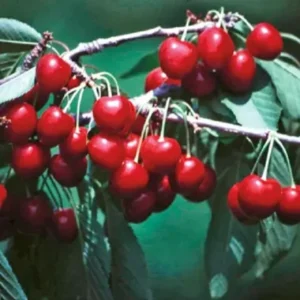
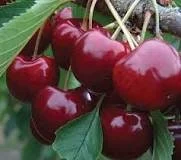
Experience the joy of growing your own delicious fruit with the Lapins sweet cherry tree. This robust and highly sought-after variety is an excellent choice for both experienced and novice gardeners looking to add a productive and beautiful specimen to their landscape. Known for its generous yield of large, mahogany-colored fruits, the ‘Lapins’ cherry offers a wonderfully sweet and crisp flavor profile that is truly a treat straight from the branch or in your favorite recipes. What sets this particular variety apart is its impressive self-pollinating nature, making it an ideal choice for those with limited space or who only wish to plant a single fruit tree live plant. You won’t need a second cherry tree for cross-pollination, simplifying your gardening efforts significantly. This live plant arrives ready to thrive, typically standing 2 to 3 feet tall and shipped securely in a 3-gallon pot, ensuring a healthy start in your garden. Its resilience and delightful fruit make it a top pick for any home orchard.
Beyond its delicious fruit, the ‘Lapins’ cherry is celebrated for its strong resistance to two common issues plaguing sweet cherries: fruit cracking and bacterial canker. These resistances contribute to a more reliable harvest and a healthier, more vigorous tree over its lifespan. This makes the Lapins sweet cherry tree a smart investment for a long-term, rewarding gardening experience. Whether you’re dreaming of fresh cherries for snacking, baking, or preserving, this variety delivers consistent quality and quantity. Its adaptability to various climates and its relatively easy care make it a fantastic addition to nearly any home garden, promising years of sweet, homegrown enjoyment.
Key Benefits
Bringing a Lapins sweet cherry tree into your garden offers a multitude of advantages, both for your palate and your gardening peace of mind. This exceptional variety stands out for several compelling reasons, making it a highly desirable addition to any home orchard.
- Abundant, Delicious Fruit: Enjoy a prolific harvest of large, mahogany-colored cherries that are renowned for their sweet, crisp texture and rich flavor. Perfect for fresh eating, baking, or preserves, providing a delightful culinary experience.
- Self-Pollinating Nature: Unlike many sweet cherry varieties, the Lapins sweet cherry tree is self-fertile, meaning it does not require a second cherry tree for cross-pollination. This makes it an ideal fruit tree live plant for smaller gardens or those who prefer to plant just one tree.
- Disease and Crack Resistant: This variety boasts excellent natural resistance to fruit cracking, a common issue in sweet cherries, and a strong defense against bacterial canker, ensuring a healthier tree and a more consistent, blemish-free harvest. This resilience makes it a very reliable choice.
- Vigorous Growth and Adaptability: ‘Lapins’ cherry trees are known for their strong growth habit and ability to adapt to a range of growing conditions, making them a suitable choice for various climates within their hardiness zones.
- Beautiful Ornamental Value: Beyond its fruit production, the cherry tree offers attractive spring blossoms, adding ornamental beauty to your landscape before the fruit even begins to form.
- Excellent for Home Growers: Its self-pollinating characteristic and disease resistance simplify its care, making it a fantastic cherry tree for home garden enthusiasts, regardless of their experience level.
- Long-Term Investment: A well-cared-for ‘Lapins’ cherry tree will provide many years of delicious fruit and beauty, becoming a cherished part of your garden for decades.
Plant Care & Growing Tips
Caring for your Lapins sweet cherry tree ensures a bountiful harvest and a healthy, long-lived specimen. Cherries generally thrive in full sun, requiring at least 6-8 hours of direct sunlight daily. Choose a location in your garden that receives ample light throughout the day, away from competing trees or structures that might cast too much shade. Good air circulation is also beneficial to prevent fungal diseases. When it comes to soil, this fruit tree live plant prefers well-draining, fertile loam with a slightly acidic to neutral pH (6.0-7.0). Avoid heavy clay soils that retain too much moisture, as this can lead to root rot. If your soil is heavy, amend it with organic matter like compost or aged manure to improve drainage and fertility. Ensure the planting hole is twice as wide as the root ball and just as deep, making sure the graft union (the swollen area on the trunk) remains above the soil line.
Watering is crucial, especially during the establishment phase and dry periods. Young trees should be watered deeply and regularly, about 1-2 times per week, ensuring the soil remains consistently moist but not waterlogged. Once established, the Lapins sweet cherry tree is more drought-tolerant but will still benefit from supplemental watering during prolonged dry spells, particularly when fruits are developing. Fertilize your cherry tree in early spring before new growth begins, using a balanced slow-release fertilizer formulated for fruit trees. Follow the manufacturer’s instructions carefully to avoid over-fertilization, which can harm the tree. Pruning is essential for shaping the tree, promoting fruit production, and maintaining its health. Prune in late winter or early spring while the tree is dormant, removing any dead, diseased, or crossing branches. Aim for an open structure that allows good light penetration and air circulation. The ‘Lapins’ cherry is known for being a crack resistant cherry, which reduces one common concern for growers.
Protecting your cherry tree for home garden from pests and diseases is an ongoing task. While ‘Lapins’ has good resistance to bacterial canker, regular monitoring for pests like aphids or cherry fruit flies is recommended. Organic pest control methods, such as neem oil or insecticidal soap, can be effective for minor infestations. Netting can be used to protect ripening fruit from birds. Winter protection may be necessary in colder USDA zones (typically zones 5-8, depending on the rootstock), such as wrapping the trunk to prevent sunscald or rodent damage. With proper care and attention, your Lapins sweet cherry tree will reward you with abundant, delicious fruit for many years to come.
Size & Details
This offering is for a vibrant Lapins sweet cherry tree, typically measuring 2 to 3 feet in height from the base of the root system to the tip of the highest branch upon arrival. Each tree is carefully nurtured and shipped in a sturdy 3-gallon nursery pot, providing a well-established root system ready for transplanting into your garden or a larger container. The substantial pot size ensures the plant has a strong foundation and minimal transplant shock, allowing it to quickly adapt to its new environment. These trees are known for a moderate to fast growth rate, and with proper care, they will rapidly develop into productive fruit-bearing specimens. Expect your fruit tree live plant to begin bearing fruit within 2-4 years of planting, reaching its full production potential as it matures.
The mature size of a ‘Lapins’ cherry tree can vary depending on the rootstock, but typically, an unpruned tree can reach heights of 15-20 feet with a similar spread. Regular pruning, however, can maintain a more manageable size, making it suitable even for smaller spaces or for easier harvesting. This self-pollinating cherry tree is ideally suited for outdoor cultivation in USDA hardiness zones 5 through 8, though specific microclimates can sometimes extend this range. The robust nature and the substantial size upon arrival mean you’re getting a plant with a significant head start, ready to flourish and become a beautiful and productive addition to your landscape.
Frequently Asked Questions
- Q: How large will my Lapins sweet cherry tree be when it arrives? A: Your Lapins sweet cherry tree will typically arrive standing between 2 to 3 feet tall, measured from the bottom of the pot to the top of the plant. It will be shipped in a sturdy 3-gallon nursery pot, ensuring a healthy root system.
- Q: Is this fruit tree live plant self-pollinating? A: Yes, the ‘Lapins’ cherry is one of the most popular self-pollinating sweet cherry varieties available. This means you only need one tree to get a good fruit set, making it an excellent choice for a cherry tree for home garden with limited space.
- Q: How much sunlight does a Lapins sweet cherry tree need? A: For optimal growth and fruit production, your cherry tree requires at least 6-8 hours of direct sunlight per day. Choose a location in your garden that receives full sun exposure throughout the growing season.
- Q: What kind of soil is best for this self-pollinating cherry tree? A: ‘Lapins’ cherry trees thrive in well-draining, fertile soil with a slightly acidic to neutral pH (6.0-7.0). Amending heavy clay soils with organic matter can improve drainage and overall soil health.
- Q: Is this a crack resistant cherry variety? A: Yes, ‘Lapins’ is well-known for its excellent resistance to fruit cracking, which is a common problem in many sweet cherry varieties, especially during wet weather near harvest time.
- Q: When can I expect my Lapins sweet cherry tree to start producing fruit? A: With proper care, your young ‘Lapins’ cherry tree can begin bearing fruit within 2-4 years after planting. Production will increase as the tree matures.
- Q: What USDA hardiness zones is this fruit tree live plant suitable for? A: The ‘Lapins’ sweet cherry tree is generally well-suited for growing in USDA hardiness zones 5 through 8, provided it receives appropriate care and protection in the colder parts of its range.
- Q: How tall does a mature Lapins sweet cherry tree get? A: A mature ‘Lapins’ cherry tree can reach heights of 15-20 feet and a similar spread if left unpruned. However, it can be kept smaller with regular, proper pruning.
- Q: What are the main benefits of choosing a Lapins sweet cherry tree? A: Key benefits include its self-pollinating nature, large and delicious fruit, strong resistance to fruit cracking and bacterial canker, and its suitability for home growers seeking a reliable and productive cherry tree.
- Q: When is the best time to plant my cherry tree for home garden? A: The best time to plant your ‘Lapins’ cherry tree is typically in early spring or fall, allowing the roots to establish before the stress of summer heat or winter cold.


Reviews
There are no reviews yet.