Overview
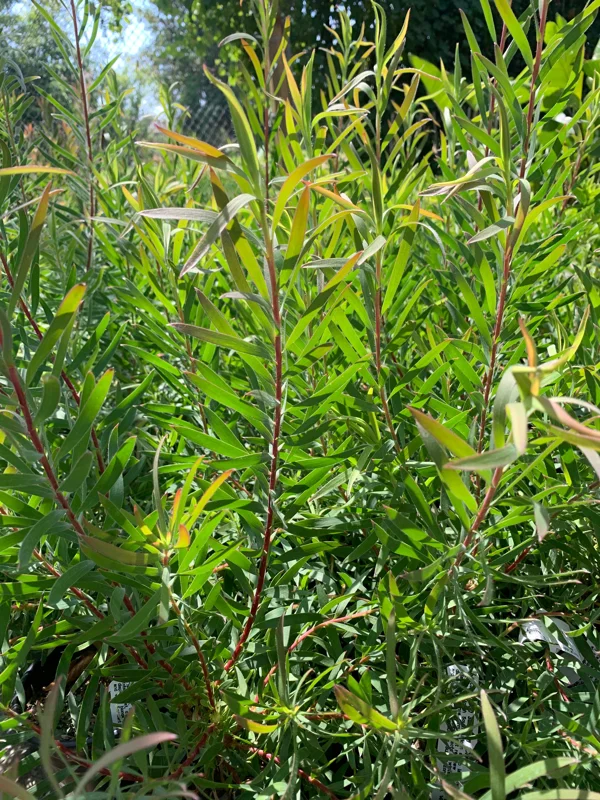
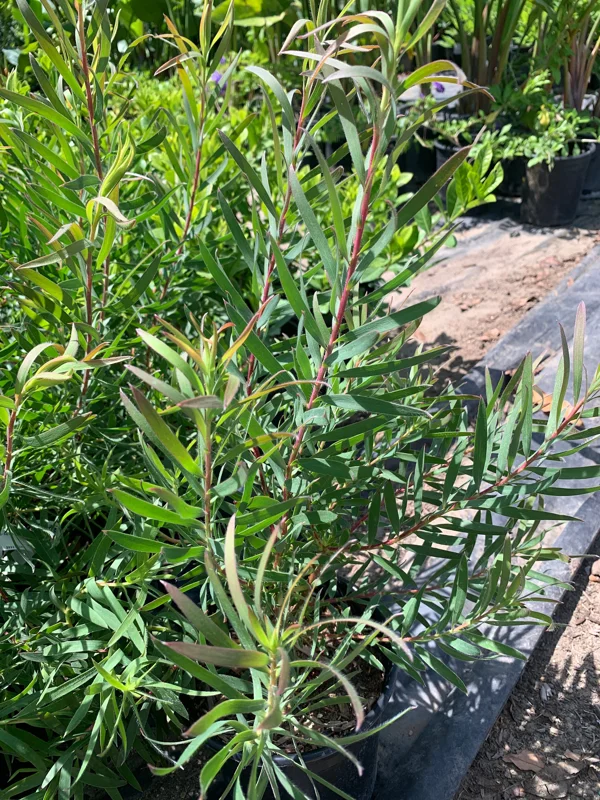
Transform your outdoor space with the stunning Leucadendron Salignum ‘Chief’ live plant. This captivating South African shrub is celebrated for its exceptional ornamental qualities, offering a dynamic display of color and texture throughout the year. Known for its clean, neat, and dense form, the ‘Chief’ cultivar stands out with its bright red new growth, which provides a vibrant contrast against its mature foliage. As winter approaches, this remarkable plant becomes a focal point with a heavy display of blonde and pink bracts, adding a touch of exotic beauty to any garden. Whether you’re an experienced gardener or just starting, the Leucadendron Salignum ‘Chief’ live plant is a superb choice for adding architectural interest and year-round appeal to your landscape.
The botanical name, Leucadendron Salignum, refers to a genus of flowering plants native to South Africa, specifically known as conebushes. The ‘Chief’ variety is particularly prized for its robust nature and spectacular color changes. This South African shrub is not only visually appealing but also relatively low-maintenance once established, making it a favorite among gardeners looking for impactful yet easy-to-care-for plants. Its unique foliage and bracts make it an excellent specimen plant or a striking addition to mixed borders.
Key Benefits
The Leucadendron Salignum ‘Chief’ live plant offers numerous advantages, making it a highly desirable addition to various landscapes. Its distinctive features contribute significantly to garden aesthetics and ecological diversity.
- Vibrant Year-Round Color: Enjoy brilliant red foliage plant new growth that matures into an attractive green, complemented by beautiful blonde and pink bracts during the winter months. This ensures continuous visual interest in your garden, even during colder seasons.
- Drought Tolerance: Once established, this plant is remarkably resilient to dry conditions, making it an excellent choice for xeriscaping or gardens in regions with water restrictions. Its ability to thrive with minimal water helps conserve resources.
- Low Maintenance: The ‘Chief’ Leucadendron requires minimal pruning and care, allowing you to enjoy its beauty without constant effort. It’s a perfect option for busy gardeners seeking high reward with low input.
- Unique Texture and Form: With its neat, dense growth habit and distinctive foliage, this shrub adds architectural structure and unique texture to garden beds, borders, and containers. It creates a strong visual statement.
- Attractive to Pollinators: While subtle, the bracts can attract beneficial insects to your garden, contributing to a healthy ecosystem. This makes the Chief Leucadendron care beneficial for local wildlife.
- Versatile Landscaping Use: Suitable for a variety of garden styles, from Mediterranean to contemporary, as a specimen plant, hedge, or in mixed borders. Its adaptability allows for creative landscaping designs.
- Deer Resistant: Generally not favored by deer, offering a natural defense against common garden pests. This is a significant advantage for gardens in areas with deer populations.
Plant Care & Growing Tips
Caring for your Leucadendron Salignum ‘Chief’ live plant is straightforward, provided you meet its basic environmental needs. This resilient shrub thrives in conditions similar to its native South African habitat. It prefers a position in full sun to part shade, meaning it needs at least 6 hours of direct sunlight per day to achieve its best growth and most vibrant coloration. While it can tolerate some afternoon shade, especially in hotter climates, too much shade will result in leggy growth and less intense bract color. Ensure your chosen location has good air circulation to prevent fungal issues.
When it comes to watering, the ‘Chief’ Leucadendron is a drought tolerant plant once established. During its first year, regular watering is crucial to help it develop a strong root system. Water deeply once or twice a week, allowing the soil to dry out between waterings. After establishment, reduce watering frequency, relying on rainfall and supplemental watering only during extended dry periods. Overwatering is a common killer of Leucadendrons, so ensure excellent drainage. This plant prefers acidic to neutral soil (pH 5.5-7.0) that is sandy or gravelly and well-draining. Avoid heavy clay soils, as they retain too much moisture.
Fertilization should be done sparingly, as Leucadendrons are sensitive to phosphorus. Use a slow-release fertilizer specifically formulated for proteas or other phosphorus-sensitive plants, or a general-purpose fertilizer with a low phosphorus content (the middle number on the NPK ratio should be low, e.g., 10-2-10). Fertilize in early spring as new growth begins. Pruning is generally minimal; light shaping can be done after flowering to maintain its dense form and encourage bushier growth. Remove any dead or damaged branches. This Chief Leucadendron care guide will help ensure a healthy and thriving plant.
Size & Details
The Leucadendron Salignum ‘Chief’ live plant you receive is a healthy, actively growing specimen. It is approximately 1 foot tall when shipped and comes in a 1 gallon pot, ready for planting. This robust shrub is known for its moderate to fast growth rate, quickly establishing itself in your garden. When mature, the ‘Chief’ Leucadendron can reach an impressive size of 6-8 feet tall and equally wide, creating a substantial and impactful presence in your landscape. Its dense, upright habit makes it an excellent choice for a specimen plant or a vibrant hedge.
The plant is shipped in a nursery pot, ensuring its roots are protected during transit and ready for a smooth transition to its new home. Expect vibrant red new growth throughout the warmer months and a stunning display of blonde and pink bracts during the winter, providing continuous seasonal interest. This South African shrub is a long-lived plant, offering many years of beauty with proper care. Its mature size makes it suitable for larger garden spaces or as a striking focal point in smaller areas where its height and spread can be accommodated.
Frequently Asked Questions
- Q: How big does this plant get? A: The Leucadendron Salignum ‘Chief’ live plant typically grows to a mature size of 6-8 feet tall and 6-8 feet wide, forming a dense and attractive shrub. Its size makes it suitable for various landscape applications.
- Q: Is this an indoor or outdoor plant? A: This is primarily an outdoor plant, thriving in full sun to part shade conditions. It is not generally recommended for long-term indoor cultivation due to its light and space requirements.
- Q: How much sunlight does it need? A: The ‘Chief’ Leucadendron requires at least 6 hours of direct sunlight per day (full sun) to achieve optimal growth and vibrant coloration. It can tolerate some partial shade, especially in hot climates.
- Q: Is this plant easy to care for? A: Yes, once established, the Chief Leucadendron care is relatively easy. It’s a low-maintenance plant that is drought-tolerant and requires minimal pruning and specific fertilization.
- Q: What condition will it arrive in? A: Your plant will arrive as a healthy, live specimen, approximately 1 foot tall, securely shipped in a 1 gallon nursery pot with soil, ready for planting. We ensure careful packaging for safe transit.
- Q: When is the best time to plant? A: The best time to plant your Leucadendron Salignum ‘Chief’ live plant is in spring or early fall, allowing it ample time to establish its root system before extreme weather conditions.
- Q: Will it survive winter in my zone? A: Leucadendrons are generally suited for warmer climates. This variety typically thrives in USDA hardiness zones 9-11. If you are in a colder zone, it may need protection or be grown in a container that can be moved indoors.
- Q: What kind of soil does it prefer? A: This South African shrub prefers well-draining, slightly acidic to neutral soil. Sandy or gravelly soil types are ideal, and it’s crucial to avoid heavy clay or consistently wet conditions.
- Q: Does this plant have any special pest resistance? A: Yes, the ‘Chief’ Leucadendron is generally considered deer resistant, which is a significant advantage for gardens in areas with deer concerns.
- Q: What are the winter bracts like? A: In winter, the plant produces an abundant display of striking blonde and pink bracts, adding significant color and interest to the garden during a time when many other plants are dormant.


Reviews
There are no reviews yet.