Overview
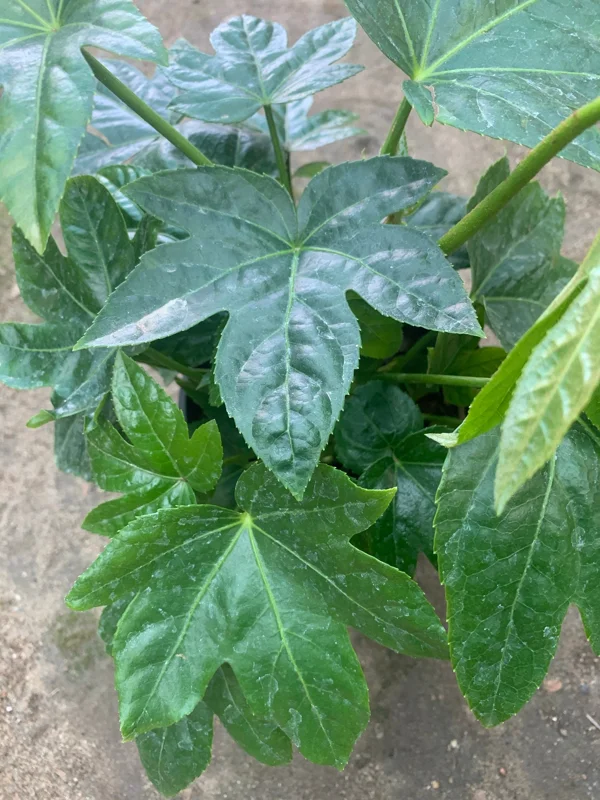
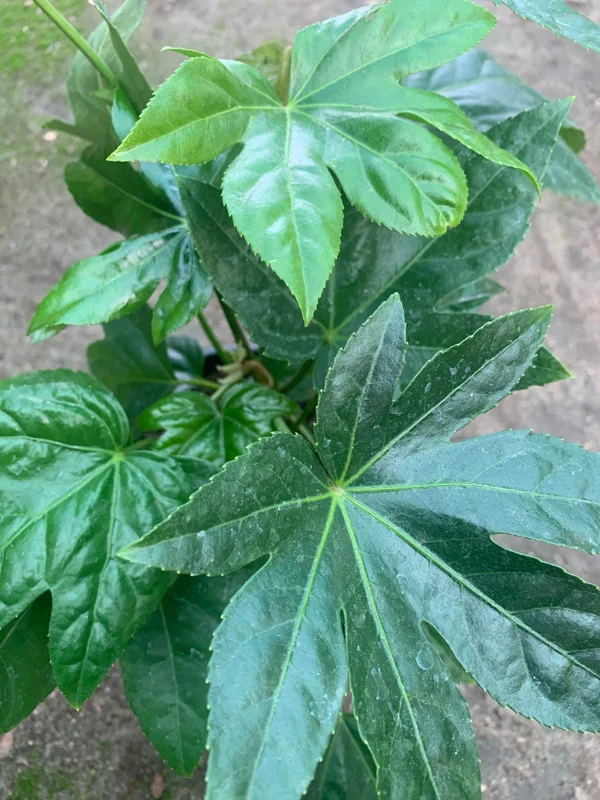
Introduce a touch of lush, tropical grandeur to your garden with the magnificent japanese aralia live plant, also known by its botanical name, Fatsia Japonica. This evergreen shrub is celebrated for its dramatic, deeply lobed leaves that can reach an impressive foot in width, atop long, graceful stems. Originating from the shaded forest floors of Japan, Korea, and Taiwan, the Japanese Aralia is a resilient and visually striking plant that brings an exotic feel to any landscape. It’s an ideal choice for those seeking a bold foliage plant that thrives in less sunny conditions, making it a versatile addition to shaded patios, woodland gardens, or as an understory planting. Its architectural form and glossy green leaves provide year-round interest, offering a constant source of beauty even when other plants are dormant.
The fatsia japonica care is relatively straightforward, making it a rewarding plant for gardeners of varying experience levels. This robust shrub can grow to a considerable size, often reaching 8-10 feet in height and spread, creating a substantial presence in your garden. While primarily grown for its stunning foliage, the Japanese Aralia also produces unique, spherical clusters of white flowers in the fall, followed by small, black berries. These features add an extra layer of seasonal interest to an already captivating plant, ensuring it remains a focal point in your outdoor space. Its ability to thrive in shady areas allows for creative landscaping solutions where other plants might struggle.
Key Benefits
The japanese aralia live plant offers a multitude of benefits, making it a highly desirable addition to many gardens. Its unique characteristics contribute both aesthetic appeal and practical advantages to your outdoor environment.
- Dramatic Foliage: Enjoy the striking beauty of huge, deeply lobed, glossy green leaves that can grow up to a foot wide, providing a bold, architectural statement in your garden. This plant is a true showstopper, even without blooms.
- Shade Tolerance: This plant thrives in partial to full shade, making it an excellent choice for difficult, low-light areas where many other ornamental plants struggle. It’s perfect for creating lush understory plantings or brightening up north-facing walls.
- Year-Round Interest: As an evergreen shrub, the fatsia japonica care ensures it maintains its vibrant green leaves throughout the year, offering continuous beauty and structure to your landscape, even in winter.
- Fall Blooms: While primarily grown for its foliage, the Japanese Aralia surprises with unique clusters of white, spherical flowers in the fall, adding an unexpected touch of charm to the autumn garden.
- Low Maintenance: Once established, fatsia japonica outdoor plants are relatively easy to care for, requiring minimal attention beyond basic watering and occasional pruning, making them suitable for busy gardeners.
- Versatile Landscaping: Ideal for use as a specimen plant, in mixed borders, as a hedge, or in containers, its adaptability allows for creative placement in various garden designs, especially where you need shade loving plants.
- Attracts Wildlife: The fall flowers can attract pollinators, and the subsequent berries provide a food source for birds, adding ecological value to your garden.
Plant Care & Growing Tips
Proper fatsia japonica care ensures your plant remains healthy and vibrant, showcasing its impressive foliage. The Japanese Aralia prefers a location with partial sun to full shade. While it can tolerate a bit of morning sun, intense afternoon sun, especially in warmer climates, can scorch its leaves. Plant it in an area that receives dappled light or is protected by taller trees or structures. This makes it an excellent choice for north-facing areas or under the canopy of larger trees. Adequate air circulation is also beneficial to prevent fungal issues, so avoid overly crowded planting spots.
When it comes to watering, the japanese aralia live plant prefers consistently moist, but not waterlogged, soil. Water deeply when the top inch or two of soil feels dry to the touch. During hot, dry spells, you may need to water more frequently. Ensure good drainage to prevent root rot, which is a common issue for plants in overly wet conditions. A well-draining soil rich in organic matter is ideal. You can amend heavy clay soils with compost or peat moss to improve drainage and aeration. For fertilizing, a balanced slow-release granular fertilizer applied in spring as new growth emerges is usually sufficient. Avoid over-fertilizing, as this can lead to excessive, leggy growth rather than dense foliage.
The Japanese Aralia is generally hardy in USDA zones 7-10, though some varieties may extend to zone 6 with protection. It can tolerate temperatures down to about 15°F (-9°C). In colder zones, it can be grown in containers and brought indoors during winter or treated as an annual. Pruning is usually minimal, focused on removing any dead, damaged, or unsightly leaves to maintain its attractive shape and promote healthy growth. You can also prune to control its size if it becomes too large for its space. Watch out for pests like spider mites and scale insects, especially in dry conditions. Regular inspection and appropriate organic pest control methods can keep these issues in check. Understanding these aspects of fatsia japonica outdoor cultivation will help you cultivate healthy and robust ornamental foliage plants.
Size & Details
This japanese aralia live plant is shipped as a robust specimen, typically measuring 6-8 inches tall from the top of the soil. It comes securely planted in a 1 gallon pot, providing a healthy root system ready for transplanting into your garden or a larger container. The plant’s deep green, deeply lobed leaves are already well-developed, giving you an immediate impact upon arrival. With proper care, this plant will quickly establish itself and begin to grow, eventually reaching a mature height of 8-10 feet and a similar spread, creating a substantial presence in your garden. Its growth rate is moderate, allowing you to enjoy its development over time.
The impressive size of its leaves, which can reach up to a foot in width, contributes significantly to its dramatic appearance. These ornamental foliage plants are known for their architectural form and ability to create a lush, tropical atmosphere. When planted in the ground in suitable climates, the Japanese Aralia will develop into a large, multi-stemmed shrub. If grown in a container, its size can be managed through regular pruning and repotting. Expect the plant to bloom in the fall, producing unique white flower clusters, followed by small black berries. This plant offers excellent value for creating impactful garden designs, especially as a prominent feature among other shade loving plants.
Frequently Asked Questions
- Q: How big does this Japanese Aralia get? A: The japanese aralia live plant can grow quite large, typically reaching a mature height of 8-10 feet and a similar spread when planted in the ground in ideal conditions. Its large leaves also contribute to its significant visual presence.
- Q: What size pot does it come in? A: This plant is shipped in a 1 gallon pot, and the plant itself is 6-8 inches tall, providing a healthy start for your garden. You can transplant it directly into the ground or a larger decorative container.
- Q: Is this an indoor or outdoor plant? A: While it can be grown indoors in a bright, indirect light location, the japanese aralia live plant is primarily an outdoor shrub. It thrives as a fatsia japonica outdoor specimen in suitable climates, particularly in shaded garden areas.
- Q: How much sunlight does it need? A: The Japanese Aralia prefers partial sun to full shade. It performs best in areas that receive dappled light throughout the day or are protected from intense afternoon sun, which can scorch its leaves. It’s an excellent choice for shade loving plants.
- Q: Is this plant easy to care for? A: Yes, fatsia japonica care is generally considered low to moderate. Once established, it requires consistent moisture and occasional feeding, making it suitable for gardeners looking for relatively easy-to-maintain ornamental foliage plants.
- Q: What condition will it arrive in? A: Your japanese aralia live plant will arrive carefully packaged, healthy, and ready to be planted. It is shipped in its 1 gallon nursery pot to ensure minimal stress during transit.
- Q: When is the best time to plant Japanese Aralia? A: The best time to plant Japanese Aralia is in spring or early fall, allowing the plant to establish its root system before extreme summer heat or winter cold. However, container-grown plants can be planted year-round in mild climates.
- Q: Will it survive winter in my zone? A: Japanese Aralia is generally hardy in USDA zones 7-10. In zone 6, it may require winter protection, such as mulching, or can be grown in containers and moved indoors during the coldest months.
- Q: Does it produce flowers or fruit? A: Yes, while primarily grown for its foliage, Japanese Aralia produces distinctive spherical clusters of white flowers in the fall, followed by small, black, ornamental berries.
- Q: Is this plant deer resistant? A: Japanese Aralia is generally considered deer resistant, making it a good choice for gardens in areas where deer browse is a concern.


Reviews
There are no reviews yet.