Overview
Cultivate your own tropical paradise with the exquisite coconut cream mango tree. This highly sought-after variety is celebrated for its truly unique and delectable fruit. As a mango tree live plant, it arrives grafted and ready to establish in your garden or a large container, promising a rewarding growing experience. The ‘Coconut Cream’ mango is renowned for its exceptional creamy texture and a delightful flavor profile that hints at coconut, making it a standout among mango cultivars. Gardeners and fruit enthusiasts alike cherish this variety for its vigorous growth and the promise of abundant, flavorful harvests. Its vibrant, colorful fruit adds an exotic touch to any landscape, making it a perfect addition for those looking to grow their own delicious, home-grown produce.
This particular grafted mango plant ensures that you receive a tree with desirable characteristics, including earlier fruiting and consistent fruit quality. Originating from Florida, the ‘Coconut Cream’ mango is a patented variety, a testament to its superior qualities. Its medium-sized growth habit makes it suitable for various garden sizes or even large patio containers in colder climates where it can be moved indoors during winter. Prepare to enjoy the sweet, aromatic bounty of this incredible tropical fruit tree.
Key Benefits
The coconut cream mango tree offers a multitude of benefits, from its unique flavor to its vibrant appearance, making it a fantastic addition for any gardener:
- Exceptional Flavor Profile: Enjoy large, juicy mangoes with a distinct creamy texture and a delicious coconut-mango flavor. The fruit is notably fiber-less, offering a smooth, melt-in-your-mouth experience that is truly unparalleled.
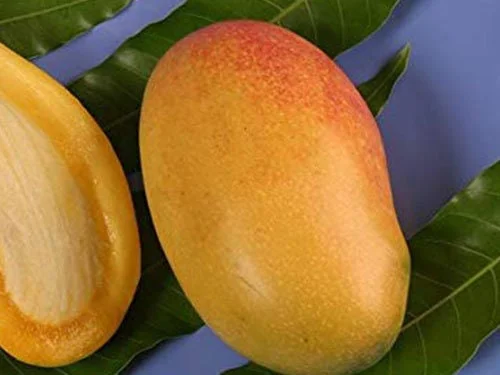
- Vibrant & Colorful Fruit: The mangoes boast a stunning bright red-orange-yellow skin, making them incredibly attractive both on the tree and in your fruit bowl. The pulp is a rich, bright orange, indicating high levels of beneficial nutrients.
- Grafted for Quality: Being a grafted mango plant, it benefits from faster fruiting, improved disease resistance, and consistent fruit quality true to the ‘Coconut Cream’ variety. This ensures a reliable and productive harvest.
- Mid-Season Harvest: This variety typically produces fruit in the mid-season, allowing you to enjoy fresh mangoes when many other varieties might not be available, extending your fresh fruit season.
- Patented Variety: The ‘Coconut Cream’ mango is a patented variety, highlighting its unique and superior characteristics, ensuring you’re growing a truly special and premium fruit.
- Ideal for Home Gardens: Its manageable size and delicious yield make it perfect for home gardeners who want to grow high-quality tropical fruit.
Plant Care & Growing Tips
Caring for your coconut cream mango tree is a rewarding experience that will lead to bountiful harvests. Mango trees thrive in warm, sunny environments. For optimal growth and fruit production, your mango tree live plant requires at least 6-8 hours of direct sunlight per day. If growing in a container, ensure it’s placed in the sunniest spot on your patio or indoors near a bright, south-facing window. Protect your tree from strong winds, especially when young. Consistent watering is crucial for young trees; water deeply when the top 2-3 inches of soil feel dry to the touch, but avoid overwatering, which can lead to root rot. Mature trees are more drought-tolerant but will produce better fruit with regular irrigation during dry spells.
The ideal soil for a tropical fruit tree like the mango is well-draining, slightly acidic (pH 6.0-7.0), and rich in organic matter. A good quality potting mix designed for fruit trees or palms works well for container-grown plants. For in-ground planting, amend heavy clay soils with compost or sand to improve drainage. Fertilize your coconut cream mango tree regularly during the growing season (spring through summer) with a balanced fertilizer formulated for tropical fruit trees, following the product’s instructions. Reduce fertilization in fall and winter. Protect young trees from frost by covering them or bringing container plants indoors if temperatures drop below 40°F (4°C). Pruning should focus on maintaining a manageable size and good air circulation within the canopy, removing any dead or diseased branches. Pay close attention to signs of pests or diseases, and address them promptly to maintain a healthy mango plant care regimen.
Size & Details
This coconut cream mango tree is shipped as a grafted mango plant, standing approximately 1 to 2 feet tall from the base of the pot to the top of the plant. It is securely rooted and shipped in a 3-gallon nursery pot, providing a robust start for your new tropical addition. This size allows for easy transplanting into a larger container or directly into your garden, depending on your climate and growing preferences. With proper care, this tropical fruit tree will grow into a productive specimen, eventually reaching a mature height of 10-20 feet if planted in the ground, though it can be kept smaller with regular pruning in containers. Expect the tree to begin fruiting within 2-4 years under ideal conditions, delivering its delicious bounty in the mid-season. The grafting process ensures a faster path to maturity and fruit production compared to growing from seed.
Frequently Asked Questions
- Q: How big does this plant get? A: This coconut cream mango tree is shipped at 1-2 feet tall in a 3-gallon pot. When mature, it can reach 10-20 feet tall in the ground, but can be maintained at a smaller size with pruning if grown in a container.
- Q: Is this an indoor or outdoor plant? A: While mango trees thrive outdoors in warm climates (USDA Zones 9-11), this mango tree live plant can be grown in containers and brought indoors during colder months in cooler regions.
- Q: How much sunlight does it need? A: Your grafted mango plant requires at least 6-8 hours of direct sunlight daily for optimal growth and fruit production. Ensure it’s in a sunny location whether indoors or out.
- Q: Is this plant easy to care for? A: With consistent watering, proper sunlight, and appropriate fertilization, caring for a coconut cream mango tree is moderately easy. It’s suitable for gardeners with some experience or those willing to learn about tropical fruit tree care.
- Q: What condition will it arrive in? A: Your mango tree live plant will arrive well-rooted in a 3-gallon pot, carefully packaged to ensure its health and safety during transit. It will be ready for immediate planting or repotting.
- Q: Can I use this mango in cooking? A: Absolutely! The ‘Coconut Cream’ mango is prized for its unique flavor and is excellent for eating fresh, in smoothies, desserts, salsas, and various culinary dishes.
- Q: How long until it blooms and fruits? A: As a grafted tree, your tropical fruit tree can begin to bloom and produce fruit within 2-4 years of planting, provided it receives proper care and ideal growing conditions.
- Q: What’s the minimum temperature it can tolerate? A: Mango trees are sensitive to cold. This mango plant care tip is crucial: protect your tree if temperatures drop below 40°F (4°C), either by covering it or moving container plants indoors.
- Q: Is this a fiber-less mango variety? A: Yes, the ‘Coconut Cream’ mango is known for its delicious, fiber-less pulp, offering a smooth and enjoyable eating experience.
- Q: When is the best time to plant? A: The best time to plant your coconut cream mango tree is in the spring or early summer after the last chance of frost, allowing it ample time to establish before cooler weather.


Reviews
There are no reviews yet.