Overview
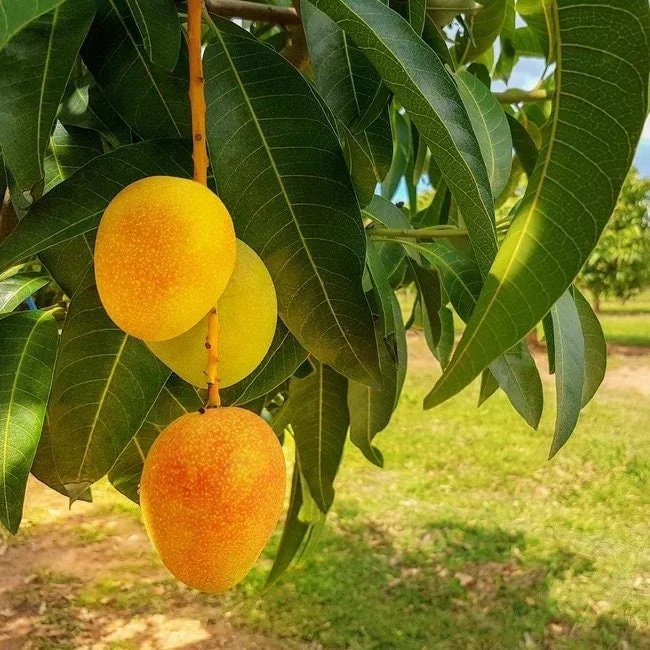
Introduce a taste of the tropics to your home garden with this exquisite alphonso mango tree live plant. Renowned globally for its unparalleled sweetness, rich aroma, and buttery texture, the Alphonso mango is often hailed as the “King of Mangoes.” This particular specimen is a grafted mango tree, ensuring it will bear fruit true to type and typically much sooner than a seedling. Standing at a healthy 1 to 2 feet tall upon arrival, this live plant is ready to establish itself in your landscape or a large container, bringing the promise of luscious, golden fruits within a few years. Originating from India, the indian mango tree variety ‘Alphonso’ is a prized possession for any fruit connoisseur, offering not just delicious produce but also a beautiful, lush addition to your outdoor space.
Growing your own Alphonso mangoes provides immense satisfaction and access to fresh, organic fruit right from your backyard. This vibrant tree will thrive with proper care, transforming your garden into a tropical oasis. Its glossy green foliage and eventual fruit production make it a wonderful focal point, attracting admiration and providing a delightful harvest.
Key Benefits
Owning an Alphonso mango tree offers numerous advantages beyond just its delicious fruit. This alphonso mango tree live plant contributes beauty and bounty to any suitable environment:
- Exceptional Fruit Quality: Enjoy the rich, sweet, and aromatic flavor of home-grown Alphonso mangoes, often considered the finest mango variety in the world. The fruit’s smooth, non-fibrous pulp is a culinary delight, perfect for eating fresh, making smoothies, or crafting desserts.
- Beautiful Tropical Foliage: The tree boasts dense, glossy green leaves that provide an attractive, lush appearance year-round, enhancing the aesthetic appeal of your garden or patio. Its vibrant greenery adds a touch of the tropics to any setting.
- Grafted for Early Fruiting: As a grafted mango tree, it is genetically identical to the parent plant, ensuring consistent fruit quality and significantly reducing the time until it begins to bear fruit, typically within 2-4 years.
- Garden Versatility: Can be grown in the ground in warm climates or successfully cultivated in large containers in cooler regions, allowing you to bring it indoors during colder months. This adaptability makes it suitable for a wider range of gardeners.
- Health Benefits: Mangoes are packed with vitamins, minerals, and antioxidants, supporting a healthy immune system and overall well-being. Growing your own ensures a fresh, chemical-free source of these nutritious fruits.
- Educational Experience: Provides a rewarding experience for gardeners of all levels, allowing you to learn about tropical fruit cultivation and witness the fascinating growth cycle from flower to fruit.
- Sustainable Gardening: Cultivating your own fruit reduces reliance on store-bought produce, supporting a more sustainable and self-sufficient lifestyle.
Plant Care & Growing Tips
To ensure your alphonso mango tree live plant thrives and produces abundant fruit, understanding its specific care requirements is crucial. Mango trees prefer a warm, sunny environment. They require at least 6-8 hours of direct sunlight per day to flourish and produce fruit. In cooler climates, select a location that offers maximum sun exposure and protection from cold winds. If growing in a container, place it in the sunniest spot available, such as a south-facing patio or indoors near a large window during winter.
Watering is key, especially during the initial establishment phase and during flowering and fruiting. Water deeply when the top 2-3 inches of soil feel dry to the touch, typically 2-3 times a week in warm weather, and less frequently in cooler months. Ensure excellent drainage to prevent root rot; mango trees do not tolerate soggy feet. For soil, a well-draining, slightly acidic to neutral loam (pH 6.0-7.0) is ideal. Amending heavy clay soils with organic matter and sand can improve drainage. For container-grown plants, use a high-quality potting mix specifically formulated for fruit trees or palms.
Fertilize your young grafted mango tree with a balanced slow-release fertilizer or a liquid feed formulated for fruit trees, starting in early spring and continuing through the growing season. Follow package instructions for application rates. As for temperature, Alphonso mango trees are tropical and prefer temperatures between 70-90°F (21-32°C). They are sensitive to frost; temperatures below 30°F (-1°C) can cause significant damage. In USDA zones below 9, container growing with winter protection is recommended. Watch out for common pests like scale and mealybugs, and treat with horticultural oil or insecticidal soap if necessary. Pruning should be done after fruiting to maintain shape, size, and encourage new growth for the next season’s harvest. Understanding alphonso mango plant care will lead to a successful harvest.
Size & Details
This alphonso mango tree live plant arrives as a vibrant specimen, typically measuring 1 to 2 feet tall from the base of the plant to the top of its foliage. It is a grafted mango tree, meaning it has been propagated to ensure desirable fruit characteristics and earlier fruiting. The tree is carefully shipped in a 3-gallon nursery pot, providing a robust root system ready for transplanting. Alphonso mango trees are medium-sized trees, usually reaching 15-20 feet in height at maturity when planted in the ground, though they can be kept smaller with regular pruning or by growing in large containers. The growth rate is moderate, and with proper care, you can expect your first fruits within 2-4 years of planting. This indian mango tree variety will develop into a beautiful, productive addition to your garden.
Frequently Asked Questions
- Q: How big will the alphonso mango tree live plant get? A: When planted in the ground, an Alphonso mango tree can reach heights of 15-20 feet. In containers, its size can be managed through pruning, typically staying around 6-10 feet tall, making it more manageable for smaller spaces or indoor-outdoor living.
- Q: Is this an indoor or outdoor plant? A: Alphonso mango trees are tropical plants that thrive outdoors in USDA Zones 9-11. In cooler climates, they are best grown in containers and brought indoors during the cooler months to protect them from frost.
- Q: How much sunlight does my grafted mango tree need? A: Your grafted mango tree requires a minimum of 6-8 hours of direct sunlight per day to produce fruit. Choose the sunniest location in your garden or home for optimal growth and fruit production.
- Q: Is this plant easy to care for? A: While mango trees require consistent care, especially regarding sunlight, water, and protection from cold, they are relatively straightforward for gardeners with some experience. Beginners willing to learn about alphonso mango plant care can also achieve success.
- Q: What condition will the plant arrive in? A: Your alphonso mango tree live plant will be carefully packaged and shipped in a 3-gallon nursery pot with its root ball intact. It will be healthy and ready for transplanting upon arrival, though it may experience minor stress from shipping.
- Q: Can I grow this indian mango tree in a large pot on my patio? A: Yes, this indian mango tree variety is well-suited for container growing on a patio, especially in regions with cold winters. Ensure you use a large pot (at least 20-25 gallons) with good drainage and bring it indoors when temperatures drop.
- Q: How long until I get fruit from this grafted mango tree? A: Since it is a grafted mango tree, it typically starts bearing fruit within 2-4 years after planting, much faster than trees grown from seed. Fruiting time can vary depending on care and growing conditions.
- Q: What is the best soil type for an alphonso mango tree? A: An Alphonso mango tree prefers well-draining, slightly acidic to neutral soil (pH 6.0-7.0). A sandy loam mix with good organic matter is ideal for optimal growth and root health.
- Q: Will it survive winter in my zone if I live outside USDA Zone 9? A: If you live outside USDA Zones 9-11, you must provide winter protection for your alphonso mango tree live plant. This usually involves growing it in a container and moving it indoors to a bright, warm location before the first frost.
- Q: What are the main uses for Alphonso mangoes? A: Alphonso mangoes are incredibly versatile. They are best enjoyed fresh, but also make excellent additions to smoothies, juices, desserts like custards and ice creams, and even savory dishes in some cuisines.


Reviews
There are no reviews yet.