Overview
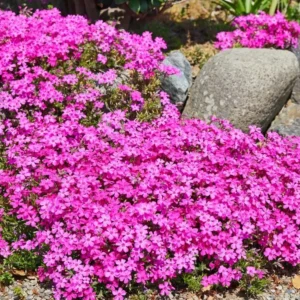
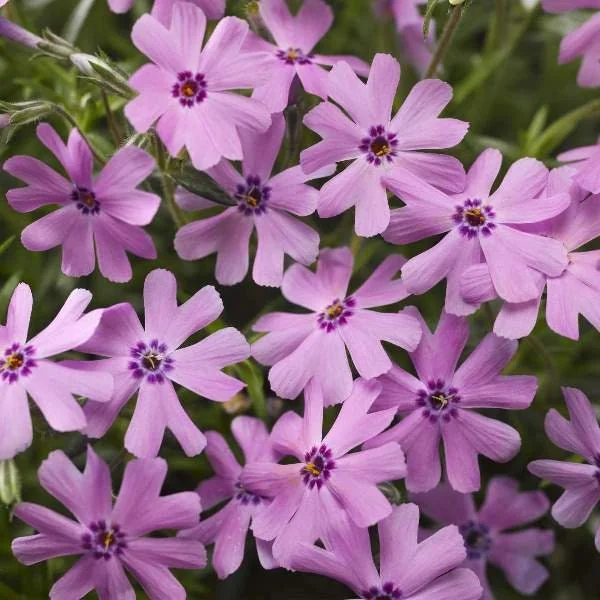
Introduce vibrant color and lush texture to your landscape with the Creeping Phlox Fort Hill live plant. Also known as Phlox Subulata and Moss Phlox, this vigorous perennial is native to North America and renowned for its spectacular spring bloom. ‘Fort Hill’ produces a carpet of dazzling rose pink, star-shaped flowers that create a breathtaking display. As a low-growing, spreading plant, it forms an attractive mat, making it an excellent choice for groundcover, rock gardens, and borders. This variety is celebrated for its hardiness, ease of care, and ability to thrive in various conditions, offering a beautiful solution for gardeners seeking both beauty and resilience.
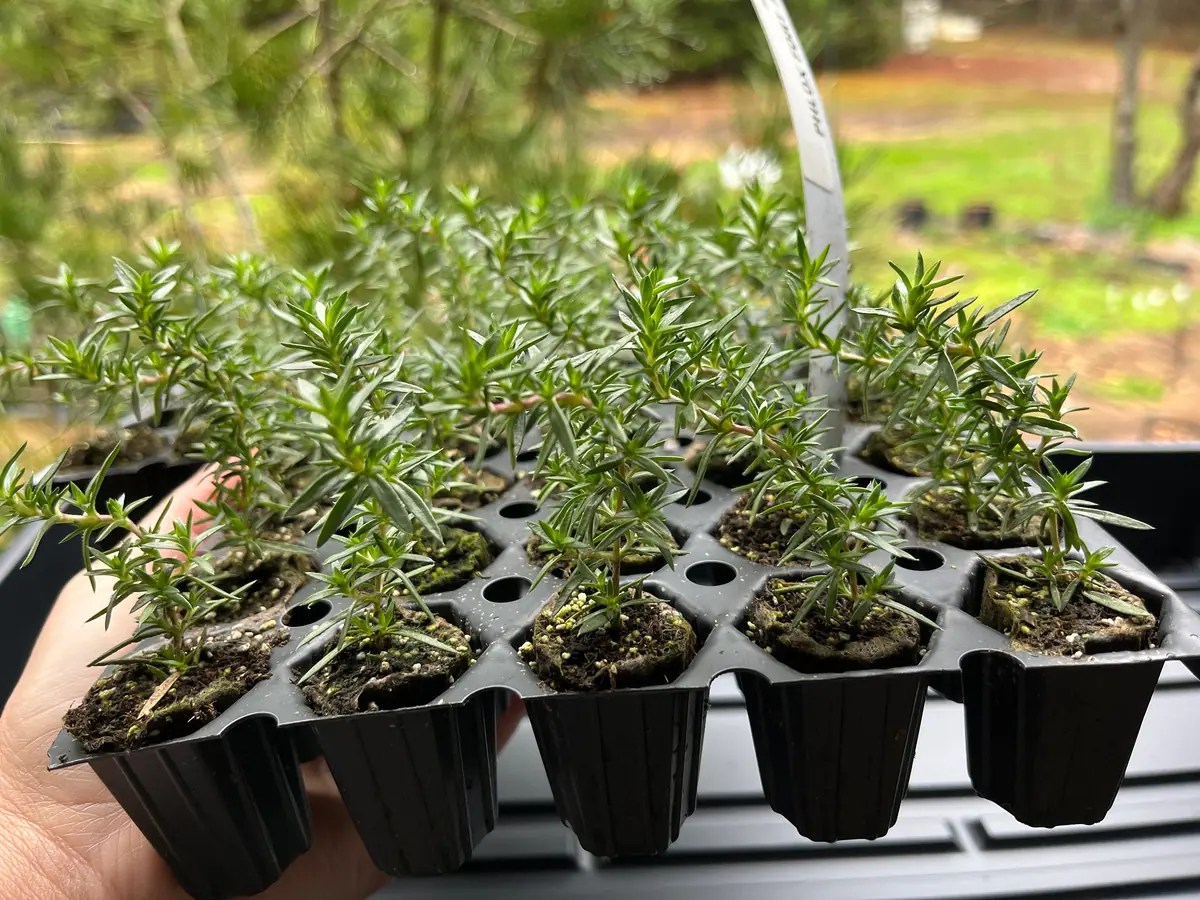
Each Fort Hill perennial comes as a well-rooted plug, ready to be planted and establish quickly in your garden. Its dense growth habit not only provides visual appeal but also helps suppress weeds, contributing to a tidier garden space. Whether you’re looking to fill in sunny slopes, create a colorful border, or add charm to a container, the Creeping Phlox Fort Hill live plant is a superb selection that promises years of enjoyment with minimal effort.
Key Benefits
The Creeping Phlox Fort Hill live plant offers numerous advantages for any garden, combining aesthetic appeal with practical benefits. Its robust nature and stunning floral display make it a favorite among gardeners.
- Spectacular Spring Blooms: Enjoy a profusion of delicate, star-shaped rose pink phlox flowers that blanket the plant in spring, creating a vibrant spectacle. This early-season color provides a refreshing burst after winter.
- Excellent Groundcover: With its creeping, spreading habit, this plant is perfect for creating a dense, colorful carpet over banks, slopes, or open areas, effectively suppressing weeds and reducing maintenance.
- Attracts Pollinators: The cheerful flowers are a magnet for beneficial pollinators, particularly butterflies, enhancing the biodiversity and vitality of your garden ecosystem.
- Deer and Rabbit Resistant: Gardeners can rest easy knowing this variety is naturally resistant to deer and rabbits, protecting your investment and ensuring its beauty remains unblemished.
- Drought Tolerant: Once established, ‘Fort Hill’ is more drought tolerant than many other Phlox varieties, making it a sustainable choice for water-wise gardening.
- Low Maintenance: This Fort Hill perennial requires minimal care, flourishing with just a sunny location and regular watering, making it ideal for busy gardeners or those new to gardening.
- Versatile Landscape Use: Aside from groundcover, it excels in rock gardens, along landscape borders, and in containers, offering flexible design possibilities.
Plant Care & Growing Tips
Caring for your Creeping Phlox Fort Hill live plant is straightforward, ensuring a magnificent display year after year. This resilient perennial thrives with proper attention to its basic needs, particularly in its first growing season.
Sunlight Requirements: Creeping Phlox Fort Hill performs best in full sun, meaning it needs at least 6 hours of direct sunlight per day to produce its most abundant blooms. While it can tolerate some partial shade, too little sun may result in sparse flowering and leggy growth. Ensure your chosen planting location receives ample light for optimal health and flowering.
Watering Schedule & Soil Moisture: During its establishment period, water regularly to keep the soil consistently moist but not waterlogged. Once mature, the Fort Hill perennial becomes quite drought tolerant, requiring less frequent watering. Water deeply when the top inch of soil feels dry to the touch, especially during prolonged dry spells. Avoid overhead watering to prevent fungal issues.
Soil Type & Drainage: This plant prefers well-draining soil. It can adapt to a variety of soil types, including sandy or rocky soils, but heavy clay soils should be amended with organic matter to improve drainage. Good drainage is crucial to prevent root rot, particularly in winter. A slightly acidic to neutral soil pH (6.0-7.0) is ideal.
Temperature Range & Hardiness Zone: Creeping Phlox Fort Hill is a robust perennial, hardy in USDA Zones 3-9. This means it can withstand cold winter temperatures in most regions of the US. It tolerates a wide range of temperatures, from freezing winters to hot summers, as long as its basic needs for sun and drainage are met. Protect young plants from extreme winter winds in colder zones.
Fertilization Schedule: Generally, this plant is not a heavy feeder. A light application of a balanced, slow-release granular fertilizer in early spring, before new growth begins, is usually sufficient. Avoid over-fertilizing, as this can promote foliage growth at the expense of flowers. For plants in containers, a diluted liquid feed monthly during the growing season can be beneficial.
Common Problems & Solutions: While generally pest and disease resistant, watch for powdery mildew in humid conditions or crowded plantings. Ensure good air circulation to mitigate this. Aphids can occasionally be an issue; a strong spray of water can often dislodge them. Yellowing leaves can indicate overwatering or nutrient deficiency. Proper watering and occasional feeding will keep your Creeping Phlox Fort Hill live plant healthy.
Size & Details
The Creeping Phlox Fort Hill live plant is supplied as a well-rooted plug, typically measuring 1″ x 1″ x 1 1/4″ in its container. These plugs are an excellent way to establish a healthy plant quickly in your garden. Upon planting, this variety exhibits a vigorous, spreading growth habit, reaching a mature height of 4-6 inches and spreading 12-24 inches wide. Its compact, mat-forming nature makes it an ideal Phlox Subulata groundcover. Expect to see substantial growth and spread within the first year, with full coverage and abundant blooms typically appearing in the second spring after planting.
This perennial offers a moderate growth rate, establishing itself firmly and expanding its footprint over time. The rose pink phlox flowers emerge in spring, transforming your garden with a carpet of color. The small plug size ensures easy handling and planting, allowing you to quickly integrate this beautiful and resilient plant into your landscape design. The robust root system of these plugs helps them adapt easily to their new environment, leading to successful establishment and vibrant growth.
Frequently Asked Questions
- Q: How big will my Creeping Phlox Fort Hill get? A: Your Creeping Phlox Fort Hill live plant will typically grow to a height of 4-6 inches and spread 12-24 inches wide, forming a dense, creeping mat. Its low-growing habit makes it excellent for groundcover.
- Q: Is this an indoor or outdoor plant? A: This is an outdoor perennial plant, perfectly suited for garden beds, rockeries, and borders. It is hardy in USDA Zones 3-9 and thrives in full sun.
- Q: How much sunlight does the Fort Hill perennial need? A: The Fort Hill perennial requires full sun exposure, meaning at least 6 hours of direct sunlight daily, to achieve the best flowering performance and healthy growth.
- Q: Is this plant easy to care for? A: Yes, Creeping Phlox Fort Hill is considered a low-maintenance plant. Once established, it is quite drought-tolerant and pest-resistant, making it suitable for beginners and busy gardeners.
- Q: What condition will the Creeping Phlox Fort Hill live plant arrive in? A: Your plant will arrive as a well-rooted plug in a small container, ensuring it has a strong foundation for successful transplanting and growth in your garden.
- Q: How long until it blooms? A: While you may see some blooms in the first spring after planting, the rose pink phlox will typically put on its most spectacular display in the second spring as it becomes fully established.
- Q: Will it survive winter in my zone? A: Yes, this plant is hardy in USDA Zones 3-9, meaning it is well-equipped to survive cold winters in most North American climates, returning each spring.
- Q: Can I use this plant for deer resistant phlox? A: Absolutely! Creeping Phlox Fort Hill is known for being deer and rabbit resistant, making it an excellent choice for areas where these animals are a concern.
- Q: What type of soil does this groundcover prefer? A: This Phlox Subulata groundcover thrives in well-draining soil. It can tolerate various soil types, including sandy or rocky soils, as long as drainage is adequate.
- Q: Is this plant suitable for rock gardens? A: Yes, its creeping habit and hardiness make it an ideal choice for rock gardens, where it can cascade over stones and fill crevices with beautiful color.


Reviews
There are no reviews yet.