Overview
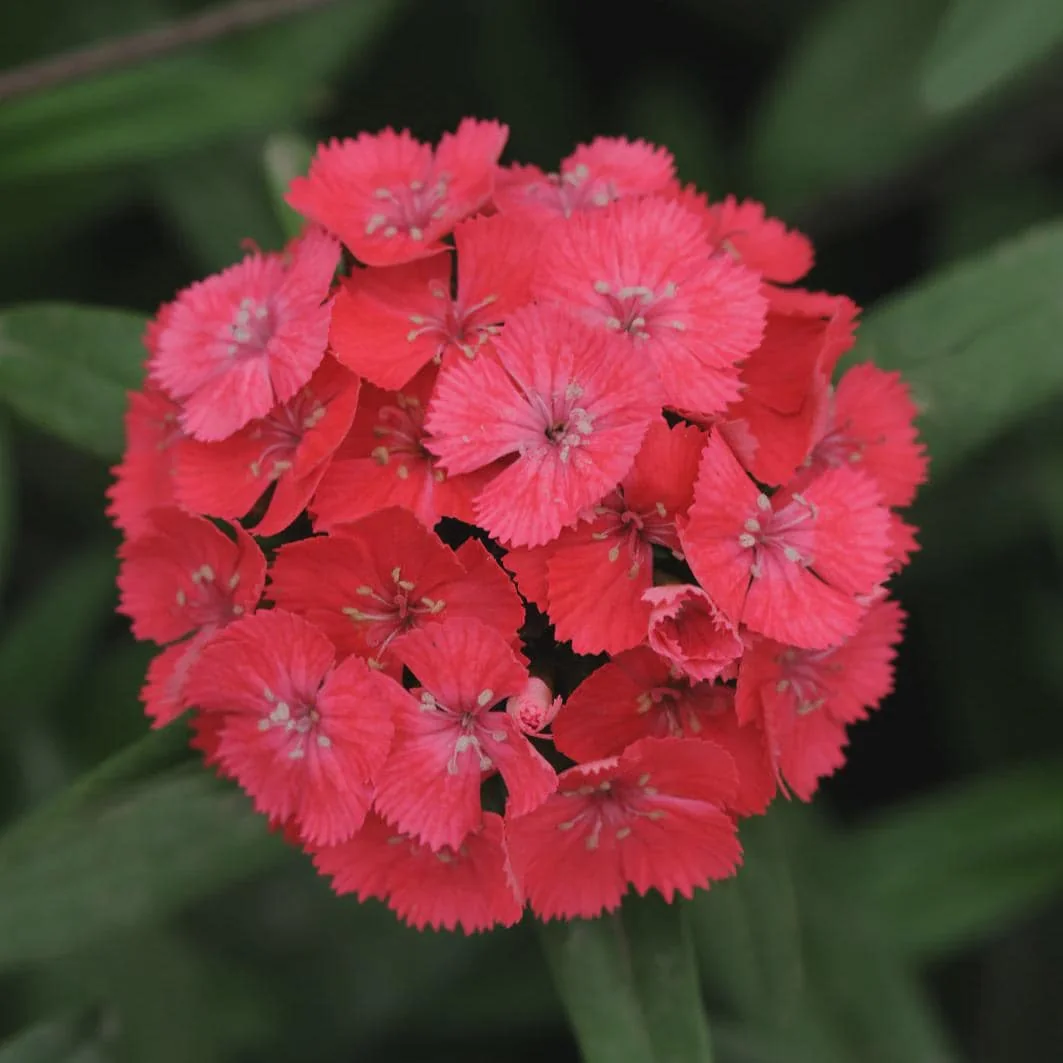
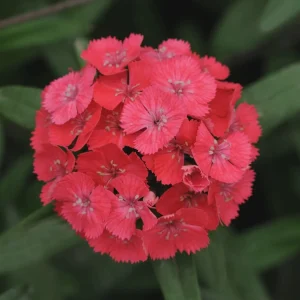
Introduce a touch of elegance and vibrant color to your outdoor space with these exquisite Dianthus flower plants. Perfect for creating a stunning cut flower garden, these well-rooted plugs are ready to thrive. Known for their charming blooms and delightful fragrance, Dianthus, often referred to as ‘Pinks’ or ‘Sweet William’, are a gardener’s favorite. Our selection includes resilient varieties with a significant amount of Dianthus barbatus (commonly known as Sweet William plugs) in their background, making them more robust and cold-tolerant. While specific cold hardiness may vary, these plants are bred to offer impressive beauty and performance, ensuring your garden is filled with captivating flowers season after season. They are an excellent choice for adding continuous bloom and texture to borders, containers, or dedicated cutting beds.
These unique Dianthus varieties provide a fresh take on traditional garden favorites. Whether you’re an experienced horticulturist or a budding gardener, these plugs offer an easy start to cultivating beautiful, long-lasting blossoms. Their adaptability and charming appearance make them a versatile addition to any landscape design, promising a continuous show of color and form.
Key Benefits
Adding Dianthus flower plants to your garden provides numerous advantages, from their aesthetic appeal to their ease of care. These plants are designed to bring lasting beauty and joy to any enthusiast.
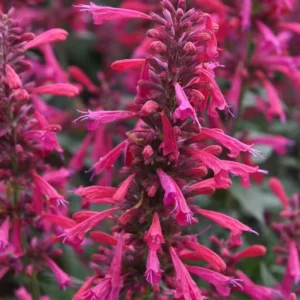
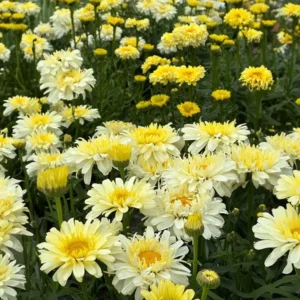
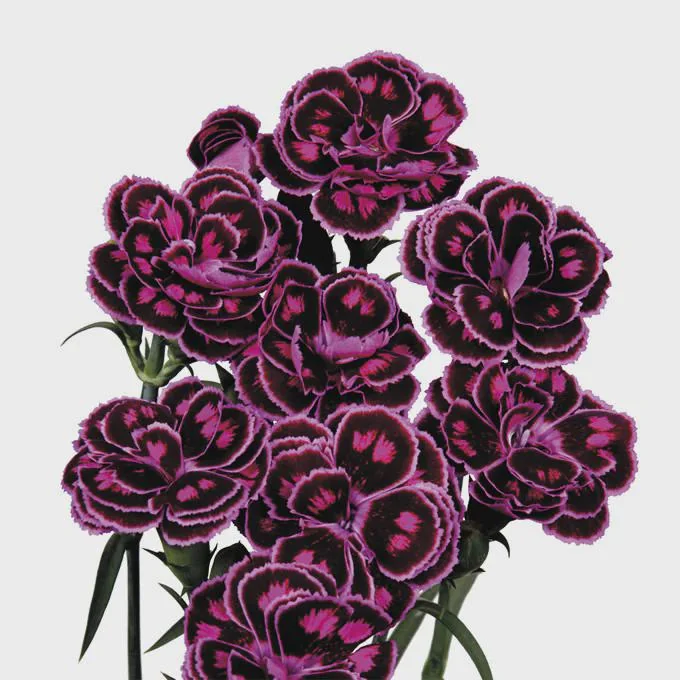
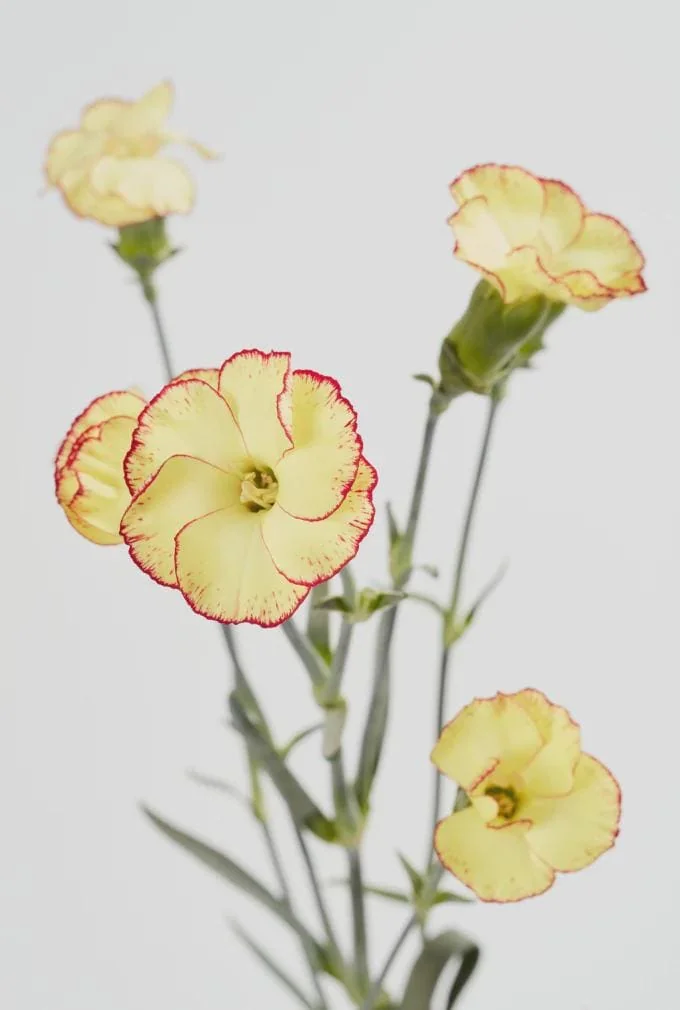
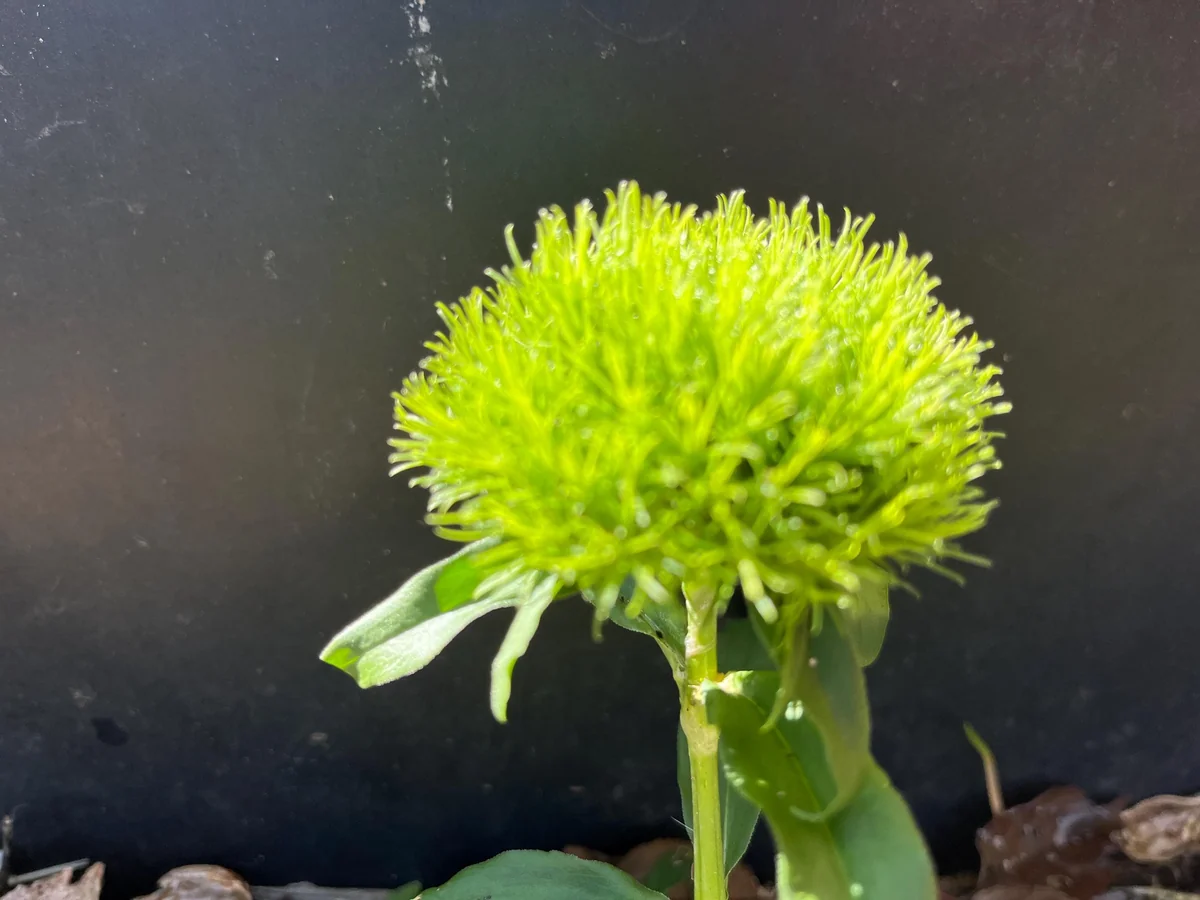
- Stunning Floral Display: Enjoy an abundance of beautiful, often fragrant flowers that can transform any garden space into a colorful retreat. The unique forms and colors of these Dianthus varieties ensure a captivating visual experience.
- Excellent for Cut Flowers: These plants are specifically chosen for their suitability as cut flowers, providing fresh, long-lasting blooms for indoor arrangements. Having a dedicated supply of cut flowers enhances your home’s ambiance.
- Resilient and Cold-Tolerant: With their Sweet William heritage, these Dianthus varieties exhibit enhanced resilience and cold tolerance compared to true Carnations, making them a dependable choice for various climates. This hardiness ensures a more reliable performance in your garden.
- Versatile Garden Use: Ideal for borders, rock gardens, containers, or mass plantings, these perennial Dianthus adapt well to different garden settings. Their compact to medium size allows for flexible placement in diverse garden designs.
- Attracts Pollinators: The vibrant flowers are known to attract beneficial pollinators like bees and butterflies, contributing to a healthier garden ecosystem. Supporting local wildlife is an important aspect of sustainable gardening.
- Low Maintenance: Once established, these Dianthus flower plants require minimal care, making them perfect for gardeners seeking beautiful results without extensive effort. Their easy-care nature allows more time to enjoy their beauty.
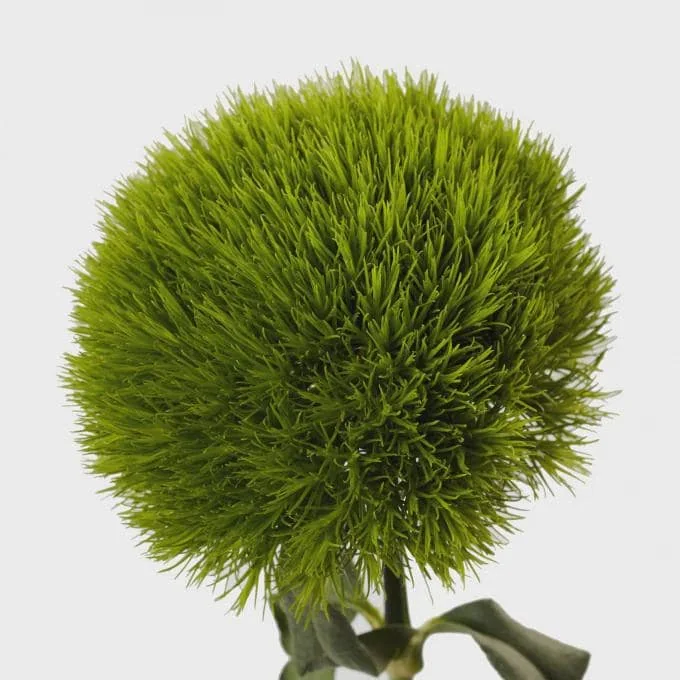
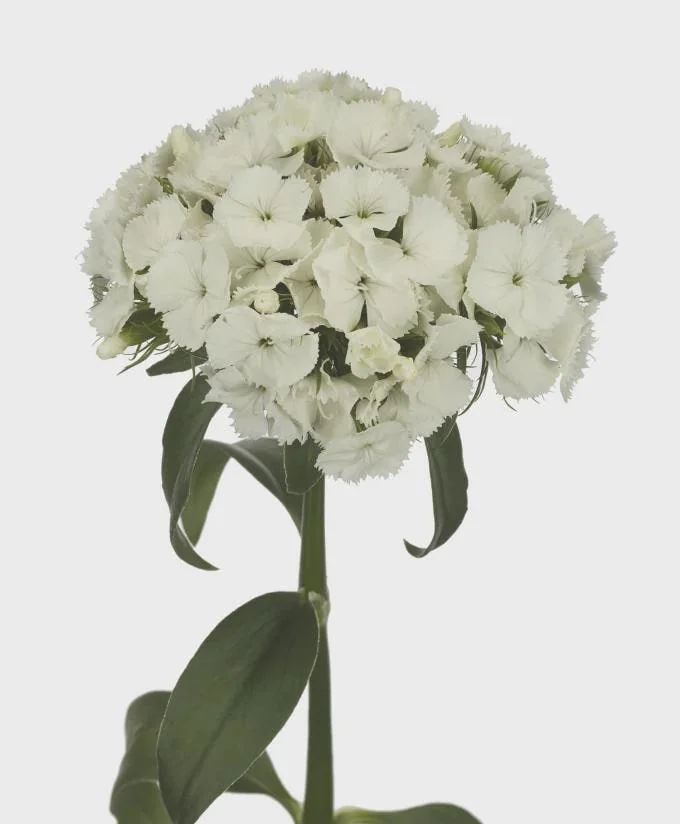
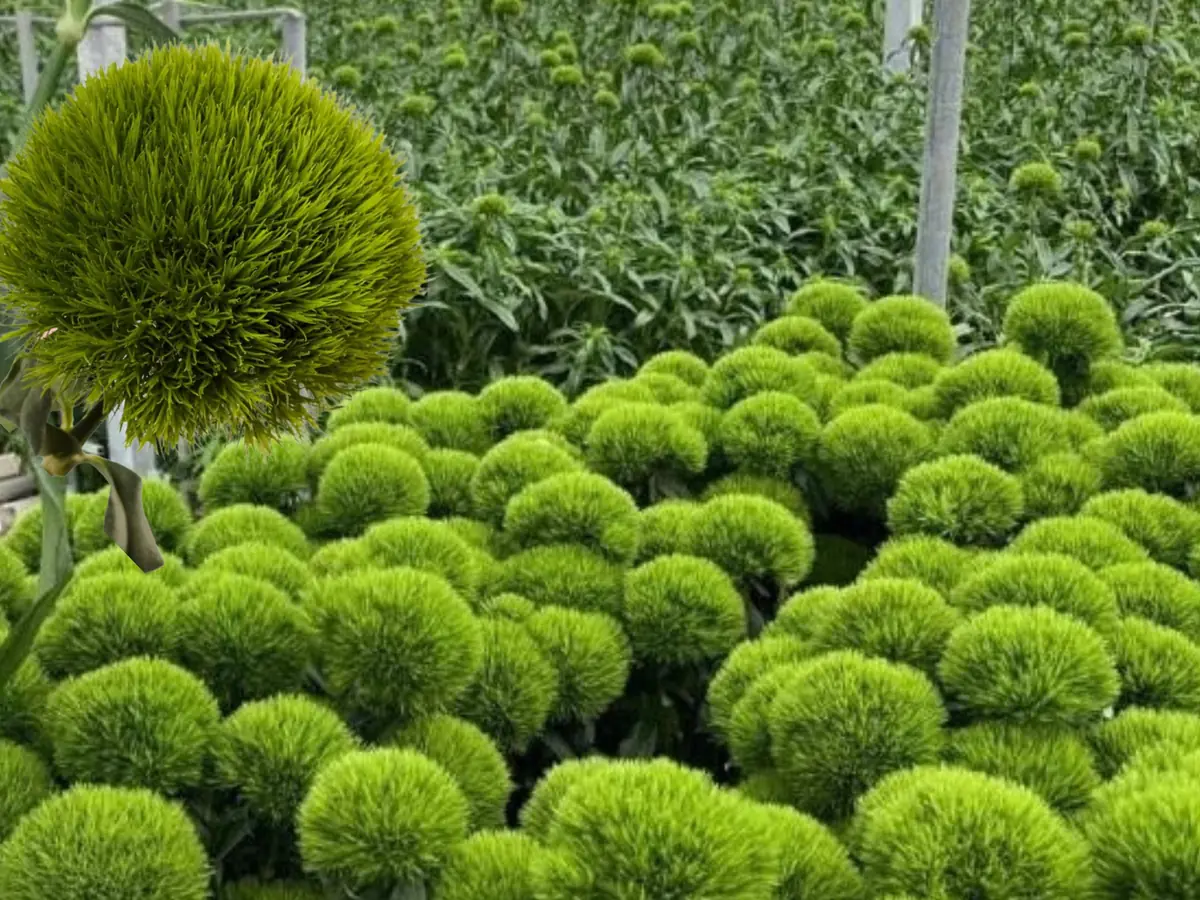
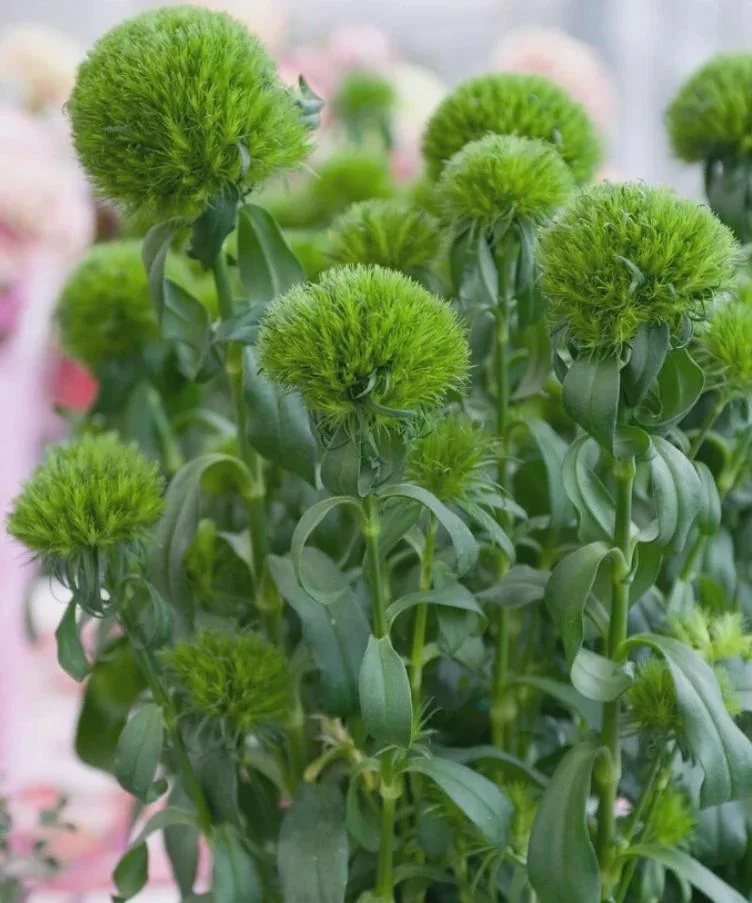
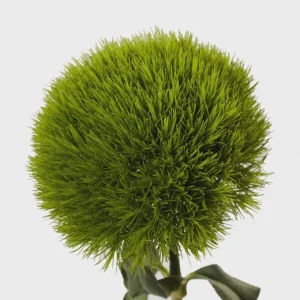
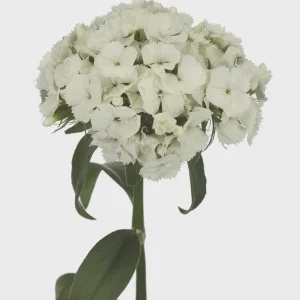
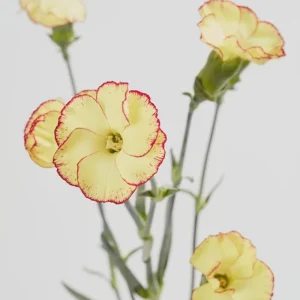
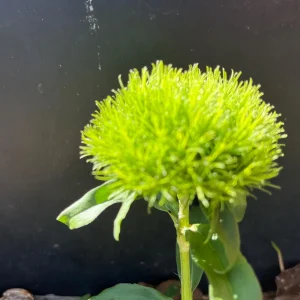
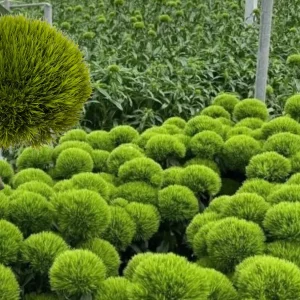
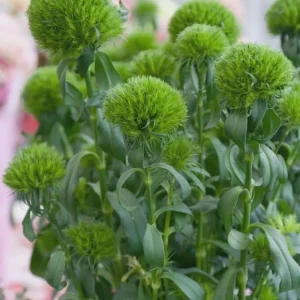
- Unique Varieties: Explore distinct forms and colors, including varieties like Mellow Cool with its formal ball shape and Bunny, a pure white mound of flowers on tall stems, adding novelty to your garden. These specific attributes make for a truly special garden.
Plant Care & Growing Tips
Caring for your Dianthus flower plants is straightforward, ensuring they flourish and provide an abundance of blooms. Proper care begins with understanding their basic needs for sunlight, water, and soil. These plants generally prefer a location that receives ample sunlight to produce the most vibrant flowers. Aim for at least 6 hours of direct sunlight per day. In hotter climates, some afternoon shade can be beneficial to prevent scorching, especially for varieties intended for a cut flower garden.
When it comes to watering, Dianthus prefer consistently moist but not waterlogged soil. Allow the top inch or two of soil to dry out between waterings. Overwatering can lead to root rot, so ensure good drainage. Well-draining soil is crucial for these plants. A slightly alkaline to neutral pH (6.5-7.5) is ideal. Incorporating organic matter can improve soil structure and fertility. For fertilization, a balanced all-purpose fertilizer can be applied in spring and again in mid-summer to encourage continuous blooming. Deadheading spent flowers will also promote new blooms and maintain a tidy appearance for your hardy Dianthus.
These plants are generally hardy, with many varieties thriving in a wide range of USDA zones. While the exact hardiness of ‘Kiwi hybrids’ may be unknown, their Sweet William lineage suggests good cold tolerance. Protecting them with a layer of mulch in winter can help insulate the roots in colder regions. Watch out for common pests like aphids or spider mites, and treat with organic insecticidal soap if necessary. Good air circulation helps prevent fungal diseases. With proper care, your Dianthus flower plants will provide a spectacular display.
Size & Details
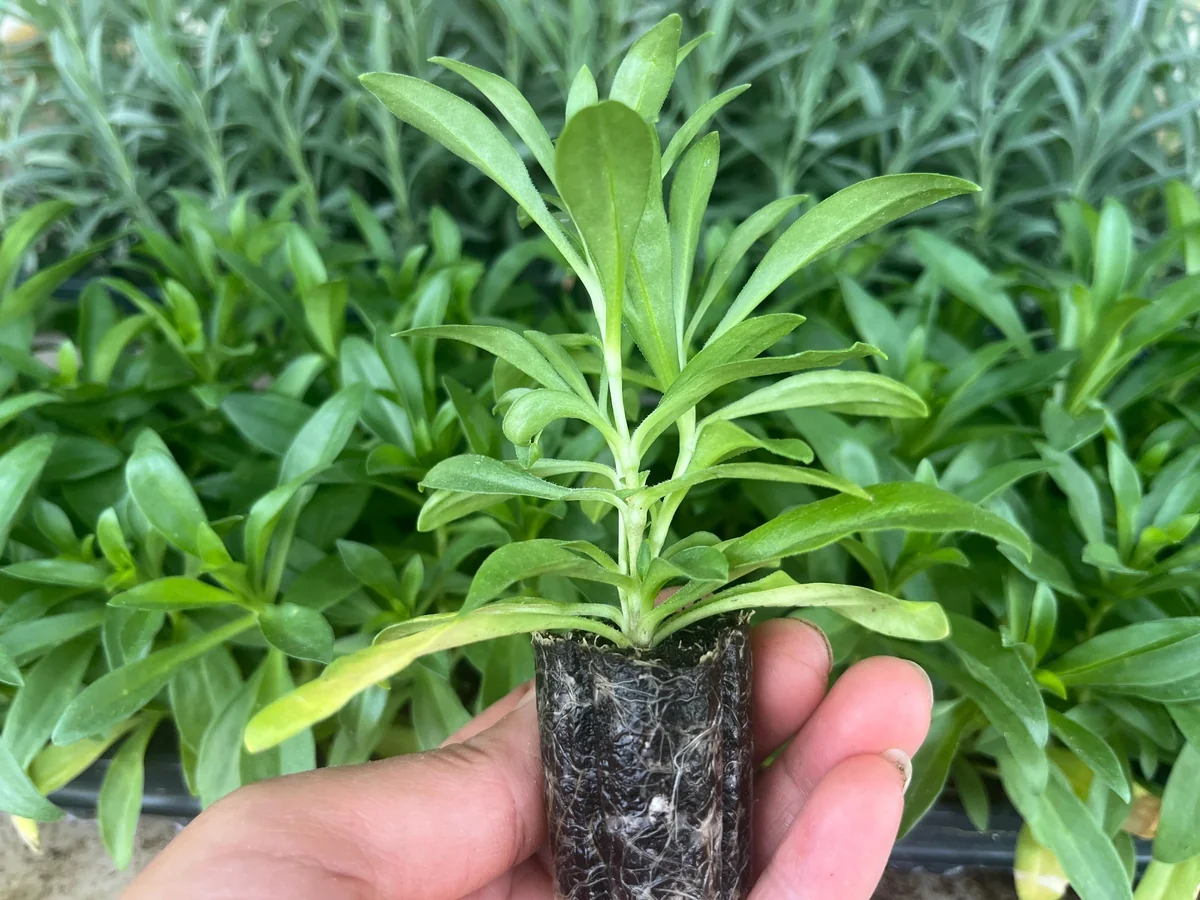
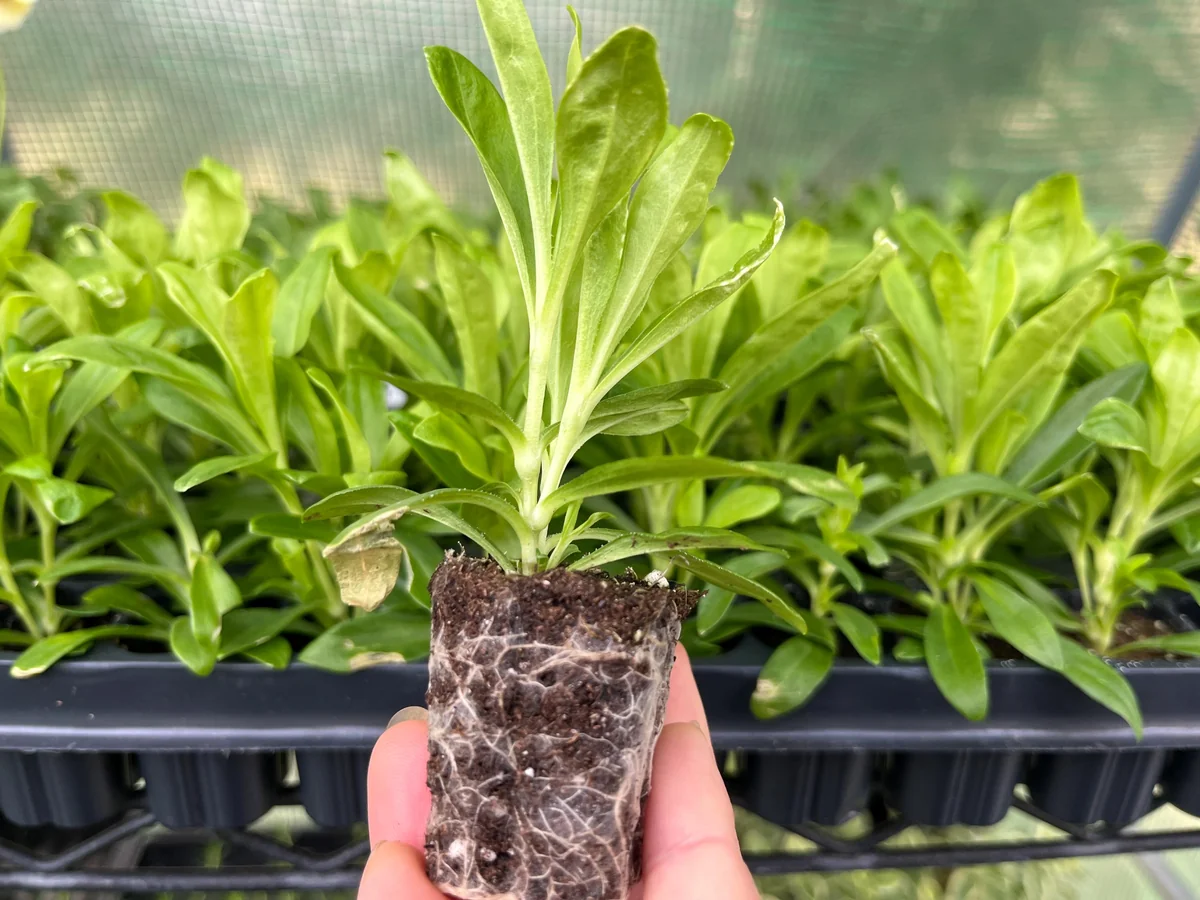
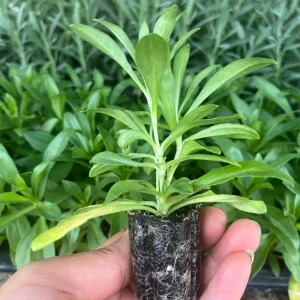
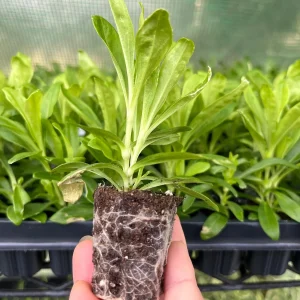
Each order includes well-rooted Dianthus flower plants provided as small plug-size seedlings, measuring approximately 5/8″ X 5/8″ X 1 3/4″ in their container. Please note that one specific variety, ‘Dianthus sweet coral’, may come in a 1/2 nursery pot. Plant sizes can naturally vary slightly from one plug to another, reflecting their organic growth. While some images may depict mature or blooming plants, you will receive the seedling stage as described, ready for planting and establishment in your garden. These plants are designed to grow into full-sized blooming specimens, typically reaching a height of 12-24 inches, depending on the variety and growing conditions, making them perfect for a lush cut flower garden.
These young plants are in their initial growth phase, allowing you to cultivate them from an early stage. Expect them to establish quickly and begin flowering within their first growing season under optimal conditions. The robust root system ensures a strong start, contributing to the overall health and vigor of the mature plant. Their consistent growth habit makes them a reliable choice for gardeners seeking predictable and beautiful results.
Frequently Asked Questions
- Q: How big do these Dianthus flower plants get? A: These Dianthus flower plants typically grow to a height of 12-24 inches and spread similarly, depending on the specific variety and growing conditions. They are well-suited for a medium-sized presence in your garden.
- Q: What size pot do the plants come in? A: Most seedlings are shipped in small plug-size containers, measuring 5/8″ X 5/8″ X 1 3/4″. Please note that the ‘Dianthus sweet coral’ variety may come in a 1/2 nursery pot.
- Q: Is this an indoor or outdoor plant? A: These Dianthus flower plants are primarily outdoor plants, ideal for garden beds, borders, and containers where they can receive adequate sunlight. They thrive in a cut flower garden setting.
- Q: How much sunlight do these Dianthus need? A: Dianthus generally require full sun, meaning at least 6 hours of direct sunlight daily, to produce the best blooms. In very hot climates, some afternoon shade can be beneficial.
- Q: Are these plants easy to care for? A: Yes, once established, these hardy Dianthus varieties are relatively low-maintenance, requiring consistent watering and occasional fertilization. They are a good choice for both beginner and experienced gardeners.
- Q: What condition will the plants arrive in? A: You will receive healthy, well-rooted plug-size seedlings. While some minor leaf yellowing or damage may occur during transit, the strong root system ensures quick recovery and growth.
- Q: When is the best time to plant these Dianthus? A: The best time to plant these Dianthus flower plants is in spring after the last frost, or in early fall. This allows them sufficient time to establish before extreme temperatures.
- Q: Will these perennial Dianthus survive winter in my zone? A: With their Sweet William heritage, these varieties offer enhanced cold tolerance. While specific hardiness may vary, they are generally resilient. A layer of winter mulch can provide extra protection in colder zones.
- Q: Are these plants good for attracting pollinators? A: Yes, the vibrant blooms of these Dianthus flower plants are known to attract beneficial pollinators such as bees and butterflies, contributing to a healthier and more active garden ecosystem.
- Q: Can I use these for a cut flower garden? A: Absolutely! These Dianthus flower plants are specifically selected for their suitability as cut flowers, providing beautiful, long-lasting blooms for arrangements.


Reviews
There are no reviews yet.