

Overview
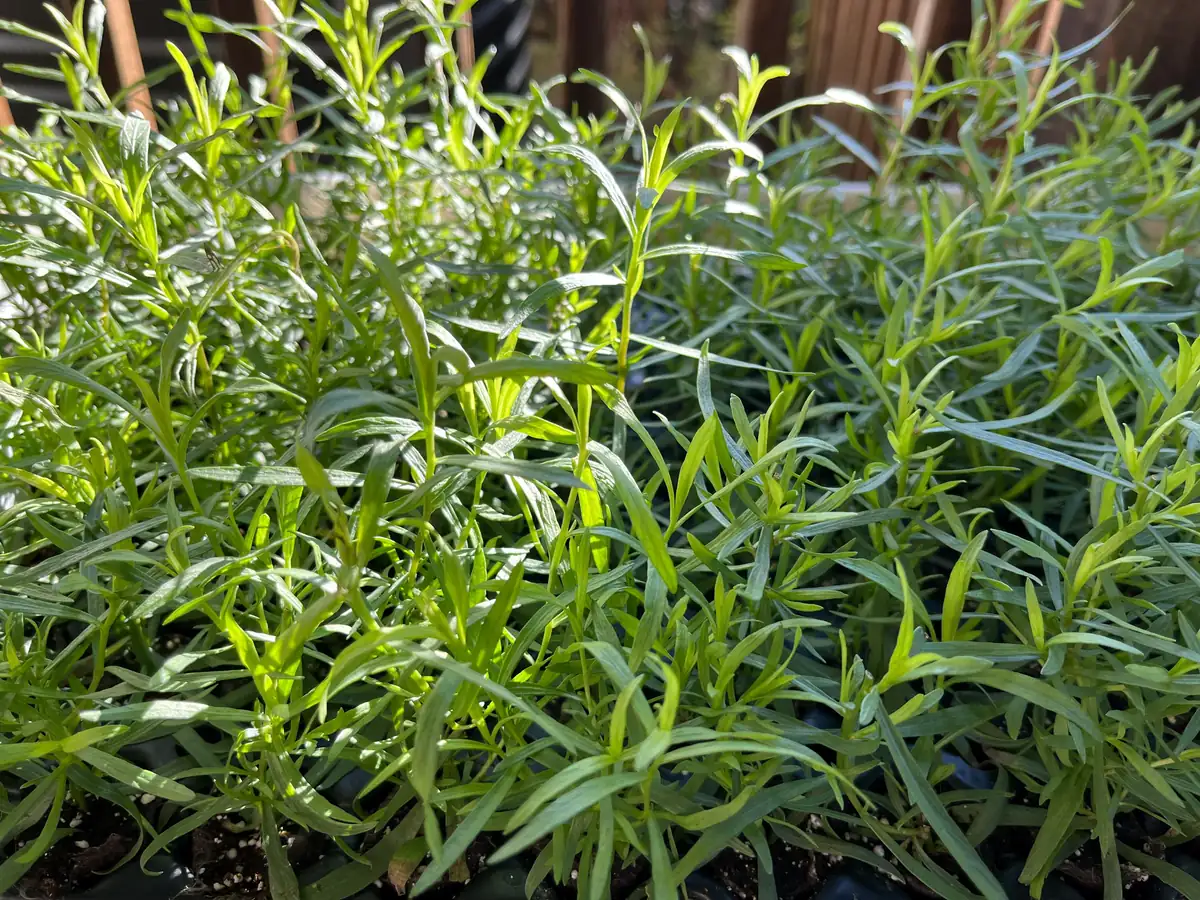
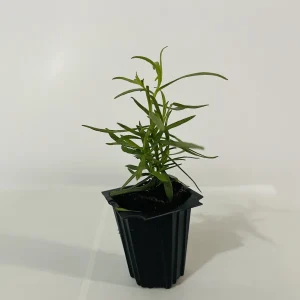
Introduce exquisite flavor to your kitchen with a French Tarragon live plant. Revered by chefs worldwide, French Tarragon (Artemisia dracunculus) is a highly esteemed herb celebrated for its distinctive aroma, delicate flavor, and attractive appearance. This versatile plant is an essential addition to any culinary herb garden, whether you’re a seasoned gardener or a cooking enthusiast. Our live French Tarragon plant arrives as a healthy plug, ready to be transplanted and thrive, bringing gourmet taste right to your fingertips. Known for its spicy anise notes, it can transform ordinary meals into extraordinary culinary experiences.
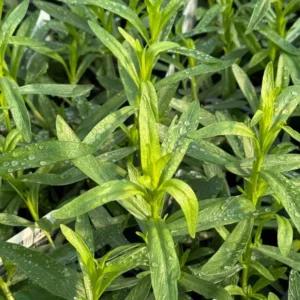
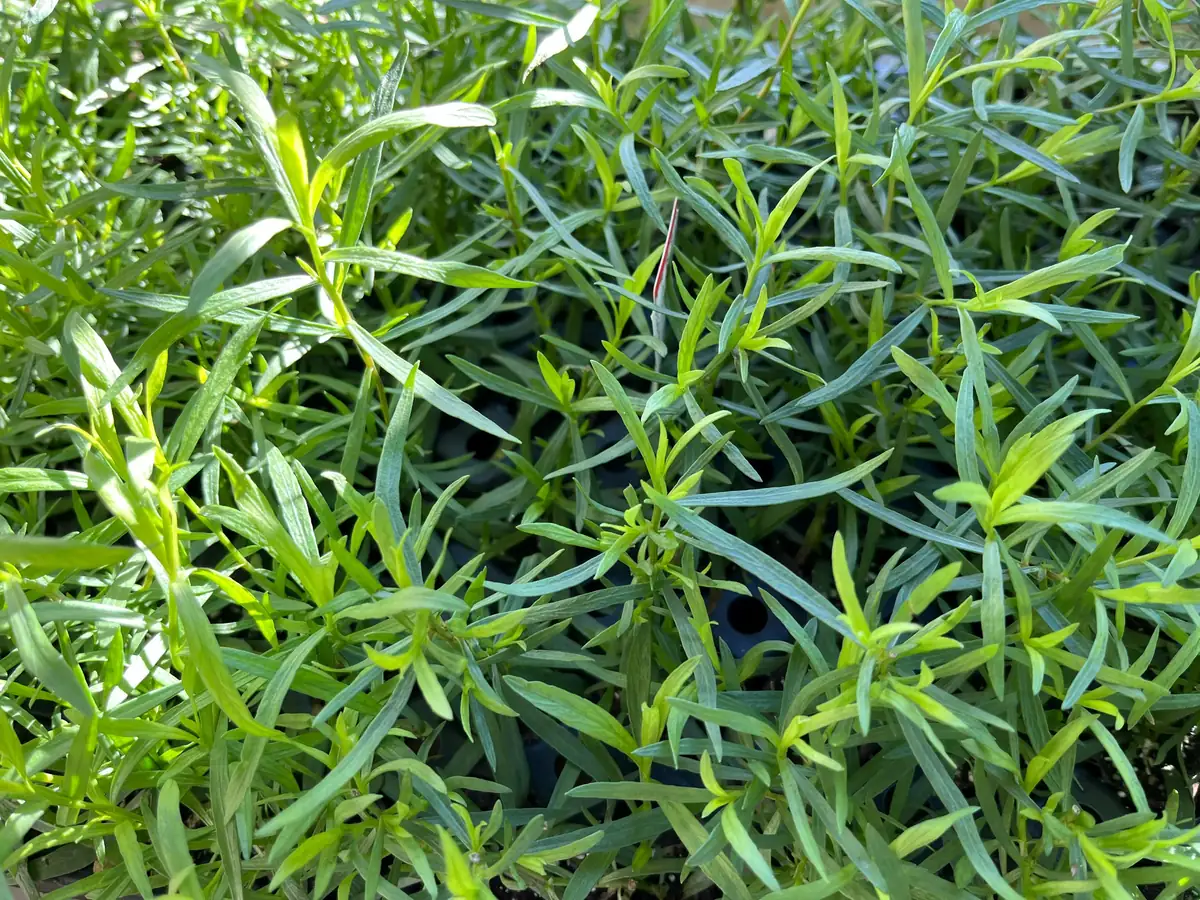
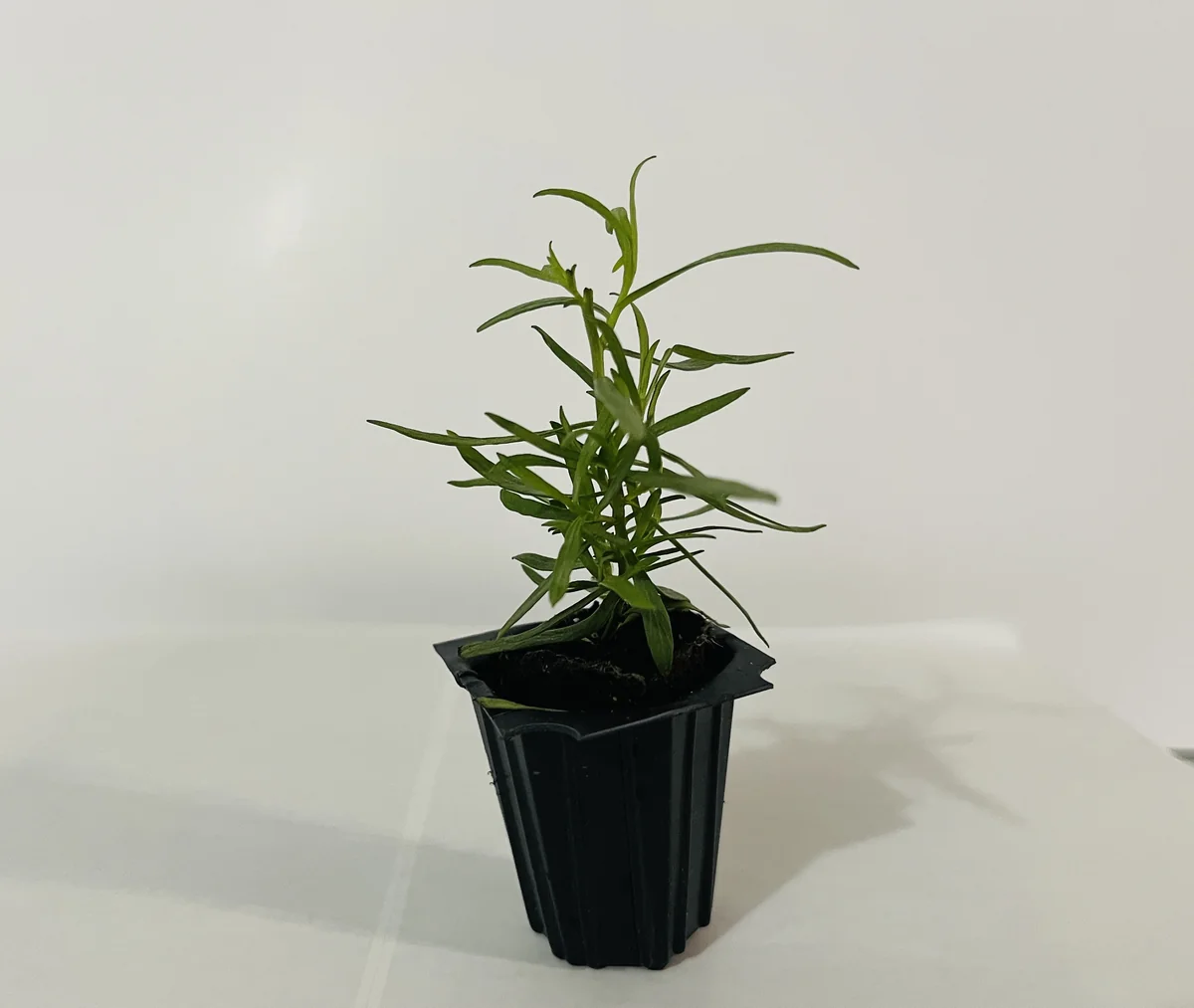
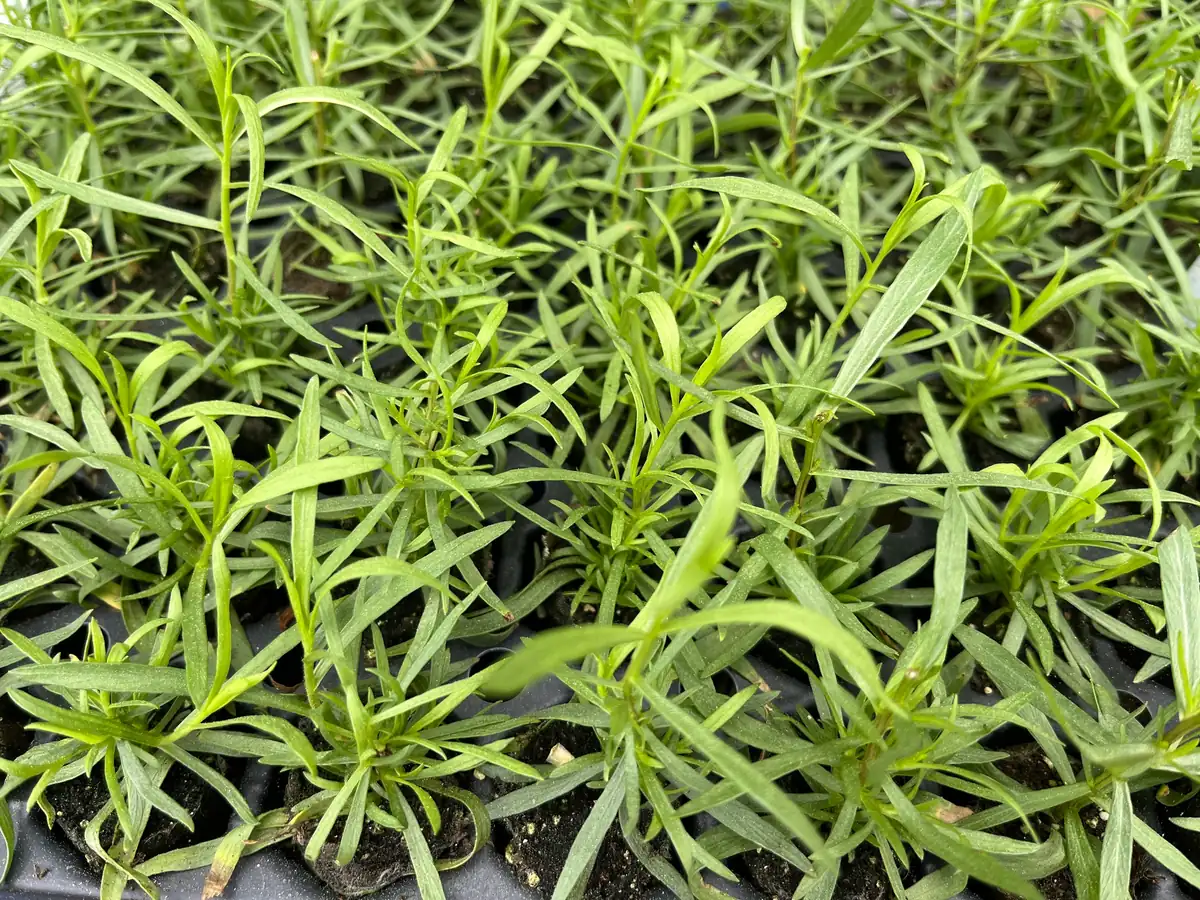
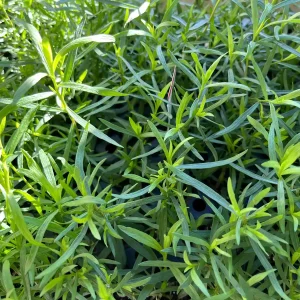
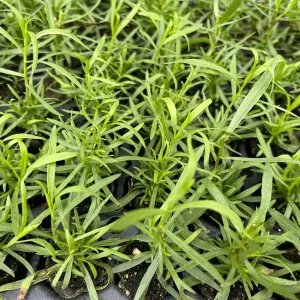
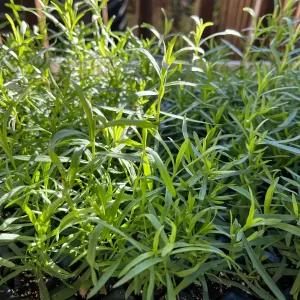
The French Tarragon live plant is not only a culinary delight but also a beautiful addition to your garden. Its slender, dark green leaves are visually appealing and release a subtle fragrance when brushed. Unlike Russian Tarragon, French Tarragon is prized for its superior flavor and is the traditional choice for classic French cuisine, including the famous ‘Fines Herbes’ blend. Growing your own ensures you always have a fresh supply for your favorite recipes, enhancing everything from sauces and soups to meat and vegetable dishes.
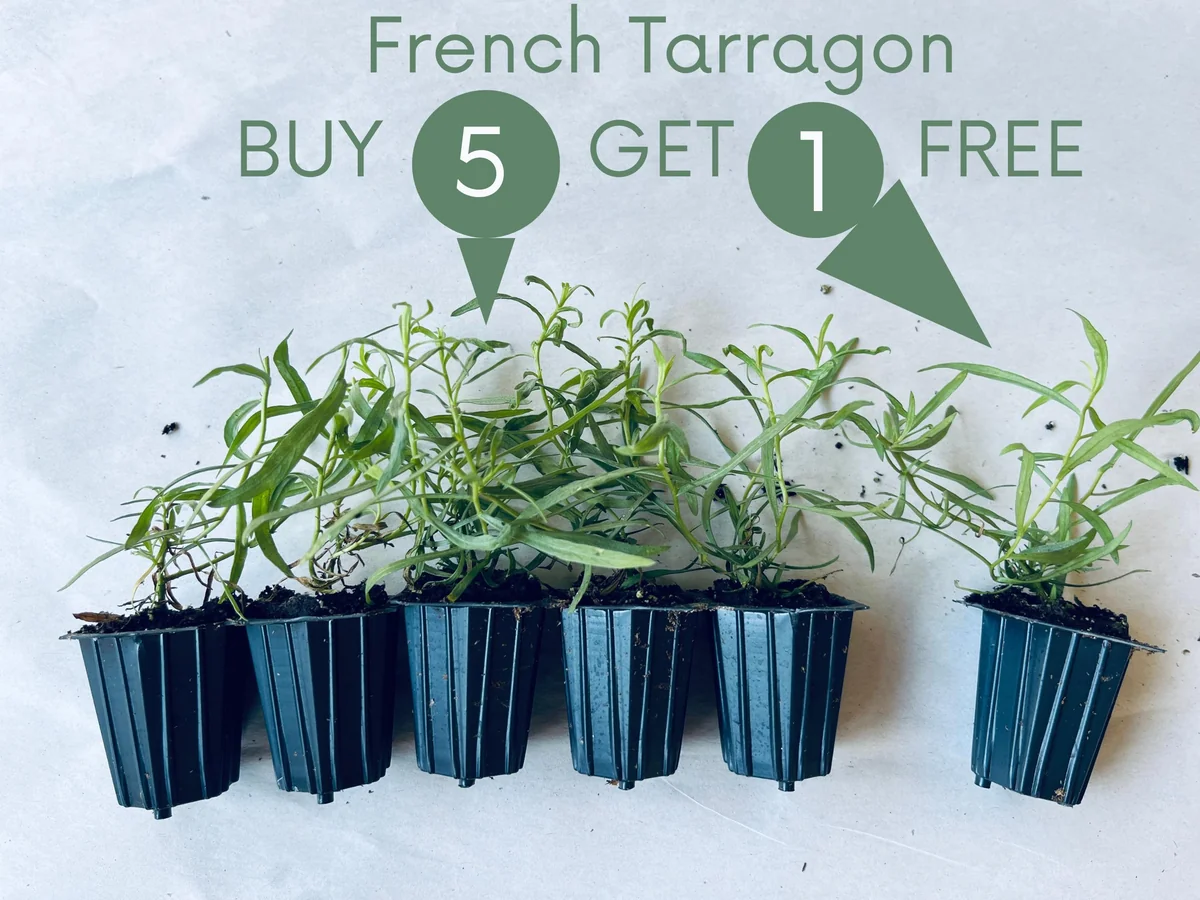
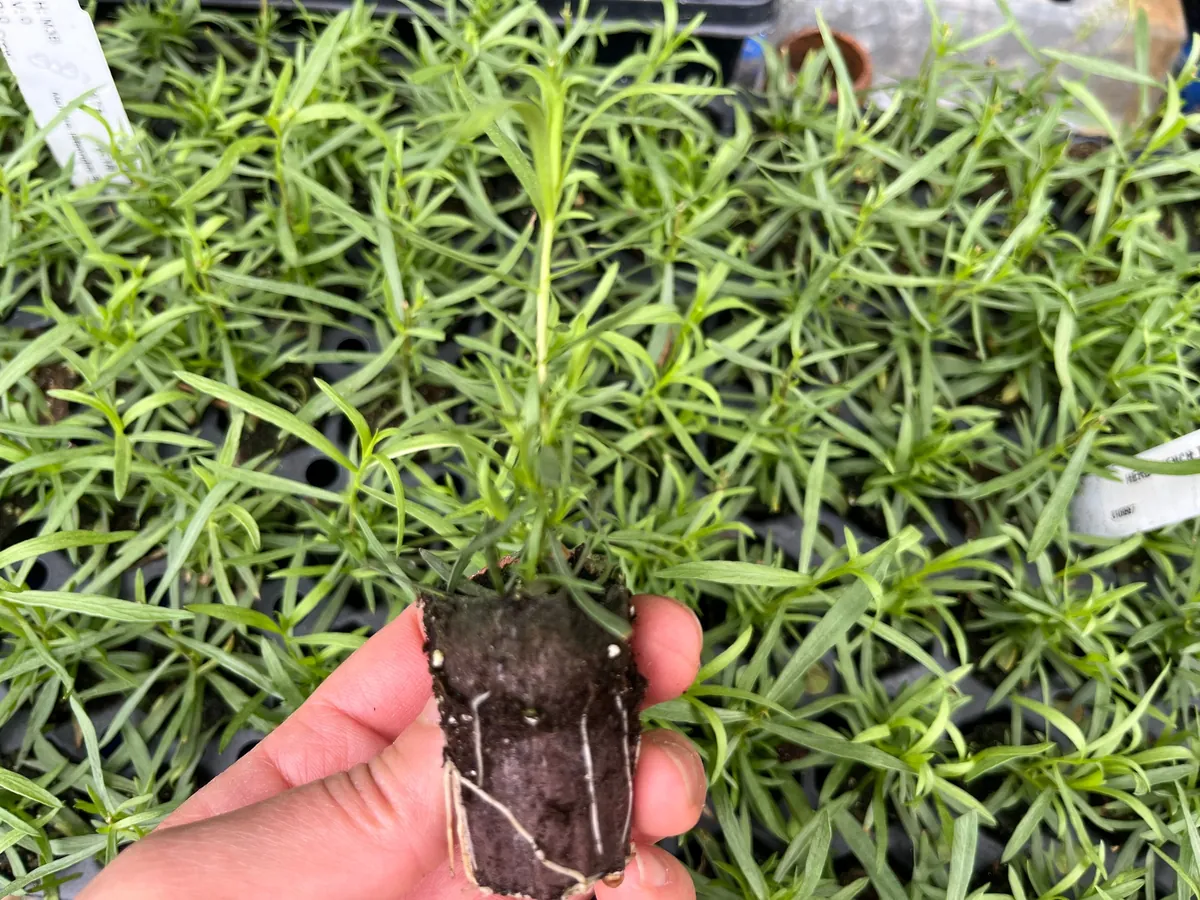
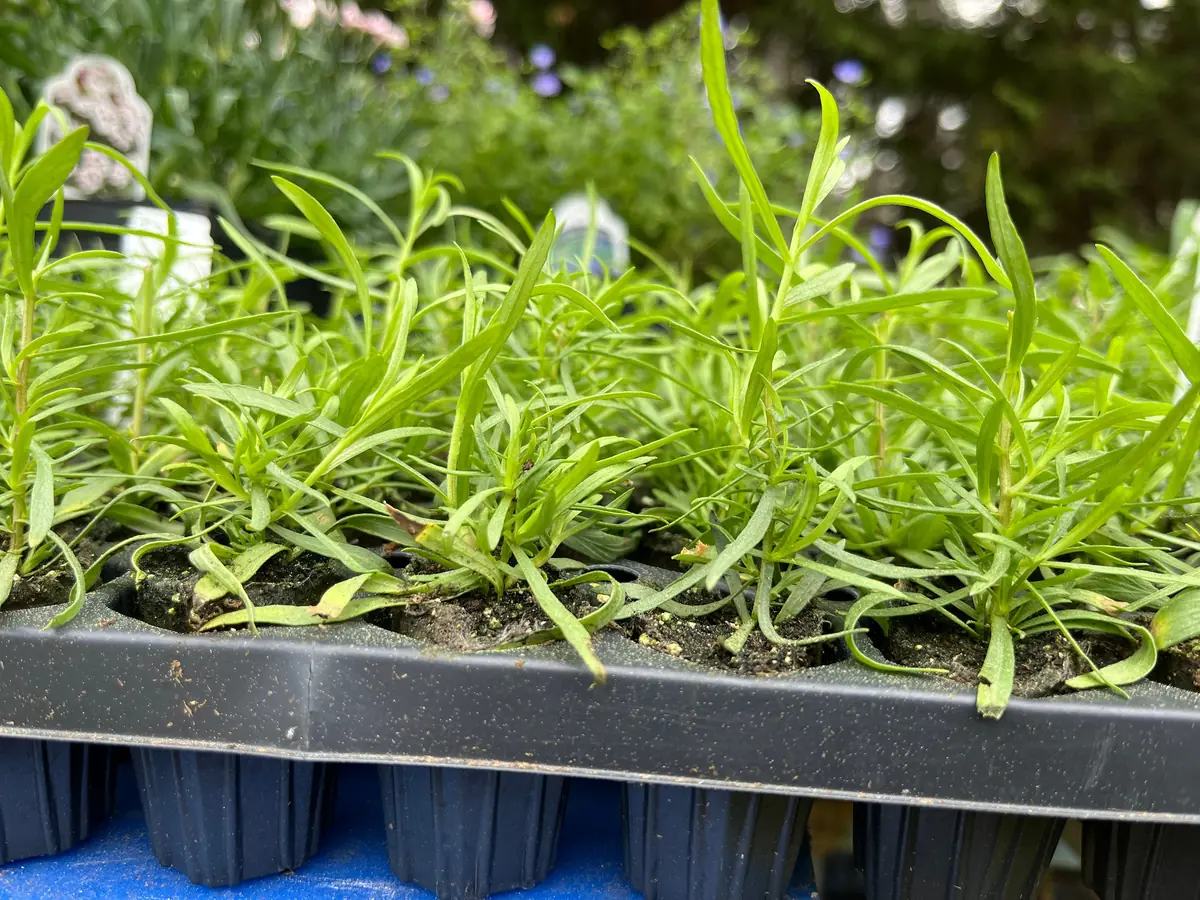
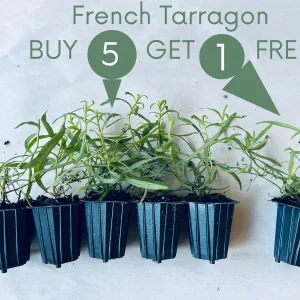
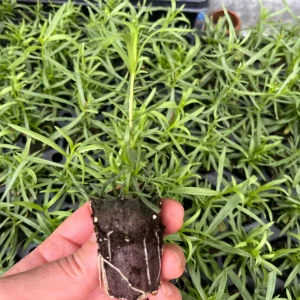
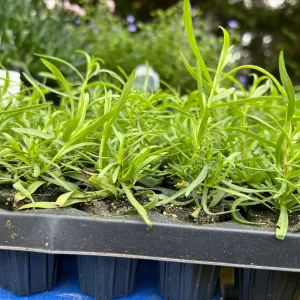
Each seedling is carefully nurtured and shipped in a small plug-size container, ensuring a strong start for your new herb. We focus on providing robust plants with a healthy root system, ready to adapt to their new environment and begin producing flavorful foliage quickly.
Key Benefits
The French Tarragon live plant offers a multitude of benefits, making it an indispensable part of any home garden and kitchen. Its unique properties contribute to both culinary excellence and gardening satisfaction. The ability to grow tarragon indoors or outdoors provides flexibility for various gardening setups.
- Exceptional Culinary Flavor: French Tarragon is renowned for its unique spicy anise-like flavor, which is much more pronounced and refined than other tarragon varieties. It’s perfect for enhancing a wide range of dishes, from delicate fish and poultry to rich sauces and hearty stews.
- Versatile Ingredient: This herb is a cornerstone of classic French cuisine. It pairs wonderfully with chicken, eggs, fish, and vegetables, and is a key ingredient in Béarnaise sauce, tarragon vinaigrette, and the traditional ‘Fines Herbes’ blend. Having fresh tarragon on hand elevates your cooking instantly.
- Aromatic & Ornamental Appeal: Beyond its taste, the French Tarragon live plant adds visual interest and a pleasant aroma to your garden or kitchen window. Its slender green leaves are attractive and contribute to a vibrant herb collection.
- Freshness at Your Fingertips: Growing your own tarragon ensures you have access to the freshest possible leaves, which are far superior in flavor to dried versions. This allows for spontaneous culinary creativity and guarantees peak taste.
- Easy to Grow: While it has specific needs, French Tarragon is relatively easy to maintain once established. With proper care, including adequate sunlight and well-drained soil, it will provide a steady supply of fresh leaves for many seasons. Understanding tarragon plant care is straightforward.
- Supports Healthy Eating: Incorporating fresh herbs like tarragon into your diet adds flavor without extra calories or unhealthy fats, promoting a more wholesome approach to cooking and eating.
- Sustainable Gardening: Cultivating your own herbs reduces reliance on store-bought options, minimizing packaging waste and supporting a more sustainable lifestyle.
Plant Care & Growing Tips
Ensuring the success of your French Tarragon live plant involves understanding its specific needs for sunlight, soil, and watering. French Tarragon thrives in conditions that mimic its native Mediterranean environment. For optimal growth and flavor, it’s crucial to provide the right care. This includes consistent watering, proper soil composition, and strategic placement to maximize sun exposure. Proper tarragon plant care will lead to a bountiful harvest.
Sunlight Requirements: French Tarragon prefers full sun, meaning at least 6-8 hours of direct sunlight per day. If you live in an area with very intense summer sun, particularly in the afternoon, some partial shade during the hottest part of the day can be beneficial to prevent scorching. For those looking to grow tarragon indoors, place it in a south-facing window or under grow lights to ensure it receives sufficient light. Insufficient light can lead to leggy growth and reduced flavor concentration.
Watering Schedule and Soil Moisture: Water your French Tarragon when the top inch of soil feels dry to the touch. It prefers consistently moist but not waterlogged soil. Good drainage is paramount to prevent root rot. Reduce watering in cooler months or if growing indoors, allowing the soil to dry out slightly more between waterings. Overwatering is a common mistake and can quickly harm the plant.
Soil Type and Drainage: French Tarragon thrives in well-drained, sandy loam soil with a neutral to slightly alkaline pH (6.5-7.5). If planting in a pot, use a high-quality potting mix amended with perlite or sand to improve drainage. A porous container, such as terracotta, can also help regulate soil moisture. Avoid heavy clay soils that retain too much water.
Temperature Range and USDA Hardiness Zone: This herb is hardy in USDA zones 4-8. It prefers moderate temperatures and can tolerate light frost. In colder zones, French Tarragon is best grown in containers and brought indoors for the winter, or treated as an annual. In warmer zones, it may benefit from some afternoon shade during peak summer heat. It typically goes dormant in winter and regrows in spring.
Fertilization: French Tarragon is not a heavy feeder. A light application of a balanced, slow-release organic fertilizer in early spring is usually sufficient. Avoid over-fertilizing, especially with high-nitrogen fertilizers, as this can promote lush foliage at the expense of flavor. Regular pruning for harvest will also encourage bushier growth.
Common Problems and Solutions: Tarragon is generally pest-resistant. However, watch out for spider mites, especially in dry, indoor conditions. Improve air circulation and mist the leaves occasionally to deter them. Root rot can occur if soil is too wet; ensure excellent drainage. Yellowing leaves can indicate overwatering or nutrient deficiency. Addressing these issues promptly will ensure a healthy and productive plant.
Size & Details
Our French Tarragon live plant is shipped as a robust seedling, typically arriving in a small plug-size container measuring approximately 1 inch x 1 inch x 1 1/4 inches. Plant sizes may vary slightly due to their natural growth patterns, but each plug is selected for a strong, healthy root system, which is the most critical feature for successful establishment. Upon arrival, the plant will be ready for transplanting into a larger pot or directly into your garden bed, depending on your climate and growing preferences.
When mature, a French Tarragon live plant can reach a height of 18 to 36 inches and spread about 12 to 24 inches wide, forming an attractive, bushy clump. It has a moderate growth rate, establishing itself well within the first growing season. You can begin harvesting leaves once the plant is well-established, usually a few weeks after transplanting. Regular harvesting encourages bushier growth and a continuous supply of fresh leaves. This perennial herb will return year after year in suitable climates, providing many seasons of flavorful harvests for your fresh tarragon uses.
Frequently Asked Questions
- Q: How big does this plant get? A: A mature French Tarragon live plant typically grows to about 18 to 36 inches tall and can spread 12 to 24 inches wide, forming a nice, dense clump. Its size depends on growing conditions and pruning.
- Q: What size pot does it come in? A: Each seedling is shipped in a small plug-size container, approximately 1 inch x 1 inch x 1 1/4 inches, ready for you to transplant into a larger pot or your garden.
- Q: Is this an indoor or outdoor plant? A: French Tarragon can be grown both indoors and outdoors. Outdoors, it thrives in full sun. Indoors, it needs a bright, sunny window or grow lights to flourish. Many gardeners grow tarragon indoors during colder months.
- Q: How much sunlight does it need? A: This plant prefers full sun, ideally 6-8 hours of direct sunlight per day. In very hot climates, a little afternoon shade can be beneficial.
- Q: Is this plant easy to care for? Is it good for beginners? A: French Tarragon is moderately easy to care for. With attention to its sunlight, watering, and soil needs, even beginners can successfully grow this rewarding herb. Following good tarragon plant care practices is key.
- Q: What condition will it arrive in? A: Your plant will arrive as a healthy, live seedling in a plug-size container, with a strong root system. While some minor leaf yellowing can occur during transit due to lack of light, the plant will recover quickly with proper care.
- Q: Can I use French Tarragon in cooking? A: Absolutely! French Tarragon is a highly prized culinary herb, known for its distinctive spicy-anise flavor. It’s excellent in sauces, soups, meat dishes, and salads. Its primary fresh tarragon uses are in gourmet cooking.
- Q: Is it pet-safe? A: While tarragon is generally considered non-toxic to pets in small amounts, large quantities could cause mild digestive upset. It’s always best to keep plants out of reach of curious pets.
- Q: How long until it blooms? A: French Tarragon primarily grows for its foliage. It may produce small, inconspicuous greenish-white flowers in late summer, but these are not the main attraction and are often pinched off to encourage more leaf growth.
- Q: When is the best time to plant? A: The best time to plant French Tarragon outdoors is in spring after the last frost. If growing indoors, it can be planted year-round.
- Q: Will it survive winter in my zone? A: French Tarragon is hardy in USDA Zones 4-8. In colder zones (below 4), it may need to be brought indoors or heavily mulched for winter protection.
- Q: What’s the minimum temperature it can tolerate? A: It can tolerate light frost and temperatures down to about 20-30°F (-6 to -1°C) before needing significant protection. Prolonged freezing temperatures will likely kill it unless protected.


Reviews
There are no reviews yet.