Overview
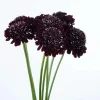
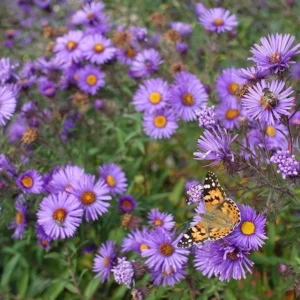
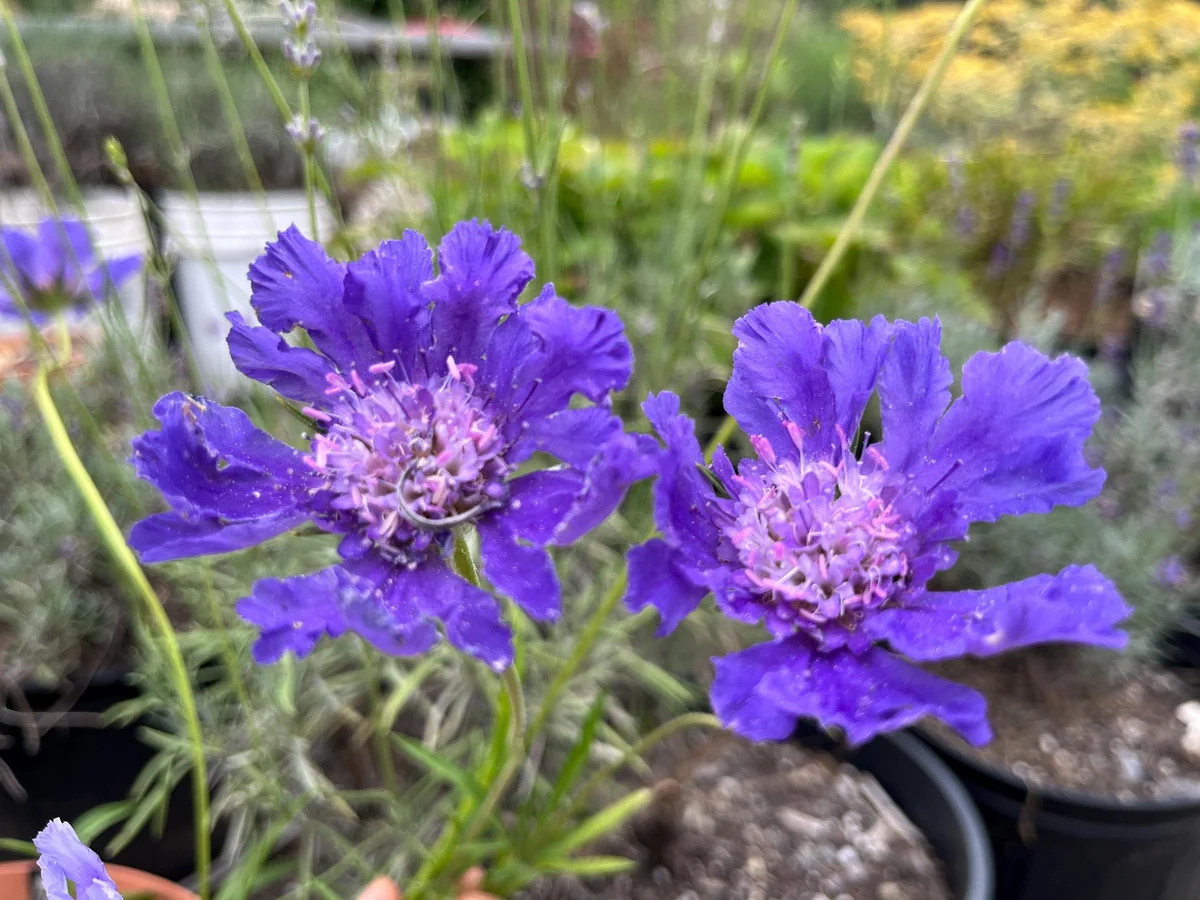
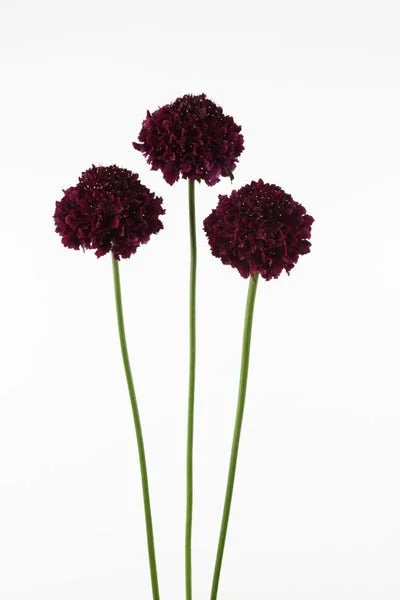
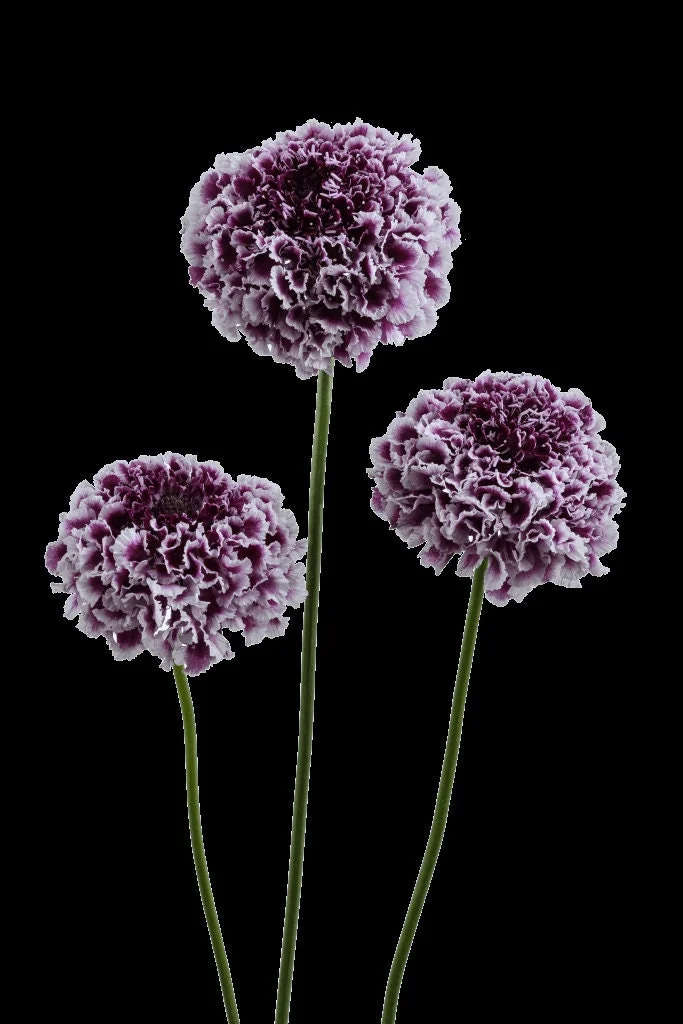
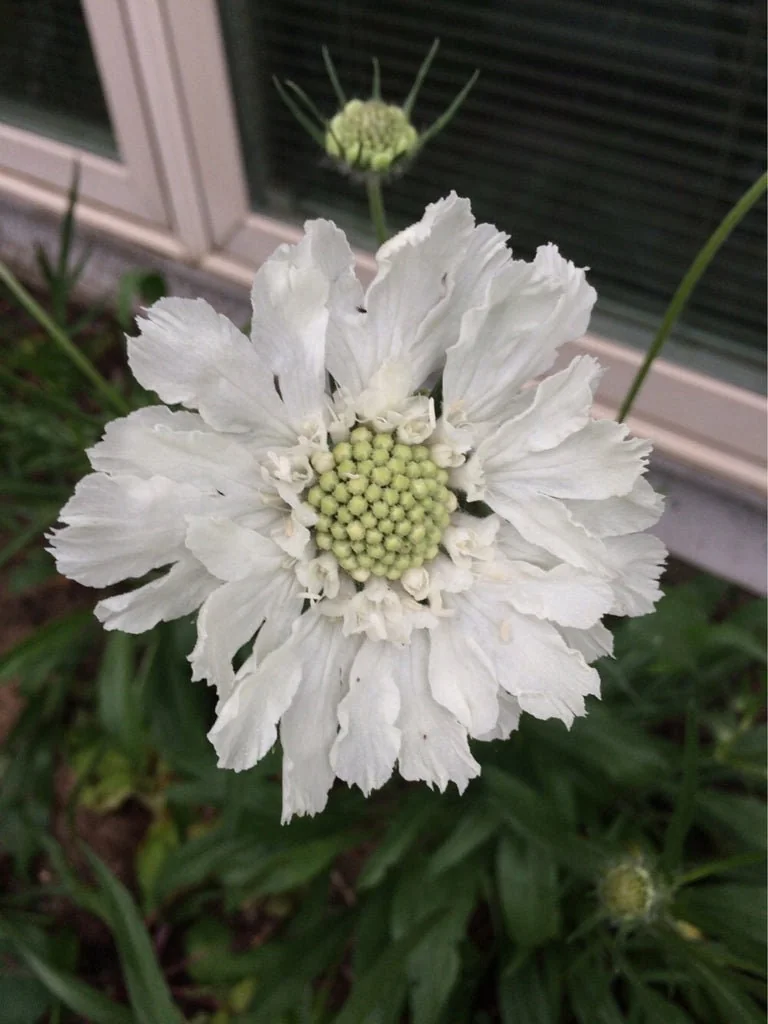
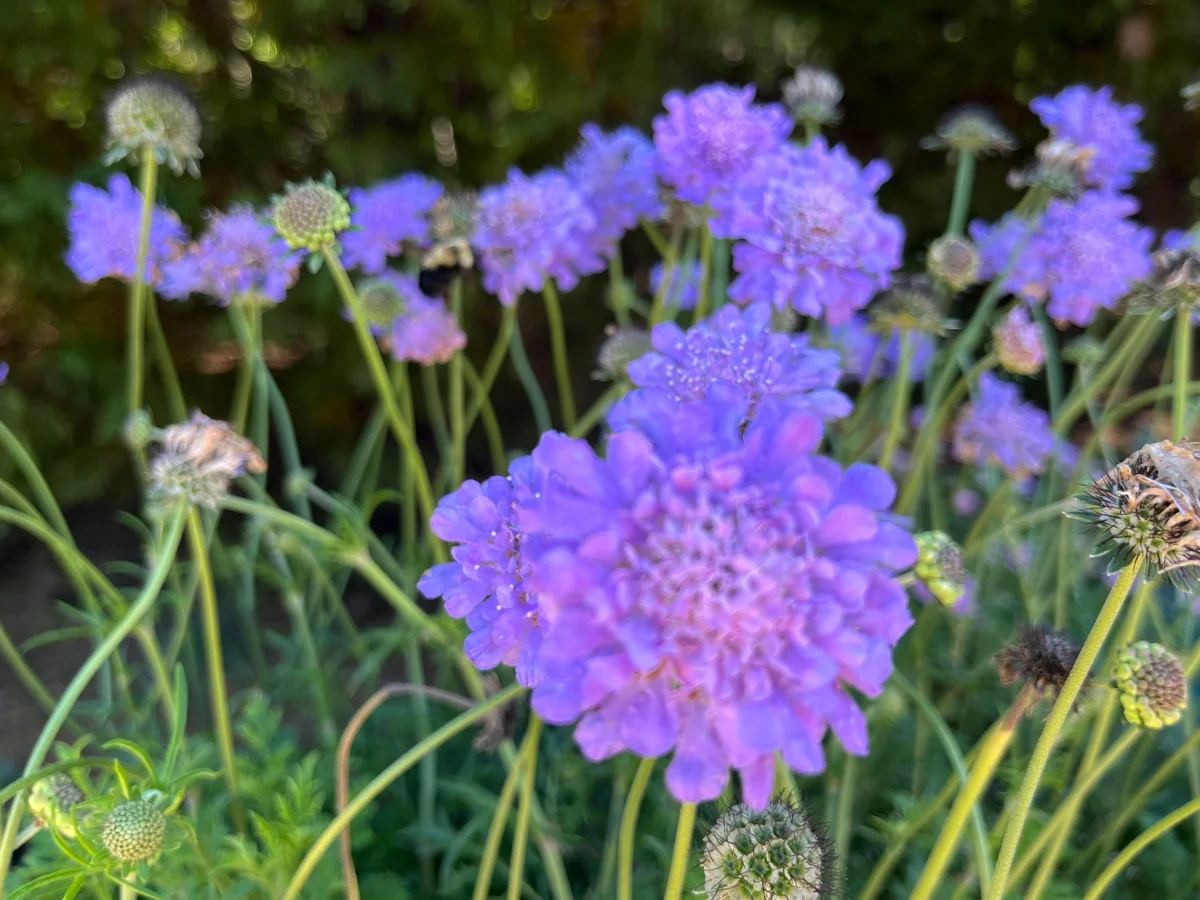
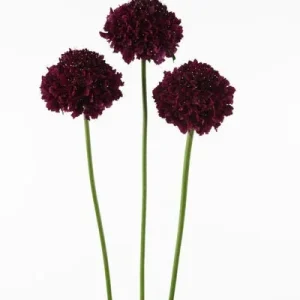
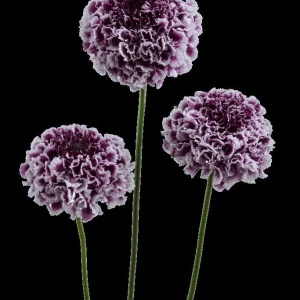
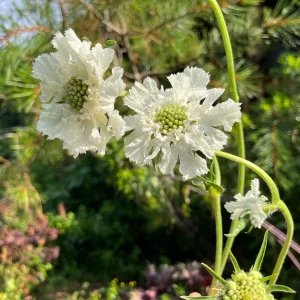
Introduce a touch of elegance and a haven for pollinators to your outdoor space with this vibrant scabiosa live plant. Also commonly known as pincushion flower, Scabiosa is a charming perennial celebrated for its unique, dome-shaped blooms that resemble a pincushion. This delightful flowering plant is a favorite among gardeners seeking to create dynamic and eco-friendly landscapes. Our starter plants arrive healthy and ready to thrive, offering an excellent foundation for a season full of color and activity. Whether you’re designing a cottage garden, a butterfly habitat, or simply adding a beautiful perennial to your existing beds, Scabiosa offers versatility and consistent beauty.
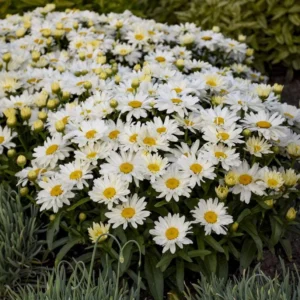
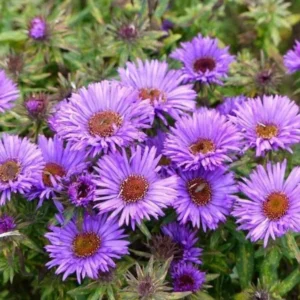
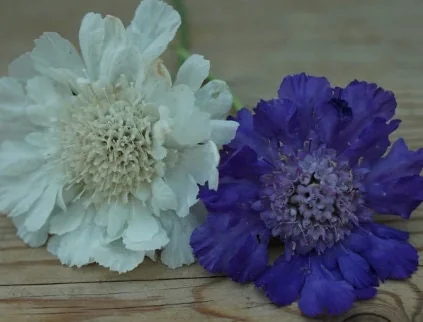
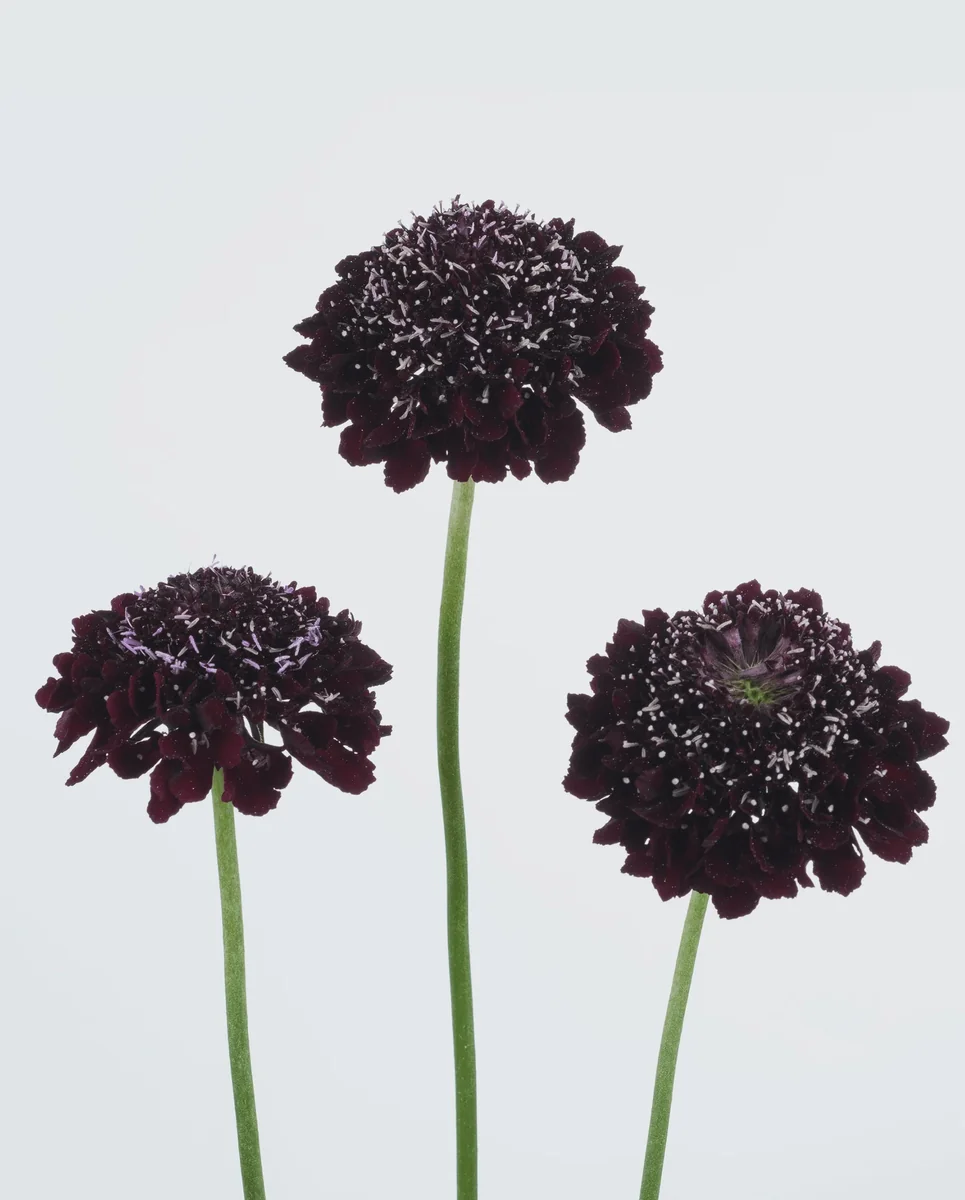
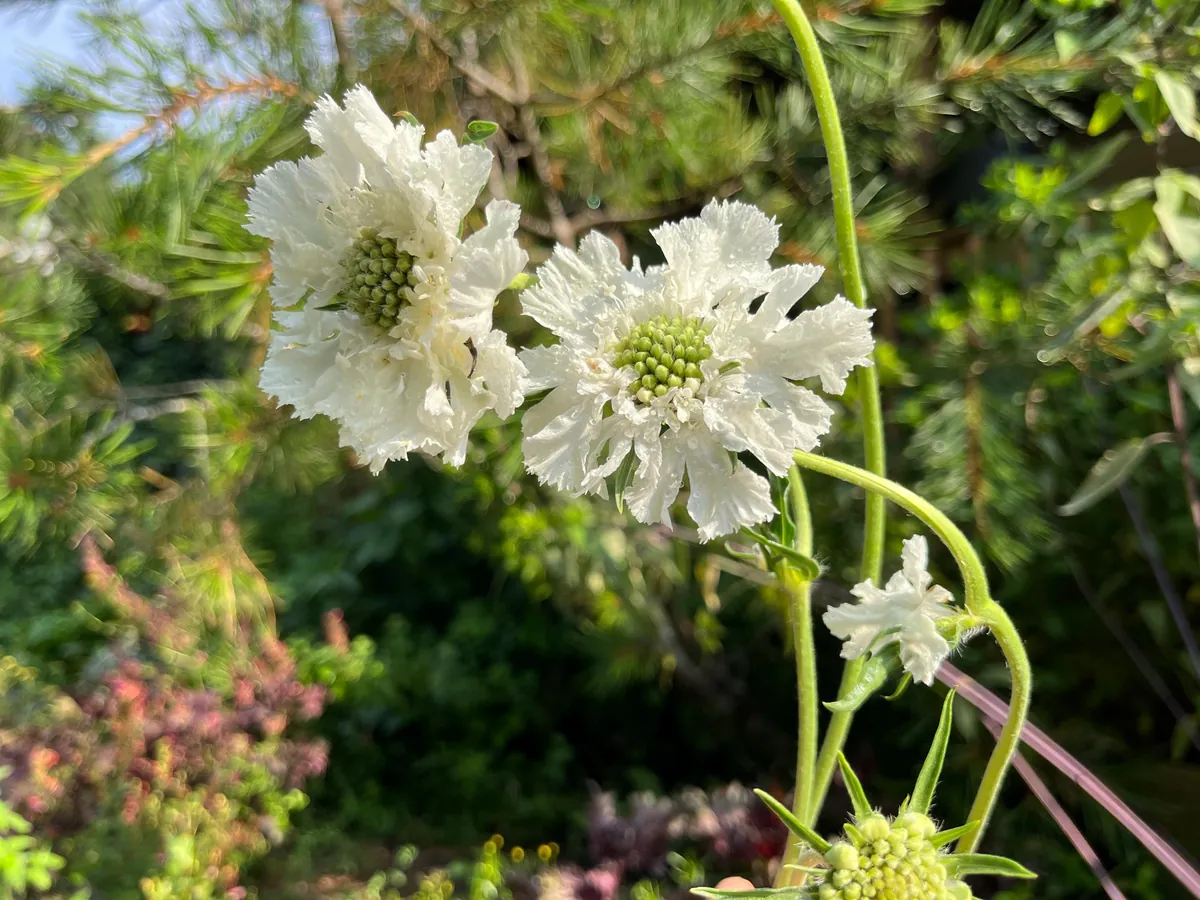
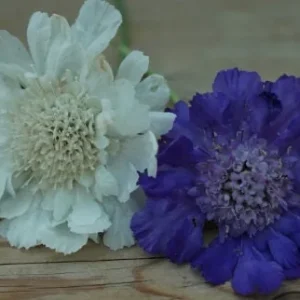
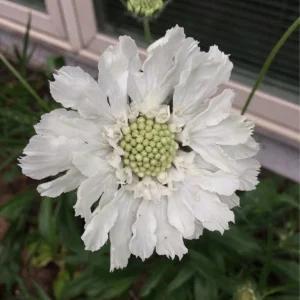
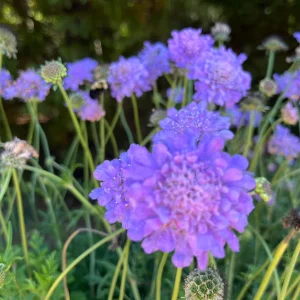
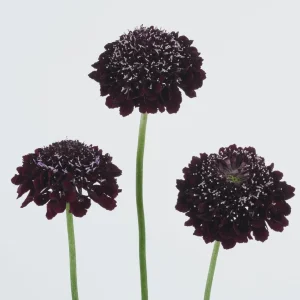
The Scabiosa genus, botanical name Scabiosa, features a wide array of varieties, each bringing its own charm. These plants are known for their long blooming period, often stretching from late spring through fall, providing continuous visual interest and a steady food source for beneficial insects. The delicate yet striking flowers come in various shades, from soft lavenders and blues to deeper purples and white. This makes them excellent for mixing with other perennials and annuals, or for creating captivating cut flower arrangements. Growing these scabiosa live plant specimens is a rewarding experience, as they transform gardens into lively, buzzing ecosystems.
Key Benefits
Adding a Scabiosa pincushion flower to your garden offers numerous advantages, from enhancing aesthetic appeal to supporting local wildlife. These plants are not only beautiful but also incredibly beneficial for the environment and relatively simple to maintain, making them a top choice for a wide range of gardeners.
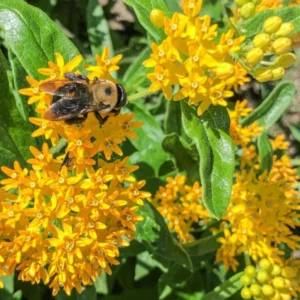
- Attracts Pollinators: The nectar-rich flowers of the scabiosa live plant are a magnet for bees, butterflies, and other essential pollinators, contributing to the biodiversity of your garden. You’ll enjoy watching your garden come alive with activity.
- Extended Bloom Season: Enjoy continuous vibrant blooms from late spring through fall, providing consistent color and beauty in your garden when many other plants have finished flowering. This long season ensures enduring charm.
- Low Maintenance: This hardy perennial is easy to grow and requires minimal attention once established. It’s an excellent choice for both beginner gardeners and those looking for beautiful, hassle-free plants.
- Versatile Garden Use: Ideal for cottage gardens, borders, containers, rock gardens, and cut flower beds. Its adaptable nature allows it to fit seamlessly into various landscape designs.
- Drought-Tolerant: Once established, Scabiosa exhibits good drought tolerance, making it a sustainable choice for water-wise gardening. This reduces the need for frequent watering.
- Excellent Cut Flowers: The unique and elegant blooms make superb additions to fresh floral arrangements, bringing the beauty of your garden indoors. They also have a good vase life.
- Deer Resistant: Generally not favored by deer, offering a good option for gardens in areas where deer browsing is a concern. Enjoy your flowers without worry.
Plant Care & Growing Tips
Ensuring the success of your scabiosa live plant starts with understanding its basic needs for light, water, and soil. Scabiosa thrives in conditions that mimic its natural meadow habitat, preferring plenty of sunlight and well-draining soil. For optimal growth and prolific blooming, plant your Scabiosa in a location that receives full sun to partial shade. In hotter climates, some afternoon shade can be beneficial to prevent stress. Aim for at least 6 hours of direct sunlight daily. The soil pH should ideally range between 6.5 and 8.0, indicating a neutral to slightly alkaline preference.
When it comes to watering, Scabiosa prefers average to medium moisture. It’s crucial to ensure the soil is well-drained, as these plants do not tolerate soggy conditions, which can lead to root rot. Water regularly after planting until the plant is established, then reduce frequency as it becomes more drought-tolerant. Deadheading spent blooms is a key practice for encouraging more flowers and extending the blooming season. Simply snip off the faded flowers at the base of the stem. Fertilization is generally not heavily required; a light application of a balanced, slow-release granular fertilizer in spring can support robust growth. If you’re looking for detailed pincushion flower care, remember that proper drainage is paramount.
This perennial scabiosa is hardy in USDA zones 5-9, meaning it can withstand winter temperatures in these regions and return year after year. Protect from excessive winter wet, especially in colder zones. While generally robust, in hot, humid summers, Scabiosa can occasionally be affected by powdery mildew. Ensuring good air circulation and mulching around plants with well-rotted organic matter can help retain soil moisture and reduce stress. Staking taller varieties might be necessary when they are in full bloom to prevent bending. Following these scabiosa growing tips will ensure a beautiful and healthy display.
Size & Details
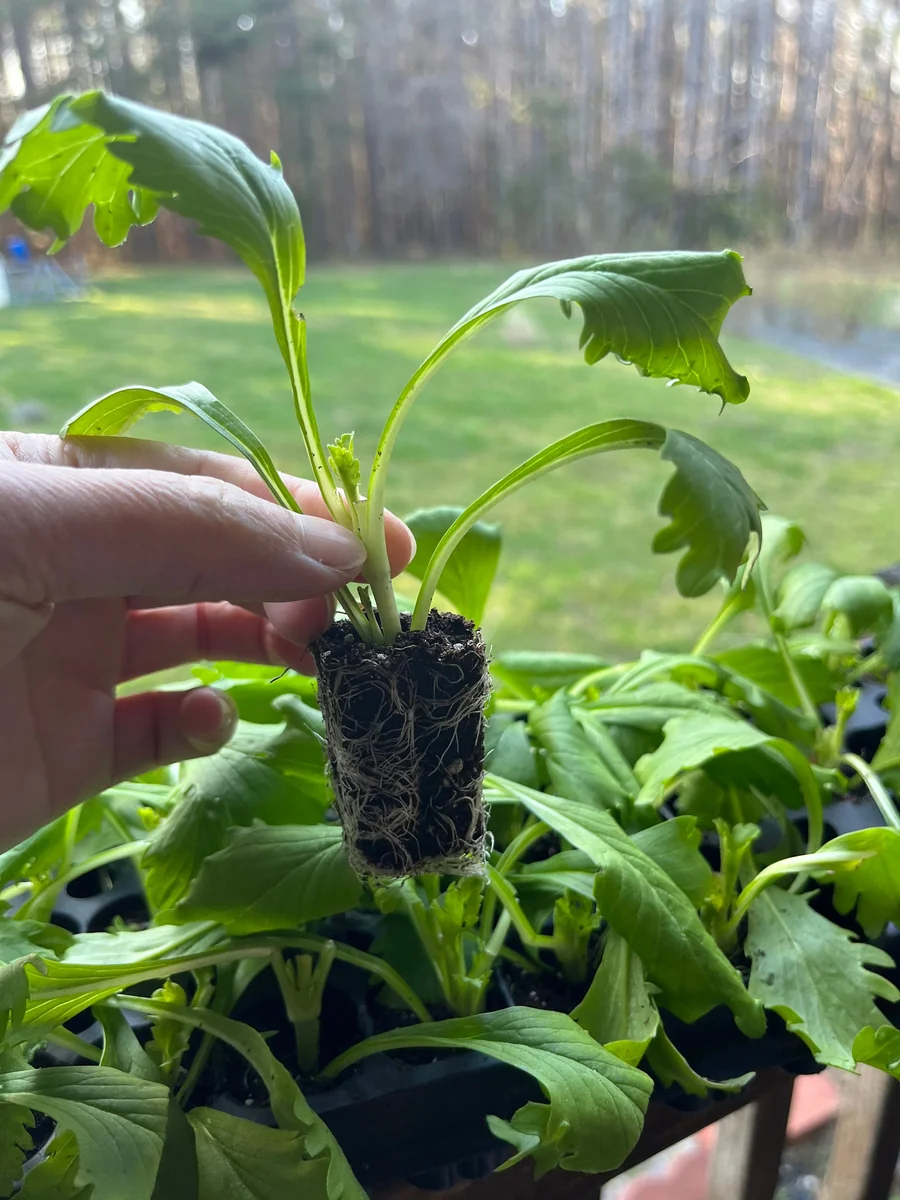
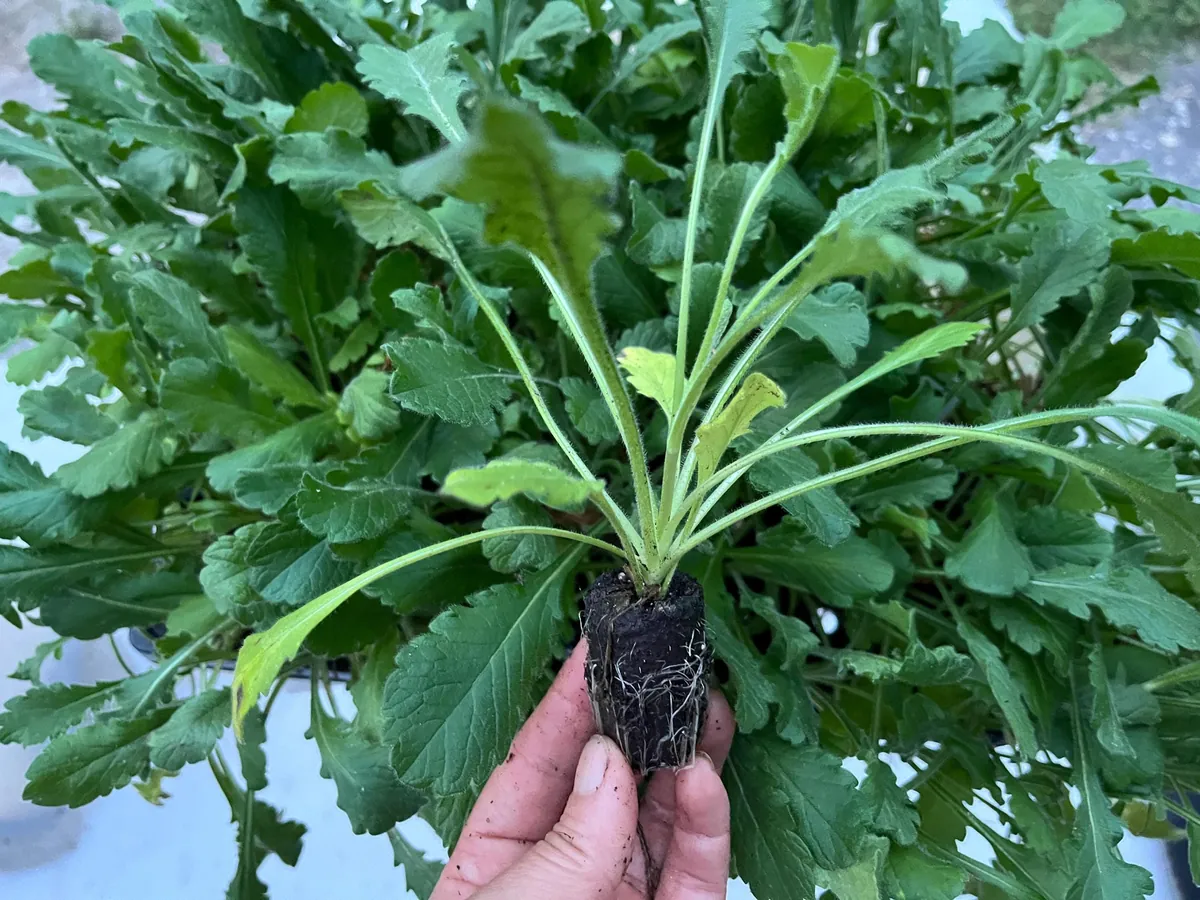
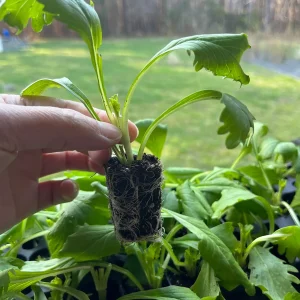
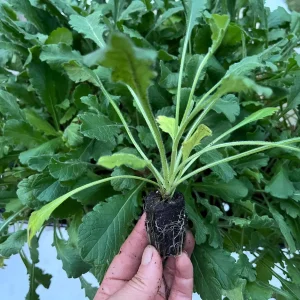
Each scabiosa live plant is a starter seedling grown in a 1 to 1.25-inch nursery plug pot, providing a healthy root system ready for transplanting into your garden. Plant sizes may vary slightly due to natural growth patterns. These hardy perennials are known for their mounding habit and can reach heights of 12-24 inches and widths of 12-18 inches, depending on the variety and growing conditions. They typically bloom from spring through fall, with the heaviest flowering often occurring in late spring to early summer. Expect beautiful, intricate blooms that will attract a variety of pollinators to your garden.
The average bloom size can range from 1.5 to 3.5 inches in diameter, creating a striking visual impact. While some varieties, like ‘Butterfly Blue’, are more compact, others, such as those in the ‘Fama’ series, produce larger, long-stemmed flowers ideal for cutting. This butterfly garden plant will establish itself quickly, providing continuous beauty for many seasons. With proper care, these plants will act as short-lived hardy perennials, ensuring a vibrant display from May until the first frost.
Frequently Asked Questions
- Q: How big does this Scabiosa plant get? A: Your scabiosa live plant typically grows to a height of 12-24 inches and a width of 12-18 inches, depending on the specific variety and growing conditions. Some dwarf varieties may be more compact, while others can be taller.
- Q: Is this an indoor or outdoor plant? A: Scabiosa is primarily an outdoor perennial plant. It thrives in garden beds, borders, and containers where it can receive adequate sunlight and air circulation. It is not generally grown as an indoor houseplant.
- Q: How much sunlight does the pincushion flower need? A: For best results, your pincushion flower care requires full sun exposure, meaning at least 6 hours of direct sunlight per day. In very hot climates, it can tolerate partial shade, especially during the intense afternoon hours.
- Q: Is this plant easy to care for? A: Yes, this perennial scabiosa is considered low-maintenance and easy to grow, making it suitable for both beginner and experienced gardeners. It’s drought-tolerant once established and generally pest-resistant.
- Q: What condition will it arrive in? A: Your Scabiosa will arrive as a healthy starter plant in a 1 to 1.25-inch nursery plug pot, with a well-developed root system, ready for planting. We ensure careful packaging for safe transit.
- Q: When is the best time to plant Scabiosa? A: The best time to plant your scabiosa live plant is in the spring after the last frost, or in early fall. This allows the plant time to establish its roots before extreme temperatures set in.
- Q: Will Scabiosa attract butterflies and bees? A: Absolutely! Scabiosa, also known as the butterfly garden plant, is renowned for its nectar-rich flowers that are highly attractive to butterflies, bees, and other beneficial pollinators, making it an excellent choice for a pollinator-friendly garden.
- Q: What kind of soil does Scabiosa prefer? A: Scabiosa thrives in average to medium moisture, well-drained soils. It prefers a soil pH between 6.5 and 8.0. Good drainage is crucial to prevent root issues.
- Q: What are some good scabiosa growing tips for continuous blooms? A: To encourage continuous blooming, regularly deadhead spent flowers. This prevents the plant from putting energy into seed production and instead promotes new flower growth.
- Q: Is Scabiosa deer resistant? A: Yes, Scabiosa is generally considered deer-resistant, meaning deer tend to leave it alone compared to other plants, making it a good choice for gardens in areas with deer.


Reviews
There are no reviews yet.