

Overview
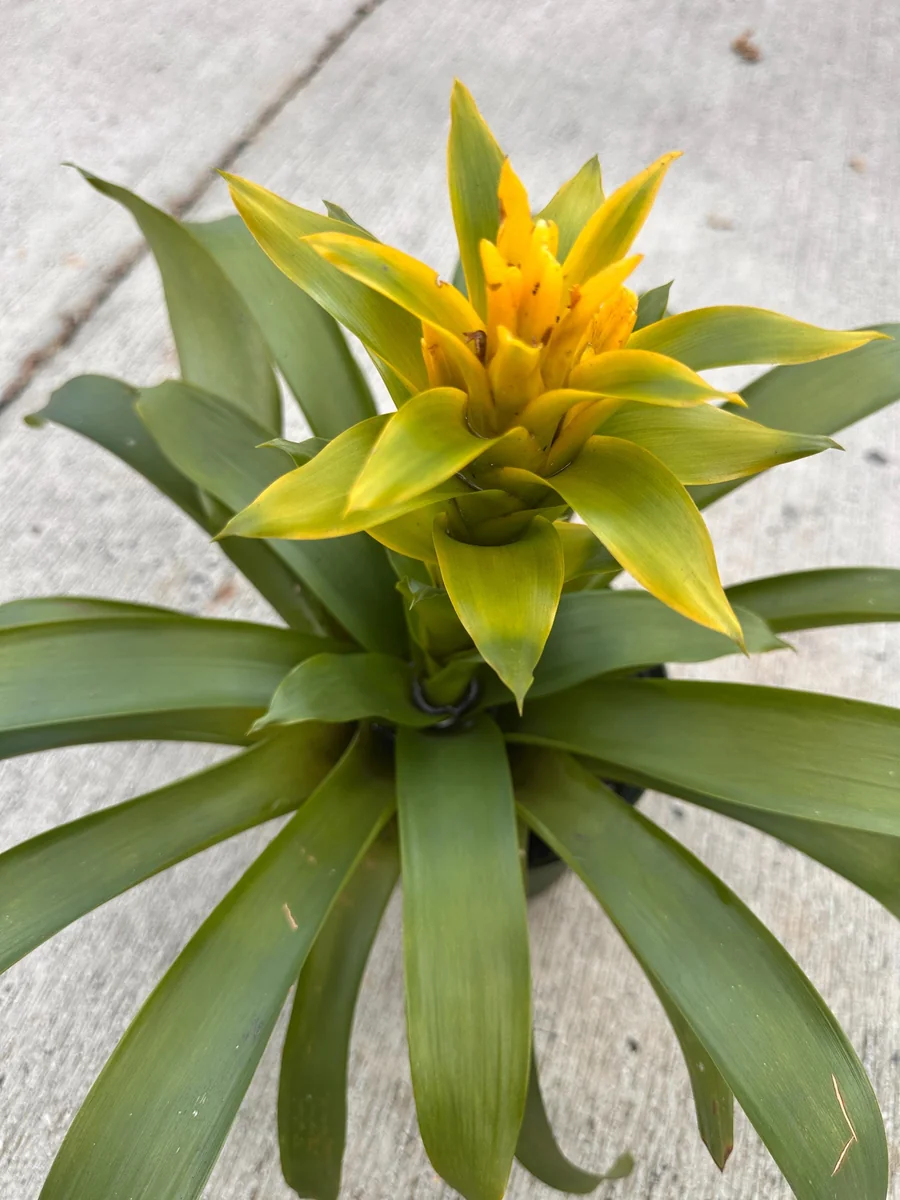
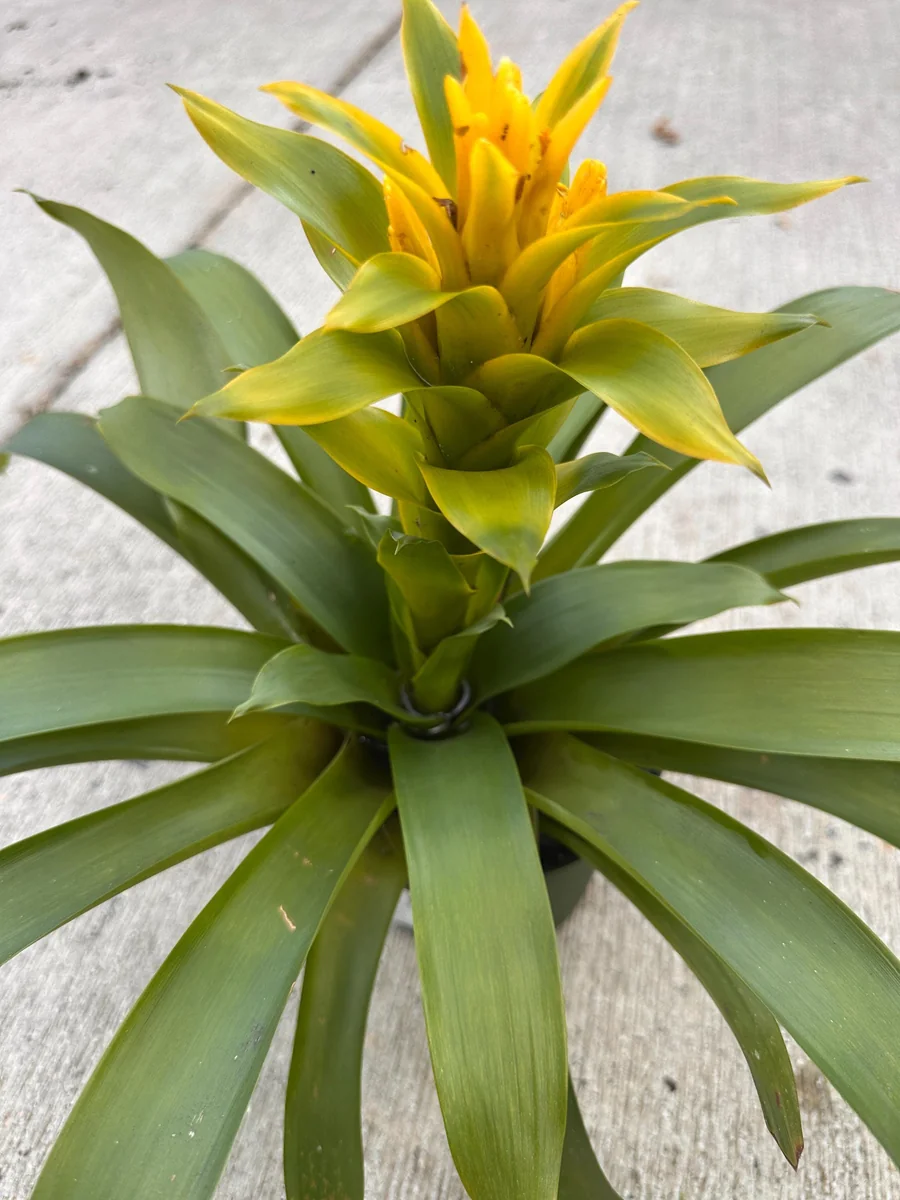
The yellow bromeliad live plant is a spectacular choice for gardeners looking to add a splash of radiant color and exotic appeal to their outdoor spaces. Known for its striking, long-lasting yellow bracts and lush green foliage, this live plant brings a tropical ambiance wherever it’s placed. Bromeliads are epiphytic plants, meaning they naturally grow on other plants, but they adapt beautifully to pot culture or can be mounted in garden settings. This particular variety is celebrated for its brilliant yellow hues, which can brighten up any patio, deck, or garden bed. Easy to care for and visually stunning, the yellow bromeliad live plant is a fantastic addition for both novice and experienced plant enthusiasts.
Originating from tropical and subtropical regions of the Americas, bromeliads are incredibly diverse, with thousands of species. The yellow bromeliad, often a Guzmania or Aechmea variety, is admired for its resilience and ability to thrive in outdoor conditions, especially when provided with ample sunlight. Its architectural form and vibrant coloration make it a focal point in any plant collection or landscape design. Whether you’re creating a tropical oasis or simply want a low-maintenance, high-impact plant, this yellow bromeliad is an excellent selection.
Key Benefits
Adding a yellow bromeliad live plant to your collection offers numerous advantages, enhancing your living space with its unique charm and easy-care nature. These plants are not only beautiful but also resilient, making them a favored choice for many.
- Vibrant Aesthetic Appeal: The most striking feature of the yellow bromeliad is its brilliant, long-lasting yellow inflorescence, which provides a dramatic and exotic focal point in any garden or landscape. Its rich color can instantly uplift the mood of an outdoor area.
- Low Maintenance: This outdoor bromeliad is remarkably easy to care for, requiring minimal attention once established. It’s an excellent choice for busy gardeners or those new to plant care, as it tolerates a range of conditions.
- Drought Tolerance: Bromeliads are well-adapted to periods of dryness, storing water in their central cup (tank). This makes them a relatively drought-tolerant plant, reducing the frequency of watering needed compared to many other tropical plants.
- Versatile Outdoor Plant: Perfect for patios, decks, garden beds, or even mounted on trees, the yellow bromeliad adds a tropical touch wherever it’s placed. Its adaptability allows for creative display options in various outdoor settings.
- Long-Lasting Blooms: Unlike many flowering plants, the colorful bracts of a bromeliad can last for several months, providing extended periods of vibrant color and interest in your garden. This ensures continuous beauty for a significant portion of the growing season.
- Air Purification: While primarily an outdoor plant, bromeliads are known to help purify the air by absorbing pollutants, contributing to a healthier environment around your home.
- Attracts Pollinators: The bright colors of the bromeliad can attract beneficial pollinators like hummingbirds and certain insects, contributing to the biodiversity of your garden.
Plant Care & Growing Tips
Caring for your yellow bromeliad live plant is straightforward, especially since it’s a sun-loving variety. To ensure your plant thrives and displays its most vibrant colors, follow these guidelines. The most crucial aspect for an outdoor bromeliad is providing adequate sunlight. It prefers bright, indirect light to partial shade, but this particular yellow variety is noted as a ‘sun plant,’ meaning it can tolerate and even thrive in more direct sun for several hours a day, especially morning sun. However, avoid intense, scorching afternoon sun, which can burn the leaves. A location with dappled sunlight or morning sun and afternoon shade is often ideal to maintain the vibrancy of its yellow bracts and prevent leaf damage.
When it comes to watering, bromeliads are unique. They absorb water through their central cup (or tank) formed by their leaves, as well as through their roots. Keep the central cup filled with fresh, clean water, flushing it out weekly to prevent stagnation and mosquito larvae. The soil should be kept consistently moist but never soggy. Ensure excellent drainage to prevent root rot. A well-draining potting mix, such as one formulated for orchids or bromeliads, is ideal. These plants are generally hardy in USDA zones 9-11, preferring temperatures above 50°F (10°C). In cooler climates, they can be grown as annuals outdoors or brought indoors during winter.
Fertilization is minimal for bromeliads. You can use a balanced liquid fertilizer diluted to half or quarter strength, applied to the soil once every 2-4 months during the growing season (spring and summer). Alternatively, a slow-release granular fertilizer can be sparingly applied to the soil surface. Avoid pouring fertilizer directly into the central cup, as this can burn the plant. Proper bromeliad care also involves occasional cleaning of the central cup and removing any dead leaves to maintain plant health and appearance. With these simple steps, your sun loving bromeliad will flourish and provide stunning color for months.
Size & Details
This offering is for 1 plant of a vibrant yellow bromeliad live plant. Typically, these bromeliads are shipped as mature or near-mature plants, ready to display their brilliant yellow inflorescence. While specific dimensions can vary, you can generally expect the plant to be between 12 to 18 inches tall from the base to the tip of the bloom and have a spread of 10 to 15 inches. It will arrive in a nursery pot, usually around 4-6 inches in diameter, providing a healthy root system for easy transplanting into your desired outdoor container or garden bed. The growth rate is moderate, and the colorful bracts can last for several months, often up to six months or more under optimal conditions.
Bromeliads are known for their relatively compact size, making them suitable for various garden applications, from container gardening on patios to mass plantings in tropical landscapes. While the main plant will eventually decline after flowering, it will typically produce ‘pups’ or offsets at its base, which can be separated and grown into new plants, ensuring you can enjoy these beautiful bromeliads for years to come. This makes the bromeliad for sale an excellent long-term investment for your garden’s aesthetic.
Frequently Asked Questions
- Q: How big does this yellow bromeliad get? A: This yellow bromeliad live plant typically grows to about 12-18 inches tall with a spread of 10-15 inches. Its overall size can vary slightly depending on growing conditions and specific variety.
- Q: Is this an indoor or outdoor plant? A: This particular variety is described as a ‘sun plant for outdoors.’ It thrives in outdoor conditions, especially in bright, indirect light to partial sun. In regions with cold winters, it can be brought indoors or treated as an annual.
- Q: How much sunlight does the yellow bromeliad need? A: This sun loving bromeliad prefers bright, indirect light or partial sun for several hours a day. While it can tolerate some direct sun, especially morning sun, avoid intense, scorching afternoon sun to prevent leaf burn.
- Q: Is this plant easy to care for? A: Yes, the outdoor bromeliad is considered low maintenance. Its unique watering needs (filling the central cup) and tolerance for some drought make it a relatively easy plant for both beginners and experienced gardeners.
- Q: How often should I water my yellow bromeliad? A: Keep the central cup filled with fresh water, flushing it weekly. Water the soil when the top inch feels dry, ensuring it remains consistently moist but not waterlogged.
- Q: What condition will it arrive in? A: Your yellow bromeliad live plant will arrive in a healthy, established state, typically in a nursery pot, ready for planting or display. We take care to ensure safe and secure packaging.
- Q: When is the best time to plant this bromeliad? A: For outdoor planting, spring to early summer is ideal, once all danger of frost has passed. If growing indoors, it can be planted any time of year.
- Q: What type of soil is best for bromeliads? A: A well-draining potting mix is crucial. An orchid mix or a blend specifically designed for bromeliads, which provides good aeration and drainage, is recommended for optimal bromeliad care.
- Q: Will it survive winter in my zone? A: This bromeliad is hardy in USDA zones 9-11. If you live in a colder zone, you’ll need to protect it from frost or bring it indoors during the winter months.
- Q: Can I propagate new plants from my yellow bromeliad? A: Yes, after the main plant finishes blooming and begins to decline, it will produce ‘pups’ or offsets at its base. These can be carefully separated and grown into new bromeliad for sale plants.


Reviews
There are no reviews yet.