Overview
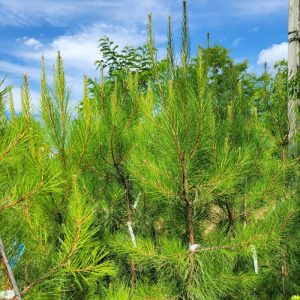
Bring the timeless beauty and bounty of nature to your garden with these two Chinese Chestnut tree bare-root plants. The Castanea Mollissima, as it’s scientifically known, is a highly valued species renowned for its delicious, sweet, and easily peeled nuts. Unlike many other chestnut varieties, the Chinese Chestnut tree boasts superior resistance to chestnut blight, making it a reliable and long-lasting addition to your property. These bare-root specimens provide an economical and effective way to establish a thriving orchard or simply add a magnificent shade tree that also produces a valuable food source. Growing to an impressive size, these trees offer both aesthetic appeal and practical benefits, becoming a cherished part of your landscape for generations.
Key Benefits
Investing in a Chinese Chestnut tree offers a multitude of advantages for gardeners and homeowners alike:
- Blight Resistance: One of the most significant benefits of the Castanea Mollissima is its natural resistance to chestnut blight, a devastating disease that has wiped out many native American chestnut populations. This ensures your tree has a much higher chance of thriving and producing fruit for many years.
- Delicious Edible Nuts: The primary draw of the Chinese Chestnut is its sweet, flavorful nuts, which are highly prized for roasting, baking, or eating fresh. They are a healthy and versatile food source, offering a rich, buttery taste.
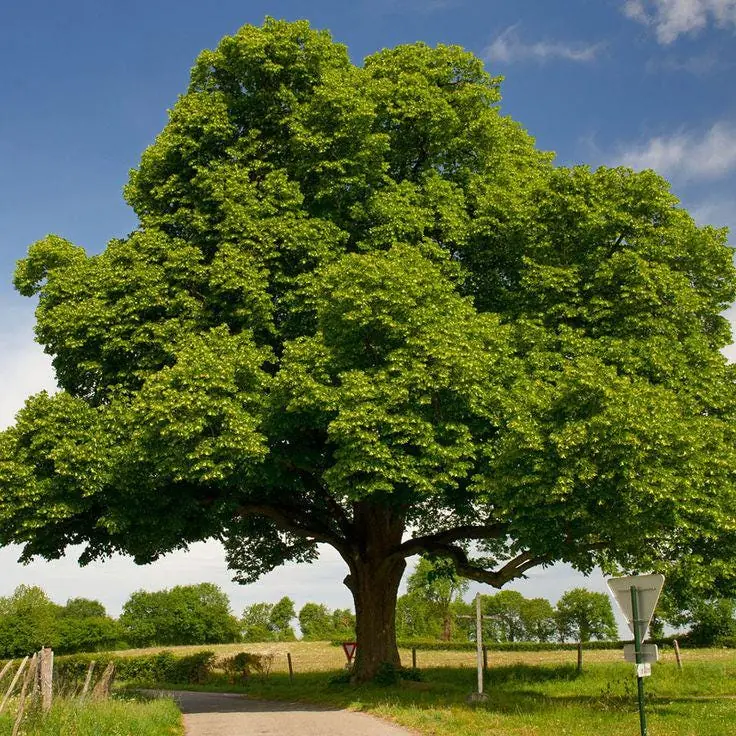
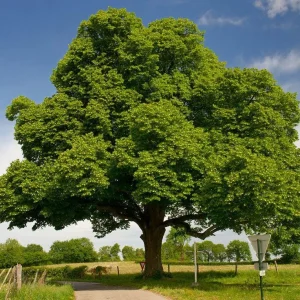
- Fast Growth & Large Size: These trees are known for their relatively fast growth rate and can reach considerable heights of 35-40 feet and widths of 40-50 feet. This makes them excellent for providing ample shade and a grand presence in your landscape.
- Wildlife Attractor: The nuts produced by the Chinese Chestnut tree are a favorite food source for deer, squirrels, and other wildlife, making your property a haven for local fauna and enhancing biodiversity.
- Landscape Value: Beyond their edible yield, Chinese Chestnut trees are beautiful ornamental specimens. They feature attractive foliage, a rounded and moderately dense canopy, and furrowed bark that adds character to your garden.
- Adaptability: While they prefer certain conditions, these trees are generally adaptable to a range of soil types and climates, making them a suitable choice for many regions.
- Long Lifespan: With proper care and their inherent disease resistance, Castanea Mollissima can live for many decades, providing a lasting legacy and continuous harvests.
Plant Care & Growing Tips
Caring for your Chinese Chestnut tree bare-root plants is straightforward, ensuring they grow into strong, productive specimens. These trees thrive in full sun, requiring at least 6-8 hours of direct sunlight daily for optimal growth and nut production. When planting, choose a location with well-draining soil, as chestnuts do not tolerate soggy conditions. A slightly acidic to neutral pH (5.5-7.0) is ideal. Dig a hole wide enough to accommodate the root system without bending, and ensure the graft union (if present) is above the soil line. Water thoroughly after planting.
During the first year, consistent watering is crucial, especially during dry spells, to help the root system establish. Aim for deep watering 1-2 times per week, depending on rainfall and soil moisture. Once established, the Castanea Mollissima is relatively drought-tolerant but will benefit from supplemental watering during prolonged dry periods. Fertilize in early spring with a balanced, slow-release fertilizer designed for trees, following package instructions. Pruning should focus on removing dead, damaged, or crossing branches to maintain a strong central leader and good air circulation. Protect young trees from deer browsing, as they can be quite fond of the tender new growth. Monitoring for pests and diseases is important, though the disease resistant chestnut is less susceptible to common chestnut blights.
Size & Details
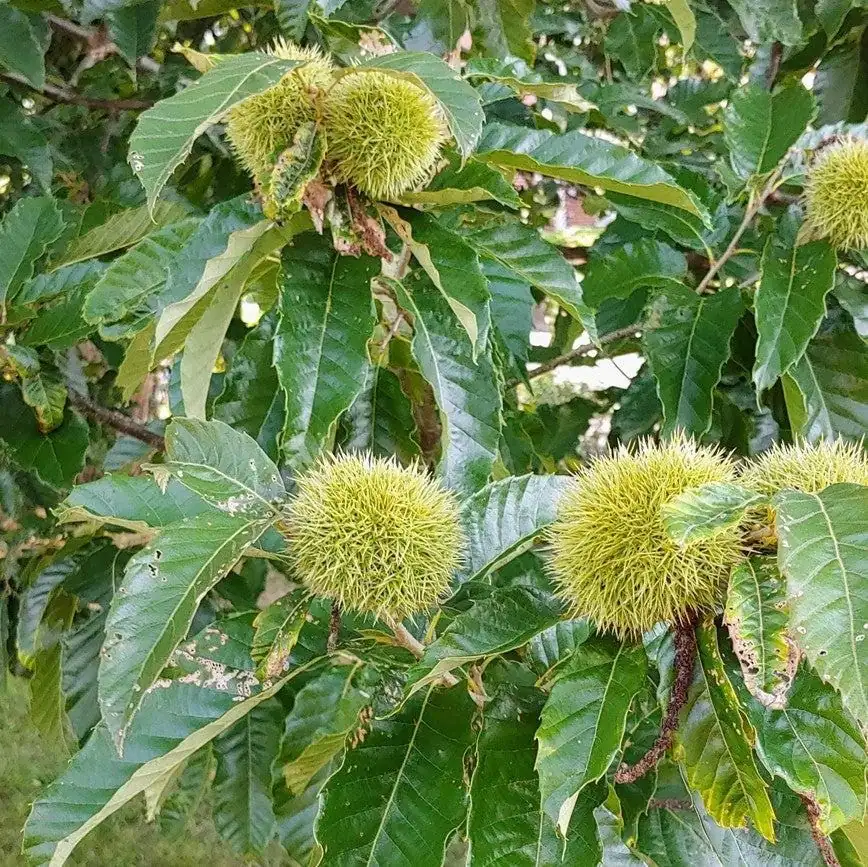
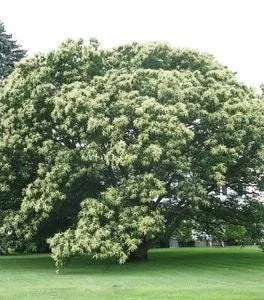
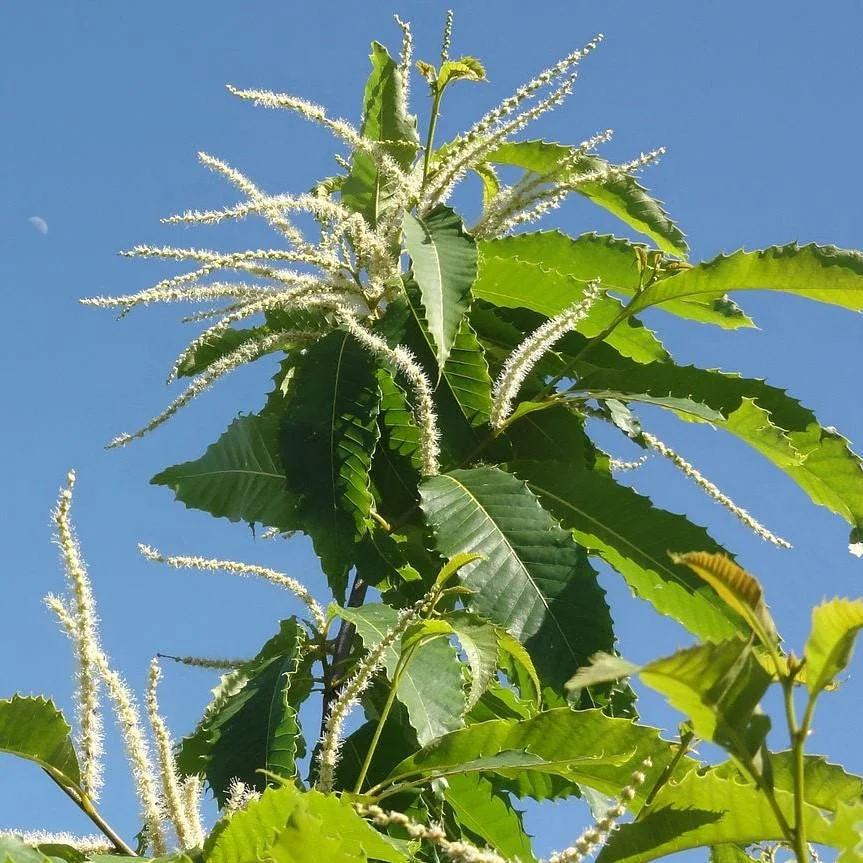
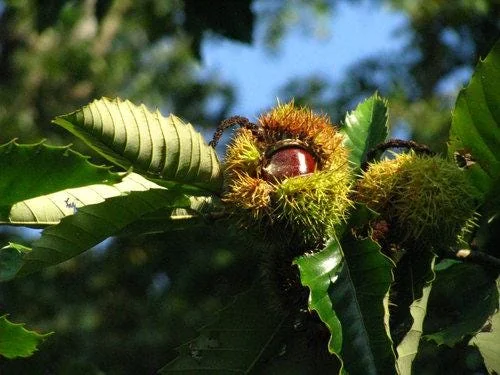
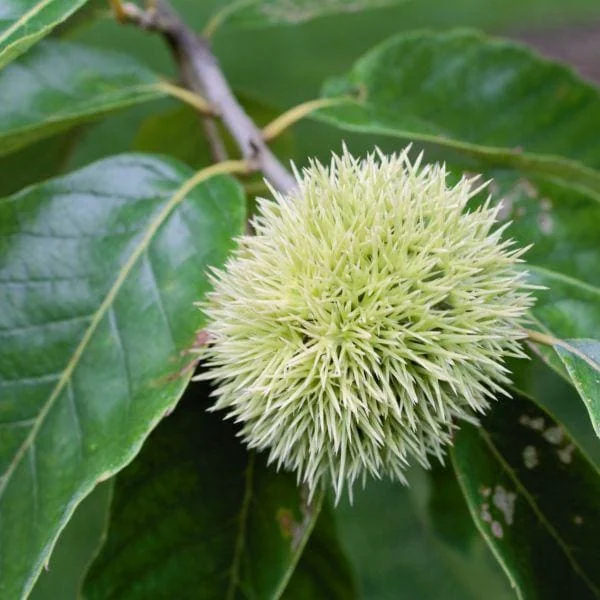
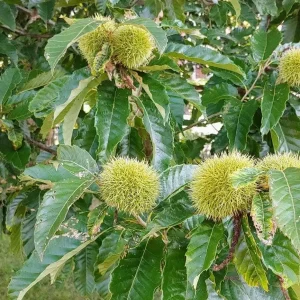
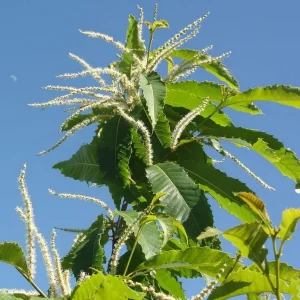
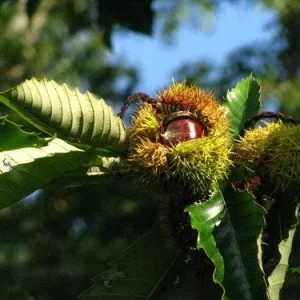
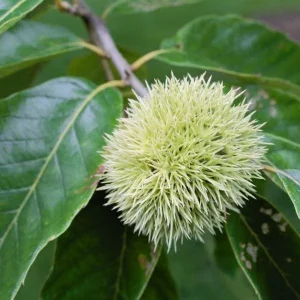
This offering includes two Chinese Chestnut tree bare-root plants, ready for planting upon arrival. These trees can grow to be substantial, typically reaching a mature height of 35–40 feet with an impressive spread of 40–50 feet, forming a round and moderately dense canopy. The alternate, elliptical to oblong leaves are waxy and feature many prominent teeth. Flowers, which appear in large clusters at the ends of new growth, can be yellow, white, cream, or gray. The fruit, an oval or round green nut, is enclosed in a spiny husk that splits open in autumn, revealing the shiny, dark brown edible nuts. The bark is shiny and dark brown on young branchlets, developing a distinctive diamondback pattern as it matures. Bare-root plants are shipped dormant and are best planted in early spring or late fall to allow the root system to establish before extreme temperatures.
Frequently Asked Questions
- Q: How big do these 2 Chinese Chestnut tree bare-root plants get? A: A mature Chinese Chestnut tree can reach an impressive height of 35-40 feet and spread 40-50 feet. It develops a rounded, moderately dense canopy, providing significant shade and presence in the landscape.
- Q: Is this an indoor or outdoor plant? A: The Castanea Mollissima is an outdoor tree, suitable for planting in gardens, orchards, or as a shade tree in larger landscapes. It requires ample space to grow to its full potential.
- Q: How much sunlight does a Chinese Chestnut tree need? A: These trees thrive in full sun, meaning they need a minimum of 6 to 8 hours of direct sunlight each day to ensure vigorous growth and abundant nut production.
- Q: Is this tree easy to care for? A: Once established, the Chinese Chestnut tree is relatively low-maintenance, especially considering its inherent blight resistance. Initial care involves proper planting and consistent watering for the first year.
- Q: What condition will the bare-root plants arrive in? A: Your bare-root chestnut plants will arrive dormant, meaning they will not have leaves and will appear to be just roots and a stem. This is normal and ideal for planting during their dormant season.
- Q: When is the best time to plant these bare-root trees? A: The optimal time to plant bare-root Chinese Chestnut trees is in early spring, as soon as the ground can be worked, or in late fall after the leaves have dropped, allowing the roots to establish before summer heat or winter cold.
- Q: Will this disease resistant chestnut survive winter in my zone? A: The Chinese Chestnut is generally hardy in USDA Zones 4-8. If you are within these zones, your tree should thrive and withstand typical winter conditions.
- Q: Can I eat the nuts from this edible nut tree? A: Yes, the nuts of the Chinese Chestnut are highly prized for their sweet flavor and are excellent for roasting, baking, or eating fresh. Caution should be exercised when handling them due to their spiny husks.
- Q: How long until the Castanea Mollissima produces nuts? A: Chinese Chestnut trees typically begin producing nuts within 3-5 years after planting, with increasing yields as the tree matures.
- Q: What kind of soil does this Chinese Chestnut tree prefer? A: It prefers well-draining, slightly acidic to neutral soil (pH 5.5-7.0). Avoid heavy clay soils that retain too much moisture, as this can lead to root issues.


Reviews
There are no reviews yet.