Overview
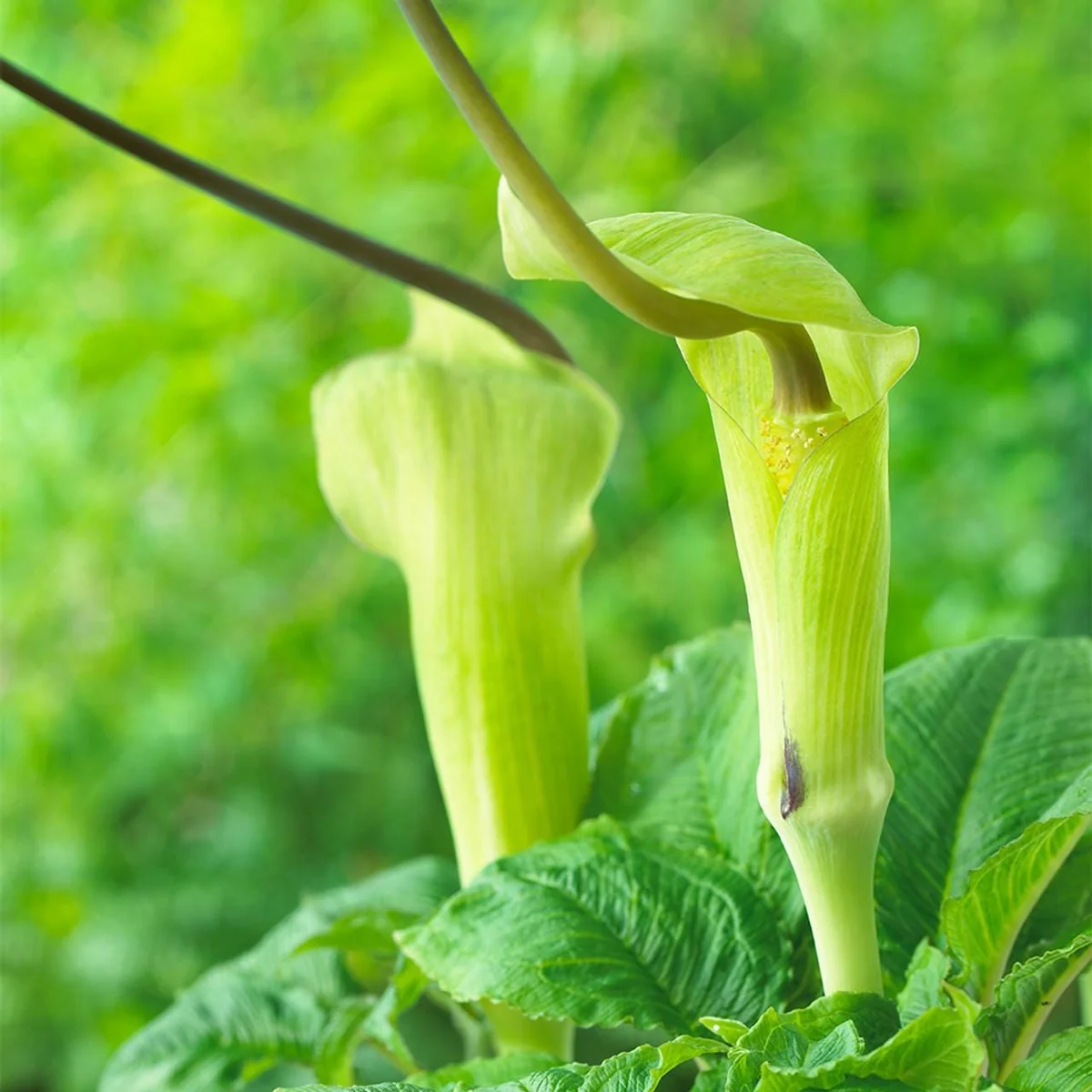
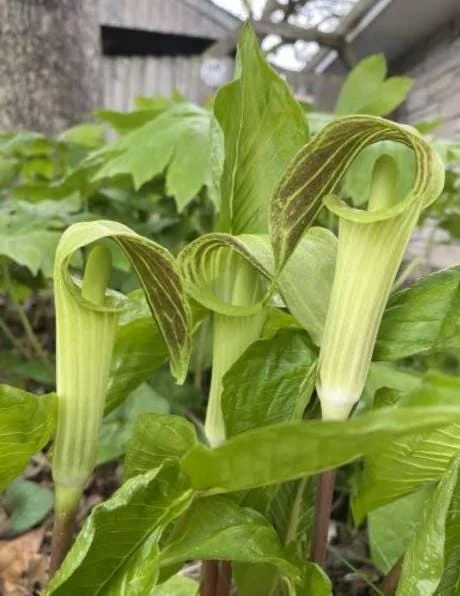
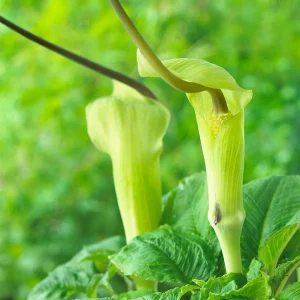
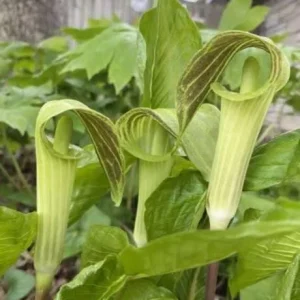
Introduce a truly captivating specimen to your shade garden with the Jack-in-the-Pulpit live plant, scientifically known as Arisaema triphyllum. This unique woodland perennial emerges in spring with an unmistakable bloom that commands attention. The flower, or spathe, is a fascinating structure featuring a green and brown striped hood that elegantly conceals a central spadix, or “jack,” adorned with tiny green to purple flowers. As the season progresses, this intriguing bloom gives way to a cluster of bright, glossy red berries in late summer, providing a pop of color and a food source for local wildlife. The Jack-in-the-Pulpit live plant is a conversation starter, offering an unusual beauty that is both easy to grow and requires minimal care, making it an excellent addition for both novice and experienced gardeners seeking something extraordinary for their shaded landscapes.
Arisaema triphyllum care is straightforward, making it a rewarding plant for naturalizing in woodland settings or adding to a shaded border. Its distinctive appearance and seasonal changes provide continuous interest. This plant is known for its ability to change sex from year to year, adapting to its reproductive success, adding another layer of intrigue to its life cycle. Embrace the opportunity to cultivate this fascinating native perennial and enjoy its unique beauty year after year.
Key Benefits
The Jack-in-the-Pulpit live plant offers a range of benefits that make it a standout choice for specific garden environments, enhancing both aesthetics and ecological value:
-
Unique Ornamental Appeal: Its distinctive green and brown striped spathe, resembling a hooded pulpit with a central figure, provides an unparalleled visual interest that is unlike typical garden flowers. This intriguing form makes it a focal point in any shaded area.
-
Vibrant Seasonal Berries: After the bloom fades, the plant produces an impressive cluster of bright red berries in late summer and fall. These berries not only add a spectacular splash of color to the autumn garden but also serve as a valuable food source for birds and small mammals.
-
Shade Loving & Low Maintenance: Ideal for challenging shaded spots where many other plants struggle, the Jack-in-the-Pulpit live plant thrives with minimal intervention. Once established, it requires very little care beyond an annual winter mulch, making it perfect for naturalized settings.
-
Resilient & Easy to Grow: This perennial is known for its robustness and ease of cultivation. It adapts well to various rich, moist soils and is generally pest and disease resistant, ensuring a healthy and flourishing presence in your garden.
-
Ecological Value: Beyond its beauty, Jack-in-the-Pulpit contributes to local ecosystems by providing food for wildlife and serving as a host for certain pollinators, enhancing biodiversity in your garden. Understanding Jack-in-the-Pulpit berries can highlight its ecological role.
-
Fascinating Life Cycle: The plant’s ability to change sex based on environmental conditions and reproductive success is a captivating biological marvel, offering an educational aspect for curious gardeners.
Plant Care & Growing Tips
Caring for your Jack-in-the-Pulpit live plant is remarkably straightforward, especially when planted in its preferred environment. This native woodland species thrives in conditions that mimic its natural habitat. For optimal growth and health, focus on providing adequate shade, consistent moisture, and rich, well-draining soil. It is a resilient perennial that, once established, will return year after year with its unique charm. Understanding Arisaema triphyllum care ensures a healthy and thriving display in your garden.
Sunlight requirements: Jack-in-the-Pulpit live plant prefers partial to full shade. It should be protected from direct, intense afternoon sun, which can scorch its leaves. A location under deciduous trees or on the north side of a building is ideal, where it receives dappled light or morning sun only. Watering schedule and soil moisture preferences: Keep the soil consistently moist but never waterlogged. This plant does not tolerate dry conditions well. Regular watering is crucial, especially during dry spells in summer. Soil type and drainage requirements: Plant in rich, organic, well-draining soil. Amending your soil with compost or leaf mold before planting will provide the nutrients and moisture retention it needs. Temperature range and USDA hardiness zone: Jack-in-the-Pulpit is hardy in USDA zones 4-9. It is tolerant of cold winters, requiring only a thick layer of leaves for winter protection in colder zones. Fertilization schedule and type: Generally, this plant does not require heavy feeding. An annual application of organic compost around the base in spring is usually sufficient to provide necessary nutrients. Common problems and solutions: This plant is relatively pest-free. Overly wet conditions can lead to rot, so ensure good drainage. Slugs and snails may occasionally nibble on leaves; organic slug baits or hand-picking can manage them. Providing a good shade garden perennial environment will help prevent most issues.
Size & Details
The Jack-in-the-Pulpit live plant typically grows to a height of 1-2 feet, with a similar spread, creating a compact yet impactful presence in the garden. Its distinctive flower emerges in May, reaching its full splendor shortly after. Following the bloom, the plant develops conspicuous clusters of bright red berries by late summer, which persist into the fall, adding extended seasonal interest. These plants are shipped as either bare roots or small potted plants, ready for immediate planting upon arrival. With proper care, they establish quickly and begin to thrive, often blooming in their first or second year. Expect a moderate growth rate, with plants gradually naturalizing and forming small colonies over time, enriching your unique woodland plant collection.
Frequently Asked Questions
-
Q: How big does this plant get? A: The Jack-in-the-Pulpit live plant typically reaches a height of 1 to 2 feet and spreads about 1 to 1.5 feet wide. Its size can vary slightly depending on growing conditions and maturity.
-
Q: What size pot does it come in? A: Our Jack-in-the-Pulpit plants are typically shipped as healthy bare roots or in a small nursery pot, generally around 3-4 inches, ready for planting directly into your garden.
-
Q: Is this an indoor or outdoor plant? A: This is primarily an outdoor plant, native to woodland environments. It thrives in shaded garden settings and is not typically grown as an indoor houseplant. It is a perfect shade garden perennial.
-
Q: How much sunlight does it need? A: Jack-in-the-Pulpit prefers partial to full shade. It performs best in areas that receive dappled sunlight or morning sun only, protecting it from harsh afternoon rays.
-
Q: Is this plant easy to care for? A: Yes, once established in the right conditions (shade, moist, rich soil), the Jack-in-the-Pulpit live plant is considered very easy to care for, requiring minimal attention. Regular Arisaema triphyllum care is simple.
-
Q: What condition will it arrive in? A: Your plant will arrive healthy and ready for planting, either as dormant bare roots or a young plant in a nursery pot, carefully packaged to ensure its safety during transit.
-
Q: How long until it blooms? A: Jack-in-the-Pulpit typically blooms in late spring, usually in May, after it has established itself. You can expect blooms in its first or second year after planting.
-
Q: When is the best time to plant? A: The best time to plant Jack-in-the-Pulpit is in the spring or fall when temperatures are moderate. This allows the plant to establish its root system before extreme weather.
-
Q: Will it survive winter in my zone? A: Jack-in-the-Pulpit is hardy in USDA Zones 4-9. In colder zones, it will die back to the ground in winter and re-emerge in spring. Applying a thick layer of leaf mulch can provide extra protection.
-
Q: Are Jack-in-the-Pulpit berries safe for consumption? A: No, Jack-in-the-Pulpit berries are toxic if ingested by humans. While they are eaten by birds and some small mammals, they should not be consumed by people or pets. This makes it a truly unique woodland plant that adds beauty but should be admired from afar.


Reviews
There are no reviews yet.