Overview
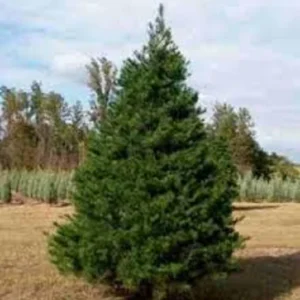
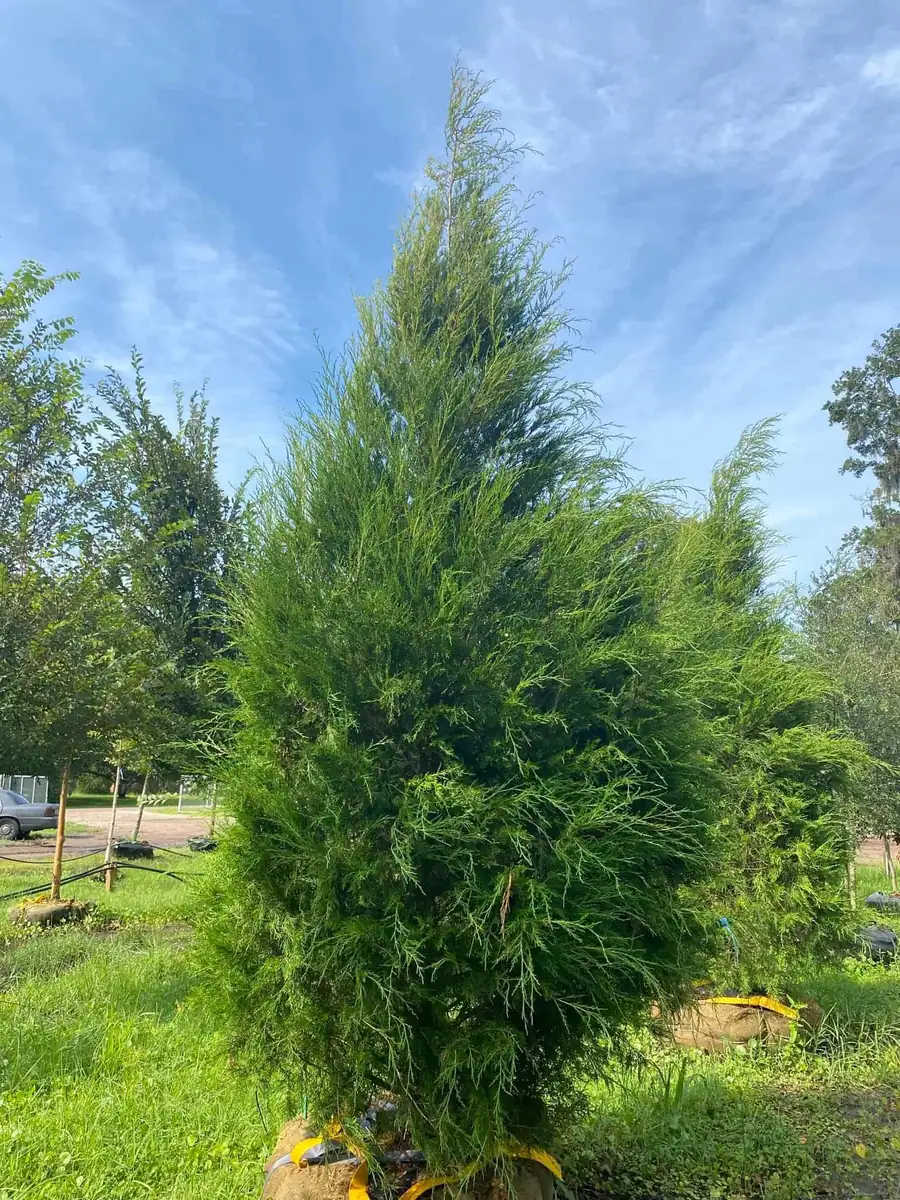
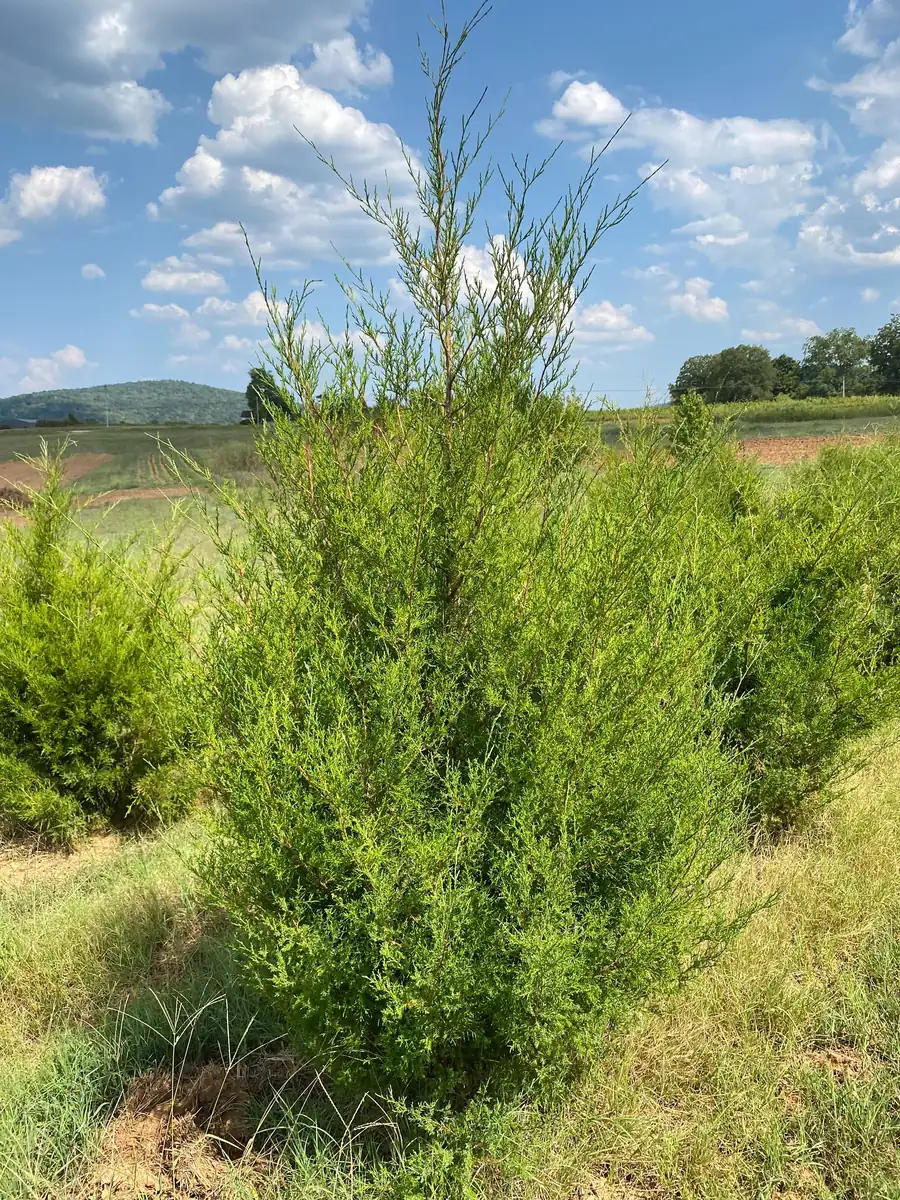
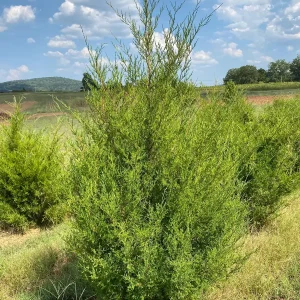
Introduce the robust and versatile Eastern Red Cedar Tree (Juniperus virginiana) to your landscape. This offering provides 2 bare-root seedlings, ready to be planted and established in your garden. Not to be confused with other cedar varieties, the Eastern Red Cedar Tree is a true native of the eastern half of the United States, celebrated for its enduring beauty and ecological benefits. As a hardy evergreen, it maintains its lush foliage throughout the year, providing continuous visual interest and vital habitat for local wildlife. These trees are an excellent choice for those seeking a low-maintenance yet impactful addition to their outdoor space, demonstrating remarkable resilience across diverse environmental conditions. Whether you’re planning a windbreak, a privacy screen, or simply looking to enhance your property with native flora, the Eastern Red Cedar bare root is an exceptional choice.
The Eastern Red Cedar is a species of juniper, highly valued for its aromatic wood and dense, evergreen foliage. It adapts to a broad spectrum of climates, thriving in USDA zones 2 through 9, from the cold northern regions of Canada down to the warmth of Florida and west to Texas. Starting as a seedling with a deep taproot, it develops an extensive shallow, fibrous root system as it matures, allowing it to persist in challenging conditions like rocky outcrops and shallow soils. With an impressive growth rate of 1 to 2 feet per year, it quickly establishes itself, reaching mature heights of 40-50 feet and widths of 8-20 feet, becoming rounder with age. Very old specimens can exceed 80 feet in height and 30 feet in width, showcasing the remarkable longevity and grandeur of this species. This Juniperus virginiana is a foundational plant for many ecosystems and landscaping projects.
Key Benefits
The Eastern Red Cedar Tree offers a multitude of benefits, making it an outstanding choice for various landscaping needs. Its unparalleled hardiness and adaptability ensure success in many environments, while its ecological contributions enhance any property.
- Exceptional Hardiness: The Eastern Red Cedar Tree is incredibly resistant to extremes of drought, heat, and cold. It’s a plant that can withstand significant weather fluctuations with remarkable resilience, making it a reliable choice for changing climates.
- Soil Versatility: This tree is highly tolerant of a wide range of soil conditions, including poor dry soil, alkaline soil, dry rocky outcrops, and even wet, swampy land. This adaptability simplifies planting and ensures success in less-than-ideal soil types.
- Wind Tolerance: The Eastern Red Cedar is exceptionally tolerant of windy conditions. Its robust structure and dense foliage make it an ideal candidate for planting as natural windbreaks, protecting other plants and structures from harsh winds, a characteristic that proved invaluable during the dust bowl era.
- Salt Tolerance: Its ability to tolerate salt makes it suitable for planting near roads, driveways, and sidewalks where salt spray is common. It can even thrive in brackish marshy sites and coastal sand dunes, showcasing its incredible durability.
- Wildlife Support: A significant source of food and shelter for wildlife, particularly the blue fruits produced by female trees. These fruits are consumed by a wide variety of birds, including the Cedar Waxwing, which is named for this tree, providing essential sustenance and promoting biodiversity.
- Long-Lived Evergreen: The Juniperus virginiana is a moderate to long-lived evergreen, with some specimens known to live for over 500 years. Its enduring presence adds a sense of permanence and history to any landscape, often found in old cemeteries and undisturbed properties. This hardy cedar tree provides year-round beauty.
- Aesthetic Appeal: With its dense, pyramidal to rounded form and attractive evergreen foliage, the Eastern Red Cedar provides excellent visual interest and acts as a strong focal point or background element in garden designs.
Plant Care & Growing Tips
Caring for your Eastern Red Cedar Tree is relatively straightforward due to its inherent hardiness and adaptability. When planting your Eastern Red Cedar bare root, select a location that receives full sun to partial shade. While it prefers full sun for optimal growth and density, it can tolerate some shade, especially in hotter climates. Ensure the planting site has good air circulation. Dig a hole wide enough to accommodate the spread of the roots and deep enough so that the root collar is level with the ground. Spread the bare roots out evenly in the hole, avoiding bending or circling. Backfill with soil, gently tamping down to remove air pockets, and water thoroughly.
Once established, the Eastern Red Cedar is quite drought-tolerant, but consistent watering during its first year will help it develop a strong root system. After establishment, water only during prolonged dry periods. This tree is not particular about soil type and can thrive in poor, dry, alkaline, or even somewhat wet soils, showcasing its versatility. However, good drainage is always beneficial to prevent root rot. Fertilization is generally not required for established trees in healthy soil, but a balanced, slow-release fertilizer can be applied in early spring for younger trees to encourage vigorous growth. The Juniperus virginiana is hardy in USDA zones 2-9, meaning it can withstand a broad range of temperatures from very cold winters to hot summers. Pruning is typically minimal, focusing on removing any dead, damaged, or crossing branches to maintain its natural shape and health. This hardy cedar tree is a low-maintenance option for many gardeners.
Size & Details
This offering includes 2 Eastern Red Cedar Tree bare-root seedlings. These young trees, provided without soil around their roots, are an economical and effective way to plant multiple specimens. Upon planting, they typically grow 1 to 2 feet per year, rapidly establishing themselves in your landscape. Mature trees can reach an impressive height of 40 to 50 feet and a spread of 8 to 20 feet, eventually developing a more rounded canopy. Exceptionally old specimens have been recorded to grow over 80 feet tall and 30 feet wide, creating a commanding presence. The bare-root format allows for easy handling and planting, promoting quick root development once placed in the ground. These plants are ideal for creating natural screens, windbreaks, or as specimen trees, offering significant long-term growth and environmental benefits. Consider this drought tolerant evergreen for lasting beauty.
Frequently Asked Questions
- Q: How big does this Eastern Red Cedar Tree get? A: A mature Eastern Red Cedar Tree typically reaches 40-50 feet tall and 8-20 feet wide, becoming rounder with age. Very old trees can exceed 80 feet in height and 30 feet in width.
- Q: Is this an indoor or outdoor plant? A: The Eastern Red Cedar Tree is an outdoor plant, native to the eastern United States and thriving in various outdoor climates. It is not suitable for indoor cultivation.
- Q: How much sunlight does the Eastern Red Cedar bare root need? A: This tree ideally needs full sun (at least 6 hours of direct sunlight daily) for best growth and density, but it can tolerate partial shade.
- Q: Is this Eastern Red Cedar Tree easy to care for? A: Yes, the Eastern Red Cedar Tree is known for its low maintenance and high adaptability, making it an excellent choice for both experienced and novice gardeners. Its resilience as a hardy cedar tree minimizes care requirements.
- Q: What condition will the Eastern Red Cedar bare root arrive in? A: Your Eastern Red Cedar bare root plants will arrive dormant and without soil, carefully packaged to ensure their health. They should be planted as soon as possible after arrival.
- Q: When is the best time to plant an Eastern Red Cedar Tree? A: The best time to plant bare-root trees like the Eastern Red Cedar bare root is in early spring or late fall when the tree is dormant. This allows the roots to establish before extreme temperatures.
- Q: Will this drought tolerant evergreen survive winter in my zone? A: Yes, the Eastern Red Cedar Tree is highly cold-hardy, thriving in USDA Zones 2-9, meaning it can withstand very cold winter temperatures across most of the continental United States.
- Q: Can the Juniperus virginiana be used for privacy screens? A: Absolutely. Due to its dense, evergreen foliage and relatively fast growth rate, the Juniperus virginiana makes an excellent choice for creating natural privacy screens and windbreaks.
- Q: What kind of soil does the Eastern Red Cedar prefer? A: The Eastern Red Cedar Tree is highly adaptable and tolerates a wide range of soil types, including poor, dry, alkaline, and even somewhat wet soils, though good drainage is always beneficial.
- Q: Is the Eastern Red Cedar considered a drought tolerant evergreen? A: Yes, it is an exceptionally drought tolerant evergreen once established, making it suitable for xeriscaping and areas with less frequent watering.


Reviews
There are no reviews yet.