Overview
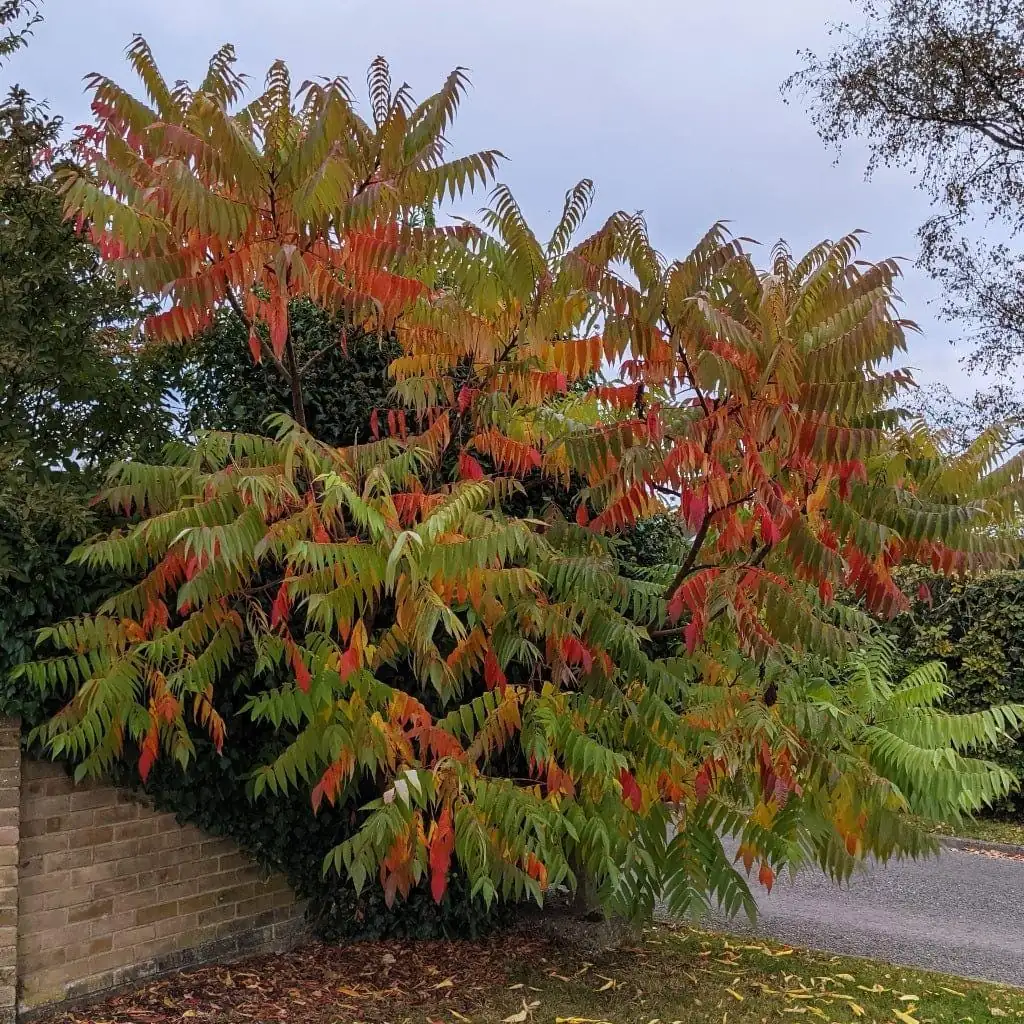
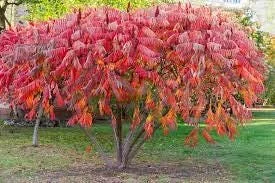
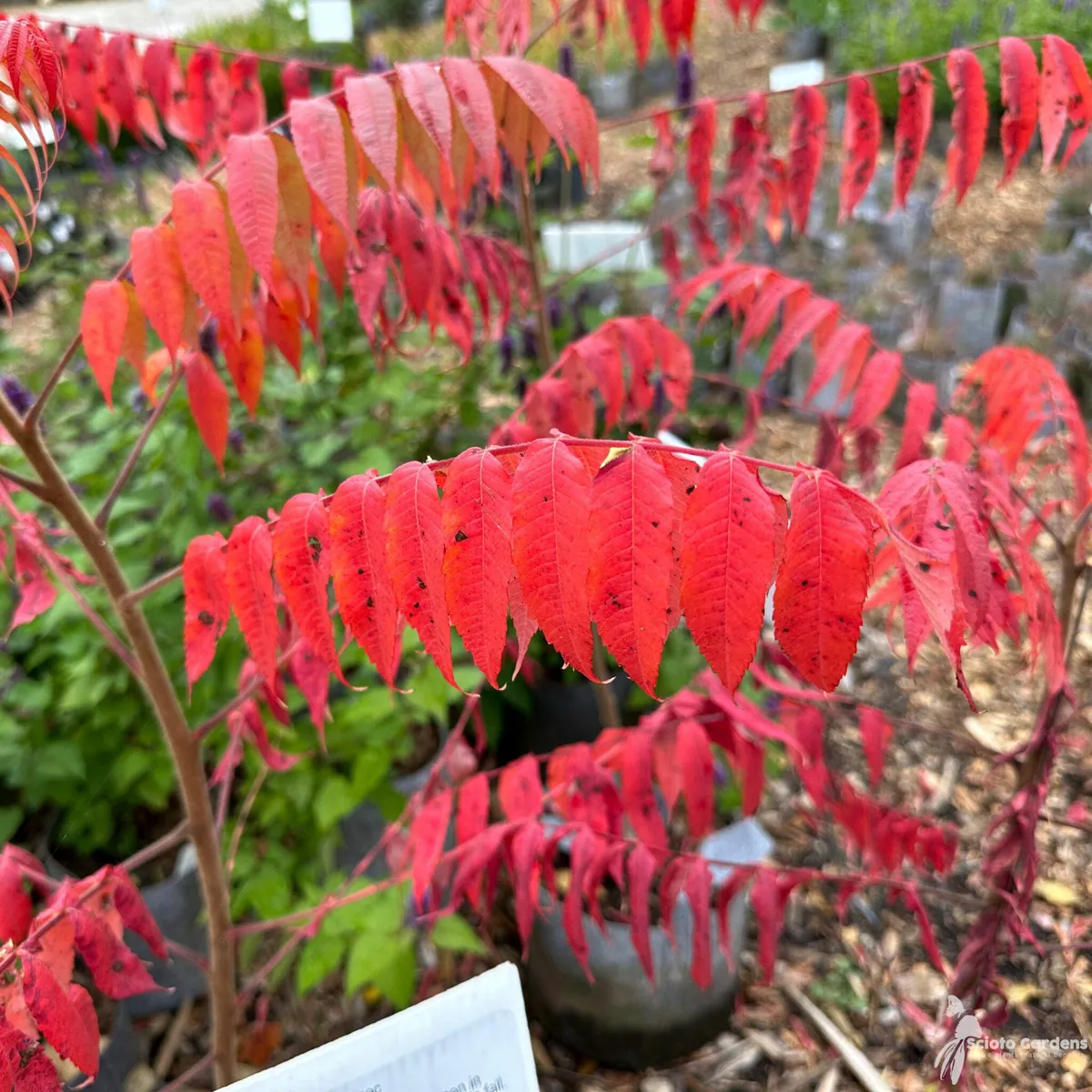
Bring striking autumn color to your landscape with the Prairie Flameleaf Sumac bare-root plant. This captivating deciduous tree, scientifically known as Rhus lanceolata tree, is a true showstopper, celebrated for its fiery orange and red fall foliage that lives up to its ‘Flameleaf’ name. Growing as a thicket-forming small tree, it typically reaches heights of 20-30 feet, making it an excellent choice for a variety of garden settings. Beyond its brilliant autumn display, the Prairie Flameleaf Sumac also produces pyramidal panicles of white summer blossoms, followed by attractive red fruit in the fall. These berries are not only ornamental but can also be used to make a tart, vitamin C-rich tea, much like the fruit of other sumac varieties. This offering includes 2 bare-root plants, ready to establish and transform your outdoor space.
Native to a wide range from Oklahoma through Texas and into Mexico, this limestone-loving tree is incredibly resilient. It’s relatively fast-growing, largely pest- and disease-free, and boasts impressive heat, cold, and drought tolerance. Whether you’re a seasoned gardener or just starting, the Prairie Flameleaf Sumac bare-root is a fantastic addition that promises year-round interest and minimal fuss. Its pale trunk and branches, coupled with its green summer leaves, provide a pleasant backdrop before its spectacular fall transformation.
Key Benefits
The Prairie Flameleaf Sumac bare-root offers a multitude of advantages for any gardener looking to add beauty and resilience to their outdoor space. This versatile plant is more than just a pretty face; it provides significant ecological and aesthetic value.
- Spectacular Fall Color: Enjoy a breathtaking display of vivid orange and red foliage every autumn, making it a focal point in your garden. The ‘Flameleaf’ description is truly apt for this Rhus lanceolata tree.
- Drought and Heat Tolerance: Once established, this tree is incredibly resilient, thriving in dry and hot conditions, making it ideal for xeriscaping or areas with water restrictions.
- Low Maintenance: Known for being generally pest- and disease-free, the Flameleaf Sumac plant requires minimal care, allowing you to enjoy its beauty without constant upkeep.
- Wildlife Attraction: The red fall fruit provides a food source for local birds and other wildlife, adding life and activity to your garden.
- Adaptable to Various Soils: Particularly fond of limestone, this sumac is adaptable to a range of soil types, as long as they are well-draining.
- Fast Growing: Experience relatively quick establishment and growth, allowing you to enjoy the benefits of a mature tree sooner.
- Edible Berries: The red berries can be used to make a tart, high-Vitamin C tea, offering a unique culinary benefit.
Plant Care & Growing Tips
Caring for your Prairie Flameleaf Sumac bare-root is straightforward, thanks to its hardy and adaptable nature. For optimal growth and the most vibrant fall colors, understanding its basic needs is key. This deciduous sumac tree thrives in full sun, meaning it prefers at least six hours of direct sunlight per day. While it can tolerate partial shade, full sun exposure will ensure the most impressive autumnal display and robust growth. Plant your bare-root sumac in a location where it will receive ample sunlight and have room to grow to its mature size.
When it comes to watering, the Prairie Flameleaf Sumac is remarkably drought-tolerant once established. During its initial planting phase and for the first growing season, ensure consistent moisture to help the root system develop. Water deeply once or twice a week, depending on rainfall and soil drainage, allowing the top few inches of soil to dry out between waterings. Once established, supplemental watering is rarely needed except during extended periods of extreme drought. This plant is not particular about soil type but prefers well-draining conditions. It is especially tolerant of limestone soils, making it an excellent choice for regions with alkaline soil. A general-purpose, balanced fertilizer can be applied in early spring, though often this robust Flameleaf Sumac plant thrives without much intervention.
The Prairie Flameleaf Sumac bare-root is cold-tolerant, hardy in USDA Zones 7-9. It is generally pest- and disease-free, further contributing to its low-maintenance appeal. Pruning can be done in late winter or early spring to remove any dead or damaged branches, or to shape the tree. While it may sucker from the base, it is not as aggressively colonizing as some other sumac varieties, making it easier to manage in a garden setting. Keep an eye out for any suckers you wish to remove to maintain its desired form. This ornamental sumac for sale is truly a resilient and rewarding plant.
Size & Details
This offering includes 2 Prairie Flameleaf Sumac bare-root plants, providing a solid start for establishing these beautiful trees in your landscape. As a thicket-forming small deciduous tree, the Rhus lanceolata tree typically grows to a height of 20 feet, though it can reach up to 30 feet under ideal conditions. Its spread will be similar, creating a rounded to irregular crown. The bare-root format means the plants are shipped without soil around their roots, making them lighter and easier to transport and plant. Upon arrival, it’s crucial to plant them promptly or keep the roots moist until planting.
The growth rate of the Flameleaf Sumac plant is relatively fast, allowing you to enjoy its benefits within a few years. Expect white summer blossoms, followed by red fall fruit. The most striking feature, the vivid orange and red autumn foliage, will develop as the plant matures. These plants are suitable for USDA Zones 7-9, ensuring they can withstand a range of temperatures. When planning your planting location, consider its mature size to provide adequate space for its root system and canopy development. This ornamental sumac for sale is an investment in long-term garden beauty.
Frequently Asked Questions
- Q: How big does this Prairie Flameleaf Sumac bare-root get? A: The Rhus lanceolata tree typically grows to a height of 20 feet, but can reach up to 30 feet. Its spread will be similar, forming a small to medium-sized deciduous tree.
- Q: Is this an indoor or outdoor plant? A: The Prairie Flameleaf Sumac bare-root is an outdoor deciduous tree, best suited for planting in gardens, landscapes, or naturalized areas where it can receive full sun.
- Q: How much sunlight does the Flameleaf Sumac plant need? A: This tree thrives in full sun, requiring at least 6 hours of direct sunlight per day for optimal growth and the most vibrant fall foliage color.
- Q: Is this plant easy to care for? A: Yes, the Prairie Flameleaf Sumac is known for being relatively low-maintenance, pest- and disease-free, and very tolerant of heat, cold, and drought once established. It’s an excellent choice for beginners.
- Q: What condition will the bare-root plants arrive in? A: The plants will arrive as Prairie Flameleaf Sumac bare-root specimens, meaning they are dormant and shipped without soil around their roots. It’s important to plant them as soon as possible after receipt.
- Q: When is the best time to plant this deciduous sumac tree? A: Bare-root trees are best planted in late winter or early spring, before they break dormancy. This allows them to establish their root system before the stress of summer heat.
- Q: Will this ornamental sumac for sale survive winter in my zone? A: This specific sumac variety is hardy in USDA Zones 7-9, meaning it can withstand winter temperatures typical for those regions. Check your local USDA zone to ensure compatibility.
- Q: What kind of soil does it prefer? A: The Prairie Flameleaf Sumac is adaptable but prefers well-draining soil. It is particularly fond of limestone soils, making it suitable for alkaline conditions.
- Q: Can I use the berries from the Rhus lanceolata tree? A: Yes, the red berries produced by the Prairie Flameleaf Sumac can be soaked in water to make a tart, high-Vitamin C tea, similar to other sumac varieties.
- Q: Does the Flameleaf Sumac plant spread aggressively? A: While it can sucker from the base to form a colony, it is not as aggressively colonizing as some other sumac species, making it easier to manage in a garden setting.


Reviews
There are no reviews yet.