Overview
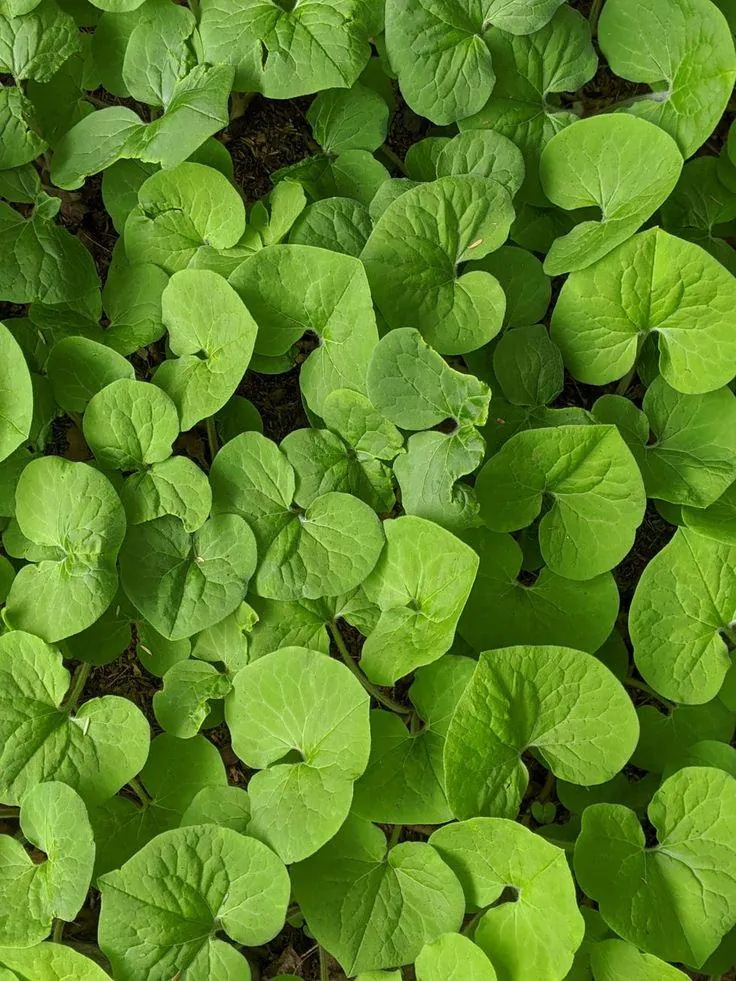
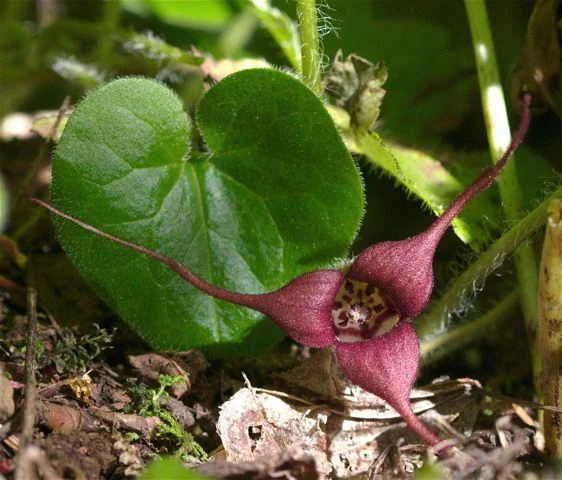
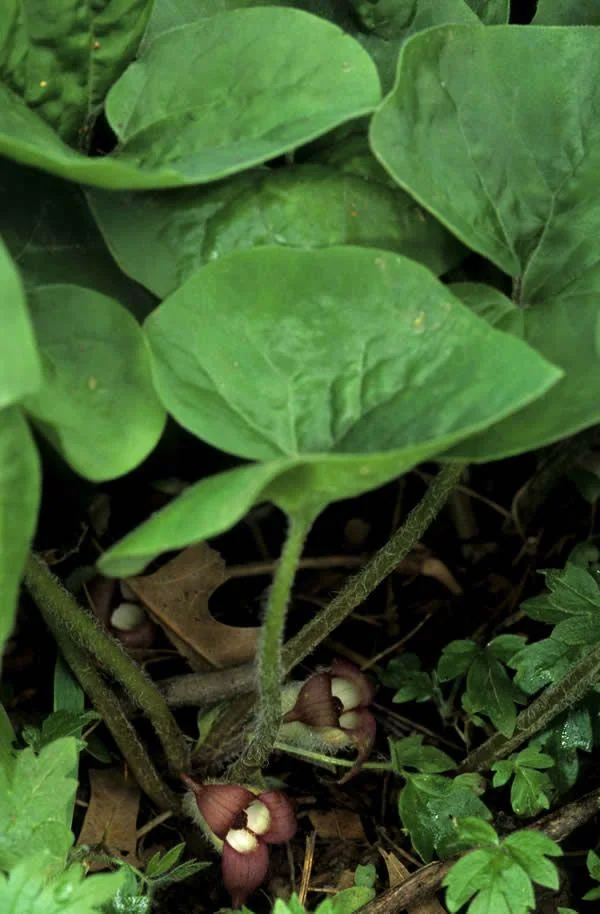
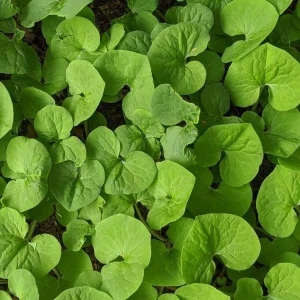
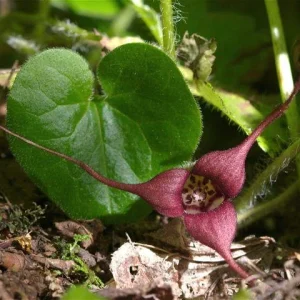
Transform your shaded garden areas into a vibrant, natural haven with the wild ginger bare-root plant. This exquisite woodland native, scientifically known as Asarum canadense, is renowned for its distinctive heart-shaped foliage and ability to form a dense, lush groundcover. Unlike its culinary namesake, this plant is grown for its ornamental beauty and ecological benefits. Each wild ginger bare-root plant is ready to establish quickly, providing an attractive solution for challenging shady spots where other plants struggle. Its unique, often hidden, red flowers bloom in early spring, adding a subtle charm to your landscape before the main growing season begins. This plant is not only beautiful but also incredibly resilient, making it a favorite among gardeners seeking sustainable and low-maintenance options.
The Asarum canadense is a true gem for native plant enthusiasts, offering a persistent green presence throughout the growing season. It pairs wonderfully with spring ephemerals, filling in the gaps once they go dormant, ensuring continuous visual interest. Its ability to thrive in various soil types, including clay, makes it a versatile choice for many gardens. Consider adding this robust wild ginger bare-root plant to your collection for a touch of natural elegance and effortless ground coverage.
Key Benefits
Our wild ginger bare-root plant offers a multitude of advantages for gardeners looking to enhance their shaded landscapes with a resilient and beautiful native species. Its unique characteristics make it an excellent choice for a variety of garden designs and ecological purposes.
- Exceptional Groundcover: Forms a dense mat of foliage, effectively suppressing weeds and providing a uniform, attractive carpet in shaded areas. The large, heart-shaped leaves create a lush backdrop for other woodland plants.
- Deer Resistant: A significant benefit for many gardeners, wild ginger bare-root plant is naturally unappealing to deer, ensuring your groundcover remains undisturbed and vibrant.
- Low Maintenance: Once established, Asarum canadense requires minimal care, making it ideal for busy gardeners or those seeking an easy-to-manage landscape solution. It tolerates a range of soil conditions and doesn’t demand constant attention.
- Native Ecosystem Support: As a native species, it supports local wildlife and pollinators, contributing to biodiversity and ecological balance in your garden. It’s a key component of a healthy woodland ginger perennial garden.
- Shade Tolerant: Thrives in deep shade to partial shade, making it perfect for under trees, along north-facing walls, or in other areas where direct sun is limited.
- Long-Lasting Foliage: Unlike many spring ephemerals, its beautiful foliage persists throughout the entire growing season, providing continuous visual interest from spring to fall.
- Erosion Control: Its dense root system helps stabilize soil, preventing erosion on slopes or in areas prone to runoff, making it a practical choice for challenging terrains.
Plant Care & Growing Tips
Caring for your wild ginger bare-root plant is straightforward, especially when you understand its natural preferences as a woodland native. These plants thrive in conditions that mimic their forest floor habitat. For optimal growth, plant your bare roots in early spring or fall. Dig a hole wide enough to spread the roots comfortably and deep enough so the crown of the plant is just at soil level. Gently backfill with soil, ensuring good contact with the roots, and water thoroughly.
Sunlight requirements for Asarum canadense are crucial; they prefer partial to full shade. Avoid direct afternoon sun, which can scorch their delicate leaves. Morning sun or dappled light throughout the day is generally acceptable. When it comes to watering, keep the soil consistently moist but not waterlogged, especially during dry periods. Once established, they are somewhat drought-tolerant but will perform best with regular moisture. The ideal soil type is rich, well-draining, and high in organic matter. While they tolerate clay, amending heavy clay soils with compost will significantly improve drainage and fertility. The plant is hardy in USDA zones 4-8, making it a robust choice for many regions.
Fertilization is generally not necessary in rich garden soil, but if your soil is poor, a light application of a balanced, slow-release organic fertilizer in early spring can be beneficial. Wild ginger is generally pest and disease resistant. This deer resistant shade plant is an excellent choice for a low-maintenance, thriving groundcover. Remember that adequate moisture and shade are the keys to a flourishing patch of woodland ginger perennial.
Size & Details
This offering is for a wild ginger bare-root plant, scientifically known as Asarum canadense. Each bare root is carefully harvested and prepared for shipping, ensuring it arrives ready for planting and establishment in your garden. When mature, Wild Ginger typically grows to a height of 6-12 inches (15-30 cm) with a spread of 12-18 inches (30-45 cm), forming a dense, solid groundcover over time. Transplants spaced approximately one foot apart can achieve a solid cover within two to three years, depending on growing conditions and soil fertility.
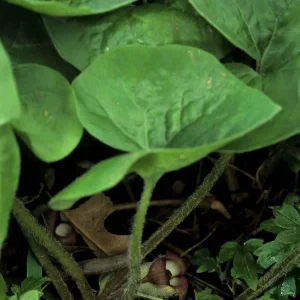
The plant features distinctive heart-shaped leaves, ranging from 4-6 inches wide, which remain attractive throughout the growing season. Small, reddish-brown, urn-shaped flowers bloom in early spring, often hidden beneath the foliage. This native perennial is hardy in USDA Zones 4-8. It ships as a dormant bare-root plant, which is the ideal form for successful transplanting and establishment, allowing it to adapt quickly to its new environment and begin vigorous growth when conditions are right.
Frequently Asked Questions
- Q: How big does this plant get? A: A mature wild ginger bare-root plant typically reaches a height of 6-12 inches with a spread of 12-18 inches. It forms a dense, low-growing groundcover in shaded areas.
- Q: Is this an indoor or outdoor plant? A: Wild Ginger (Asarum canadense) is an outdoor plant, best suited for woodland gardens, shaded borders, or naturalized areas where it can thrive in a natural environment.
- Q: How much sunlight does it need? A: This deer resistant shade plant prefers partial to full shade. It should be protected from direct afternoon sun, which can scorch its leaves. Dappled light or morning sun is ideal.
- Q: Is this plant easy to care for? A: Yes, once established, asarum canadense groundcover is considered very low-maintenance. It’s a robust native perennial that requires consistent moisture but little intervention.
- Q: What condition will it arrive in? A: Your Wild Ginger will arrive as a dormant wild ginger bare-root plant, carefully packaged to ensure its health and vitality during transit. It will be ready for immediate planting upon arrival.
- Q: When is the best time to plant? A: The best time to plant bare-root Wild Ginger is in early spring or in the fall, allowing the roots to establish before extreme summer heat or winter cold.
- Q: Will it survive winter in my zone? A: Yes, Wild Ginger is highly cold-hardy and thrives in USDA Zones 4-8, making it suitable for a wide range of climates and able to withstand cold winters.
- Q: Can I use Wild Ginger for culinary purposes? A: While the roots have a ginger-like scent, this plant is not related to culinary ginger and is not typically used for cooking today. It is primarily grown as an ornamental woodland ginger perennial.
- Q: How quickly will it spread? A: When spaced about one foot apart, asarum canadense groundcover can form a solid, dense mat within two to three years, creating an effective and beautiful groundcover.
- Q: Is it suitable for clay soil? A: Yes, Wild Ginger tolerates a variety of soil types, including clay, though it performs best in rich, well-draining soil with added organic matter.


Reviews
There are no reviews yet.