Overview
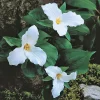
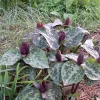
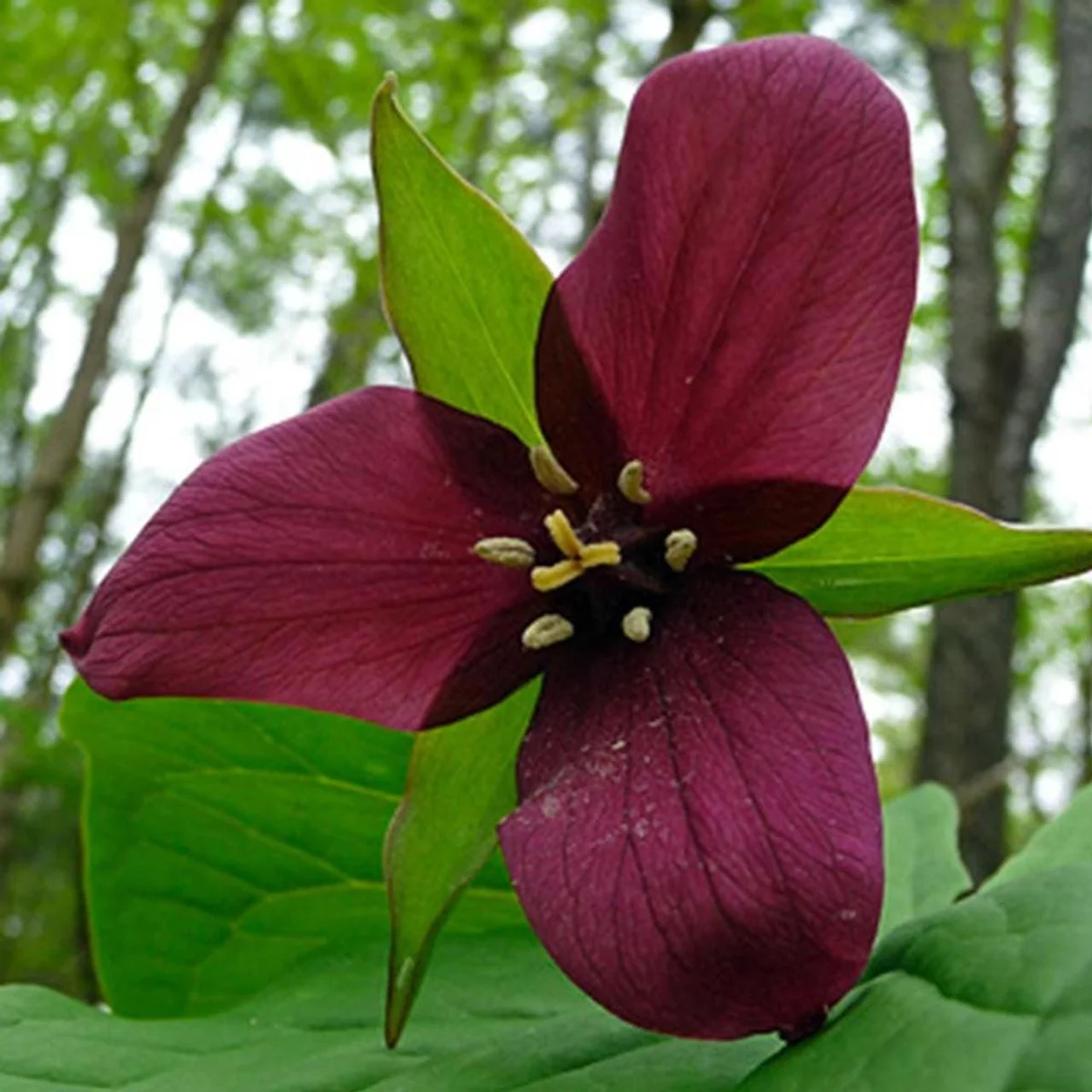
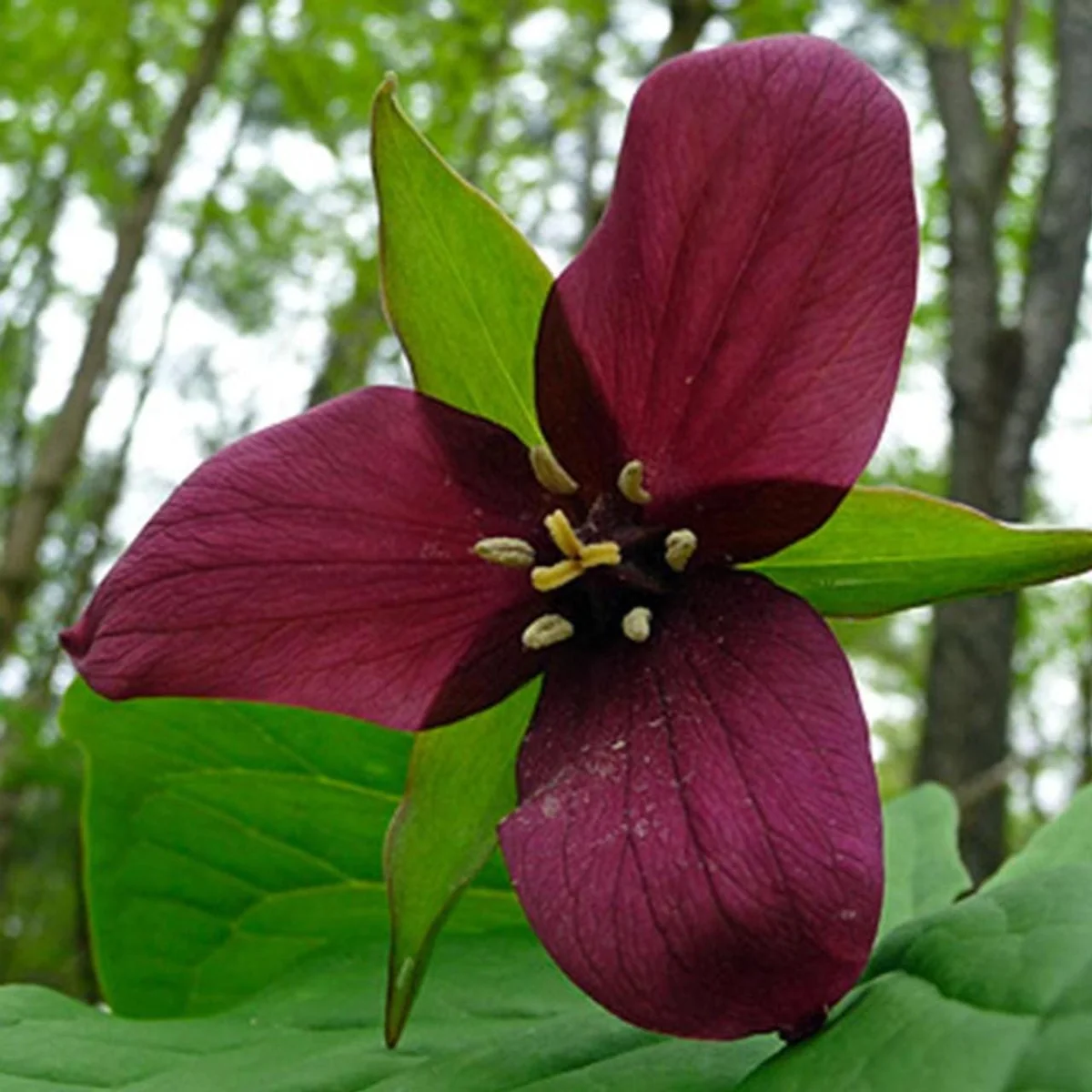
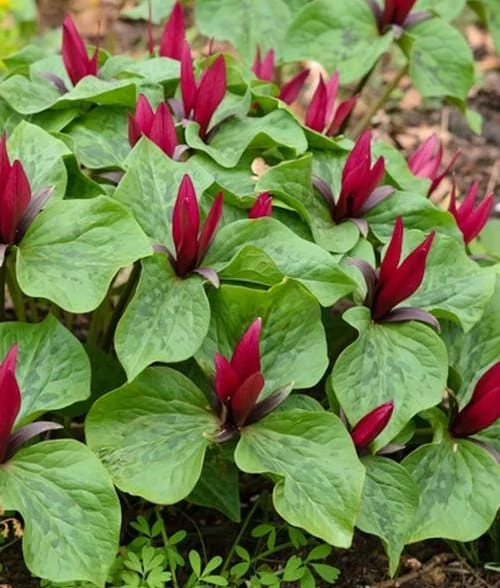
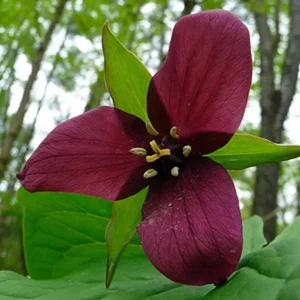
Introduce the captivating beauty of native North American wildflowers to your garden with red trillium bulbs. Also known by its botanical name, Trillium erectum, this herbaceous perennial is a true gem for shaded landscapes. These red trillium bulbs arrive as robust bare-root specimens, ready to establish quickly and provide a stunning display year after year. The ‘erectum’ in its name refers to the upright nature of its growth. Known for its distinctive three-petaled flowers, which typically range from a rich red to a deep maroon, the red trillium bare root plant adds an elegant touch to any woodland or naturalized garden setting. Perfect for those seeking to create a vibrant, biodiverse habitat, the red trillium is a resilient and long-lived plant that promises a breathtaking spring show.
As a member of the Trillium family (Melanthiaceae), Trillium erectum is a cherished native species that thrives in conditions mimicking its natural woodland habitat. These red trillium bulbs are an excellent choice for gardeners looking to support local ecosystems and enjoy a low-maintenance yet highly rewarding plant. Its unique flower structure and color make it a focal point in early spring, signaling the awakening of the garden. Plant these bare roots in the fall for a delightful surprise the following spring.
Key Benefits
Choosing to plant red trillium bulbs offers a multitude of advantages for your garden and the local environment. These bare root plants are not only beautiful but also contribute significantly to ecological health.
- Stunning Spring Blooms: Enjoy vibrant red to maroon, three-petaled flowers that emerge in early spring, providing a dramatic splash of color when most other plants are just beginning to stir. These unique blooms are a true spectacle in any shade garden.
- Native Wildflower: As a native North American species, Trillium erectum is perfectly adapted to local climates and conditions, requiring less intervention once established. It contributes to local biodiversity and supports native wildlife.
- Attracts Pollinators: While not producing nectar, the flowers’ distinctive scent attracts beneficial pollinators like flies, beetles, and fungus gnats, playing a crucial role in your garden’s ecosystem. This helps support the health of other plants in your landscape.
- Low Maintenance: Once planted in the right conditions, growing red trillium is remarkably easy. It’s a perennial that will return and spread naturally for many years with minimal care, making it an excellent choice for busy gardeners.
- Deer Resistant: Trillium species are generally unappealing to deer, offering a reliable option for gardens in areas prone to browsing, allowing you to enjoy your blooms undisturbed.
- Woodland Garden Essential: Ideal for naturalizing in shaded areas, woodland gardens, or under deciduous trees, these red trillium bulbs create an authentic and serene forest floor aesthetic.
- Host Plant Support: This plant serves as a host for the larvae of specific moths, such as the black-patched clepsis moth and the American angle shades moth, further enhancing your garden’s ecological value.
Plant Care & Growing Tips
Successful growing red trillium begins with understanding its preferred natural habitat. These plants thrive in conditions that mimic their native woodland environments. Plant your red trillium bare root bulbs in the fall or very early spring, before new growth begins. Choose a location with partial to full shade, especially protection from hot afternoon sun. While they can tolerate some morning sun, too much direct sunlight can scorch their leaves and hinder flowering. Ensure the planting site is well-drained but consistently moist, as trilliums do not tolerate soggy soil or prolonged drought.
The ideal soil for red trillium bulbs is rich in organic matter, slightly acidic, and well-draining. Incorporate plenty of leaf mold, compost, or other organic amendments into the planting hole to replicate the forest floor environment. Plant the bare roots about 2-3 inches deep, with the growing tip pointing upwards. Space them 6-12 inches apart to allow for natural spread and air circulation. Water thoroughly after planting to settle the soil around the roots. Once established, trilliums are relatively drought-tolerant but will benefit from supplemental watering during extended dry periods, especially in their first year.
Trillium erectum care is generally straightforward. Fertilization is usually not necessary in rich, organic soil; however, a light application of a balanced, slow-release organic fertilizer in early spring can be beneficial in poorer soils. Avoid chemical fertilizers, which can harm beneficial soil microorganisms. Protect newly planted bulbs from rodents if they are a known problem in your area. Trilliums are exceptionally hardy and generally pest-free, adapting well to USDA zones 4-9. Allow the foliage to die back naturally in late summer or fall, as this process returns energy to the bulb for the following year’s blooms. Avoid cutting back the leaves prematurely.
Size & Details
Each order contains dormant red trillium bare root bulbs, ready for planting. These bare roots are carefully selected for their viability and vigor, ensuring a strong start in your garden. When mature, Trillium erectum typically grows to a height of 12 to 18 inches, forming a compact clump with broad, green leaves. The distinctive three-petaled flowers, ranging from red to maroon, emerge atop a recurved stem above the large green bracts, which can reach up to 7 inches in length. While the white-flowered variant, T. erectum var. album, exists, these offerings are specifically for the classic red form.
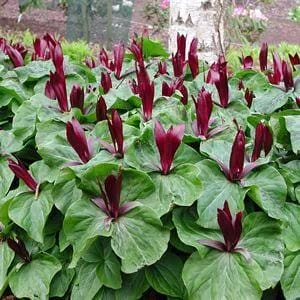
These red trillium bulbs are long-lived perennials, taking a few years to fully establish and reach their mature size and blooming potential. They will slowly naturalize and form colonies over time, creating a stunning display in your woodland garden. The bare root format means they are shipped without soil, making them easy to handle and plant upon arrival. Expect blooms in early to mid-spring, typically from April to May, depending on your specific climate and planting zone. These plants are shipped in a dormant state, which is ideal for successful transplanting and establishment.
Frequently Asked Questions
- Q: How big does this plant get? A: Red trillium bulbs typically grow into plants that reach about 12 to 18 inches tall at maturity. They form a compact clump and will slowly spread over time to create a beautiful patch in your garden.
- Q: What size pot does it come in? A: This product consists of red trillium bare root bulbs, meaning they are shipped without soil or a pot. They are ready to be planted directly into your garden upon arrival.
- Q: Is this an indoor or outdoor plant? A: Trillium erectum is an outdoor plant, specifically a native woodland wildflower. It thrives in shaded garden environments and is not suitable for indoor cultivation.
- Q: How much sunlight does it need? A: Growing red trillium requires partial to full shade. It prefers the dappled light found under deciduous trees and should be protected from harsh afternoon sun.
- Q: Is this plant easy to care for? A: Yes, once established in the correct shady, well-draining, and organically rich soil, trillium erectum care is quite low-maintenance. It’s a great choice for gardeners looking for durable native plants.
- Q: How long until it blooms? A: If planted in the fall, you can expect the first blooms from your red trillium bulbs the following spring. It may take a couple of years for the plant to fully establish and produce abundant flowers.
- Q: Will it survive winter in my zone? A: Yes, Trillium erectum is very cold hardy, typically thriving in USDA Zones 4-9. It is accustomed to cold winters and will enter dormancy, re-emerging in spring.
- Q: What’s the minimum temperature it can tolerate? A: As a native woodland plant, red trillium bare root plants are tolerant of freezing temperatures well below 0°F (approx. -18°C) once established and in dormancy.
- Q: What condition will it arrive in? A: Your red trillium bulbs will arrive as dormant bare roots, carefully packed to ensure their health. They should appear firm and free from rot.
- Q: Are these plants deer resistant? A: Yes, Trillium erectum is generally considered deer resistant, making it a good choice for gardens where deer browsing is a concern.


Reviews
There are no reviews yet.