Overview
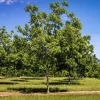
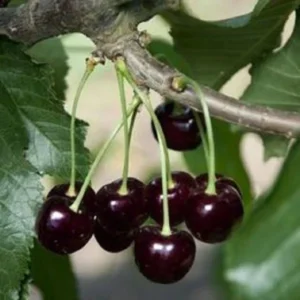
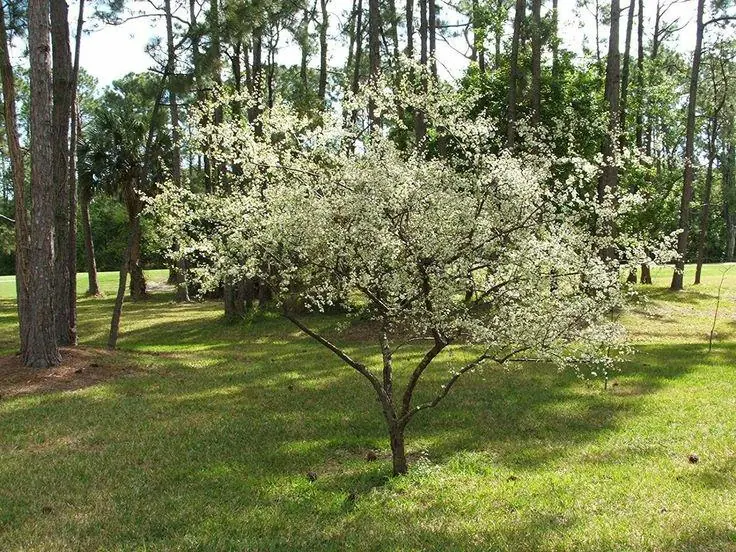
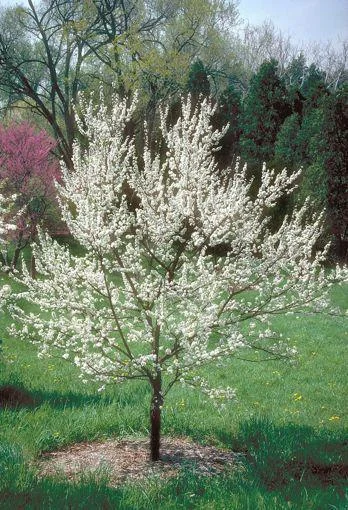
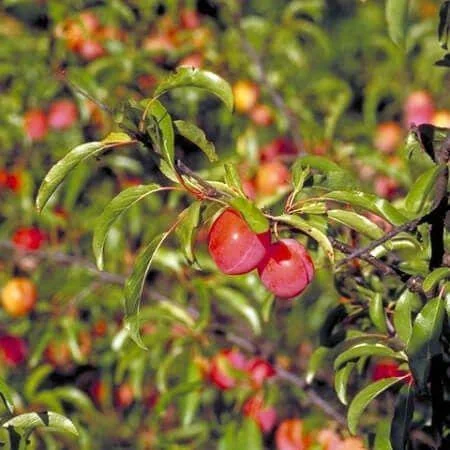
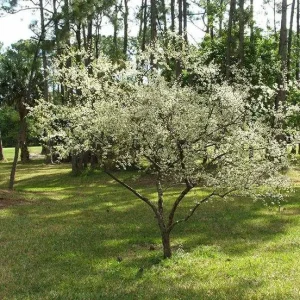
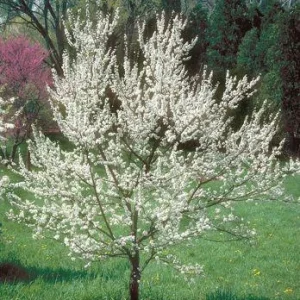
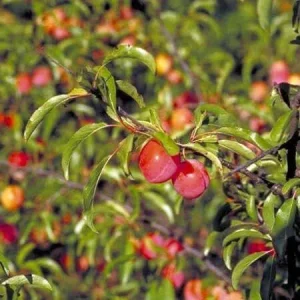
Bring the beauty and resilience of a native species to your landscape with the chickasaw plum bare-root plant. This robust and adaptable american plum tree, scientifically known as Prunus angustifolia, is a fantastic choice for gardeners seeking an easy-to-grow, multi-functional plant. Typically growing as a large shrub or small tree, the Chickasaw Plum can reach heights of 12-20 feet, forming an attractive and often dense thicket. Its early spring display of small, fragrant white flowers is a welcome sight, signaling the arrival of warmer weather and providing a vital nectar source for early pollinators. Following the blooms, the tree produces small, cherry-like fruits that ripen from red to yellow in early to mid-summer. While some fruits can be quite tart, they are edible and highly prized for preserves, jellies, and attracting local wildlife. This native plum tree is an excellent addition to naturalized areas, woodland edges, or as a component in a wildlife-friendly garden.
The chickasaw plum bare-root is a hardy and drought-tolerant plant, making it suitable for a variety of soil conditions, particularly dry and sandy sites where many other plants struggle. Its ability to thrive in open woodlands, prairies, and roadsides speaks to its adaptability. When planted as a bare-root, it establishes quickly, developing a strong root system that supports its vigorous growth. This prunus angustifolia plant is not just visually appealing; it plays an important ecological role, providing food and shelter for numerous bird species and other small animals. Its natural growth habit often creates dense thickets, offering excellent cover and nesting sites. Consider adding this resilient and rewarding fruit-bearing tree to your garden for both aesthetic appeal and ecological benefit.
Key Benefits
Choosing a chickasaw plum bare-root comes with a multitude of advantages for your landscape and local ecosystem. This versatile plant offers both ornamental value and practical benefits, making it a smart choice for many gardeners:
- Wildlife Attraction: The small, edible fruits are a favorite food source for birds, deer, and other wildlife, while the dense branches provide excellent cover and nesting sites. Planting an american plum tree helps support local biodiversity.
- Early Spring Blooms: Enjoy a profusion of fragrant, white flowers in early spring, often before other trees leaf out. These blooms are not only beautiful but also provide an early nectar source for pollinators, making the chickasaw plum bare-root a valuable asset for local bees.
- Edible Fruit Production: While varying in sweetness, the small plums are edible and can be used to make delicious jellies, jams, and preserves. Harvesting your own fruit from a native plum tree is a rewarding experience.
- Drought Tolerance: Once established, the Chickasaw Plum is highly drought-tolerant, requiring minimal supplemental watering. This resilience makes the prunus angustifolia plant an excellent choice for low-maintenance landscaping and xeriscaping.
- Erosion Control: Its spreading root system and tendency to form thickets make it effective for stabilizing soil and preventing erosion, particularly on slopes or sandy areas.
- Adaptable to Poor Soils: This hardy tree thrives in a wide range of soil types, including dry, sandy, and infertile soils, making it suitable for challenging growing conditions.
- Low Maintenance: Generally, the Chickasaw Plum requires little care once established, making it a great option for busy gardeners or those new to fruit trees.
Plant Care & Growing Tips
Caring for your chickasaw plum bare-root is relatively straightforward, thanks to its native resilience. To ensure successful establishment and vigorous growth, begin by selecting an appropriate planting site. This american plum tree thrives in full sun, meaning it needs at least 6-8 hours of direct sunlight per day to produce the best blooms and fruit. While it can tolerate partial shade, fruit production may be reduced. When planting your bare-root, dig a hole wide enough to accommodate its root system without bending and deep enough so that the crown (where the roots meet the stem) is at soil level. Backfill with native soil, gently tamping to remove air pockets, then water thoroughly.
The Chickasaw Plum is highly adaptable to various soil conditions, preferring well-draining, sandy, or loamy soils. It can tolerate poor soil fertility and is particularly well-suited for dry sites. Avoid planting in heavy, waterlogged clay soils, as this can lead to root rot. Once established, this prunus angustifolia plant is quite drought-tolerant, but consistent watering during its first year will promote strong root development. After establishment, water only during prolonged dry periods. Fertilization is generally not necessary in average garden soils, but if growth is slow, a balanced, slow-release fertilizer can be applied in early spring. Pruning should focus on removing dead, damaged, or diseased branches, and shaping the tree to maintain its desired form. You can also thin out dense thickets to improve air circulation and fruit production.
This native plum tree is hardy in USDA zones 5-9, making it suitable for a wide range of climates. It can withstand cold winters and hot summers. While generally disease and pest resistant, keep an eye out for common plum issues like plum curculio or brown rot, especially during fruit development. Good air circulation and proper sanitation can help prevent most problems. The chickasaw plum bare-root is an excellent choice for naturalized areas, providing both ecological benefits and an attractive addition to your landscape with minimal fuss.
Size & Details
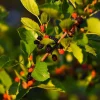
The chickasaw plum bare-root typically arrives as a young plant with its roots exposed, ready for immediate planting. At maturity, this versatile plant can grow as a large shrub or a small tree, reaching an average height of 12–20 feet and spreading 15–20 feet wide. Its growth rate is moderate, establishing quickly once planted and beginning to produce flowers and fruit within a few years. The trunk is generally short, developing rough, scaly bark as it ages, while younger branches are slender and reddish-brown, often featuring thorn-like side branches. Leaves are narrow, oval-lanceolate, and bright green, measuring 1–3 inches long.
Flowers appear in March and April, blooming in small, fragrant white clusters. The fruit, small cherry-like plums, ripen from red to yellow in early to mid-summer. These fruits are edible, though their tartness can vary significantly from tree to tree. The american plum tree is native to the southern United States, thriving in dry and sandy soils. It is well-suited for open woodlands, forest edges, prairies, and meadows, showcasing its adaptability. Planting a chickasaw plum bare-root offers the opportunity to cultivate a hardy and ecologically beneficial prunus angustifolia plant in your home garden.
Frequently Asked Questions
- Q: How big does a Chickasaw Plum bare-root plant get? A: A mature chickasaw plum bare-root can grow to be 12–20 feet tall and 15–20 feet wide, often forming a dense, multi-stemmed shrub or small tree. Its size can be managed with pruning.
- Q: Is this an indoor or outdoor plant? A: The chickasaw plum bare-root is an outdoor plant, native to North America. It thrives in open, sunny outdoor environments and is not suitable for indoor cultivation.
- Q: How much sunlight does a Chickasaw Plum need? A: This american plum tree requires full sun, meaning at least 6-8 hours of direct sunlight per day, for optimal growth, flowering, and fruit production. It can tolerate some partial shade but will perform best in full sun.
- Q: Is the Chickasaw Plum easy to care for? A: Yes, the chickasaw plum bare-root is considered a low-maintenance plant once established. It is drought-tolerant and adaptable to various soil conditions, making it suitable for beginners.
- Q: What condition will the bare-root plant arrive in? A: Your prunus angustifolia plant will arrive dormant, with its roots carefully packaged to retain moisture. This is a standard and healthy way to ship deciduous trees for planting.
- Q: When is the best time to plant a Chickasaw Plum bare-root? A: The ideal time to plant a chickasaw plum bare-root is in late winter or early spring, before the tree breaks dormancy. This allows the roots to establish before the stress of summer heat.
- Q: Will the fruit be sweet? A: The fruit of the native plum tree can vary in sweetness. Some trees produce tart fruit, while others may yield sweeter plums. They are excellent for jams, jellies, and preserves regardless of individual sweetness.
- Q: What USDA zones is the Chickasaw Plum hardy in? A: The Chickasaw Plum is hardy in USDA Zones 5-9, making it a resilient choice for many climates across the United States.
- Q: Does the Chickasaw Plum attract wildlife? A: Absolutely! The flowers attract pollinators in spring, and the fruits are a valuable food source for birds and other small mammals, making it a great choice for a wildlife-friendly garden.
- Q: What type of soil does this plum prefer? A: The chickasaw plum bare-root prefers well-draining soils, especially sandy or loamy types. It is highly adaptable and can tolerate poorer soils, but avoids heavy, waterlogged conditions.


Reviews
There are no reviews yet.