Overview
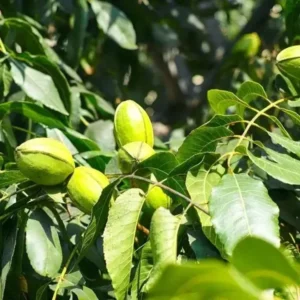
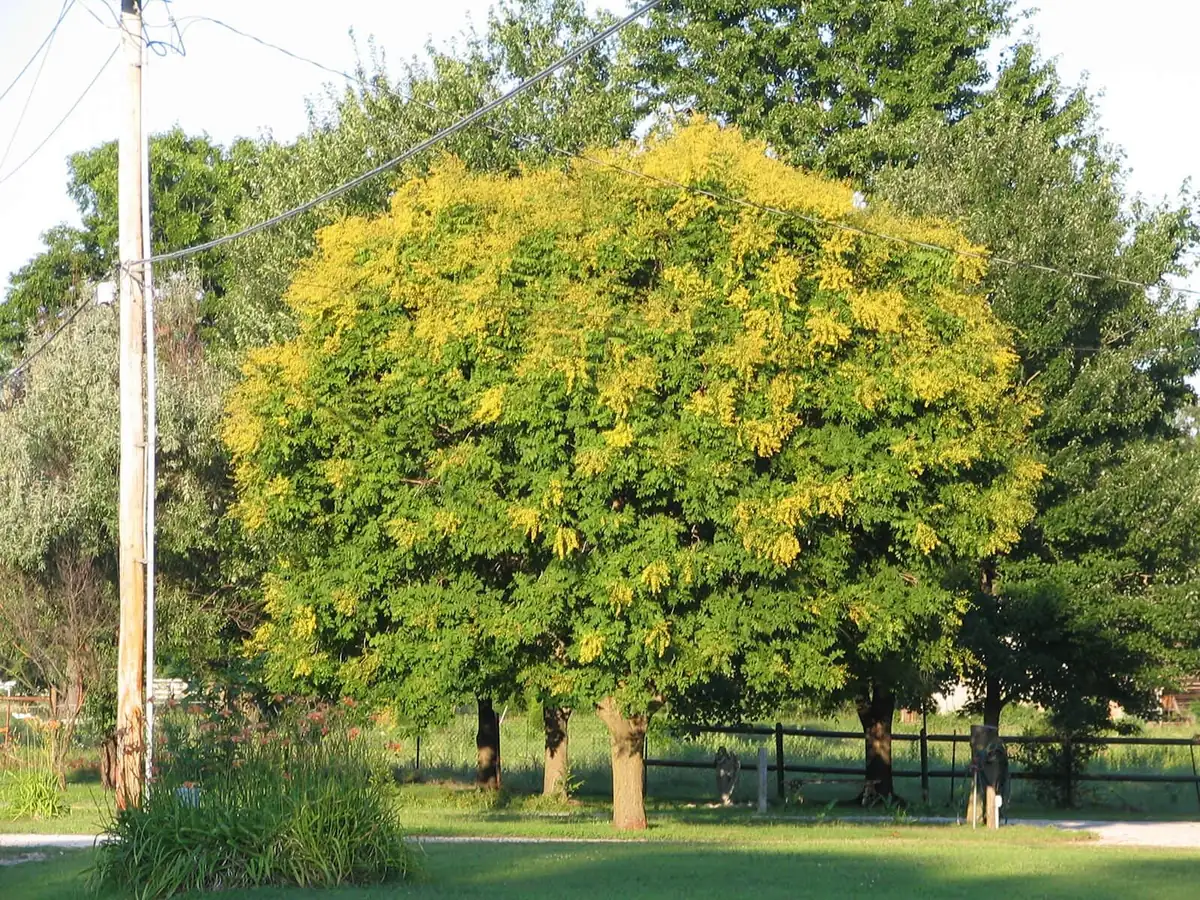
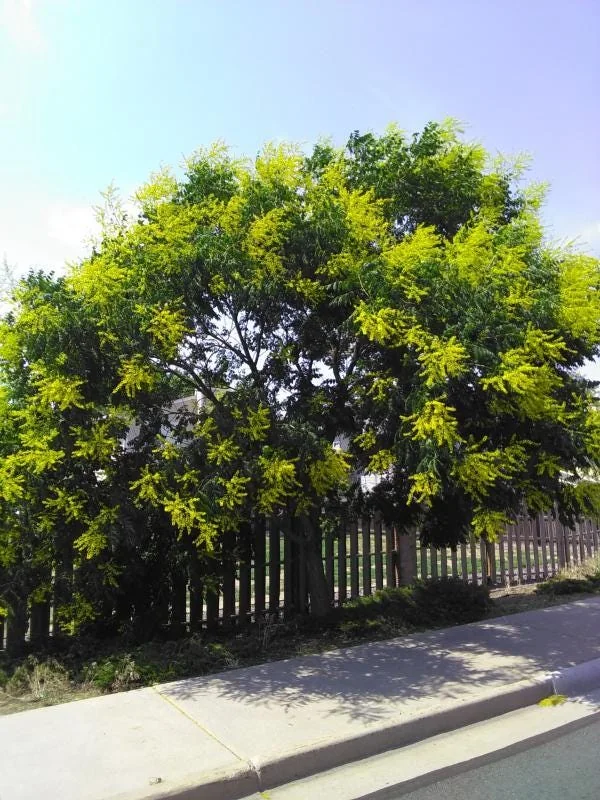
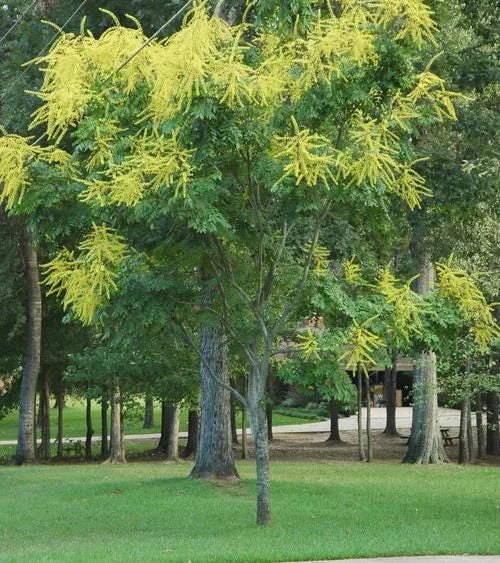
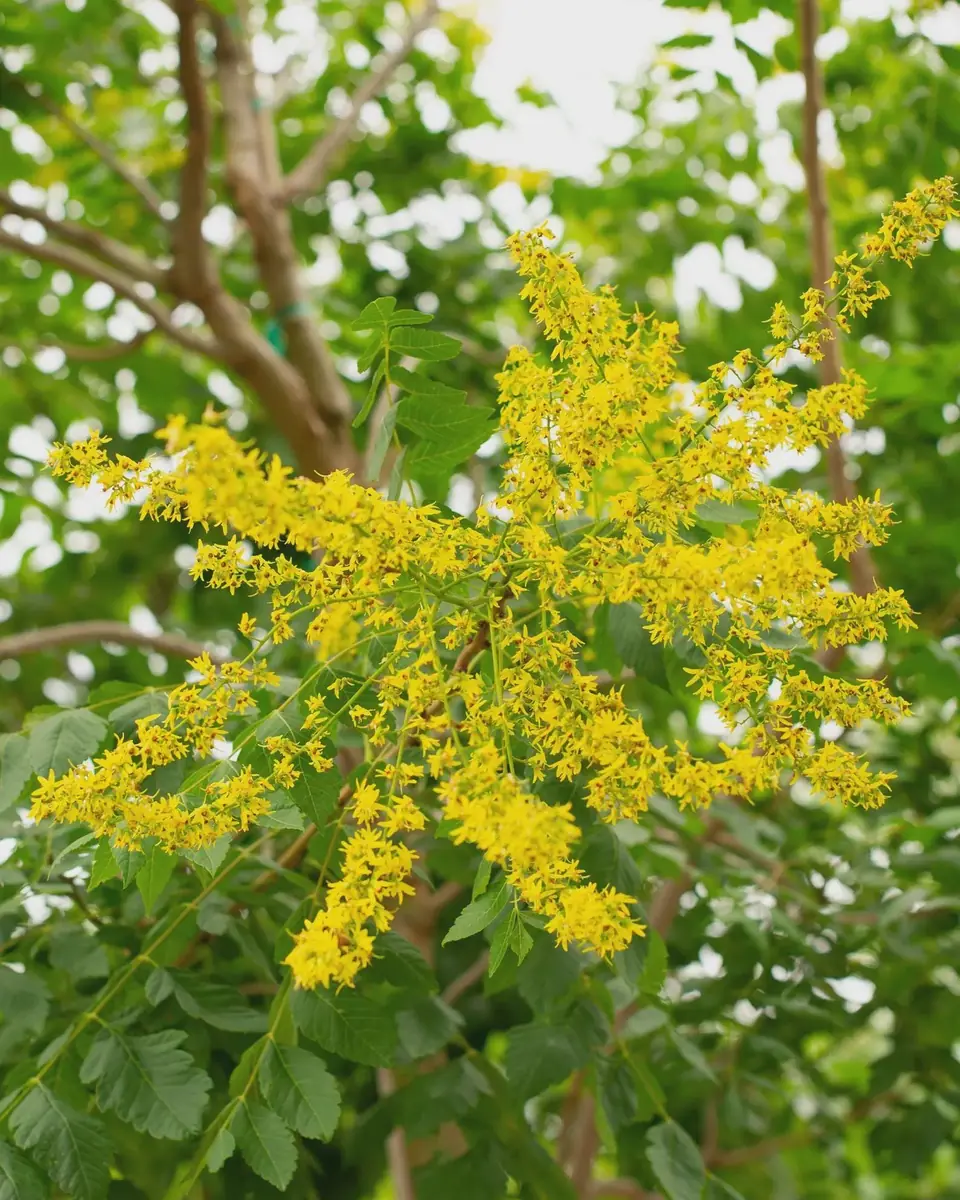
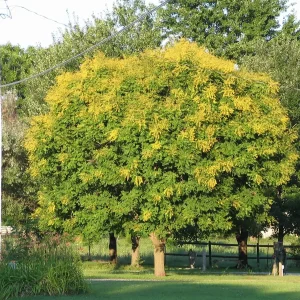
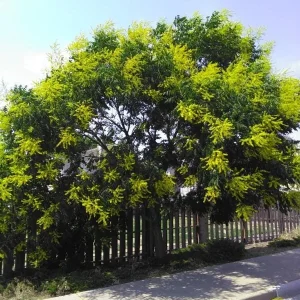
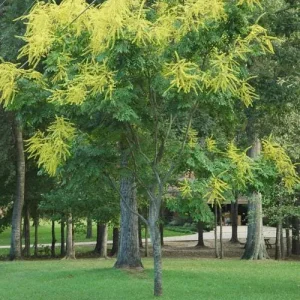
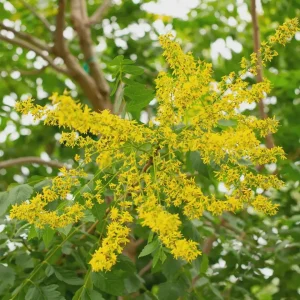
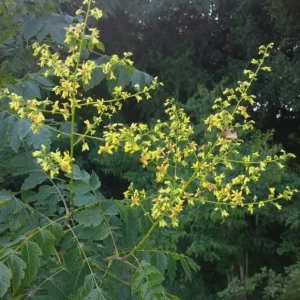
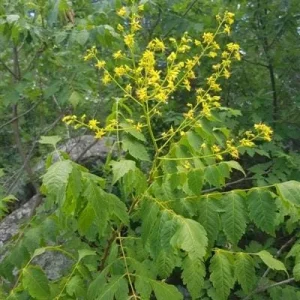
Introduce a touch of golden splendor to your garden with the Golden Rain Tree bare-root plant. This offering includes two bare-root specimens of the magnificent Koelreuteria paniculata, a small to medium-sized deciduous tree celebrated for its striking visual appeal across multiple seasons. Also known as the China Tree bare-root, Varnish Tree, or Chinese Lantern Tree, this species is a fast-growing addition to any landscape, providing brilliant yellow blooms in early summer that attract a host of pollinators. Its feathery compound leaves transition from reddish-bronze in spring to a lush green, culminating in a spectacular yellow display in the fall. Following the floral show, unique lantern-shaped, papery seed capsules develop, turning brown and persisting through the cooler months, adding architectural interest even in winter.
The Koelreuteria paniculata tree is not just a seasonal wonder; it’s a resilient and adaptable choice for diverse garden settings. Its ability to thrive in various soil conditions and withstand periods of drought once established makes it a low-maintenance yet high-impact ornamental shade tree. Whether you’re looking to create a focal point, provide dappled shade, or attract local wildlife, the Golden Rain Tree bare-root delivers an unparalleled combination of beauty and hardiness. These bare-root plants offer a cost-effective and efficient way to establish these desirable trees in your garden, ready to burst into life with proper care and planting.
Key Benefits
The Golden Rain Tree bare-root offers a multitude of benefits that make it an exceptional choice for any garden or landscape project. Its beauty and resilience are just the beginning:
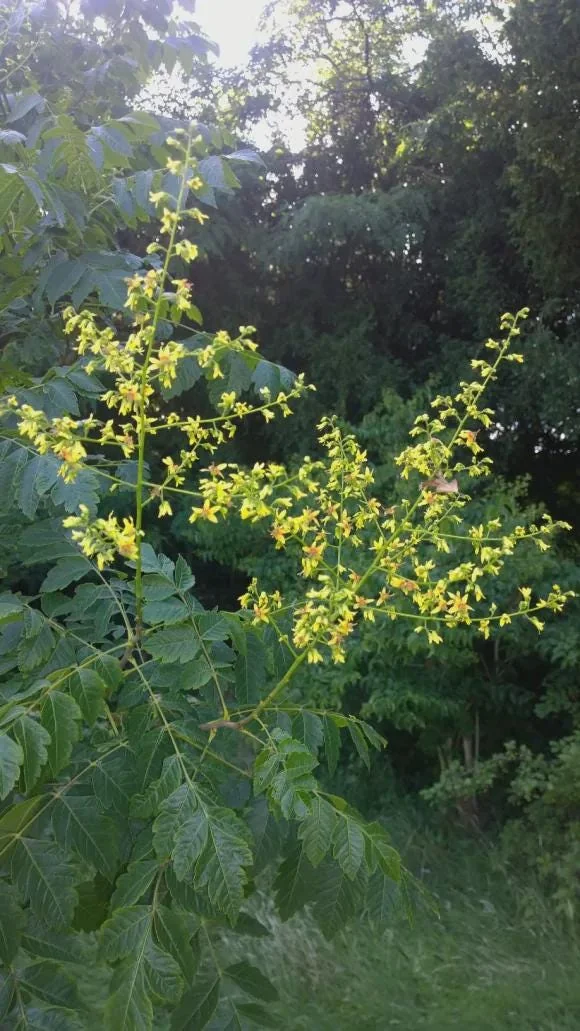
- Spectacular Seasonal Display: Enjoy brilliant panicles of bright yellow flowers in early summer, creating a stunning visual impact. These vibrant blooms are a hallmark of the Koelreuteria paniculata tree.
- Attractive Fall Foliage & Seed Pods: The feathery leaves turn a beautiful yellow in autumn, complemented by unique, lantern-shaped seed capsules that persist through fall and winter, adding extended interest.
- Pollinator Magnet: The abundant yellow flowers are a favorite of bees and other pollinators, contributing to the biodiversity and health of your garden ecosystem.
- Drought and Heat Tolerant: Once established, this ornamental shade tree is remarkably tolerant of dry conditions and heat, making it suitable for various climates and reducing water needs.
- Fast-Growing & Adaptable: The tree grows quickly, establishing a round canopy that provides excellent shade. It adapts to a wide range of soil types, making it a versatile planting option.
- Low Maintenance: This hardy tree requires minimal care once established, making it an ideal choice for both experienced gardeners and those seeking a less demanding addition to their landscape.
- Unique Ornamental Value: Often referred to as the China Tree bare-root, its distinct flowers and seed pods provide a unique aesthetic that sets it apart from more common landscape trees.
Plant Care & Growing Tips
Caring for your Golden Rain Tree bare-root is straightforward, ensuring a thriving and beautiful addition to your landscape. This resilient tree, also known as Koelreuteria paniculata tree, prefers full sun exposure to achieve its best flowering and growth. Plant it in a location where it will receive at least six hours of direct sunlight per day. While it adapts to a variety of soil conditions, well-drained soil is crucial to prevent root rot, especially during its establishment phase. If your soil is heavy clay, consider amending it with organic matter to improve drainage and aeration.
Watering is vital during the tree’s first few growing seasons. Keep the soil consistently moist but not waterlogged. Once established, the Golden Rain Tree bare-root becomes very drought-tolerant, requiring less frequent watering. Fertilization is generally not heavily needed; a balanced, slow-release fertilizer in early spring can support vigorous growth, but avoid over-fertilizing. Pruning is typically done to maintain shape, remove dead or crossing branches, and improve air circulation within the canopy. The tree is hardy in USDA Zones 5-9, making it suitable for a broad range of climates. Protect young trees from harsh winter winds in colder zones.
Keep an eye out for common pests and diseases, though the Golden Rain Tree bare-root is generally quite robust. Aphids or scale insects can occasionally be an issue, which can often be managed with horticultural oil or insecticidal soap. Ensure good air circulation and avoid overhead watering to minimize fungal problems. With these basic care practices, your ornamental shade tree will flourish, providing years of seasonal beauty and enjoyment.
Size & Details
This offering includes two Golden Rain Tree bare-root plants, providing an excellent start for establishing these beautiful specimens in your garden. As an ornamental shade tree, the Koelreuteria paniculata is known for its moderate to fast growth rate. When mature, it typically reaches a height of 30–40 feet with a comparable spread, forming a graceful, round canopy. The bare-root form allows for robust establishment, as the root system can quickly adapt to its new environment. These trees are shipped without soil around their roots, which helps reduce shipping costs and transplant shock, allowing them to focus energy on new growth once planted.
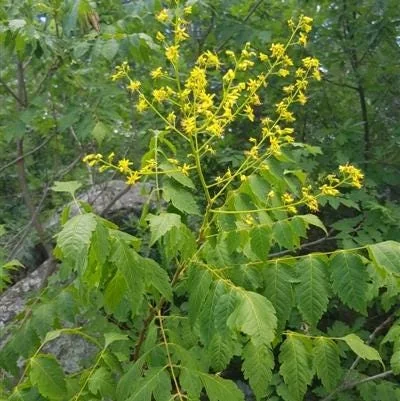
The leaves are compound, featuring 7–17 lobed and toothed leaflets. New foliage emerges with an attractive bronze-pink tint, maturing to a vibrant green before turning a striking yellow in the fall. The characteristic yellow flowers appear in large panicles during early summer, followed by the distinctive papery, lantern-shaped capsules that transition from green to brown. The bark is light gray-brown and becomes more furrowed with age, adding to the tree’s character. Expect your Golden Rain Tree bare-root to begin flowering within a few years of planting, gradually increasing its floral display as it matures. Its ultimate size and impressive visual attributes make it a valuable long-term investment for your landscape.
Frequently Asked Questions
- Q: How big does the Golden Rain Tree bare-root get? A: The Koelreuteria paniculata tree typically grows to a height of 30–40 feet and can spread equally wide, forming a beautiful round canopy at maturity. Its size makes it an excellent choice as an ornamental shade tree.
- Q: When is the best time to plant a Golden Rain Tree bare-root? A: The ideal time to plant bare-root trees, including the Golden Rain Tree bare-root, is in early spring before the tree breaks dormancy. This allows the roots to establish before the stress of summer heat.
- Q: How much sun does a Koelreuteria paniculata tree need? A: The Koelreuteria paniculata tree thrives in full sun, requiring at least 6 hours of direct sunlight per day for optimal growth and flowering. It can tolerate partial sun but may have fewer blooms.
- Q: Is this tree drought tolerant? A: Yes, once established, the Golden Rain Tree bare-root is very drought-tolerant. However, consistent watering is essential during its first few years to help it establish a strong root system.
- Q: What kind of soil does the China Tree bare-root prefer? A: The China Tree bare-root is adaptable to various soil types but prefers well-drained soil. Amending heavy clay soils with organic matter can improve drainage and benefit the tree’s health.
- Q: Will the Golden Rain Tree bare-root attract pollinators? A: Absolutely! The bright yellow flowers produced by the Koelreuteria paniculata tree in early summer are highly attractive to bees and other beneficial pollinators, making it great for supporting local wildlife.
- Q: What USDA Hardiness Zones is this tree suitable for? A: The Golden Rain Tree bare-root is hardy in USDA Zones 5-9, making it a versatile choice for a wide range of temperate climates across the US.
- Q: What is the growth rate of this ornamental shade tree? A: The Golden Rain Tree bare-root is considered a fast-growing tree, meaning it will establish and gain significant height and spread relatively quickly compared to slower-growing species.
- Q: Do the seed pods make a mess? A: The papery, lantern-shaped seed pods are generally considered attractive and add winter interest. While they do eventually fall, they are not typically considered a significant mess compared to fleshy fruits or heavy seed drops from other trees.


Reviews
There are no reviews yet.