Overview
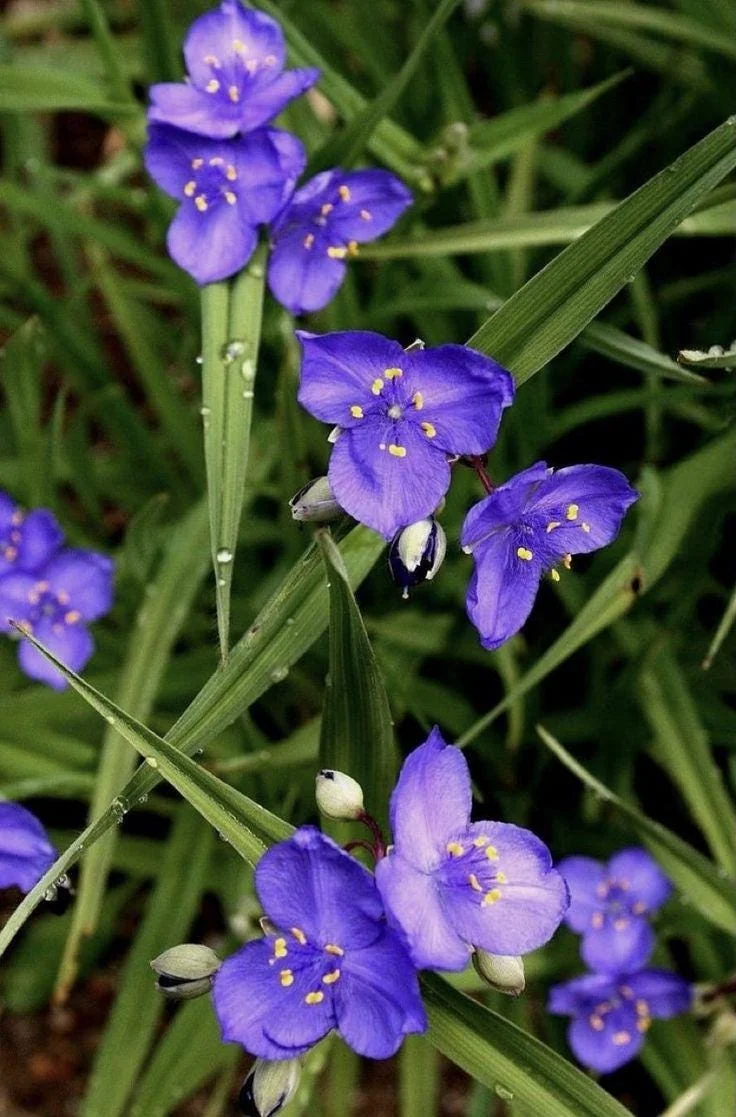
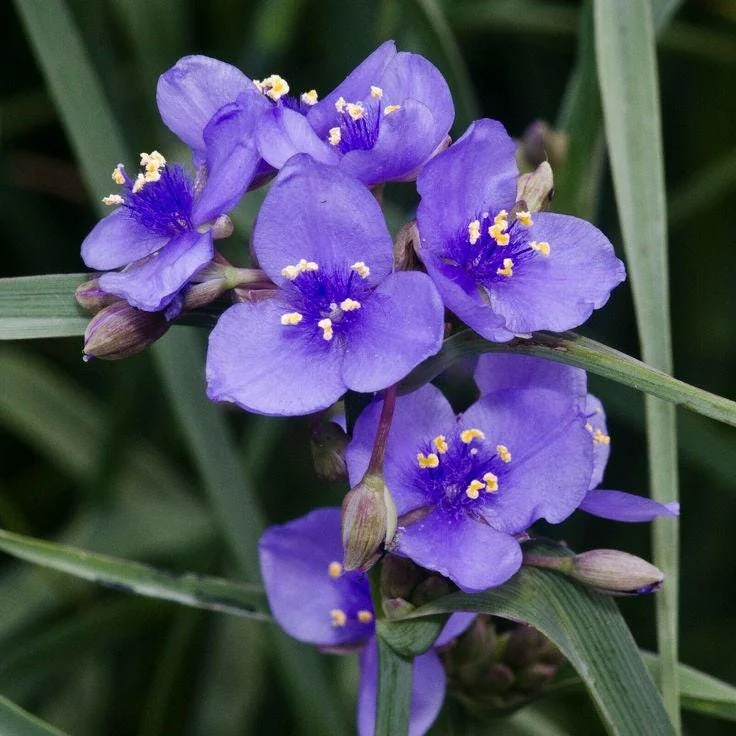
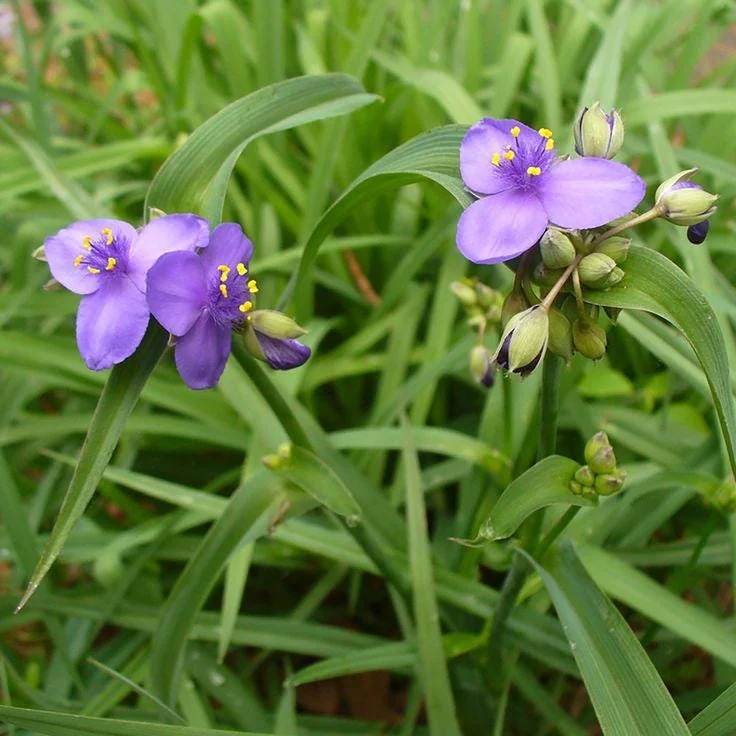
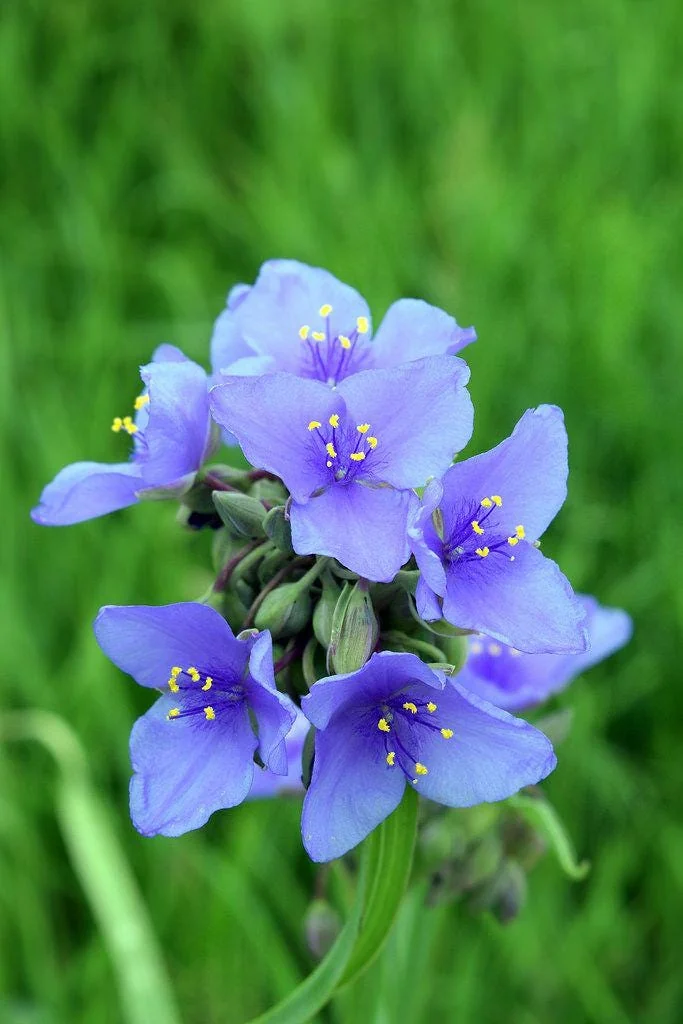
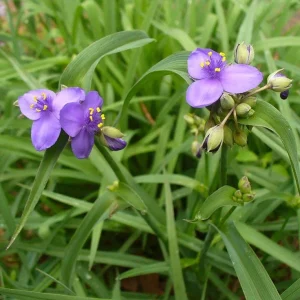
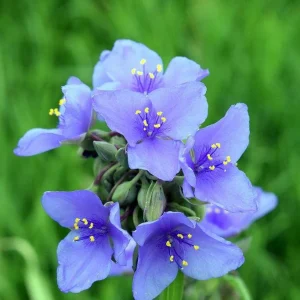
Introducing the captivating spiderwort bare-root plant, botanically known as Tradescantia virginiana. This remarkable perennial is a fantastic addition to any garden, offering unique beauty and an engaging growth habit. The Virginia spiderwort perennial is celebrated for its distinctive three-petaled flowers, which typically display stunning shades of blue or purplish-blue, sometimes even white. These delicate blooms, up to 2 inches across, emerge atop slender, branched stalks, creating a graceful, yet robust, presence in the landscape. Each flower opens in the morning, delighting observers before gracefully closing by midday. Native to the eastern United States, this species is known for its resilience and adaptability, thriving in various conditions and providing consistent visual interest throughout its blooming season. Its long, bright-green, narrow leaves form thick clumps, reaching up to 3 feet in height, adding lush texture to borders and naturalized areas.
The common name, spiderwort, is believed to derive from the angular arrangement of its leaves, which some say resembles a squatting spider, or from the web-like fluid that appears when the flower petals wilt. Beyond its aesthetic appeal, this plant holds scientific interest; the hairs on its stamens are a popular subject for microscopic examination in biology classes due to their easily observable flowing cytoplasm and nucleus. This makes the spiderwort bare-root plant not just a garden beauty, but also a fascinating specimen for educational purposes. Cultivating this perennial offers a continuous show of unique blooms and an engaging story, making it a truly special choice for your outdoor space.
Key Benefits
The spiderwort bare-root plant offers a multitude of benefits for gardeners seeking both beauty and ease of maintenance. Its distinctive characteristics make it a standout choice:
- Unique Floral Display: Enjoy the daily spectacle of vibrant blue or purplish, three-petaled flowers up to 2 inches across. These morning-blooming flowers add a touch of ephemeral beauty to your garden. The showy, yellow stamens contrast beautifully with the blue-violet petals.
- Low Maintenance: This easy-care garden plant requires minimal attention once established, making it perfect for busy gardeners or those new to plant care. Its robust nature means less fuss and more enjoyment.
- Attracts Pollinators: The colorful blooms are a magnet for bees and other beneficial pollinators, contributing to a healthier and more vibrant garden ecosystem. Planting Virginia spiderwort perennial helps support local wildlife.
- Versatile Landscaping: Suitable for a variety of garden settings, from borders and mass plantings to naturalized areas and woodland gardens. Its upright habit and lush foliage provide excellent texture.
- Drought Tolerant: Once established, Tradescantia virginiana exhibits good drought tolerance, reducing the need for frequent watering in drier periods. This resilience contributes to its status as an easy-care garden plant.
- Deer Resistant: Generally, deer tend to leave spiderworts alone, making them a good choice for areas where deer browse is a concern.
- Educational Value: The unique cellular structure visible in its stamen hairs makes it a fascinating plant for educational observation, adding another layer of interest to your garden.
Plant Care & Growing Tips
Proper Tradescantia virginiana care ensures a healthy and flourishing plant with abundant blooms. This perennial is quite adaptable, but providing optimal conditions will maximize its beauty and vigor. For sunlight, Virginia spiderwort perennial thrives in partial shade to full sun. In hotter climates, some afternoon shade is beneficial to protect the flowers from scorching and prolong their bloom time. Aim for at least 4-6 hours of direct sunlight for best flowering, but it can tolerate more shade, though with fewer blooms. The plant is relatively tolerant of various soil types but prefers consistently moist, well-draining soil. Amending heavy clay soils with organic matter will improve drainage, while sandy soils will benefit from compost to retain moisture. Good drainage is crucial to prevent root rot, especially during wetter periods.
Watering should be consistent, especially during dry spells and in its first growing season. Keep the soil evenly moist but not waterlogged. Once established, it can tolerate some drought, but regular watering will encourage more vigorous growth and blooming. The spiderwort bare-root plant is hardy in USDA zones 4-9, making it suitable for a wide range of climates. Fertilization is generally not heavily required; a balanced, all-purpose fertilizer applied in early spring can boost growth, but avoid over-fertilizing, which can lead to leggy growth at the expense of flowers. Deadheading spent flowers can encourage more blooms and prevent excessive self-seeding. Watch out for common pests like slugs and snails, especially on young foliage. Good air circulation helps prevent fungal issues. This easy-care garden plant is quite resilient, making it a joy to grow.
Size & Details
Our spiderwort bare-root plant (Tradescantia virginiana) is shipped as a dormant, healthy bare-root specimen, ready for planting to establish quickly in your garden. Upon maturity, this Virginia spiderwort perennial typically reaches a height of 2 to 3 feet with a similar spread, forming a dense clump of foliage. The bright-green, narrow leaves create an attractive backdrop for the striking blue-violet flowers. Each flower measures up to 2 inches across and features three delicate petals. The growth rate is moderate, establishing well in its first year and expanding its clump size over subsequent seasons. Expect blooms from late spring through early summer, with potential for sporadic reblooming if conditions are favorable and spent flowers are removed. The bare-root form allows for robust root development once planted, ensuring a strong start for your new easy-care garden plant. This form is ideal for transplanting and reduces transplant shock, promoting vigorous growth.
Frequently Asked Questions
- Q: How big does this plant get? A: The spiderwort bare-root plant typically grows to a height of 2 to 3 feet with a similar spread, forming a lovely clump of foliage and flowers.
- Q: Is this an indoor or outdoor plant? A: This Virginia spiderwort perennial is an outdoor plant, ideally suited for garden beds, borders, and naturalized areas. It is not typically grown as an indoor houseplant.
- Q: How much sunlight does it need? A: For optimal Tradescantia virginiana care, it prefers partial shade to full sun. In warmer climates, some afternoon shade is beneficial to protect the flowers.
- Q: What condition will it arrive in? A: Your spiderwort bare-root plant will arrive dormant and without soil, ready for immediate planting. This method ensures a healthy root system for successful establishment.
- Q: Is this plant easy to care for? A: Yes, Tradescantia virginiana is considered an easy-care garden plant. Once established, it requires minimal maintenance, making it suitable for beginners and experienced gardeners alike.
- Q: How long until it blooms? A: While it varies, you can generally expect your blue spiderwort flowers to appear in late spring to early summer of the first year after planting, especially if planted early in the season.
- Q: What’s the minimum temperature it can tolerate? A: This perennial is hardy in USDA Zones 4-9, meaning it can withstand winter temperatures down to approximately -30°F (-34°C) once established.
- Q: Can I get different colors of spiderwort flowers? A: While this specific spiderwort bare-root plant typically produces blue or purplish-blue flowers, some varieties may have white blooms. The description specifies blue-violet (sometimes white) flowers.
- Q: Do these flowers last all day? A: No, the individual blue spiderwort flowers typically open in the morning and close by mid-day, lasting only one day. However, new flowers will appear daily throughout the blooming season.
- Q: Does this plant attract any pests? A: Spiderwort is generally robust, but young plants might occasionally be susceptible to slugs and snails. Good garden hygiene and appropriate pest control measures can manage this.


Reviews
There are no reviews yet.