Overview
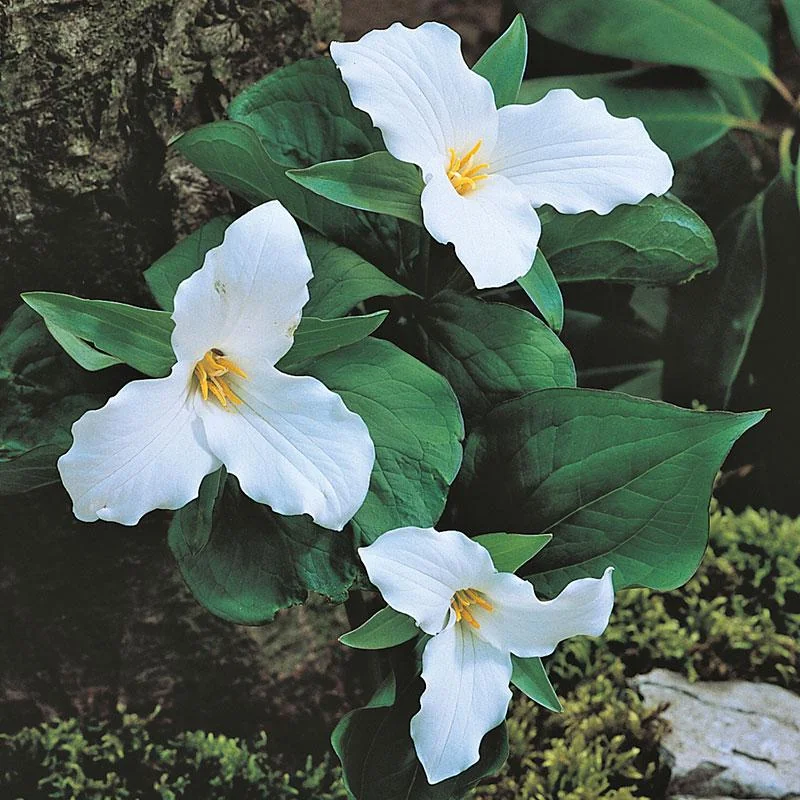
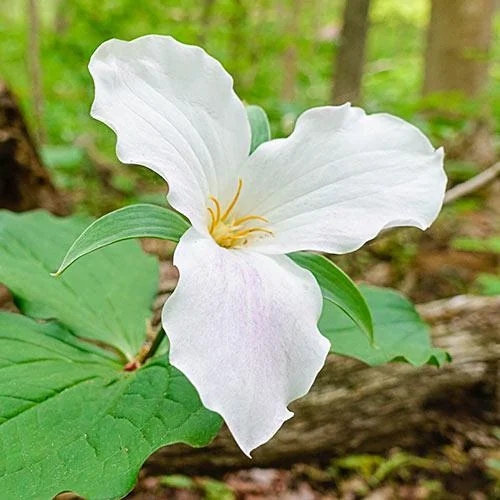
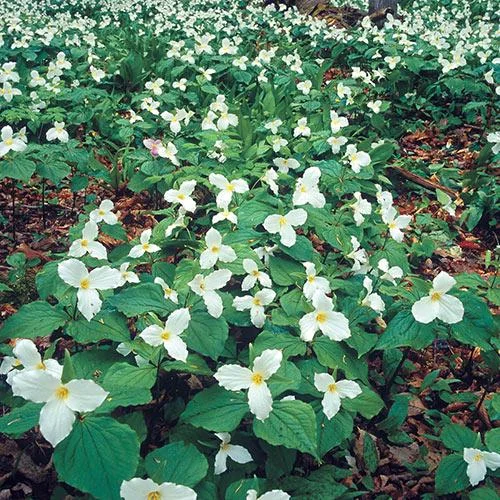
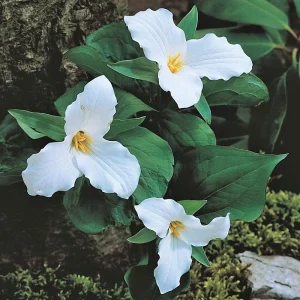
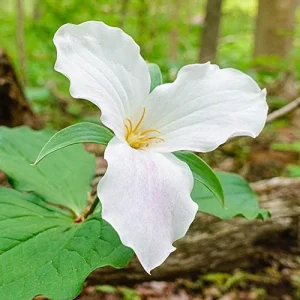
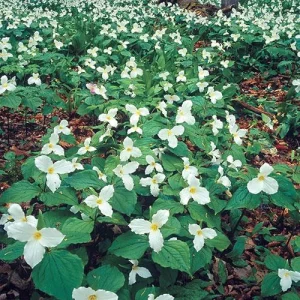
Introduce a touch of native woodland beauty to your garden with Trillium Grandiflorum bulbs. This exquisite herbaceous perennial wildflower, also commonly known as White Wakerobin or Large-flowered Trillium, is celebrated for its stunning pure white, three-petaled flowers that emerge in spring. The scientific name, Trillium grandiflorum, perfectly captures its grandeur. These bulbs are ideal for naturalizing in shaded gardens, woodland settings, or even as a captivating addition to a native plant landscape. Thriving in conditions similar to their natural habitat, such as open dry or rich mesic woods, they are a true delight for any gardener seeking to cultivate a serene and naturally beautiful outdoor space. Plant these Trillium Grandiflorum bulbs to enjoy their yearly spring spectacle.
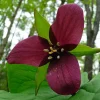
Native to the mountains of North Carolina and Tennessee, the Trillium grandiflorum plant is a resilient and enchanting species. Its varietal epithet, Latin for white, aptly describes the pristine color of its blossoms. Each flower features a distinctive dark purplish ovary in the center, adding subtle depth to its appearance. The green bracts, arranged in a whorl on the stem, provide a lush backdrop to the delicate petals. These bulbs offer an opportunity to cultivate a piece of natural heritage in your own garden, attracting pollinators and providing a serene visual experience.
Key Benefits
Planting Trillium Grandiflorum bulbs offers numerous advantages, enhancing your garden with both aesthetic appeal and ecological value. They are an excellent choice for creating a tranquil and vibrant outdoor environment.
- Stunning Spring Blooms: Enjoy the breathtaking display of large, pure white, three-petaled flowers that emerge reliably each spring. These striking blossoms create a focal point in any shaded garden and are a true harbinger of the season. The elegance of the Trillium Grandiflorum bulbs is unmatched as they brighten up your landscape.
- Native Wildflower Appeal: As a native species, white wakerobin bulbs are perfectly adapted to regional climates, requiring less intensive care once established. They contribute to local biodiversity and create a natural, harmonious garden setting, blending seamlessly with other woodland plants.
- Attracts Pollinators: The flowers’ pollen and nectar are a magnet for various beneficial insects, including bees and yellow jackets, supporting local ecosystems. This makes the Trillium grandiflorum plant an excellent addition for gardeners interested in supporting wildlife.
- Low Maintenance & Perennial: Once planted, these bulbs are remarkably low maintenance. They are a perennial, meaning they return year after year, establishing larger and more impressive clumps over time with minimal effort. This makes Trillium care relatively simple.
- Shade Garden Excellence: Ideal for shaded areas where many other flowering plants struggle. They thrive under the canopy of trees or in north-facing beds, bringing life and color to often-overlooked parts of the garden.
- Ecological Support: Beyond attracting pollinators, the plant serves as a larval host for specific moth species like the black-patched clepsis moth and American angle shades moth, further contributing to a healthy garden ecosystem. Small mammals and ants also benefit from the seeds and fruits.
- Long-Lasting Beauty: With proper care, these bulbs will naturalize and multiply, providing an ever-increasing display of beautiful blooms for many years to come. This makes growing Trillium a rewarding long-term endeavor.
Plant Care & Growing Tips
Successful Trillium care begins with understanding their natural habitat and replicating those conditions in your garden. These woodland wildflowers prefer a location that mimics their native environment, ensuring robust growth and abundant blooms.
Sunlight Requirements: Trillium Grandiflorum bulbs thrive in partial to full shade. They prefer dappled sunlight, especially during the morning hours, or the filtered light found under deciduous trees. Avoid direct, intense afternoon sun, which can scorch their delicate foliage. In their natural setting, they often bloom before the full tree canopy develops, taking advantage of early spring sun.
Watering Schedule & Soil Moisture: Consistent moisture is crucial for Trilliums, especially during their active growing season in spring. The soil should be kept consistently moist but never waterlogged. Good drainage is essential to prevent bulb rot. Reduce watering once the foliage begins to yellow and die back in late summer, as the plant enters dormancy. Ensure the soil does not dry out completely, even during dormancy, as this can harm the bulbs.
Soil Type and Drainage Requirements: These plants prefer a rich, well-draining, slightly acidic to neutral soil. Incorporating plenty of organic matter, such as leaf mold or compost, will greatly improve soil structure, fertility, and moisture retention, mimicking their native woodland floor. A soil pH between 5.0 and 7.0 is generally ideal for the Trillium grandiflorum plant. Excellent drainage is paramount to prevent bulb rot, so amend heavy clay soils with grit or sand if necessary.
Temperature Range and USDA Hardiness Zone: Trillium Grandiflorum bulbs are hardy in USDA Zones 4-9. They require a period of winter dormancy with cold temperatures to initiate spring growth. They are well-adapted to temperate climates with cold winters and moderate summers. Protect newly planted bulbs from extreme temperature fluctuations.
Fertilization Schedule and Type: Trilliums are not heavy feeders. If planted in rich, organic soil, they may not require additional fertilization. However, a light application of a balanced, slow-release organic fertilizer or a top dressing of compost in early spring can be beneficial. Avoid high-nitrogen fertilizers, which can promote leafy growth at the expense of flowers. Over-fertilization can also harm the delicate root system, so moderate Trillium care in this regard is best.
Common Problems and Solutions: Trilliums are generally pest and disease resistant. The primary issues arise from improper growing conditions. Poor drainage can lead to bulb rot; ensure well-draining soil. Slugs and snails may occasionally feed on young foliage; use organic slug baits or hand-pick them. Deer and other browsing animals may be attracted to the tender leaves; consider protective measures like fencing if this is an issue. Ensure proper growing Trillium conditions to prevent most common problems.
Size & Details
Our Trillium Grandiflorum bulbs are carefully selected to ensure vigorous growth and beautiful blooms. When established, the Trillium grandiflorum plant typically reaches a height of 12 to 18 inches (30-45 cm) with a similar spread, creating a lovely clump of foliage and flowers. These bulbs are shipped in their dormant state, ready for planting upon arrival. They will establish themselves over the first growing season, with flowers appearing in the spring following planting, or the second spring if planted late in the season. The bloom period for the large white flowers is typically from early to late spring, lasting for several weeks depending on local conditions. These are long-lived perennials that will naturalize and multiply over the years, forming increasingly beautiful colonies in suitable conditions. The bulbs are mature and ready to produce the iconic white wakerobin flowers.
Frequently Asked Questions
- Q: How big does this plant get? A: The Trillium grandiflorum plant typically grows to a height of 12 to 18 inches (30-45 cm) and can spread similarly, forming attractive clumps over time. Its size makes it a perfect understory plant in shaded gardens.
- Q: Is this an indoor or outdoor plant? A: Trillium Grandiflorum bulbs are outdoor plants. They require a cold dormancy period and thrive in woodland garden settings or shaded outdoor beds, mimicking their natural habitat.
- Q: How much sunlight does it need? A: Trilliums prefer partial to full shade. Dappled sunlight or morning sun is ideal, with protection from harsh afternoon sun which can damage the foliage. This is key for successful Trillium care.
- Q: Is this plant easy to care for? A: Once established in the right conditions, Trilliums are relatively low maintenance. The most important factors are well-draining, rich soil and consistent moisture in a shaded location. This makes growing Trillium quite rewarding.
- Q: What condition will it arrive in? A: Your Trillium Grandiflorum bulbs will arrive in a dormant state, carefully packaged to ensure their health. They will be ready for immediate planting upon receipt, preparing them for spring growth.
- Q: How long until it blooms? A: If planted in the fall, bulbs typically bloom the following spring. If planted in the spring, they may bloom the same year or the following spring once they’ve established their root system. Patience is a virtue when growing Trillium.
- Q: Will it survive winter in my zone? A: Yes, white wakerobin bulbs are hardy in USDA Zones 4-9 and require a cold winter dormancy to flourish. They are well-suited for temperate climates.
- Q: What type of soil do Trillium Grandiflorum bulbs prefer? A: They thrive in rich, well-draining, slightly acidic to neutral soil with plenty of organic matter, such as leaf mold or compost. This mimics their natural woodland environment.
- Q: Are Trilliums deer resistant? A: While generally not their first choice, deer may browse Trillium foliage, especially in areas with high deer populations. Protective measures may be necessary if deer are a common issue in your garden.
- Q: Can I grow Trillium in a container? A: While possible, Trilliums prefer to spread and naturalize. If grown in a container, ensure it is large, has excellent drainage, and is placed in a shaded, cool spot that allows for proper winter dormancy.


Reviews
There are no reviews yet.