



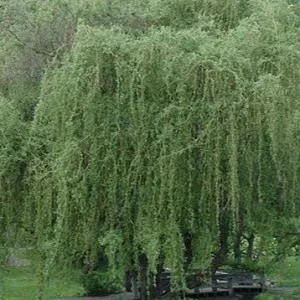
Overview
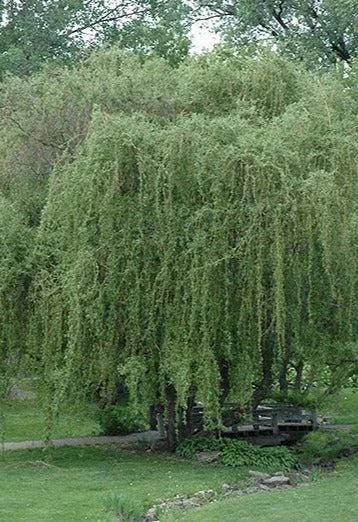
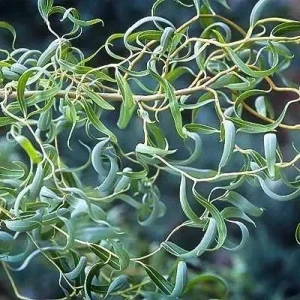
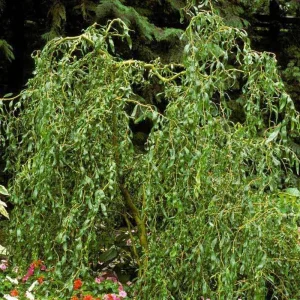
Introducing the captivating corkscrew willow bare root, a unique addition to any landscape that promises year-round visual appeal. This offer includes 2 bare-root plants of the distinctive Salix matsudana ‘Tortuosa’, commonly known as the curly willow plant or dragon’s claw willow. Celebrated for its dramatically twisted and contorted branches, this deciduous tree provides exceptional winter interest, especially after its kinked foliage drops to expose the sculptural framework beneath. These fast-growing, yet relatively short-lived trees thrive in temperate and cooler regions, making them a fantastic choice for many garden enthusiasts looking to create a focal point with minimal fuss. The graceful, yellow-green leaves and unique form make the corkscrew willow bare root an instant conversation starter and a favorite among florists for its cut branches.
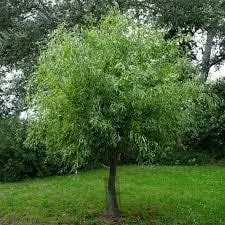
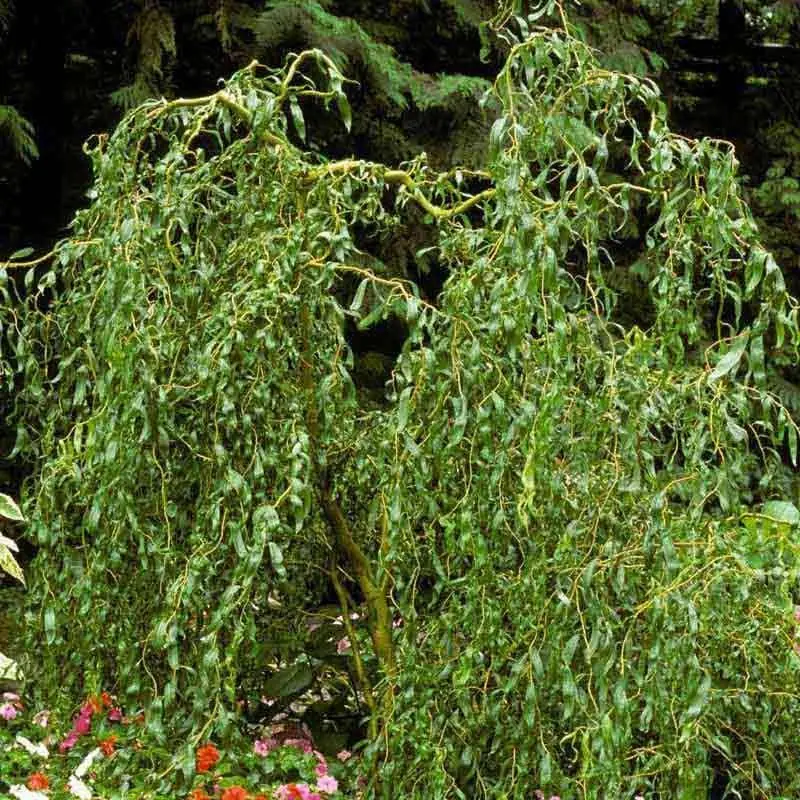
The Salix matsudana ‘Tortuosa’ is a species of willow native to northeastern Asia. Its common names, such as curly willow plant or twisted willow, perfectly describe its most striking feature: the spiraling branches that emerge from the trunk. These trees can reach a mature height of 20-30 feet with a similar spread, creating a substantial presence in the garden. They are particularly well-suited for planting near water features or in areas where their unique form can be admired against a snowy backdrop. If you’re seeking a plant that offers both rapid establishment and undeniable character, these corkscrew willow bare root specimens are an excellent choice for transforming your outdoor environment.
Key Benefits
Adding a corkscrew willow bare root to your garden offers a multitude of benefits, from its stunning aesthetics to its adaptability. These trees are not just plants; they are living sculptures that continually evolve with the seasons, providing dynamic visual interest.
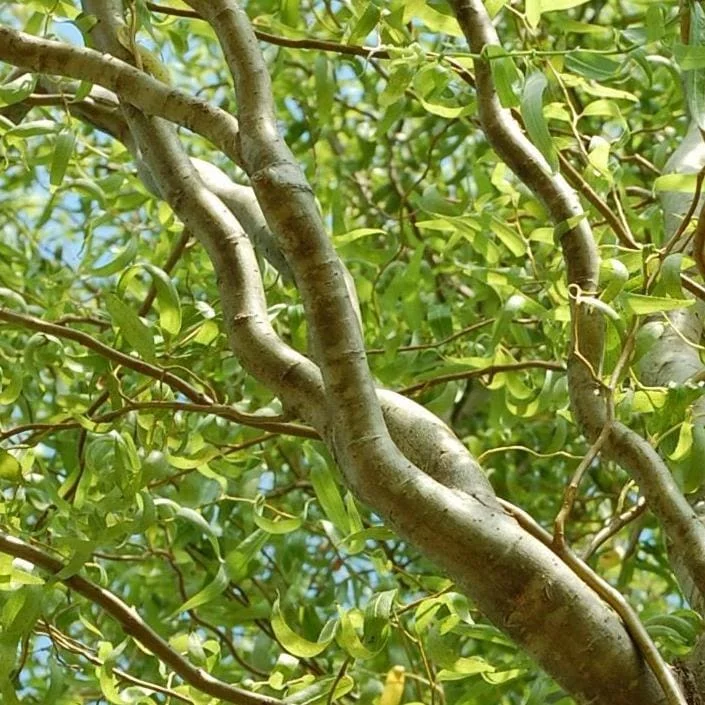
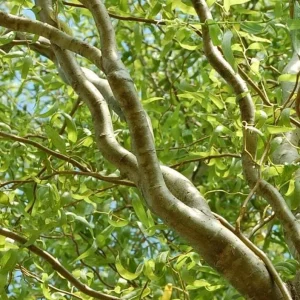
- Exceptional Winter Interest: The primary allure of the corkscrew willow bare root is its bare, twisted, and contorted branches that become a striking feature in the winter landscape, offering architectural beauty when other plants are dormant.
- Fast Growth Rate: These willows grow quickly, allowing you to establish a significant landscape feature in a relatively short period, providing almost instant gratification for your gardening efforts.
- Unique Ornamental Value: The distinctively spiraled branches and twigs make the curly willow plant an outstanding specimen tree, perfect for focal points, riverbanks, or as part of a mixed border.
- Versatile for Floral Arrangements: The contorted branches are highly prized in floral design, adding dramatic texture and form to bouquets and home decor, allowing you to bring a piece of your garden indoors.
- Adaptable to Various Soils: While preferring moist conditions, these willows are quite tolerant of different soil types, as long as they are well-draining, making them easier to establish in diverse garden settings.
- Provides Shade and Shelter: Once mature, the wide, green canopy of a twisted willow tree provides excellent shade on hot summer days, creating a comfortable spot for relaxation or picnics.
- Erosion Control: Like many willows, their extensive root systems can help stabilize soil, making them useful for planting near water bodies to prevent erosion.
Plant Care & Growing Tips
Caring for your corkscrew willow bare root plants is straightforward, especially if you understand their basic needs. These trees are generally low-maintenance once established, making them suitable for both experienced gardeners and those new to planting trees. Proper site selection and initial care are crucial for successful establishment and robust growth of your curly willow plant.
Sunlight Requirements: The corkscrew willow bare root thrives in full sun, meaning it needs at least 6 hours of direct sunlight per day to achieve its best growth and most pronounced twisting. While it can tolerate partial shade, its growth may be less vigorous, and the contorted branches may not be as pronounced. Ensure your planting location provides ample light. Watering Schedule & Soil Moisture: Willows naturally prefer moist to wet soils, making them excellent choices for areas with poor drainage or near water sources. During the first year after planting, water regularly to keep the soil consistently moist, but not waterlogged, especially during dry spells. Once established, they are more tolerant of varying moisture levels but will perform best with consistent moisture. Soil Type & Drainage: These trees are adaptable to a range of soil types, including clay, loam, and sandy soils, as long as they are well-draining. While they can tolerate wet feet, good drainage is still important to prevent root rot. A slightly acidic to neutral pH is ideal for optimal growth of your salix matsudana tortuosa.
Temperature Range & USDA Hardiness Zone: The corkscrew willow bare root is hardy in USDA Zones 4-8. It thrives in temperate and cooler regions but may struggle in hot, humid climates (like Zone 9 and higher) where it can be more susceptible to disease and insect pressure. Protect young plants from harsh winter winds in colder zones. Fertilization Schedule: Generally, a balanced all-purpose fertilizer can be applied in early spring before new growth begins, especially for young trees or those in poor soil. Follow product instructions for application rates. Avoid over-fertilizing, which can lead to excessive leafy growth at the expense of branch development. Pruning: Pruning is best done in late winter or early spring while the tree is dormant. Remove any dead, damaged, or crossing branches. You can also prune to maintain shape or size, or to encourage new, more dramatically twisted growth. Regular pruning can help manage the fast growth of this fast growing willow.
Size & Details
These 2 Corkscrew Willow bare root plants are shipped without soil or a pot, allowing for easier transplanting and establishment. When mature, a curly willow plant typically reaches a height of 20-30 feet with a spread of 15-20 feet, forming an attractive, rounded crown. They are considered a fast growing willow, often adding 2-4 feet of height per year under ideal conditions. The bare root form means the plant is dormant, which is the best time for planting to minimize transplant shock and encourage strong root development.
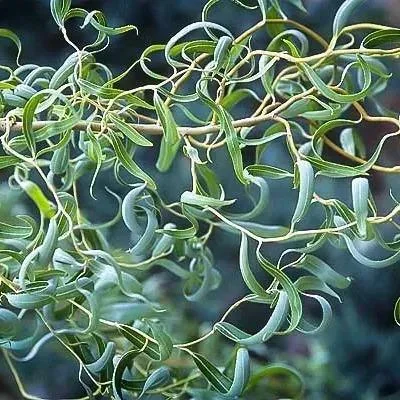
The unique appeal of the salix matsudana tortuosa lies in its distinctive branches that grow in a spiraled, contorted fashion. The leaves are simple, alternate, deciduous, narrow, lance-shaped, with finely toothed margins, appearing yellow-green on both sides. These trees are known for their ornamental value and are often used as specimen trees, in riparian plantings, or for their cut branches in floral arrangements. Expect these bare root plants to establish quickly and begin showcasing their characteristic twists within their first few growing seasons, adding year-round beauty to your landscape.
Frequently Asked Questions
- Q: How big does this plant get? A: A mature corkscrew willow bare root or established tree typically reaches a height of 20-30 feet with a similar spread, creating a substantial and attractive presence in the landscape.
- Q: What condition will the 2 Corkscrew Willow bare root plants arrive in? A: The plants will arrive as 2 Corkscrew Willow bare root specimens, meaning they are dormant and shipped without soil or a pot, ready for immediate planting upon arrival.
- Q: Is this an indoor or outdoor plant? A: The curly willow plant is an outdoor tree, best suited for gardens and landscapes where it can grow to its full size and display its unique features. It is not typically grown as an indoor houseplant.
- Q: How much sunlight does a twisted willow tree need? A: A twisted willow tree thrives in full sun, requiring at least 6 hours of direct sunlight per day for optimal growth and to develop its characteristic contorted branches.
- Q: Is this plant easy to care for? A: Yes, the corkscrew willow bare root is generally considered easy to care for once established, requiring consistent moisture and occasional pruning to maintain its shape and health.
- Q: When is the best time to plant these bare root willows? A: The best time to plant bare root willows is in late winter or early spring, before the tree breaks dormancy, to allow the roots to establish before the heat of summer.
- Q: Will it survive winter in my zone? A: The salix matsudana tortuosa is hardy in USDA Zones 4-8. If you are within these zones, it should survive winter well, though young plants may benefit from some protection in the colder parts of its range.
- Q: What kind of soil does the curly willow plant prefer? A: The curly willow plant prefers moist to wet, well-draining soils, and is adaptable to various soil types including clay, loam, and sand, as long as it doesn’t stay waterlogged.
- Q: How fast does the corkscrew willow grow? A: The corkscrew willow bare root is a fast-growing tree, often adding 2-4 feet of height per year under ideal growing conditions, allowing for quick establishment in your garden.
- Q: Can the branches of the fast growing willow be used for crafts or floral arrangements? A: Absolutely! The distinctively twisted branches of this fast growing willow are highly sought after for floral arrangements, crafts, and as decorative elements, especially during the winter months.


Reviews
There are no reviews yet.