Overview
Introducing the captivating spotted wintergreen bare root plant, scientifically known as Chimaphila maculata. This unique perennial is a small, evergreen herb renowned for its distinctive foliage and charming summer blooms. Native to central and North America, Chimaphila maculata plant is also affectionately called striped wintergreen, striped prince’s pine, or ratsbane, reflecting its varied appearance and historical uses. This plant is a fantastic addition for gardeners looking to add a touch of woodland elegance and year-round interest to their outdoor spaces. Its ability to thrive in shaded conditions makes it an ideal choice for forest gardens or under the canopy of larger trees. The name ‘Chimaphila’, meaning ‘lover of winter’, aptly describes its evergreen nature, remaining vibrant and visible even when other plants have shed their leaves. This resilient evergreen herb offers a subtle beauty that enriches any naturalistic landscape.
Key Benefits
The spotted wintergreen bare root offers numerous advantages that make it a desirable addition to various garden settings. Its unique characteristics contribute to both aesthetic appeal and ecological benefits in your landscape.
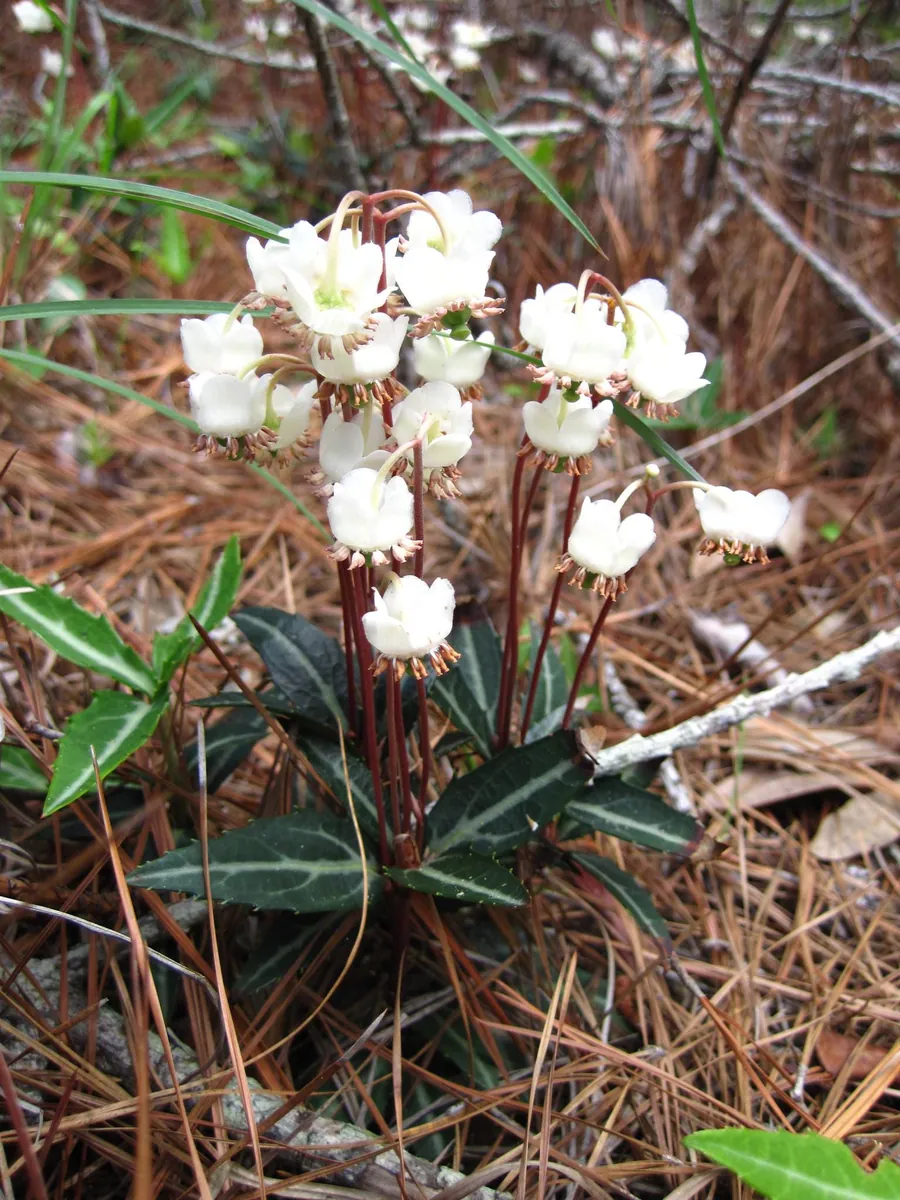
- Distinctive Foliage: The most striking feature of the Chimaphila maculata plant is its mottled dark green and white leaves. This ‘spotted’ or ‘striped’ appearance provides year-round visual interest, especially in winter when other plants are dormant. It’s an excellent way to introduce texture and subtle color to shaded areas.
- Evergreen Nature: As an evergreen herb, spotted wintergreen maintains its foliage throughout the year, ensuring continuous beauty and structure in your garden, even during the colder months. This provides a consistent backdrop for seasonal changes.
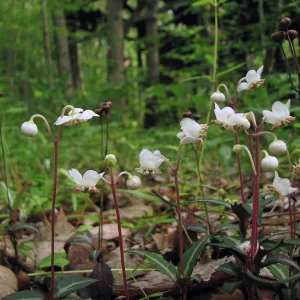
- Delicate Blooms: In late summer, the plant produces lovely pink or white flowers atop a tall, woody stalk. These blooms add a touch of delicate charm to the garden and can attract pollinators. The flowers possess a slight, delicate fragrance, enhancing the sensory experience of your garden.
- Low Maintenance: Once established, striped wintergreen is relatively low-maintenance, preferring undisturbed, naturalized settings. It’s a resilient plant that doesn’t require extensive care, making it suitable for busy gardeners or those seeking a more hands-off approach.
- Deer Resistant: A significant advantage for many gardeners, deer generally avoid this plant. This makes it a great choice for areas where deer browsing is a concern, allowing your plant to flourish undisturbed.
- Shade Loving: Perfectly adapted to shaded woodland environments, this plant thrives where many others struggle. It’s an excellent solution for brightening up dimly lit garden corners or under dense tree canopies, contributing to a lush shade garden plant aesthetic.
- Folk Remedy Uses: Historically, the leaves of spotted wintergreen have been used in some folk remedies, adding an interesting layer to its appeal, though its primary use today is ornamental.
Plant Care & Growing Tips
Caring for your spotted wintergreen bare root plant involves understanding its natural habitat and replicating those conditions as closely as possible. This woodland native thrives in specific environments, and providing these will ensure a healthy and vibrant plant. For optimal growth, the Chimaphila maculata plant prefers partial to full shade. It is commonly found in the understory of forests, so mimicking this light condition is crucial. Aim for areas that receive dappled sunlight throughout the day or morning sun with afternoon shade. Direct, intense afternoon sun can scorch its delicate leaves.
When it comes to watering, consistent moisture is key, but good drainage is paramount. The soil should never be waterlogged, as this can lead to root rot. Water regularly, especially during dry spells, ensuring the soil remains evenly moist but not saturated. A well-draining, humus-rich soil is ideal, mimicking its natural woodland floor environment. Amend heavy clay soils with organic matter like leaf mold or compost to improve drainage and aeration. The plant thrives in acidic to neutral soil pH. This evergreen herb is generally hardy and prefers cooler temperatures. It’s suitable for various USDA hardiness zones, typically found in zones 4-8. Protect it from extreme winter winds, especially in colder regions, with a layer of mulch. Fertilization is usually not necessary. In its natural habitat, it relies on the decomposition of leaf litter for nutrients. If you feel the need to fertilize, use a very light application of a balanced, slow-release organic fertilizer in spring, designed for acid-loving plants. Common problems include root rot from overwatering or leaf scorch from too much sun. Ensure proper site selection and watering practices to prevent these issues. This resilient shade garden plant will reward you with its unique beauty for years to come with proper care.
Size & Details
The spotted wintergreen bare root plant typically grows as a small, low-lying evergreen herb, reaching a modest height of about 4 to 10 inches tall. Its spread can vary, forming small colonies over time through rhizomes, making it an excellent groundcover for shaded areas. When you receive your Chimaphila maculata plant, it will arrive as a bare root specimen, meaning it is shipped without soil or a pot, ready for immediate planting. Bare root plants are often more economical and establish well when planted correctly. While growth rate can be slow initially as it establishes its root system, once settled, it will gradually expand its presence in your garden. The delicate pink or white flowers typically appear in late summer, adding a charming accent to its distinctive foliage. The ‘wintergreen’ in its name refers to its evergreen leaves, not a mint-like scent, as it is not related to the true wintergreen plant Gaultheria procumbens. This unique striped wintergreen is sure to become a conversation piece in your landscape.
Frequently Asked Questions
- Q: How big does the spotted wintergreen bare root plant get? A: This small evergreen herb typically grows to a height of 4 to 10 inches. It forms a low-lying clump and can spread slowly over time, making it an excellent choice for groundcover in shaded areas.
- Q: Is this an indoor or outdoor plant? A: The spotted wintergreen bare root is primarily an outdoor plant, thriving in woodland and shaded garden environments. It is not generally suitable for indoor cultivation due to its specific light and humidity requirements.
- Q: How much sunlight does the Chimaphila maculata plant need? A: This plant prefers partial to full shade. It thrives in dappled light conditions, similar to its natural forest understory habitat. Avoid direct, intense afternoon sun, which can damage its leaves.
- Q: Is this plant easy to care for? Is it good for beginners? A: Once established in the right conditions, striped wintergreen is relatively low-maintenance. However, providing the correct shade and well-draining, consistently moist soil is crucial. It can be a good choice for beginners willing to research and provide its specific environmental needs.
- Q: What condition will the bare root plant arrive in? A: Your spotted wintergreen bare root will arrive dormant, without soil or a pot, ready for planting. This is a common and effective way to ship many perennial plants, ensuring quick establishment upon planting.
- Q: When is the best time to plant a bare root spotted wintergreen? A: The ideal time to plant bare root spotted wintergreen is in the spring or fall when temperatures are moderate. This allows the plant to establish its root system before the stress of summer heat or winter cold.
- Q: Will this shade garden plant survive winter in my zone? A: Chimaphila maculata plant is typically hardy in USDA Zones 4-8. It is an evergreen herb, meaning its foliage persists through the winter, providing year-round interest. Mulching can provide extra protection in colder zones.
- Q: Does the spotted wintergreen have a scent? A: The flowers of the spotted wintergreen bare root have a slight, delicate fragrance. Despite its name, it is not related to true wintergreen and does not have a strong mint-like smell.
- Q: Is the spotted wintergreen deer resistant? A: Yes, deer generally avoid the spotted wintergreen bare root. This makes it an excellent choice for gardens in areas with deer populations, helping to protect your landscape from browsing.
- Q: Can the leaves of spotted wintergreen be eaten? A: While the leaves are noted as edible and have been used in some folk remedies, we recommend consulting with an expert before consuming any wild or garden plants. Our primary recommendation is for ornamental use.


Reviews
There are no reviews yet.