Overview
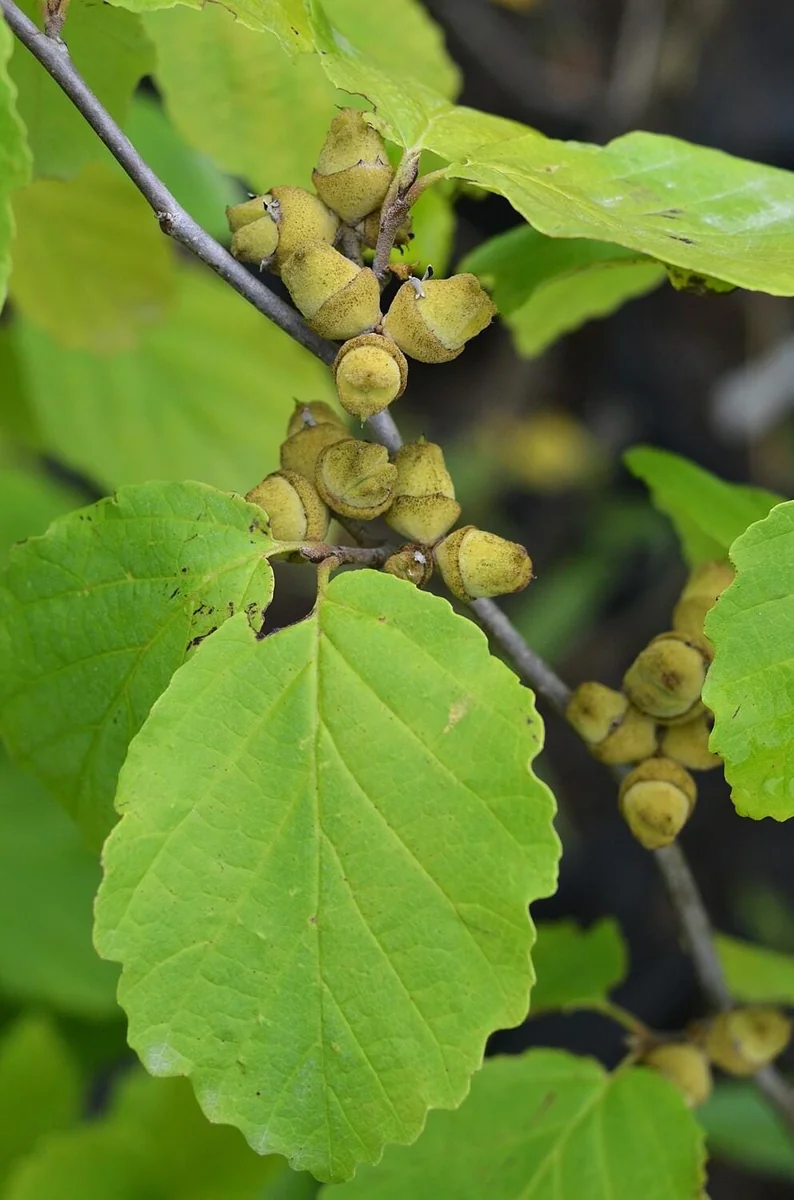
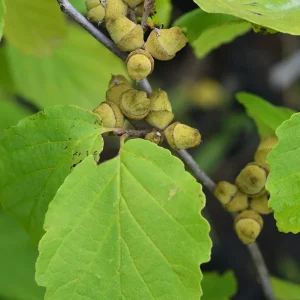
Introduce a touch of natural elegance and year-round interest to your landscape with the common witchhazel bare root plant. This remarkable deciduous shrub, scientifically known as Hamamelis virginiana, is a true gem for any garden. Native to eastern North America, it thrives in a variety of settings, from woodland margins to stream banks, spreading its beauty from Canada to Mexico. What makes the common witchhazel bare root so unique is its ability to display both flowers and fruits simultaneously, a rare botanical feat that adds to its charm. As a bare root plant, it’s ready to establish quickly in your garden, promising a spectacular display of vibrant yellow foliage in autumn and cheerful, spider-like blooms that defy the winter chill. This resilient and adaptable shrub is a must-have for gardeners seeking both beauty and ecological value.
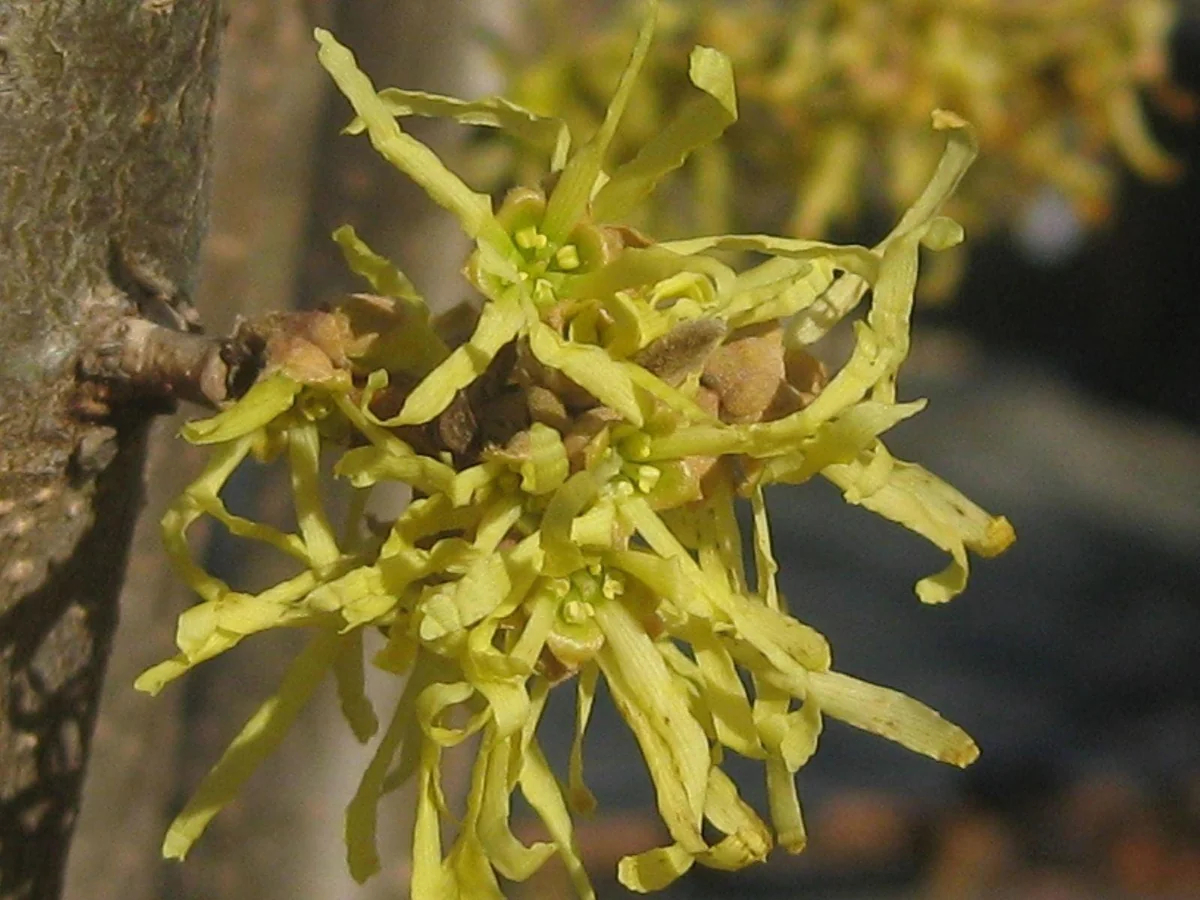
The Hamamelis virginiana plant is celebrated for its multi-season appeal. In the fall, its leaves transform into brilliant shades of yellow, creating a stunning visual impact. This is followed by its distinctive late fall to late winter flowering period, when delicate, ribbon-like yellow petals emerge, bringing a much-needed splash of color to the otherwise dormant landscape. Beyond its aesthetic qualities, the Hamamelis virginiana plant also serves as a crucial host plant for the larvae of the Witch hazel dagger moth, contributing to local biodiversity. Easy to care for and highly adaptable, this plant is an excellent choice for gardeners looking to enhance their outdoor spaces with a native, low-maintenance, and visually rewarding species.
Key Benefits
The common witchhazel bare root offers a multitude of benefits that make it an exceptional addition to any garden or landscape, providing beauty and ecological value throughout the year.
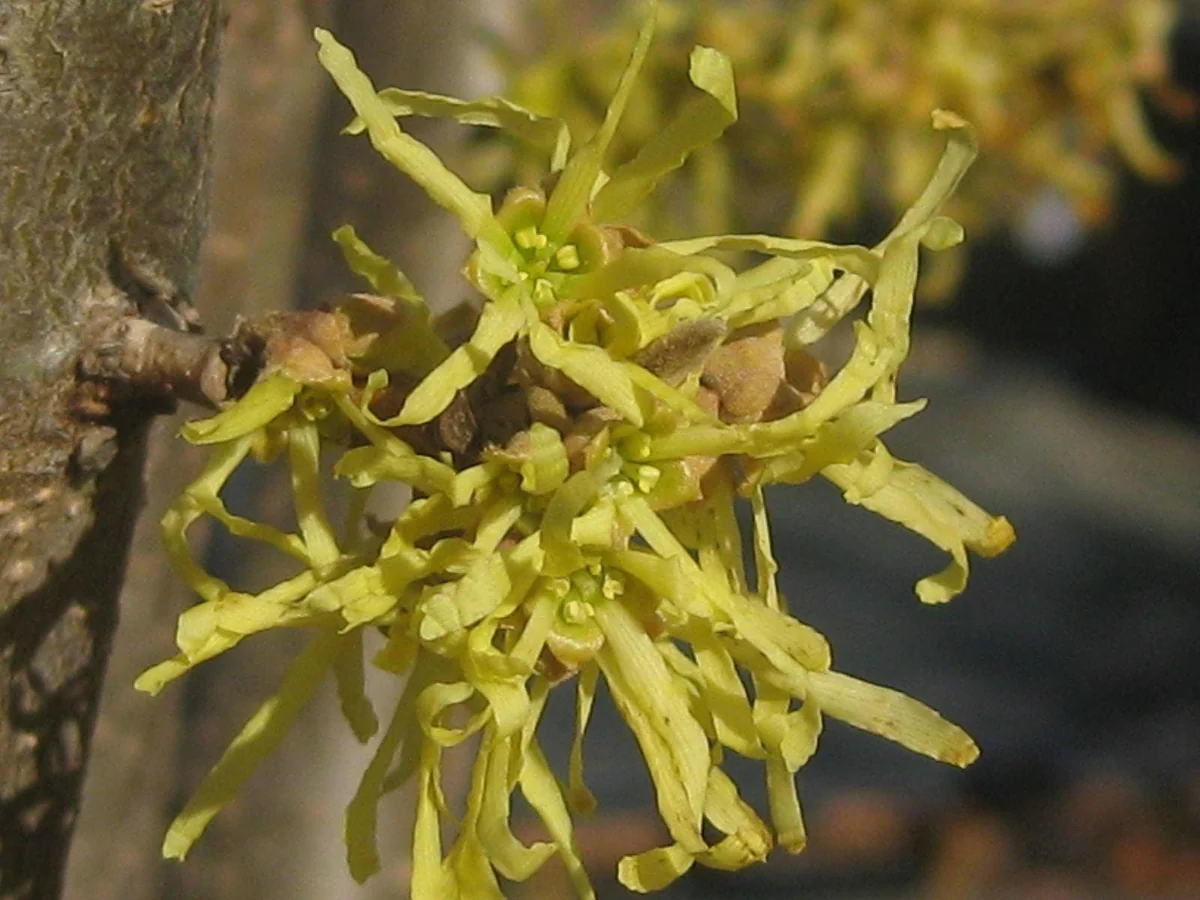
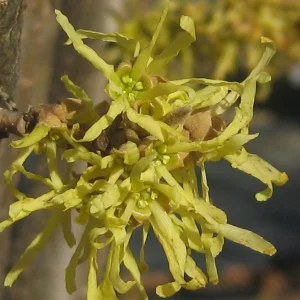
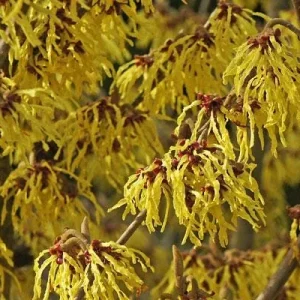
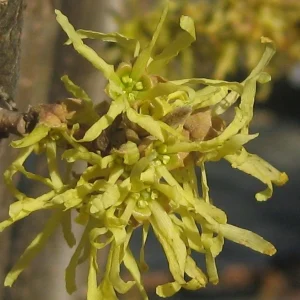
- Stunning Winter Blooms: Enjoy cheerful, fragrant yellow, spider-like flowers that emerge from late fall to late winter, brightening dreary winter landscapes when most other plants are dormant. This makes it an invaluable source of color and interest during colder months, truly making it a winter flowering plant.
- Vibrant Fall Foliage: The leaves of this woody ornamental shrub turn an attractive, brilliant yellow color in the autumn, creating a spectacular display that adds significant visual appeal to your garden.
- Ecological Support: Serves as a vital host plant for the larvae of the Witch hazel dagger moth (Acronicta hamamelis), supporting local insect populations and contributing to a healthy ecosystem. This aspect highlights its role as a native North American plant.
- Versatile Landscaping Use: Can be planted in winter gardens, along woodland margins, or used as a dense screen or tall hedge in spring and summer. It can also be pruned into a small tree for patio plantings.
- Low Maintenance & Resilient: Once established, this witch hazel shrub requires minimal pruning and tolerates heavy clay soil, erosion, and browsing by deer, making it a robust and easy-to-care-for option.
- Adaptable to Light Conditions: Thrives in full sun to partial shade, offering flexibility in planting locations, though full sun promotes the best flowering.
- Historical and Medicinal Value: Beyond its garden appeal, witch hazel has a long history of use in traditional medicine and is a source of extracts used in skincare.
Plant Care & Growing Tips
Caring for your common witchhazel bare root plant is straightforward, making it an excellent choice for both novice and experienced gardeners. For optimal growth and flowering, plant your Hamamelis virginiana plant in a location that receives full sun to partial shade. While it can tolerate some shade, the most abundant and vibrant blooms will be seen when it receives at least 6 hours of direct sunlight daily. Ensure the soil is consistently moist, acidic, and rich in organic matter, with excellent drainage. Although it tolerates heavy clay, amending with compost can significantly improve its health and vigor. Proper soil preparation is key for a thriving witch hazel shrub.
Watering is crucial, especially during dry spells, as the common witchhazel bare root is intolerant of drought. Keep the soil consistently moist but never waterlogged. Fertilization is generally not heavily required; an annual application of a balanced, slow-release fertilizer in early spring can support healthy growth. Pruning is usually minimal, primarily done to maintain its desired shape or to remove any dead or damaged branches. If pruning is necessary, perform it in early spring after flowering has finished, keeping in mind that flowers appear on old growth. This ensures you don’t remove the buds for the upcoming winter display. This native North American plant is relatively pest and disease resistant, making it a robust addition to your landscape.
For optimal establishment of your winter flowering plant, ensure the roots are spread out when planting and buried at the same depth as they were grown. Water thoroughly after planting and continue to water regularly until the plant is well-established. Protecting young plants from extreme winter winds in colder zones can also be beneficial. The plant is hardy across a wide range of USDA zones, making it a versatile choice for many regions.
Size & Details
The common witchhazel bare root plant is typically shipped as a dormant bare root specimen, ready for planting upon arrival. These bare roots are carefully packaged to ensure their vitality during transit, offering a cost-effective and efficient way to establish this beautiful shrub in your garden. Upon planting and establishment, this Hamamelis virginiana plant can mature into a substantial deciduous shrub or small tree, reaching an impressive height of 15 to 20 feet and spreading equally wide. Its growth rate is moderate, allowing it to establish a significant presence in your landscape within a few years. Expect to see its first distinctive yellow blooms from late fall to late winter, adding essential color during the colder months.
The dense canopy of the witch hazel shrub makes it an excellent choice for a natural screen or tall hedge during the spring and summer. As a bare root, it allows for strong root development directly in your garden soil, leading to a more robust and resilient plant over time. This particular offering includes 2 bare root plants, providing an excellent opportunity to create a stunning grouping or to place them in different areas of your landscape. With proper care, these plants will grow into magnificent specimens, providing decades of beauty and ecological benefit as a true native North American plant.
Frequently Asked Questions
- Q: How big does this common witchhazel bare root plant get? A: The Hamamelis virginiana plant typically grows into a large shrub or small tree, reaching heights of 15 to 20 feet with a similar spread. Its size can be managed with occasional pruning to fit your landscape needs.
- Q: Is this an indoor or outdoor plant? A: The common witchhazel bare root is an outdoor deciduous shrub. It is best suited for garden beds, woodland margins, or as a natural hedge, thriving in temperate climates.
- Q: How much sunlight does the witch hazel shrub need? A: This plant prefers full sun to partial shade. For the best flowering performance and most vibrant fall color, a location with full sun is recommended.
- Q: Is this plant easy to care for? A: Yes, the common witchhazel bare root is considered a relatively low-maintenance plant. Once established, it requires minimal pruning and is tolerant of various soil conditions and deer browsing.
- Q: What condition will the bare root plants arrive in? A: Your common witchhazel bare root plants will arrive dormant and carefully packaged to ensure their health and readiness for planting. They will not have leaves or flowers upon arrival.
- Q: When is the best time to plant this winter flowering plant? A: Bare root plants are best planted in early spring, as soon as the soil can be worked, or in late fall after the leaves have dropped, allowing them to establish their root system before extreme weather.
- Q: Will this native North American plant survive winter in my zone? A: Common witchhazel bare root is hardy in USDA zones 3-8, making it suitable for a wide range of climates across North America. It is known for its cold tolerance and ability to flower in winter.
- Q: What type of soil does it prefer? A: It thrives in moist, acidic, organically rich, and well-draining soil. While it tolerates heavy clay, amending with compost can significantly improve its growth and health.
- Q: Can I prune the Hamamelis virginiana plant to keep it smaller? A: Yes, you can prune the witch hazel shrub to maintain its shape and size. The best time to prune is in early spring, right after it finishes flowering, as it blooms on old wood.
- Q: Does it attract wildlife? A: Yes, beyond being a host plant for the Witch hazel dagger moth, its winter blooms can provide an early food source for beneficial insects, and its dense growth offers shelter for birds.


Reviews
There are no reviews yet.