Overview
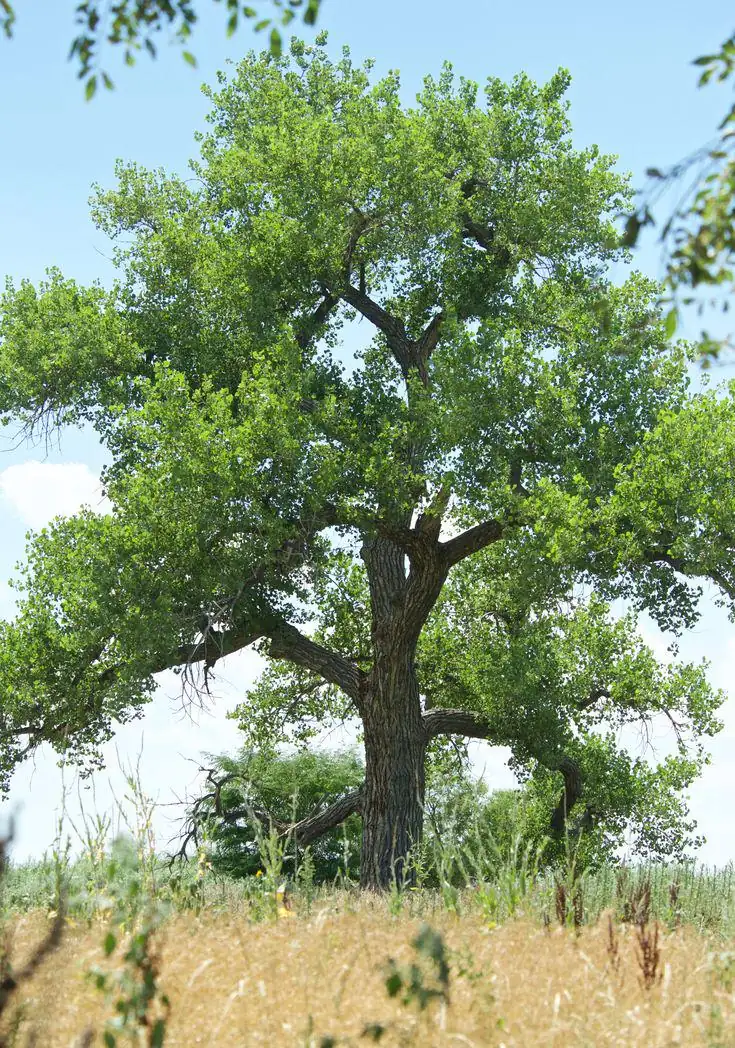
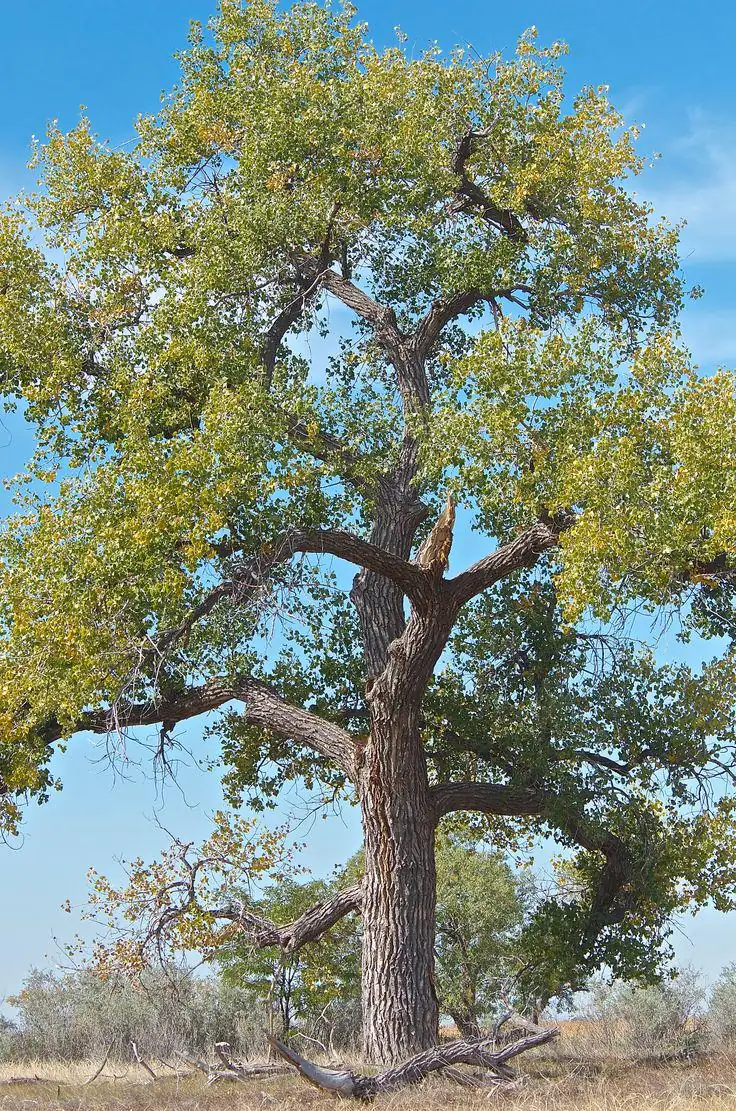
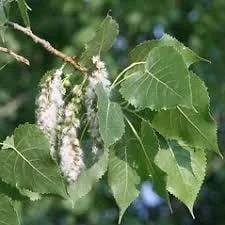
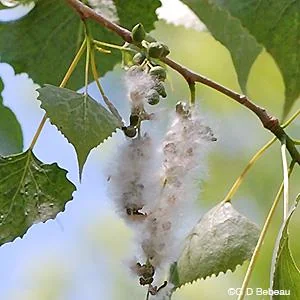
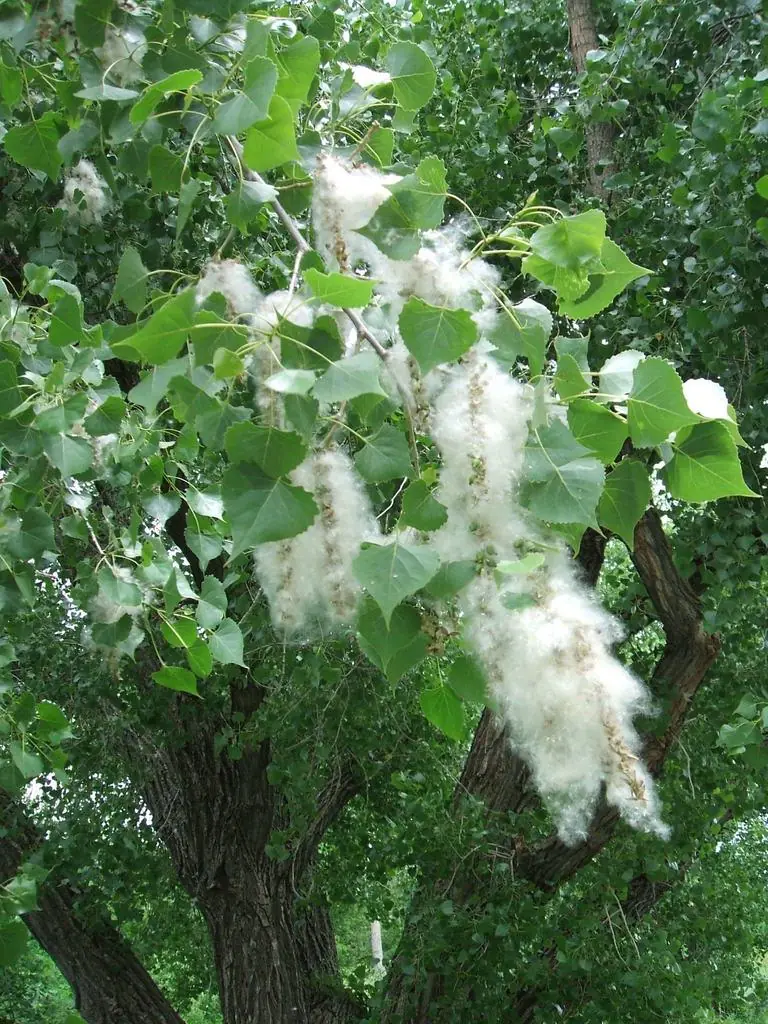
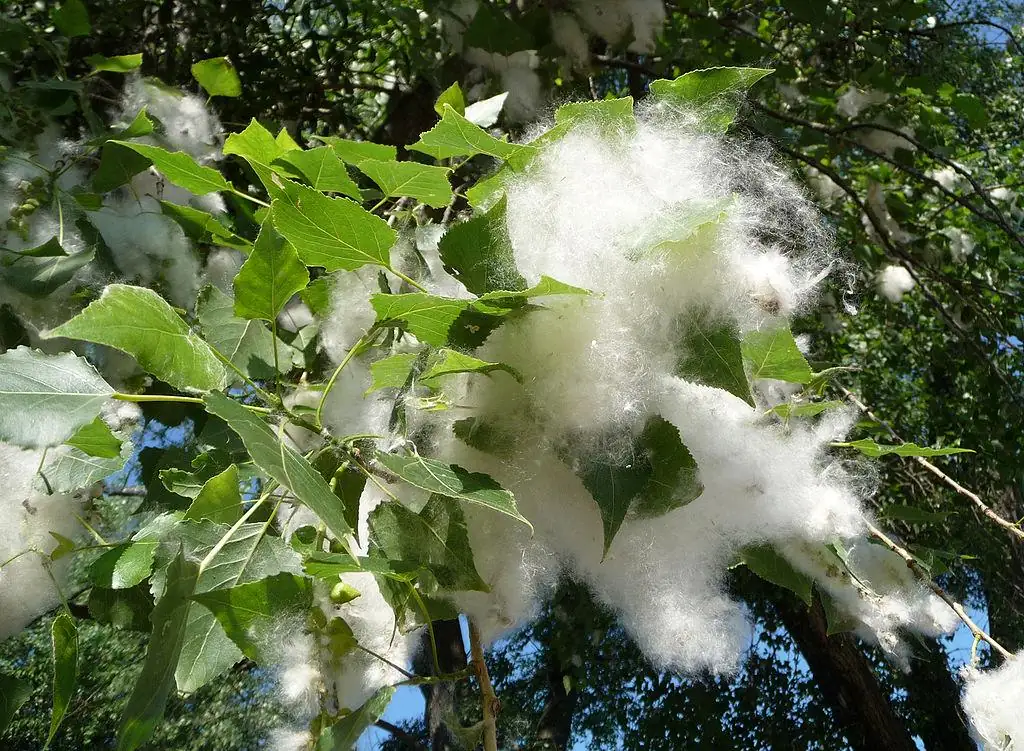
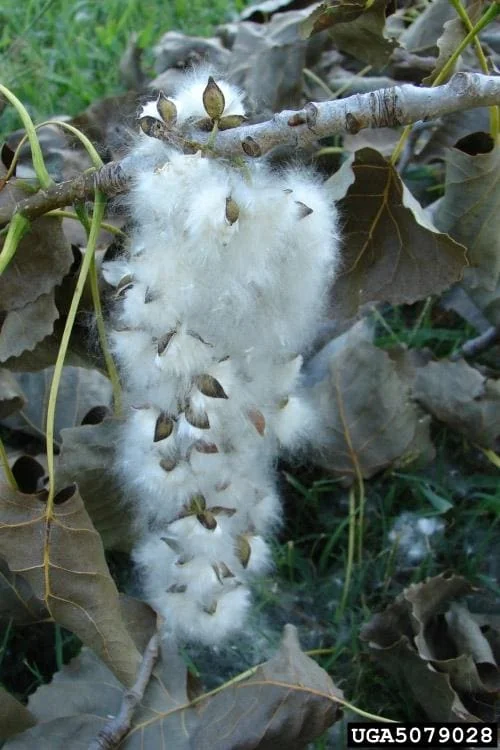
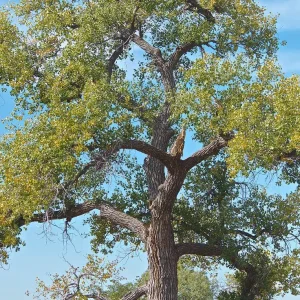
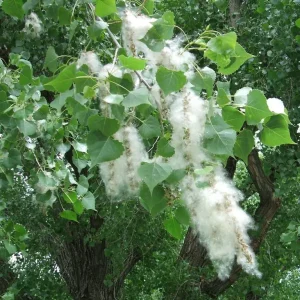
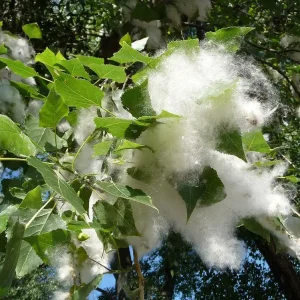
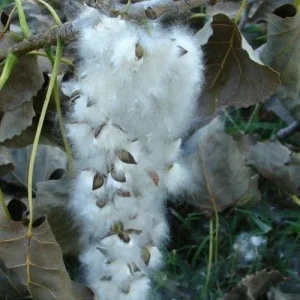
Transform your landscape with the impressive cottonwood tree bare-root (Populus deltoides), a magnificent specimen known for its rapid growth and grand stature. The Eastern Cottonwood is a large, deciduous tree that can reach heights of 75–100 feet or more, occasionally even up to 200 feet, making it an excellent choice for creating significant shade and visual impact in your garden or property. Our offering includes 2 bare-root plants, providing a robust start for these iconic trees. Known for their upright limbs that arch at the tips to form a distinctive vase-shaped outline, these trees are a testament to nature’s grandeur. Before the leaves emerge, you’ll observe catkins, adding early spring interest. The large, papery, toothed, triangular, medium-green leaves transition to a vibrant yellow in the fall, offering a spectacular seasonal display. This Populus deltoides plant is a cornerstone species for many North American ecosystems.
The Eastern Cottonwood tree is a native species, well-adapted to various conditions, particularly moist soils. When planting our cottonwood tree bare-root, you are investing in a long-lived and rewarding addition to your outdoor space. Its vigorous growth habit means you won’t have to wait decades for a substantial tree. From a narrow, conical crown in its youth, it broadens and opens with maturity, providing an expanding canopy. This makes it an ideal fast-growing shade tree for larger properties, parks, or naturalized areas where quick establishment is desired.
Key Benefits
The cottonwood tree bare-root offers a multitude of benefits, making it a popular choice for large-scale landscaping and ecological restoration. These trees are not just fast-growing; they also contribute significantly to the environment and aesthetics.
- Rapid Growth: The primary appeal of the Eastern Cottonwood is its exceptionally fast growth rate, quickly providing shade and a mature landscape appearance. This makes it an ideal fast-growing shade tree for new properties or areas needing quick canopy development.
- Significant Shade Provider: With its large canopy and impressive height, a mature Populus deltoides plant casts extensive shade, helping to cool surrounding areas and providing a comfortable retreat during hot summer months.
- Vibrant Fall Foliage: Enjoy a stunning display as the medium-green, triangular leaves transform into a brilliant yellow in autumn, adding seasonal color to your garden.
- Wildlife Habitat: Cottonwood trees provide valuable habitat and food sources for various wildlife, including birds and insects, contributing to local biodiversity.
- Erosion Control: Their extensive root systems are excellent for stabilizing soil, particularly in riparian zones or areas prone to erosion, making the Eastern Cottonwood tree a practical choice for environmental projects.
- Bare-Root Advantage: Planting cottonwood tree bare-root specimens allows for easier transport and establishment, often leading to quicker root development once planted.
Plant Care & Growing Tips
Caring for your cottonwood tree bare-root plants is straightforward, especially given their robust nature. These trees are adaptable but thrive best with specific conditions. For optimal growth, choose a location with full sun exposure, meaning at least six hours of direct sunlight per day. While young cottonwoods can tolerate some partial shade, they will grow fastest and healthiest in full sun. When planting your Populus deltoides plant, ensure the site has well-draining soil, though cottonwoods are known to tolerate a wide range of soil types, including clay and sandy soils, as long as they don’t remain waterlogged. They naturally prefer moist, rich soils, often found near water sources in the wild.
Watering is crucial, especially during the first few years after planting your cottonwood tree bare-root. Keep the soil consistently moist, but not saturated. Deep, infrequent watering encourages stronger root development. Once established, the Eastern Cottonwood tree becomes more drought-tolerant, but will benefit from supplemental watering during prolonged dry spells. These trees are hardy, typically thriving in USDA zones 3-9. Fertilization is generally not necessary in rich soils, but a balanced, slow-release fertilizer can be applied in spring if soil nutrients are poor. Pruning should focus on removing dead, damaged, or crossing branches to maintain a strong structure and enhance its natural vase shape. Remember, establishing your fast-growing shade tree properly from the start will ensure its long-term health and impressive growth.
Size & Details
This offering includes 2 cottonwood tree bare-root specimens, ready for planting to establish a significant presence in your landscape. Eastern Cottonwoods are renowned for their impressive mature size, typically reaching heights of 75–100 feet, with some exceptional specimens growing up to 200 feet tall. They develop a broad, spreading canopy, making them an excellent choice as a fast-growing shade tree. The bare-root format means the trees are shipped without soil around their roots, which helps reduce shipping weight and often promotes quicker establishment once planted, as the roots directly interact with the native soil.
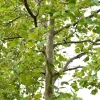
The initial shape of a young Populus deltoides plant is often narrow and conical, maturing into a more open, vase-shaped outline. While the exact growth rate will depend on local conditions, cottonwoods are among the fastest-growing deciduous trees, quickly adding several feet of height per year in ideal settings. Expect to see significant development within a few seasons. The bark, light gray and smooth on young trees, darkens and becomes deeply furrowed with age, offering a rugged texture that can withstand minor fire damage. These trees are known for their resilience and ability to thrive in various environments, making them a reliable choice for long-term landscaping projects.
Frequently Asked Questions
- Q: How big does this cottonwood tree bare-root get? A: Eastern Cottonwood trees are known for their impressive size, typically reaching 75 to 100 feet tall, with some individuals growing even taller, up to 200 feet. They develop a large, spreading canopy, making them an excellent choice for a fast-growing shade tree.
- Q: Is this an indoor or outdoor plant? A: The Eastern Cottonwood tree (Populus deltoides) is a large outdoor tree. It is not suitable for indoor cultivation due to its significant size and specific environmental needs.
- Q: How much sunlight does it need? A: A Populus deltoides plant thrives in full sun, requiring at least six hours of direct sunlight per day for optimal growth and health. While it can tolerate some partial shade, growth will be slower.
- Q: Is this plant easy to care for? A: Yes, once established, the cottonwood tree bare-root is relatively low-maintenance. Its main requirements are consistent moisture during establishment and full sun. It’s a robust tree suitable for various landscapes.
- Q: What condition will the bare-root trees arrive in? A: Your 2 cottonwood tree bare-root specimens will arrive dormant, without soil around their roots, carefully packaged to maintain their viability for planting. This is a standard and effective method for shipping deciduous trees.
- Q: When is the best time to plant a bare root tree planting guide advises planting this tree? A: The best time to plant bare-root trees like the Eastern Cottonwood is in early spring, after the last hard frost but before the tree breaks dormancy and begins to leaf out. Fall planting can also be successful in milder climates.
- Q: Will the Eastern Cottonwood tree survive winter in my zone? A: The Eastern Cottonwood is very hardy and typically thrives in USDA Hardiness Zones 3 through 9, making it suitable for a wide range of climates across the US.
- Q: What type of soil does a Populus deltoides plant prefer? A: While adaptable, the Populus deltoides plant prefers deep, moist, well-draining soils. It can tolerate a variety of soil types, including clay and sand, as long as they don’t remain waterlogged.
- Q: How quickly will this fast-growing shade tree grow? A: The Eastern Cottonwood is one of the fastest-growing native trees in North America, often adding several feet of height per year under ideal growing conditions, quickly providing a substantial canopy.
- Q: Are there any common issues with the cottonwood tree bare-root? A: Cottonwoods are generally healthy but can be susceptible to certain leaf diseases or insect pests. Maintaining good cultural practices, like proper watering and site selection, helps prevent most problems.


Reviews
There are no reviews yet.