Overview
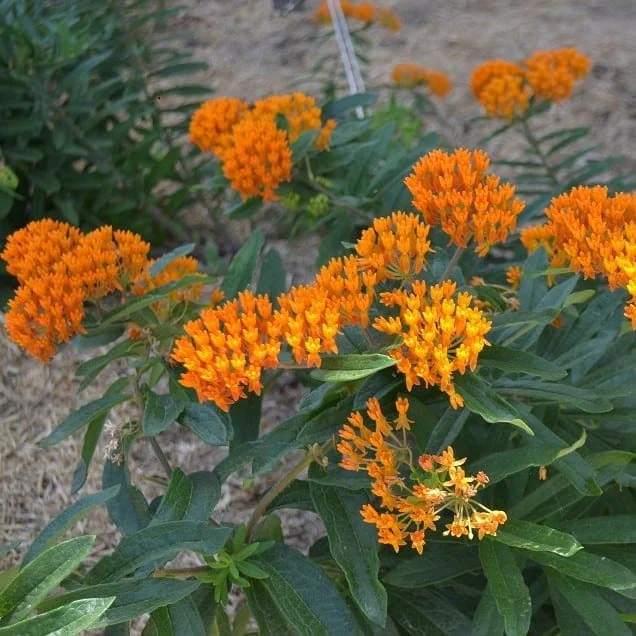
Introduce the captivating beauty of the orange butterfly milkweed bare-root plant to your garden. This remarkable herbaceous perennial, scientifically known as Asclepias Tuberosa, is a true magnet for pollinators, especially monarch butterflies, making it an essential addition to any wildlife-friendly landscape. Unlike other milkweeds, this species is noted for its lack of milky sap, offering a unique appeal while still providing vital support for butterfly populations. Often found growing wild in meadows and prairies, this native plant is incredibly resilient and easy to care for, thriving in a variety of untamed environments. Planting an orange butterfly milkweed bare-root ensures you’re contributing to the conservation of these magnificent winged creatures, while also enjoying a spectacular display of bright orange-to-yellow blooms from late spring through summer. It’s a must-have for gardeners looking to create a thriving ecosystem right in their own backyard.
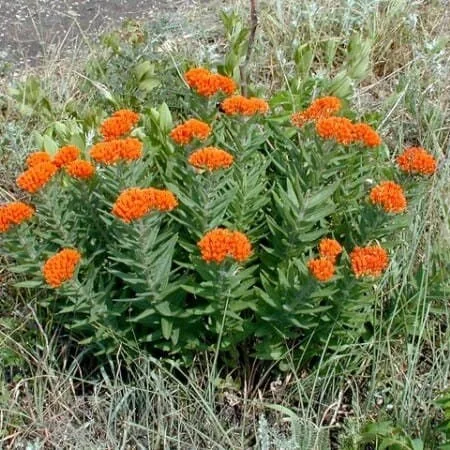
The asclepias tuberosa perennial grows from robust tuberous roots, forming a clump that reaches a height of one to two feet. Its glossy-green, lance-shaped leaves provide a lush backdrop for the vibrant flower clusters. This plant is a long-term investment for your garden, establishing slowly but rewarding patience with years of dazzling color and a constant buzz of activity from visiting insects. If you’re passionate about supporting pollinators and desire a low-maintenance yet high-impact plant, the orange butterfly milkweed bare-root is an excellent choice.
Key Benefits
The orange butterfly milkweed bare-root offers a multitude of benefits for both your garden and the local ecosystem, making it a highly desirable plant:
- Exceptional Pollinator Attractor: This plant is world-renowned for its ability to draw in a diverse array of pollinators, including monarch butterflies, bees, and other beneficial insects. Its nectar-rich flowers provide a vital food source, making it a cornerstone for a vibrant, living garden.
- Monarch Butterfly Host Plant: As a type of milkweed, Asclepias Tuberosa serves as a critical host plant for monarch butterfly larvae. Planting this native milkweed plant directly supports the monarch life cycle, helping to boost their populations.
- Vibrant and Long-Lasting Blooms: Enjoy a spectacular display of bright orange-to-yellow flowers that bloom from late spring until late summer, typically for about two months. These cheerful colors add a beautiful focal point to any garden design.
- Drought Tolerant and Low Maintenance: Once established, the asclepias tuberosa perennial is remarkably drought-tolerant and requires minimal care, making it an ideal choice for busy gardeners or those in drier climates.
- Deer and Rabbit Resistant: Gardeners often struggle with pests, but this plant is generally left alone by deer and rabbits, allowing its beauty to shine without constant intervention.
- Enhances Biodiversity: By attracting a wide range of insects and butterflies, this plant significantly increases the biodiversity of your garden, creating a healthier and more resilient ecosystem.
- Natural Wildflower Appeal: With its origins as a native wildflower, the orange butterfly milkweed bare-root brings a charming, untamed beauty to your landscape, perfect for naturalistic plantings or cottage gardens. It’s truly an amazing orange pollinator plant.
Plant Care & Growing Tips
Caring for your orange butterfly milkweed bare-root is relatively straightforward, especially once it’s established. This tough asclepias tuberosa perennial thrives with minimal intervention when its basic needs are met. For optimal growth and prolific blooming, ensure it receives full sun exposure, meaning at least six to eight hours of direct sunlight per day. It can tolerate some partial shade, particularly in hotter climates, but flowering may be reduced. Its ideal temperature range is broad, reflecting its native habitat across much of North America. It is generally hardy in USDA Zones 3-9, making it suitable for a wide range of climates.
When planting your orange butterfly milkweed bare-root, choose a location with well-draining soil. This plant is highly intolerant of wet feet and will rot in heavy, poorly-drained conditions. Sandy or rocky soils are often preferred, mimicking its natural prairie environment. Amend heavy clay soils with organic matter and grit to improve drainage. Watering should be consistent during the establishment phase, typically the first year, to help the roots take hold. Once mature, it is remarkably drought-tolerant and will only need supplemental watering during extended dry spells. Overwatering is a common mistake and should be avoided. Fertilization is rarely necessary for this native plant, especially if planted in reasonably fertile soil. An annual application of compost around the base in spring can provide sufficient nutrients. This butterfly garden plant is known for its resilience to pests and diseases, further reducing its maintenance demands.
Be patient with your orange butterfly milkweed bare-root; it is known to be slow to establish and may not bloom in its first year, sometimes taking up to three years to flower. However, the wait is well worth it for the spectacular show and the ecological benefits it provides as a vital native milkweed plant. Deadheading spent flowers can encourage more blooms and prevent self-seeding if desired, but allowing some seed pods to mature will provide food for birds and allow for natural propagation. This orange pollinator plant is a long-term investment in your garden’s health and beauty.
Size & Details
The orange butterfly milkweed bare-root plant, Asclepias Tuberosa, typically grows to a mature height of one to two feet (30-60 cm) with a similar spread, forming an attractive clump. It is a moderate grower, taking its time to establish a robust root system. This plant is shipped as a bare-root specimen, meaning it will arrive without soil or a pot, ready for direct planting in your garden. Bare-root plants often establish more quickly in their new environment once planted correctly, as they are not experiencing transplant shock from a different soil type. While it may not bloom in its first year, expect vibrant orange-to-yellow flowers to emerge from late spring to late summer in subsequent years, providing a continuous display for approximately two months. This resilient perennial is a long-lived addition to the landscape, offering years of beauty and ecological benefit.
Frequently Asked Questions
- Q: How big does the orange butterfly milkweed bare-root get? A: This plant typically grows to a height of 1 to 2 feet (30-60 cm) with a similar spread, forming a clump. Its size can vary slightly based on growing conditions and climate.
- Q: How much sunlight does this asclepias tuberosa perennial need? A: For best results and abundant blooms, the orange butterfly milkweed bare-root requires full sun exposure, meaning at least 6-8 hours of direct sunlight per day. It can tolerate some partial shade, especially in hot climates, but flowering may be reduced.
- Q: Is this plant easy to care for? A: Yes, once established, the orange butterfly milkweed bare-root is considered a very low-maintenance plant. It is drought-tolerant and generally pest and disease resistant, making it an excellent choice for gardeners of all skill levels.
- Q: What condition will the native milkweed plant arrive in? A: Your orange butterfly milkweed bare-root will arrive as a dormant bare-root plant, meaning it will be shipped without soil or a pot. This is a common and effective way to ship many perennials and allows for easy planting upon arrival.
- Q: Is the orange butterfly milkweed bare-root safe for pets and children? A: While many milkweeds have toxic milky sap, Asclepias Tuberosa (butterfly weed) does not. It is considered mildly toxic if ingested in very large quantities, but it has much lower toxicity levels compared to other milkweed varieties, making it a safer option for homes with children or pets.
- Q: How long until this orange pollinator plant blooms? A: Butterfly milkweed is known to be slow to establish. It often does not bloom in its first year after planting and may take up to three years before it produces its first flowers. However, once it starts, it will bloom reliably each year from late spring to late summer.
- Q: What USDA Hardiness Zones is this butterfly garden plant suitable for? A: The orange butterfly milkweed bare-root is hardy in USDA Zones 3-9, making it adaptable to a wide range of climates across the United States.
- Q: Can I grow this plant in a container? A: Yes, you can grow butterfly milkweed in a large container, provided it has excellent drainage and receives full sun. Ensure the container is large enough to accommodate its tuberous root system.
- Q: Does asclepias tuberosa perennial attract monarch butterflies? A: Absolutely! Asclepias Tuberosa is a vital host plant for monarch butterfly caterpillars and a significant nectar source for adult monarchs, making it an essential plant for supporting their populations.
- Q: What kind of soil does it prefer? A: This plant thrives in well-draining soil, including sandy, gravelly, or loamy types. It is crucial to avoid heavy clay soils that retain too much moisture, as this can lead to root rot.


Reviews
There are no reviews yet.