Overview
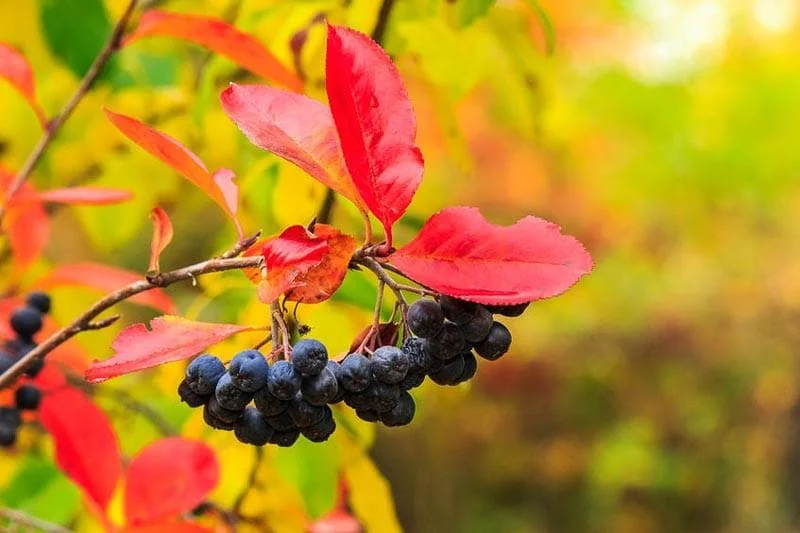
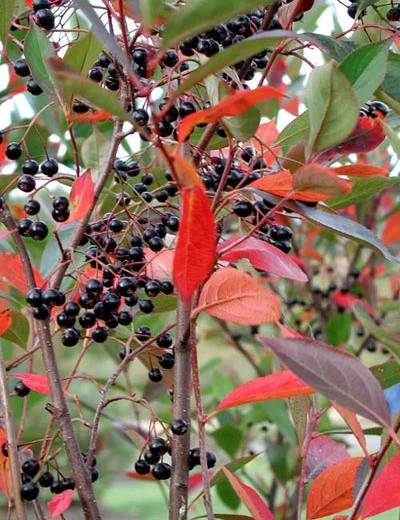
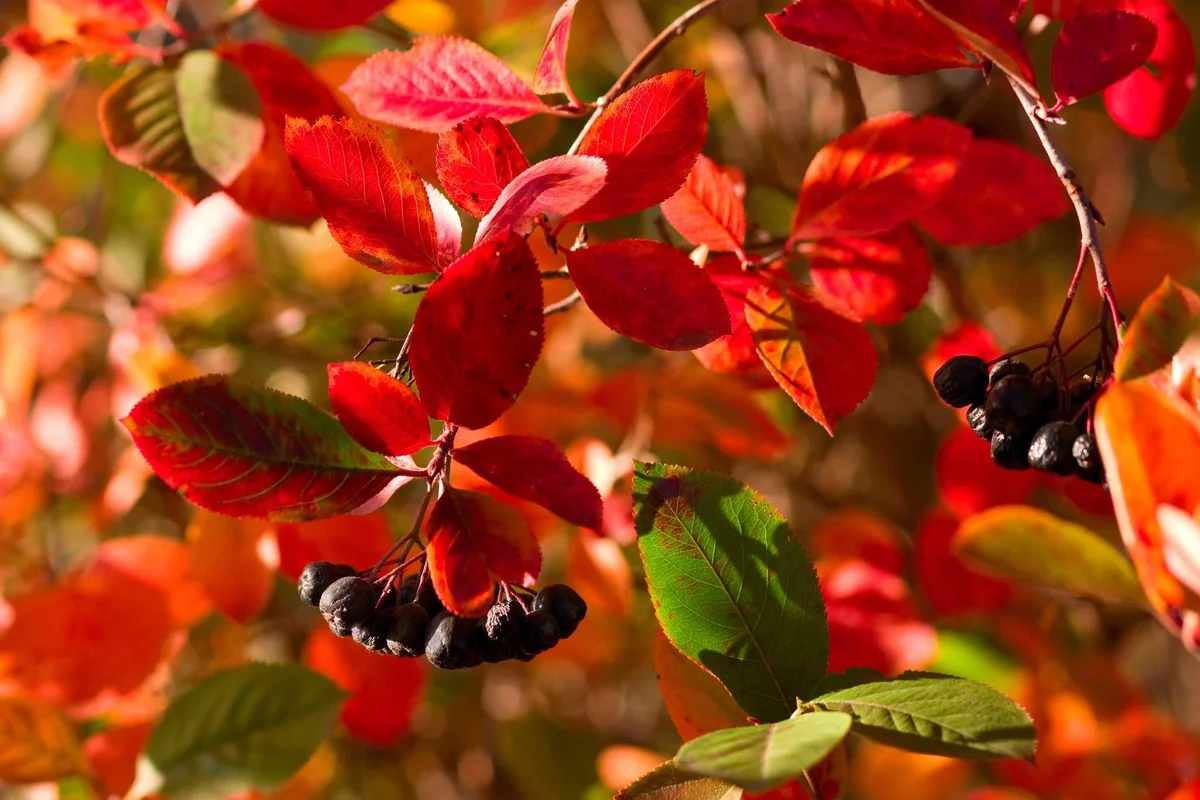
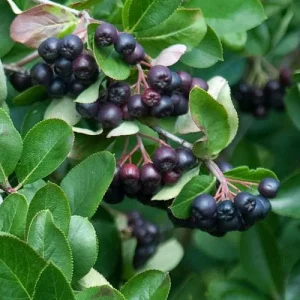
Introduce a powerhouse of seasonal beauty and health benefits to your garden with the Black Chokeberry bare root plant. This incredible native North American shrub, scientifically known as Aronia melanocarpa, is celebrated for its remarkable adaptability and multi-season appeal. From its glossy green leaves that explode into fiery red and orange hues in autumn, to the delicate clusters of white flowers in spring, and finally, the prized dark purple-black berries that ripen in late summer, the Aronia melanocarpa plant offers year-round interest. These bare root specimens provide an excellent starting point for establishing a robust and productive chokeberry patch, perfect for those looking to enhance their landscape with a plant that is as beautiful as it is beneficial. Its resilience and low-maintenance nature make it a top choice for gardeners of all experience levels.
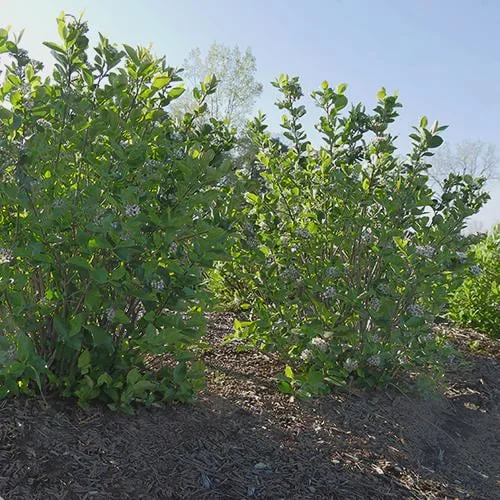
The Black Chokeberry bare root is a multi-stemmed, suckering plant that naturally forms dense thickets, providing excellent ground cover and wildlife habitat. It’s incredibly versatile, thriving in a wide range of conditions from full sun to partial shade and tolerating various soil types, from wet to average. While the berries are famously tart when raw, they are exceptionally rich in antioxidants and transform into delicious jams, jellies, juices, and wines when cooked. This plant is not only a fantastic addition for its ornamental value but also for its contribution to a healthy, edible landscape, making it a truly dual-purpose plant for any garden.
Key Benefits
The chokeberry shrub is a true garden hero, offering a multitude of advantages for both the gardener and the environment. Its robust nature and diverse appeal make it a standout choice for various landscape designs and functional purposes. Incorporating this plant into your garden brings numerous rewards:
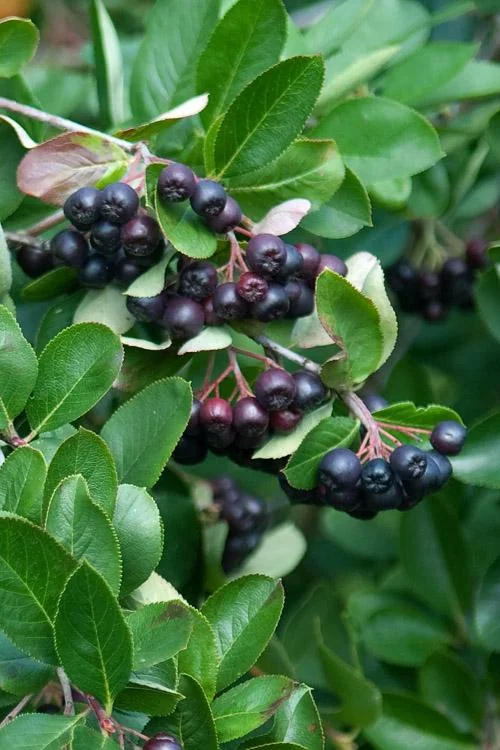
- Exceptional Edible Berries: The small, dark purple-black berries are packed with antioxidants, making them a superfood. While tart raw, they are perfect for making nutritious and delicious jams, jellies, juices, and baked goods. This makes it a fantastic edible landscape plant.
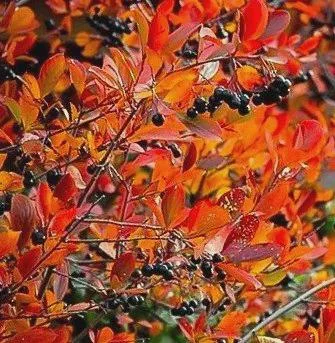
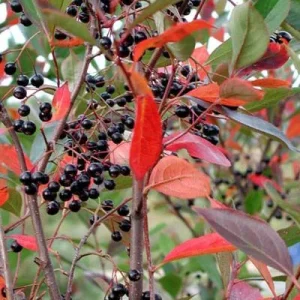
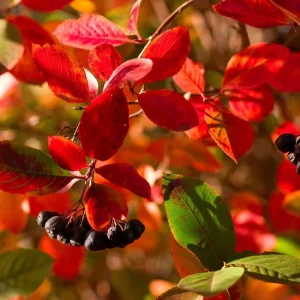
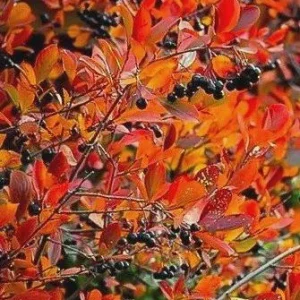
- Stunning Seasonal Display: Enjoy vibrant clusters of white flowers with pink anthers in spring, followed by glossy dark green foliage through summer. The leaves then transform into a spectacular show of fiery reds, oranges, and burgundies in autumn, providing year-round visual interest.
- Excellent Wildlife Support: The berries provide a valuable food source for birds and small mammals, especially in late summer and fall. The spring flowers attract essential pollinators like bees, supporting local ecosystems and biodiversity.
- Hardy and Adaptable: As a native North American plant, the Aronia melanocarpa plant is incredibly tough and resilient. It tolerates a wide range of conditions including various soil types (wet to average), full sun to partial shade, and is generally pest and disease resistant.
- Low Maintenance Growth: Once established, Black Chokeberry requires minimal care, making it an ideal choice for busy gardeners or those seeking an easy-to-grow, productive plant. Its natural suckering habit can help with erosion control and naturalizing areas.
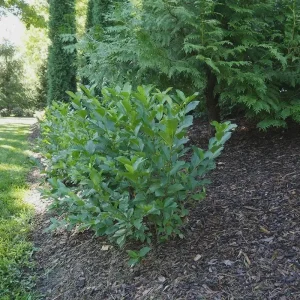
- Versatile Landscape Use: Perfect for shrub borders, rain gardens, naturalized areas, and providing spectacular fall color. Its upright, multi-stemmed form creates dense thickets, offering privacy and structure to the garden.
Plant Care & Growing Tips
Caring for your Black Chokeberry bare root plants is straightforward, as they are renowned for their hardiness and adaptability. To ensure a successful start, plant your bare roots in early spring or late fall when the plant is dormant. Dig a hole wide enough to accommodate the roots without bending them, and deep enough so that the crown (where the roots meet the stem) is at soil level. Spread the roots out, backfill with soil, and water thoroughly. Consistent watering during the first growing season is crucial for establishment.
For optimal growth and berry production, the Aronia melanocarpa plant prefers a location with full sun to partial shade. While it can tolerate some shade, more sun generally leads to better flowering and fruiting. It’s highly adaptable to various soil types, performing well in sandy, loamy, or clay soils, and can even tolerate wet conditions, making it an excellent choice for rain gardens. However, well-draining soil is always beneficial. Once established, it is relatively drought-tolerant, but supplemental watering during prolonged dry spells will benefit fruit development. Fertilization is generally not necessary in rich soils, but a balanced slow-release fertilizer can be applied in early spring if growth appears sluggish. Pruning can be done in late winter or early spring to remove dead or damaged wood, or to manage its suckering habit and shape the shrub. This chokeberry shrub is generally pest and disease resistant, making it a low-spray option for organic gardeners.
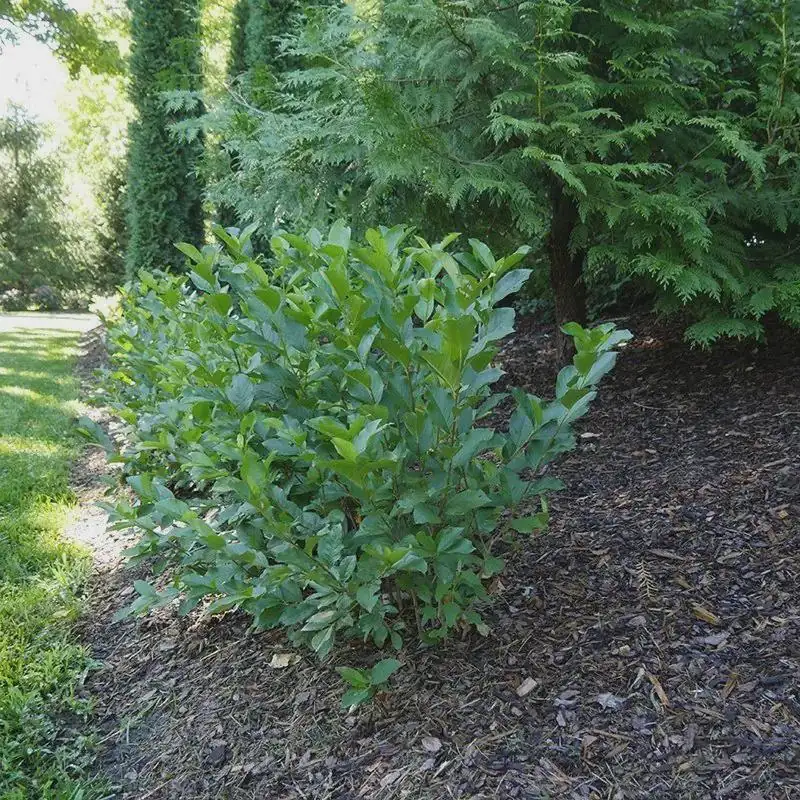
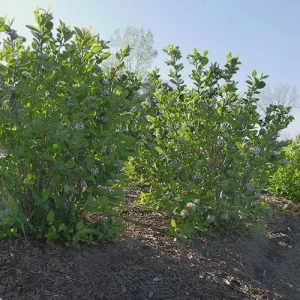
Understanding the growth habits of this edible landscape plant will help in its long-term care. It is a multi-stemmed deciduous shrub that typically grows 3-6 feet tall and can spread via suckers to form thickets. If you desire a more contained plant, root pruning or removing suckers as they appear will be necessary. Its hardiness across a broad range of USDA zones (typically 3-8) makes it a reliable choice for many climates. Protecting young plants from deer browsing might be necessary in some areas. By following these simple care guidelines, your Black Chokeberry will flourish, providing beauty, berries, and wildlife support for years to come.
Size & Details
This offering includes two Black Chokeberry bare root plants, ready for planting to establish a thriving shrub. Each bare root is dormant, ensuring a smooth transition to your garden environment. Typically, these plants will grow into an upright, multi-stemmed deciduous shrub reaching a mature height of 3-6 feet (approximately 0.9 to 1.8 meters) with a similar spread as it forms thickets through suckering. The growth rate is moderate, and you can expect to see significant development in the first few years after planting. The pea-sized, dark purple-black berries typically ripen in late summer to early fall, offering a harvest of antioxidant-rich fruit.
When planted in suitable conditions, these Aronia melanocarpa plant specimens will quickly establish a strong root system, leading to robust top growth in their first season. Full maturity and peak berry production usually occur within 3-5 years. The bare root format ensures that the plant’s energy is focused on root development upon planting, leading to a vigorous start. This chokeberry shrub is known for its resilience and long lifespan, providing many seasons of enjoyment and harvest.
Frequently Asked Questions
- Q: How big does this plant get? A: The Black Chokeberry bare root plant typically grows to an upright, multi-stemmed deciduous shrub, reaching a mature height of 3-6 feet (0.9 to 1.8 meters) with a similar spread as it forms thickets.
- Q: Is this an indoor or outdoor plant? A: This is an outdoor plant, specifically a hardy shrub ideal for garden beds, naturalized areas, and edible landscapes. It is not suitable for indoor cultivation.
- Q: How much sunlight does it need? A: For best results, the Aronia melanocarpa plant thrives in full sun to partial shade. More sun generally leads to a greater abundance of flowers and berries.
- Q: Is this plant easy to care for? A: Yes, Black Chokeberry is considered a very easy-to-care-for plant. It’s hardy, adaptable, and generally resistant to pests and diseases, making it suitable for beginner gardeners.
- Q: What condition will it arrive in? A: Your order will include two dormant Black Chokeberry bare root plants, carefully packaged without soil or foliage. This is the optimal condition for planting and establishment.
- Q: Can I use the berries in cooking? A: Absolutely! While the berries are very tart raw, they are excellent when cooked and used in jams, jellies, juices, pies, and wines. They are a highly nutritious edible landscape plant fruit.
- Q: When is the best time to plant these bare roots? A: The ideal time to plant Black Chokeberry bare roots is in early spring or late fall when the plant is dormant and before new growth begins.
- Q: Will it survive winter in my zone? A: Yes, the chokeberry shrub is incredibly cold hardy, typically thriving in USDA Hardiness Zones 3-8, making it suitable for a wide range of climates.
- Q: How long until it produces berries? A: You can typically expect your Black Chokeberry plants to start producing berries within 1-2 years after planting, with full production usually achieved within 3-5 years.
- Q: Are these berries good for wildlife? A: Yes, the berries are an excellent food source for birds and other small wildlife, especially later in the season when other food sources may be scarce.


Reviews
There are no reviews yet.