Overview
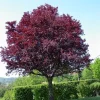
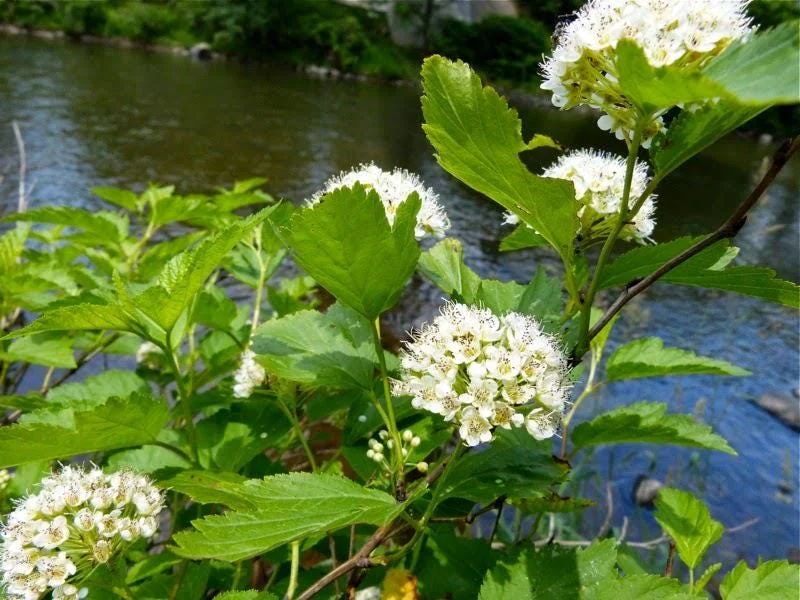
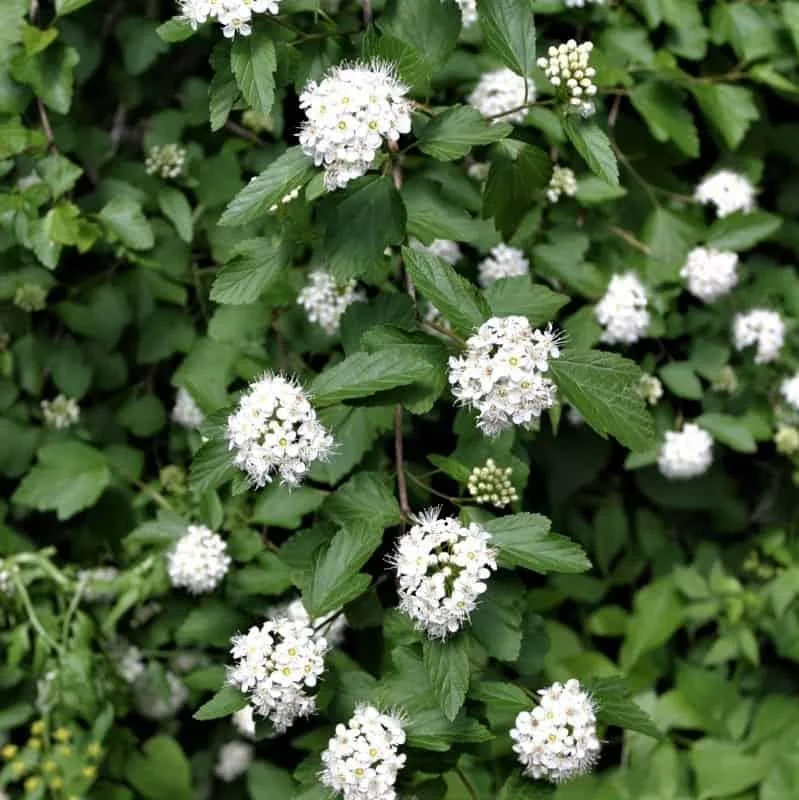
Introduce a touch of natural elegance to your outdoor space with our Ninebark bare-root plants. This offering includes two robust bare-root specimens of Physocarpus opulifolius, commonly known as Ninebark. Revered as a versatile deciduous shrub, Ninebark is a popular choice for gardeners seeking a plant with multi-seasonal appeal. Its unique exfoliating bark, which peels back in layers, reveals rich underlying colors, providing exceptional visual interest even in winter. Beyond its intriguing bark, this plant boasts attractive foliage that can range from yellow and green to reddish hues, forming a graceful cascading mound. As a live plant, these bare roots are ready to establish quickly, transforming into a vibrant addition to your landscape.
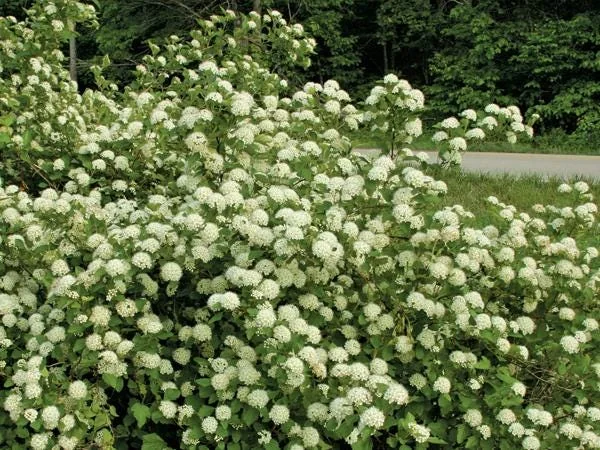
The Ninebark is a truly dynamic plant, offering a captivating display throughout the year. Its spring-flowering nature brings delicate blooms, followed by striking foliage that provides an excellent backdrop for other garden elements. In late summer and autumn, the shrub produces vibrant red fruits, which not only add another layer of color but also serve as a natural attractant for local birdlife, enhancing the biodiversity of your garden. Choosing Ninebark bare-root plants allows for an economical and effective way to establish this beautiful shrub in your garden, promising vigorous growth and enduring beauty.
Key Benefits
The Ninebark bare-root plant offers numerous advantages for any landscape, making it a highly desirable choice for both novice and experienced gardeners. Its resilience and striking features contribute significantly to garden aesthetics and ecological health.
- Exceptional Year-Round Interest: The most distinctive feature of this deciduous shrub is its exfoliating bark, which peels in thin layers to reveal multiple shades beneath, providing visual appeal long after the leaves have fallen. This unique characteristic ensures your garden remains interesting through all seasons.
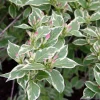
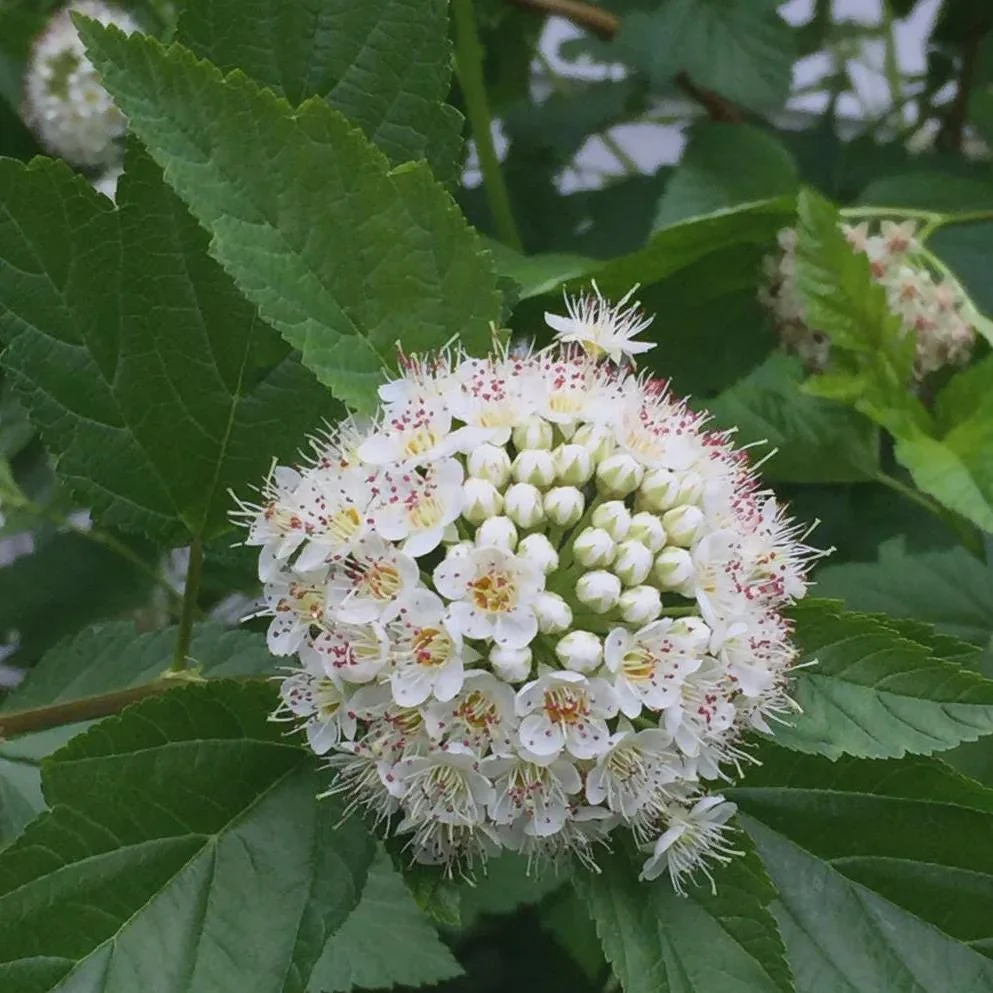
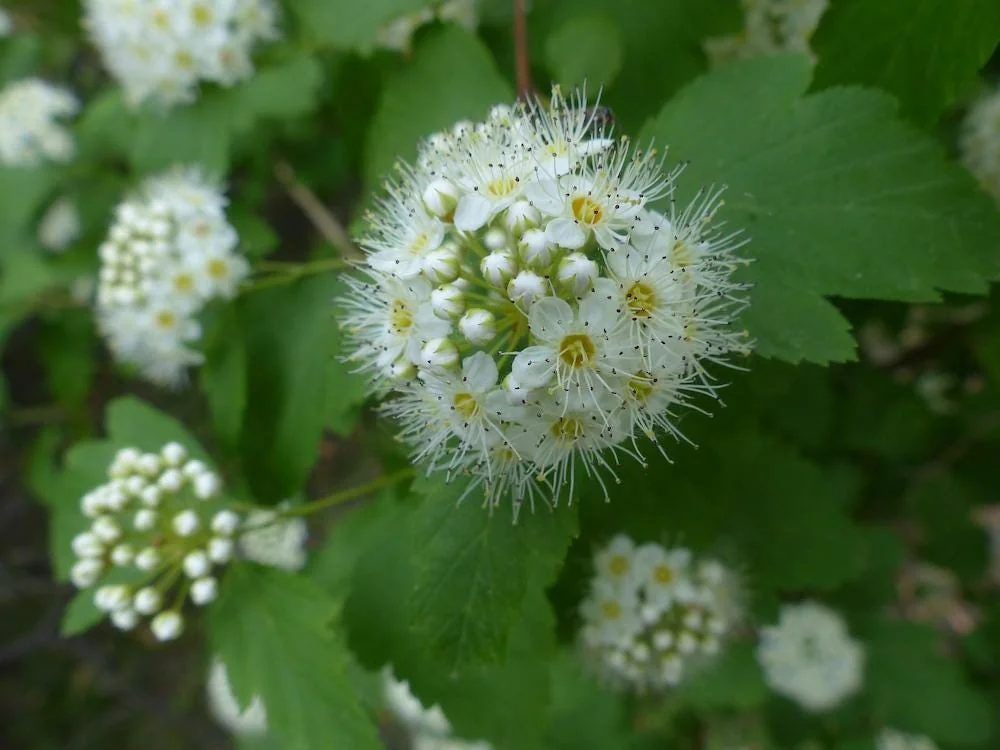
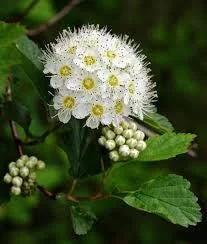
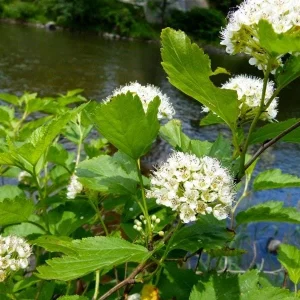
- Attractive Foliage and Blooms: Depending on the variety, Ninebark foliage can present in shades of gold, green, or deep burgundy, creating a stunning backdrop or focal point. Delicate spring flowers add an extra layer of charm before the leaves fully emerge.
- Wildlife Attraction: The vibrant red fruit produced in late summer and autumn is a natural food source for birds, helping to attract and support local wildlife in your garden. This makes it an ideal choice for a wildlife-friendly landscape.
- Low Maintenance & Hardy: Once established, Physocarpus opulifolius is remarkably resilient, tolerating a range of soil conditions and requiring minimal care. It’s known for its hardiness and ability to thrive in various climates, making it a reliable garden plant.
- Fast Growing: This exfoliating bark plant is a relatively fast-growing shrub, capable of reaching maturity in just one growing season, especially when given optimal conditions. This allows for quicker establishment and enjoyment of its full beauty.
- Versatile Landscaping Use: Its adaptable nature makes it suitable for various garden applications, including hedges, borders, mass plantings, or as a stand-alone specimen. Its attractive form and texture can complement diverse garden designs.
- Disease and Pest Resistant: Ninebark is generally robust and less susceptible to common diseases and pests, reducing the need for chemical interventions and promoting a healthier garden ecosystem.
Plant Care & Growing Tips
Caring for your Ninebark bare-root plants is relatively straightforward, making them an excellent choice for gardeners of all skill levels. For optimal growth and health, understanding their basic needs for sunlight, soil, and water is crucial. Ninebark thrives in full sun to partial shade. Full sun (at least 6 hours of direct sunlight per day) will encourage the best foliage color and flowering, particularly for varieties with colored leaves. While it tolerates some shade, too much can lead to leggy growth and less vibrant leaf hues. Ensure your planting location offers good air circulation to minimize potential fungal issues.
When it comes to watering, Physocarpus opulifolius prefers consistently moist soil, especially during its establishment period. Once mature, it becomes more drought-tolerant but will perform best with regular watering during dry spells. Avoid overwatering, as this can lead to root rot. The ideal soil type is well-draining loam, but Ninebark is adaptable to a variety of soil conditions, including clay and sandy soils, as long as they are not waterlogged. A slightly acidic to neutral pH is preferred. Fertilization is generally not heavily required; a balanced slow-release fertilizer in early spring can boost growth, but often, healthy soil with organic matter is sufficient. This resilient deciduous shrub is known for its hardiness and generally requires minimal pruning, typically just to remove dead or diseased branches, or to shape the plant after flowering.
Ninebark is highly cold-hardy, thriving in USDA zones 3-7. It’s best planted in early spring or fall while the plant is still dormant. Common problems are rare, but occasional powdery mildew can occur in humid conditions or with poor air circulation. Ensure proper spacing to prevent this. This red fruit plant is a joy to grow and will reward you with its beauty for many years with minimal fuss.
Size & Details
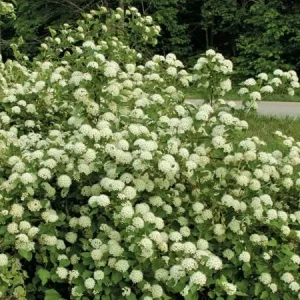
This offering includes two Ninebark bare-root plants, ready for planting upon arrival. When mature, Ninebark typically grows to a height of 5-10 feet and spreads 4-8 feet wide, forming an attractive, mounded shape. The exact size can vary depending on the specific cultivar and growing conditions. As a bare-root specimen, the plants are shipped without soil, making them lightweight and easy to handle. This form allows the roots to directly contact the soil in your garden, encouraging quick establishment and robust growth. The Physocarpus opulifolius is a fast-growing shrub, capable of reaching significant size within a single growing season under optimal care.
These deciduous shrub plants are ideal for creating hedges, borders, or as specimen plantings where their unique exfoliating bark and colorful foliage can be appreciated. Expect the plants to start leafing out and developing their characteristic features shortly after planting, given proper watering and sunlight. The exfoliating bark plant will develop its distinctive peeling bark as it matures, adding winter interest to your landscape. The red fruit will appear in late summer, providing an attractive contrast to the foliage and drawing in birds.
Frequently Asked Questions
- Q: How big do these Ninebark bare-root plants get? A: A: When mature, Ninebark bare-root plants typically grow to a height of 5-10 feet and spread 4-8 feet wide. The final size can depend on the specific cultivar, growing conditions, and pruning habits.
- Q: Is this an indoor or outdoor plant? A: Ninebark is an outdoor plant, a hardy deciduous shrub well-suited for various garden and landscape applications. It is not intended for indoor cultivation.
- Q: How much sunlight does the Ninebark need? A: For best results, Physocarpus opulifolius thrives in full sun, meaning at least 6 hours of direct sunlight daily. It can tolerate partial shade, but foliage color and flowering may be less vibrant.
- Q: What condition will the bare-root plants arrive in? A: Your Ninebark bare-root plants will arrive dormant, without soil, and carefully packaged to ensure their health during transit. They will be ready for immediate planting upon arrival.
- Q: Is this plant easy to care for? Is it good for beginners? A: Yes, Ninebark is considered a very easy-to-care-for and hardy plant, making it an excellent choice for beginners and experienced gardeners alike. It’s known for its resilience and low maintenance requirements.
- Q: When is the best time to plant bare-root Ninebark? A: The best time to plant Ninebark bare-root plants is in early spring or fall, while the plants are still dormant, which allows them to establish their root system before the stress of summer heat or winter cold.
- Q: Will this red fruit plant attract birds to my garden? A: Yes, the vibrant red fruits produced by the Ninebark in late summer and autumn are highly attractive to birds, making it a great addition for supporting local wildlife in your garden.
- Q: What USDA hardiness zones is Ninebark suitable for? A: Ninebark is a very cold-hardy exfoliating bark plant and is suitable for USDA Hardiness Zones 3 through 7, tolerating a wide range of winter temperatures.
- Q: What kind of soil does Ninebark prefer? A: Ninebark prefers well-draining soil but is adaptable to various soil types, including clay and sandy soils. A slightly acidic to neutral pH is ideal for optimal growth.
- Q: How quickly does Ninebark grow? A: Ninebark is known for its relatively fast growth rate. With good growing conditions, it can reach a significant portion of its mature size within one growing season.


Reviews
There are no reviews yet.