Overview
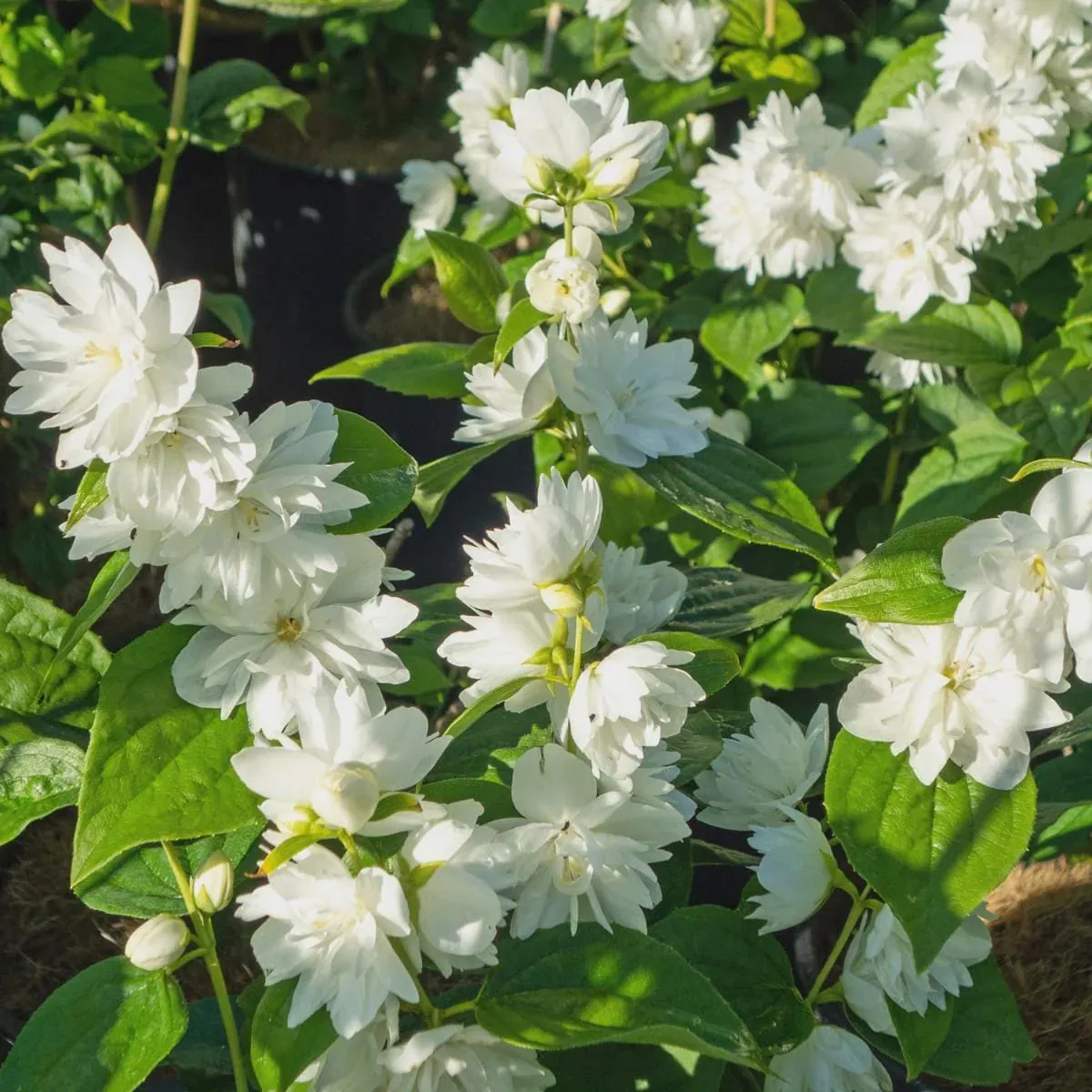
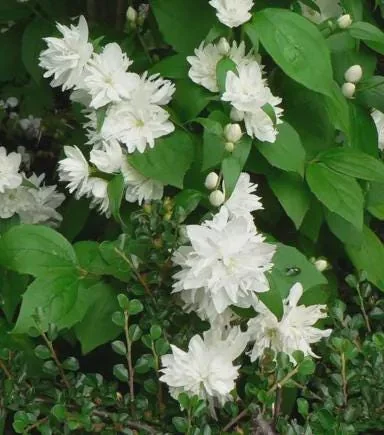
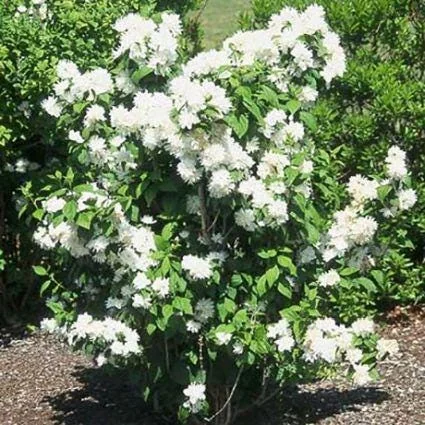
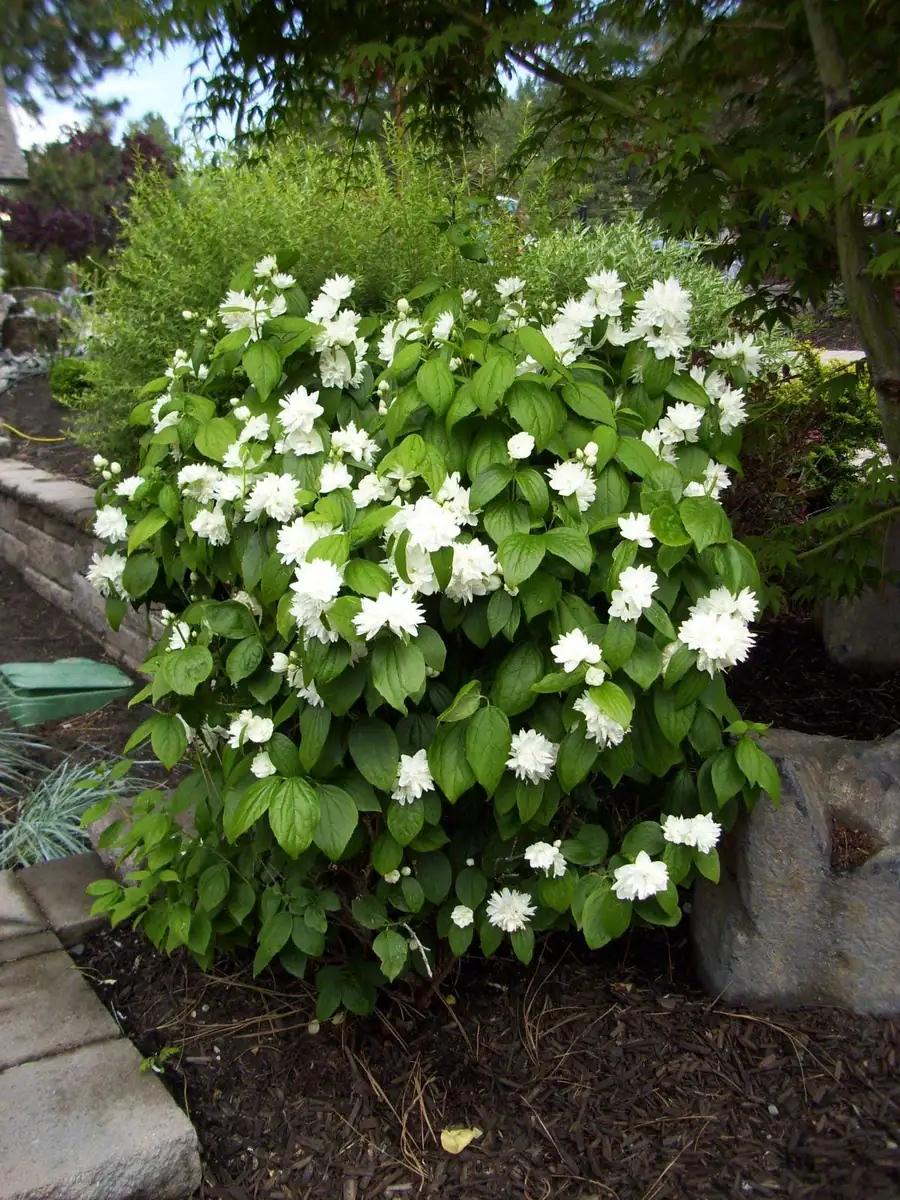
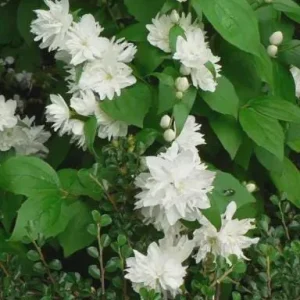
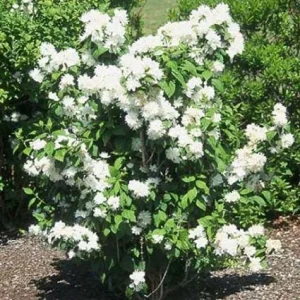
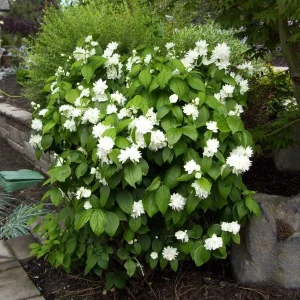
Introduce a timeless classic to your landscape with the Snowflake Mock Orange bare root plant. Known for its abundant, wonderfully fragrant double white flowers, this shrub brings an old-fashioned charm and delightful sweet aroma to any garden. The ‘Snowflake’ variety is particularly cherished for its fully double blooms, creating a stunning visual display that nearly covers the entire plant in late spring to early summer. This vigorous shrub forms a densely-branched, upright vase shape, typically reaching 6 to 8 feet tall and 5 to 6 feet wide. Its lush, medium to dark green leaves maintain their vibrant color through the fall, providing extended seasonal interest. The fragrant mock orange is an excellent choice for a flowering shrub border, a fragrant accent near outdoor living spaces, or as an attractive hedge, inviting both visual beauty and an enchanting scent into your home environment.
The beauty of the Snowflake Mock Orange bare root extends beyond its appearance; it’s a sensory experience that promises anticipation each year for its spectacular bloom. As a bare root plant, it establishes quickly and offers a cost-effective way to add substantial beauty to your garden. This resilient shrub is also known for attracting pollinators, making it a beneficial addition to support local ecosystems. Its captivating scent and elegant blooms make it a standout feature, embodying the classic appeal of traditional garden favorites. Consider adding this exceptional shrub to your collection for years of enjoyment and fragrant beauty.
Key Benefits
The Snowflake Mock Orange bare root offers numerous advantages for any garden, providing both aesthetic appeal and environmental benefits. Its robust nature and stunning floral display make it a highly desirable plant.
- Exceptional Fragrance: Enjoy a powerful and delightful sweet, citrus-like aroma that fills the garden, especially in late spring to early summer. This fragrant mock orange is renowned for its captivating scent.
- Abundant Double White Flowers: Features a plethora of large, fully double white flowers, giving it the ‘snowflake’ appearance and creating a striking visual impact.
- Pollinator Friendly: The blooms are an excellent source of nectar, attracting butterflies and other beneficial pollinators to your garden.
- Versatile Landscape Use: Ideal for use as a flowering shrub border, an accent plant, or as a privacy hedge around homes and outdoor living spaces, where its beauty and fragrance can be fully appreciated.
- Hardy and Adaptable: Tolerates a range of conditions, including clay soil, occasional drought, and some shade, making it suitable for USDA zones 3–7.
- Low Maintenance: Once established, this shrub is vigorous and relatively easy to care for, requiring minimal attention to thrive.
- Lush Foliage: Oval, dark green leaves provide a beautiful backdrop for the white flowers and maintain their color later into the fall than many other varieties.
Plant Care & Growing Tips
Caring for your Snowflake Mock Orange bare root is straightforward, ensuring years of beautiful blooms and fragrance. Understanding its basic needs will help it flourish in your garden. Upon arrival, soak the bare roots in water for a few hours before planting to rehydrate them. Dig a hole that is wide enough to spread the roots out without bending them, and deep enough so that the crown of the plant (where the stem meets the roots) is level with the soil surface.
The Philadelphus ‘Minnesota Snowflake’ thrives in full sun to partial shade, meaning it prefers at least 6 hours of direct sunlight per day for optimal flowering, but can tolerate some afternoon shade in hotter climates. It is adaptable to a variety of soil types, including clay soil, but performs best in well-draining soil with a neutral to slightly acidic pH. Water regularly after planting to help establish the root system, especially during dry periods. Once established, it is relatively drought-tolerant, but consistent moisture will promote more vigorous growth and bloom. Fertilize in early spring with a balanced, slow-release granular fertilizer formulated for flowering shrubs. Pruning should be done after flowering to shape the plant and remove any dead or weak branches, which also encourages more prolific blooming the following year. This also helps maintain the desired size and shape of your double white mock orange.
This shrub is hardy in USDA zones 3–7, capable of withstanding cold winters. Protection during extremely harsh conditions may be beneficial for young plants. It is generally pest and disease resistant, making it a robust choice for most gardeners. The vigorous growth habit means it will quickly fill out its space, providing a significant impact in a short amount of time. Proper care ensures a healthy and vibrant shrub, allowing you to fully enjoy the fragrant blooms of your mock orange care. Remember that consistent watering during the first year is crucial for strong root development.
Size & Details
This offering includes 2 Snowflake Mock Orange bare root plants, ready for planting in your garden. Each bare root is a dormant, young shrub that will quickly establish and grow into a magnificent specimen. The mature size of the shrub typically reaches 6–8 feet tall with a spread of 5–6 feet wide, forming an elegant, upright vase-shaped habit. Its growth rate is considered vigorous, allowing it to quickly become a prominent feature in your landscape. The lush, dark green foliage provides a beautiful contrast to the abundant white flowers.
Expect the first flush of fragrant, double white flowers in late spring to early summer once the plant is established, usually within the first year or two after planting. The blooms are often found in clusters of 5–7 flowers, creating a dense and impactful display. These plants ship as bare roots, which means they are dormant and without soil or leaves, making them easy to plant and transport. Planting bare roots in early spring is ideal for best results, allowing them to establish before the heat of summer. With proper care, these shrubs will provide many years of beauty and a delightful sweet aroma to your outdoor living spaces.
Frequently Asked Questions
- Q: How big does the Snowflake Mock Orange get? A: This shrub typically grows to a height of 6 to 8 feet tall and spreads 5 to 6 feet wide, forming an upright vase-shaped habit. Its vigorous growth ensures it will fill its space beautifully.
- Q: How much sunlight does the Snowflake Mock Orange need? A: The Snowflake Mock Orange bare root thrives in full sun to partial shade. For the most abundant blooms, aim for at least 6 hours of direct sunlight per day.
- Q: Is this plant easy to care for? A: Yes, once established, the Snowflake Mock Orange bare root is considered relatively low-maintenance. It is vigorous and adaptable to various conditions, making mock orange care quite simple.
- Q: What condition will the bare root plants arrive in? A: The plants will arrive as dormant bare roots, meaning they will not have leaves or soil. This is a common and effective way to ship plants, allowing for easy planting and quick establishment.
- Q: When is the best time to plant Snowflake Mock Orange bare roots? A: The ideal time to plant bare root shrubs like the Snowflake Mock Orange bare root is in early spring, as soon as the soil can be worked.
- Q: Will it survive winter in my zone? A: Yes, the Snowflake Mock Orange is hardy in USDA zones 3–7, meaning it is well-suited to withstand cold winter temperatures in these regions.
- Q: Does the Snowflake Mock Orange attract pollinators? A: Absolutely! The fragrant, nectar-rich flowers of the fragrant mock orange are a great source of food for butterflies and other beneficial pollinators.
- Q: Can I use the Snowflake Mock Orange for a hedge? A: Yes, its dense, upright growth habit makes it an excellent choice for creating a fragrant and attractive hedge or border.
- Q: What kind of soil does it prefer? A: While adaptable, the Snowflake Mock Orange prefers well-draining soil. It can tolerate clay soil and a range of pH levels.
- Q: How long until it blooms after planting? A: You can typically expect the first blooms in late spring to early summer, often within the first year or two after planting, once the plant has established.


Reviews
There are no reviews yet.