Overview
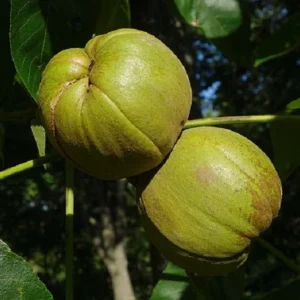
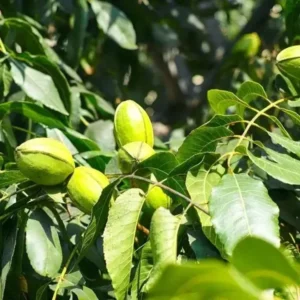
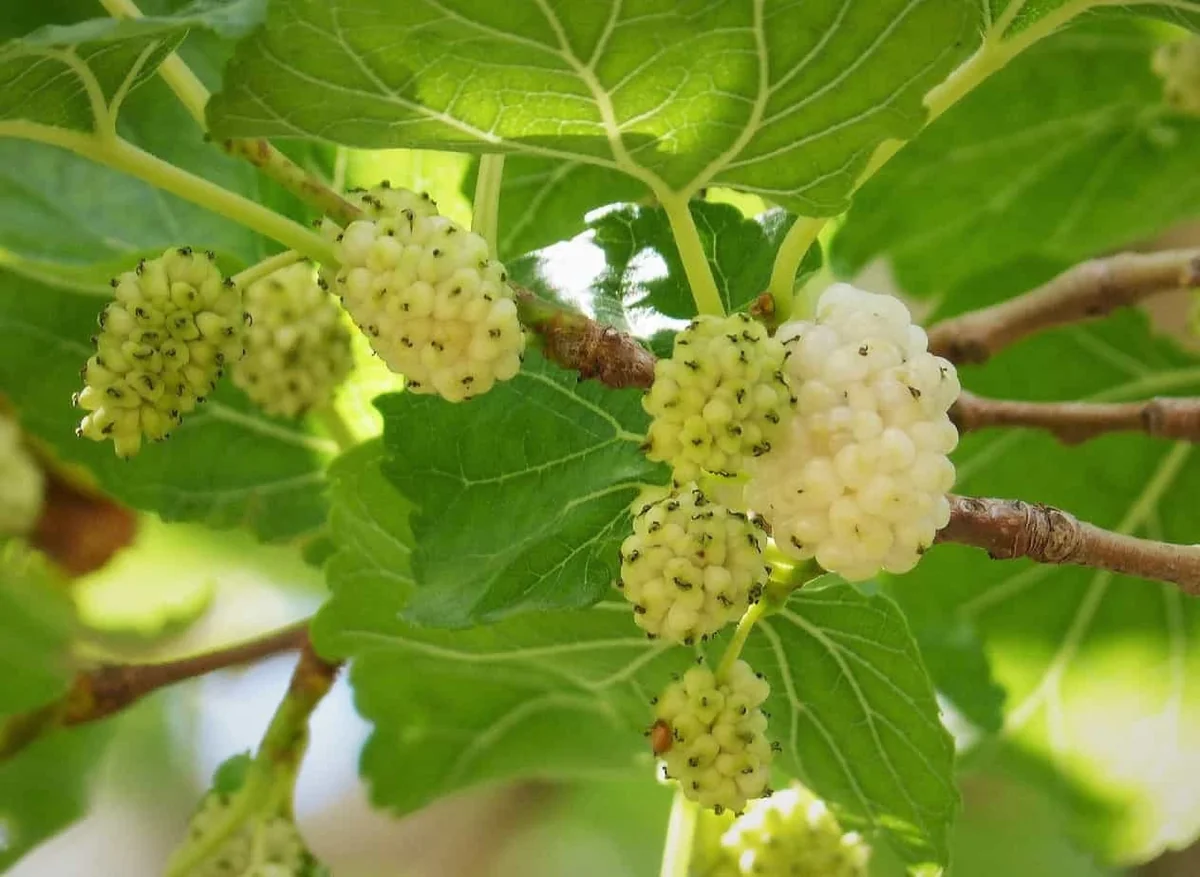
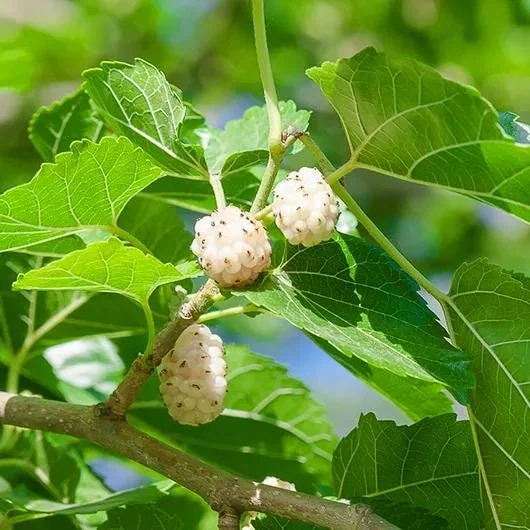
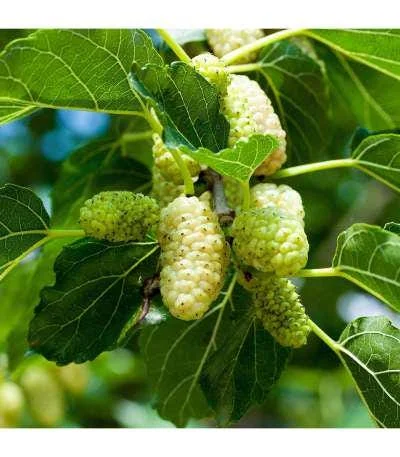
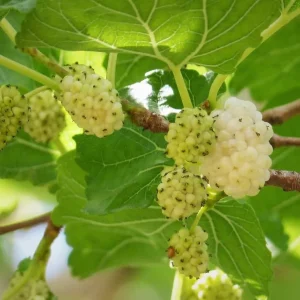
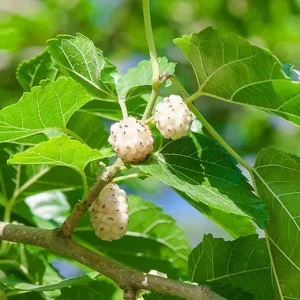
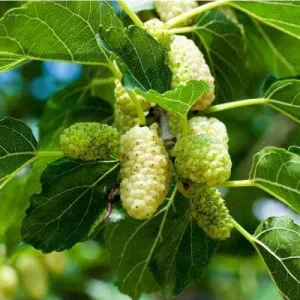
Experience the joy of growing your own fruit with this white mulberry bare-root plant, also known as Morus alba plant. This offering includes 2 bare-root specimens, ready to establish quickly in your garden. The mulberry is a medium-sized tree renowned for producing an abundance of small, sweet, and juicy fruits during the summer months. While some varieties are known for aggressive spreading, with proper care, these trees can be a delightful and productive addition to any landscape. The Morus alba plant is recognized for its dark green leaves with serrated edges, and its berries resemble blackberries, offering a unique flavor profile often compared to a mix of grapefruit, loganberries, and blackberries. They are among the juiciest members of the Moraceae family and can be enjoyed fresh or dried, making them a versatile and convenient addition to your diet.
Planting these bare-root fruit tree specimens in early spring is optimal, allowing them ample time to establish their robust root system and proliferate quickly. With proper maintenance, you can anticipate a bountiful harvest of these delicious and nutritious fruits. Embrace the opportunity for growing mulberries and enjoy a sustainable source of fresh, homegrown produce.
Key Benefits
Cultivating a white mulberry bare-root tree offers numerous advantages for both your garden and your health. These trees are not only productive but also contribute positively to your outdoor space.
- Abundant & Delicious Fruit Production: Enjoy a prolific harvest of sweet and juicy white mulberries every summer. These fruits are perfect for fresh eating, jams, pies, or drying. The unique flavor profile is a delightful treat.
- Nutrient-Rich Superfood: Mulberry fruits are packed with health-enhancing nutrients. They are a rich source of antioxidants, lipids, dietary fiber, and protein, making them an excellent addition to any balanced diet.
- High in Vitamin C: Mulberries are exceptionally high in vitamin C, a key nutrient that supports immune function and collagen production, contributing to overall health and wellness.
- Essential Mineral Source: Beyond vitamin C, they are a good source of riboflavin, resveratrol, zeaxanthin, iron, potassium, magnesium, and manganese, vital minerals for bodily functions.
- Versatile Culinary Use: The fruits from your Morus alba plant can be enjoyed in various forms – fresh, dried, or incorporated into a multitude of recipes, offering culinary flexibility.
- Easy to Establish: As a bare-root fruit tree, these plants are designed for easy planting and quick establishment, allowing them to thrive and produce fruit sooner.
- Adds Landscape Value: A well-cared-for mulberry tree can be an attractive addition to your garden, providing shade, beauty, and a focal point, all while yielding a delicious harvest.
Plant Care & Growing Tips
Caring for your white mulberry bare-root plant is straightforward, ensuring a healthy tree and an abundant harvest. These trees are quite resilient but thrive best with specific conditions. For optimal growth, plant your Morus alba plant in a location that receives full sun, meaning at least 6-8 hours of direct sunlight per day. While they can tolerate some partial shade, full sun promotes the best fruit production. Early spring is the best time for planting bare-root trees, allowing them to establish before the heat of summer. Dig a hole wide enough to spread the roots without bending and deep enough so the crown (where the roots meet the stem) is at soil level. Backfill with soil, gently tamping to remove air pockets, and water thoroughly.
Mulberries prefer well-draining soil, but they are adaptable to a range of soil types, including clay, loam, and sandy soils, as long as drainage is adequate. Regular watering is crucial during the first year of establishment, especially during dry spells. Once established, mulberry trees are relatively drought-tolerant but will benefit from consistent moisture, particularly when fruits are developing. Fertilize in early spring with a balanced slow-release fertilizer designed for fruit trees. Pruning should be done in late winter or early spring to remove dead, damaged, or crossing branches, and to maintain desired shape and size. Mulberries are generally hardy and can withstand a range of temperatures, typically thriving in USDA zones 5-9. Watch out for common pests like borers and scale, and diseases such as powdery mildew, addressing them promptly to maintain tree health and ensure successful growing mulberries.
Size & Details
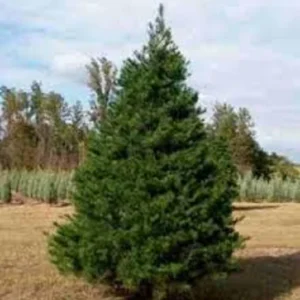
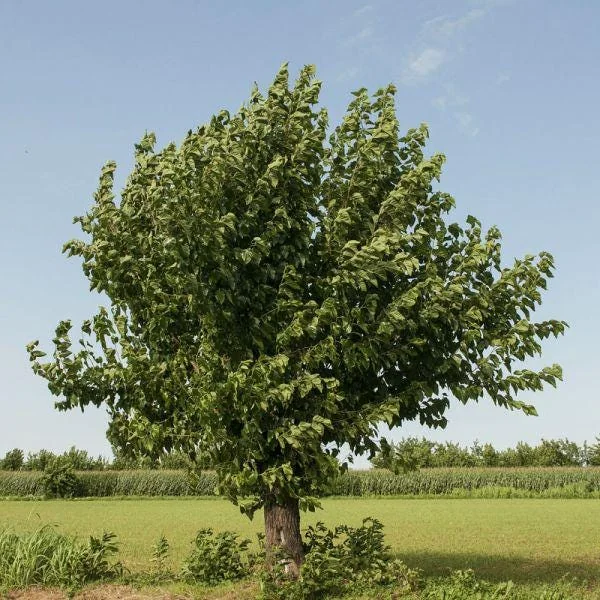
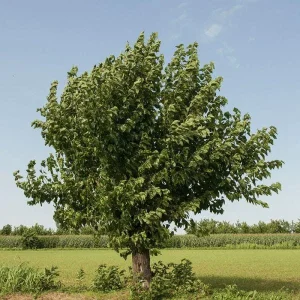
This offering includes two white mulberry bare-root plants, providing a strong foundation for your home orchard. As bare-root specimens, they are dormant plants shipped without soil around their roots, making them easy to transport and plant. Upon planting, these Morus alba plant trees will quickly establish and begin to grow. White mulberry trees are medium-sized, typically reaching heights of 20-50 feet at maturity with a similar spread, though their size can be managed with proper pruning. They are fast-growing trees, often producing fruit within 2-3 years of planting. Expect a robust root system to develop rapidly, supporting vigorous top growth. The fruits, resembling blackberries, are typically ready for harvest in late spring to early summer, offering a delightful seasonal treat from your very own bare-root fruit tree. Each plant is carefully selected to ensure health and vitality, promising a rewarding experience in growing mulberries.
Frequently Asked Questions
- Q: How big does this white mulberry bare-root plant get? A: A mature white mulberry tree typically reaches a height of 20-50 feet with a similar spread. Its size can be managed through regular pruning to fit your landscape needs.
- Q: Is this an indoor or outdoor plant? A: The Morus alba plant is an outdoor tree, best suited for planting in your garden or yard where it can receive ample sunlight and space to grow.
- Q: How much sunlight does it need? A: White mulberry trees thrive in full sun, requiring at least 6-8 hours of direct sunlight per day for optimal growth and fruit production.
- Q: Is this plant easy to care for? A: Yes, growing mulberries is relatively easy. They are adaptable and resilient, requiring consistent watering during establishment and basic annual pruning.
- Q: What condition will the bare-root plant arrive in? A: Your bare-root fruit tree will arrive dormant, without soil around its roots, carefully packaged to maintain its health during transit. Plant it as soon as possible after arrival.
- Q: When is the best time to plant this mulberry tree? A: Early spring is the optimal time for planting bare-root white mulberry trees. This allows the roots to establish well before the summer heat.
- Q: Will it survive winter in my zone? A: White mulberry trees are generally hardy in USDA zones 5-9. Check your specific zone to ensure it’s suitable for your climate.
- Q: How long until it produces fruit? A: With proper care, your Morus alba plant can begin producing fruit within 2-3 years after planting.
- Q: Can I grow this bare-root fruit tree in a large container? A: While mulberry trees can be temporarily grown in very large containers, they ultimately perform best when planted directly in the ground due to their mature size and extensive root system.
- Q: What is the benefit of a bare-root plant? A: Bare-root plants often establish more quickly and are more economical. They also allow you to inspect the root system directly before planting.


Reviews
There are no reviews yet.