Overview
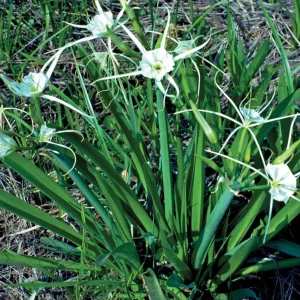
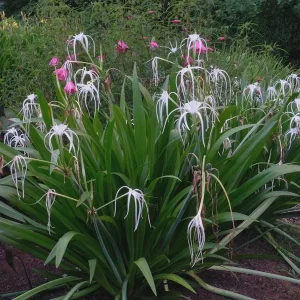
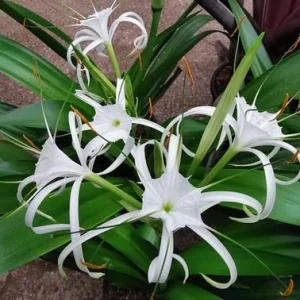
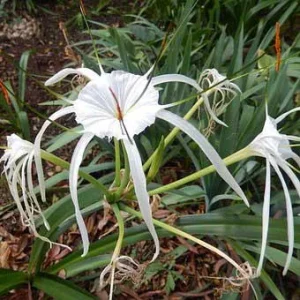
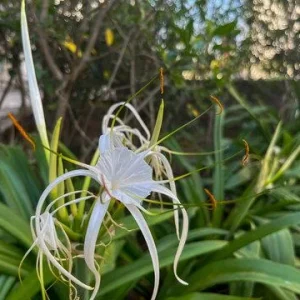
Bring exotic beauty to your garden with the white spider lily bare root, Hymenocallis ‘Tropical Giant’. This bulbous perennial is celebrated for its spectacular, fragrant, white, spider-like flowers that emerge prolifically in mid-summer, typically from late June to July. Each bloom features a distinctive chartreuse eye, adding a unique touch to its elegant appearance. Beyond its captivating flowers, the Peruvian daffodil plant boasts glossy, sword-like green foliage that maintains its vibrant look throughout the growing season. Perfect for gardeners seeking a showy yet resilient plant, this Hymenocallis variety is known for multiplying quickly and reliably, ensuring a lush display year after year.
The Hymenocallis ‘Tropical Giant’, often referred to as a tropical giant lily, is a semi-tropical plant that exhibits surprising cold hardiness, capable of surviving freezing temperatures once established. Its impressive stature, reaching 3-4 feet tall, makes it an excellent choice for borders, mass plantings, or as a focal point in a mixed perennial bed. Planting a white spider lily bare root offers an economical and effective way to establish this magnificent plant, allowing it to acclimate and thrive in your garden environment from the start. Prepare to be enchanted by the delicate fragrance and striking visual impact of these unique lilies.
Key Benefits
The Hymenocallis ‘Tropical Giant’ offers numerous advantages for any garden, making it a highly desirable plant. Its unique characteristics provide both aesthetic appeal and ease of care, ensuring a rewarding gardening experience. Here are some of the key benefits of growing this magnificent white spider lily bare root:
- Spectacular Fragrant Blooms: Enjoy an abundance of showy, white, spider-like flowers that release a delightful fragrance, enhancing the sensory experience of your garden. The unique chartreuse eye on each bloom adds an extra layer of visual interest.
- Prolific Mid-Summer Flowering: These lilies bloom profusely in mid-summer (late June to July), providing a burst of refreshing white color when many other plants are past their peak. This consistent bloom period ensures a prolonged display.
- Lush, Persistent Foliage: The glossy, sword-like green leaves remain vibrant and attractive throughout the entire growing season, offering a beautiful backdrop even when the plant is not in flower. This provides continuous visual appeal to your landscape.
- Impressive Height and Presence: Capable of reaching 3-4 feet tall, the Hymenocallis creates a significant vertical element in your garden design, making it an excellent choice for focal points or adding structure to borders.
- Cold Hardy and Adaptable: Despite its semi-tropical origins, this Peruvian daffodil plant is cold hardy and can tolerate freezing temperatures, making it suitable for a wider range of climates than expected. It is also tolerant of drought but thrives with consistent moisture.
- Fast Multiplication: This plant reliably multiplies, leading to a denser and more impressive display over time. This natural spread helps fill out garden spaces and provides opportunities for division and sharing.
- Low Maintenance: Once established, the fragrant spider lily requires minimal care, making it an ideal choice for both experienced and novice gardeners looking for high impact with low effort.
Plant Care & Growing Tips
Caring for your white spider lily bare root is relatively straightforward, as these plants are quite resilient and adaptable. For optimal growth and prolific blooming, understanding their preferred conditions is key. Hymenocallis ‘Tropical Giant’ thrives in locations that receive partial shade to full sun. While it can tolerate full sun in cooler climates, some afternoon shade is beneficial in hotter regions to protect the delicate white flowers from scorching. Aim for at least 4-6 hours of direct sunlight, coupled with some filtered light during the hottest part of the day.
When it comes to soil, the Peruvian daffodil plant prefers moist, well-drained soil. Good drainage is crucial to prevent bulb rot, so amend heavy clay soils with organic matter like compost or sand to improve structure. While tolerant of drought, consistent moisture will encourage more vigorous growth and a more abundant display of flowers. Water regularly, especially during dry spells and the blooming period, ensuring the soil remains evenly moist but not waterlogged. Reduce watering during the plant’s dormant period. This semi-tropical plant is cold hardy, surviving freezing temperatures, but in colder USDA zones (below 7-8), consider adding a thick layer of mulch in winter for extra protection or lifting the bulbs if extreme cold is expected.
Fertilization can encourage robust growth and flowering. Apply a balanced, slow-release granular fertilizer in early spring as new growth emerges, or use a liquid feed every 2-4 weeks during the growing season. Deadhead spent flowers to maintain a tidy appearance and potentially encourage more blooms, though the plant is naturally prolific. The glossy, sword-like green leaves persist throughout the season, providing continuous interest. With proper care, your fragrant spider lily will become a cherished part of your garden, offering stunning blooms and a delightful fragrance year after year.
Size & Details
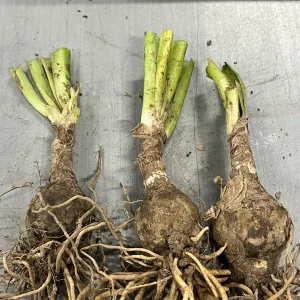
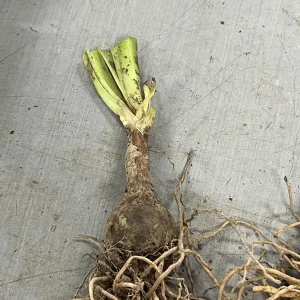
This offering includes a healthy white spider lily bare root, ready for planting in your garden. When mature, the Hymenocallis ‘Tropical Giant’ typically reaches an impressive height of 3-4 feet, making it a prominent feature in any landscape. Its spread can be substantial over time as the plant multiplies, forming attractive clumps of glossy, sword-like green foliage. The bare root form ensures the plant establishes quickly, focusing its energy on root development before sending up its beautiful leaves and flower stalks. Expect the showy, fragrant, white, spider-like flowers to appear prolifically in mid-summer, generally from late June to July, providing a captivating display during the warmer months.
The bare root is a dormant bulb, which allows for easy shipping and planting. Upon arrival, it should be planted promptly to ensure successful establishment. With good care, you can anticipate enjoying the first blooms within one to two growing seasons, with the plant becoming more robust and floriferous each subsequent year. This tropical giant lily is an excellent long-term investment for adding elegance and a unique floral form to your garden. Its reliable growth and rapid multiplication mean you’ll soon have a thriving patch of these exquisite flowers.
Frequently Asked Questions
- Q: How big does this plant get? A: The white spider lily bare root, Hymenocallis ‘Tropical Giant’, typically grows to a height of 3-4 feet when mature. It will also spread over time as the bulbs multiply, forming a lush clump.
- Q: Is this an indoor or outdoor plant? A: This is primarily an outdoor plant, suitable for garden beds and borders. While it can be grown in containers, it thrives best when planted directly in the ground where its roots have room to expand.
- Q: How much sunlight does the Peruvian daffodil plant need? A: The Peruvian daffodil plant prefers partial shade to full sun. In hot climates, partial afternoon shade is recommended to protect the flowers and foliage from intense heat.
- Q: What condition will the white spider lily bare root arrive in? A: Your white spider lily bare root will arrive dormant, which is normal for bulbs. It will be carefully packaged to ensure it reaches you in healthy condition, ready for planting.
- Q: Is this fragrant spider lily easy to care for? A: Yes, once established, the fragrant spider lily is considered relatively low-maintenance. It requires moist, well-draining soil and adequate sunlight to thrive.
- Q: How long until it blooms? A: After planting the bare root, you can typically expect the first blooms in mid-summer (late June to July) of the first or second growing season, depending on planting time and growing conditions.
- Q: What’s the minimum temperature this tropical giant lily can survive? A: This semi-tropical plant is surprisingly cold hardy and can survive freezing temperatures. In colder zones, mulching or lifting bulbs may be necessary for winter protection.


Reviews
There are no reviews yet.