

Overview
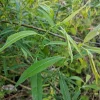
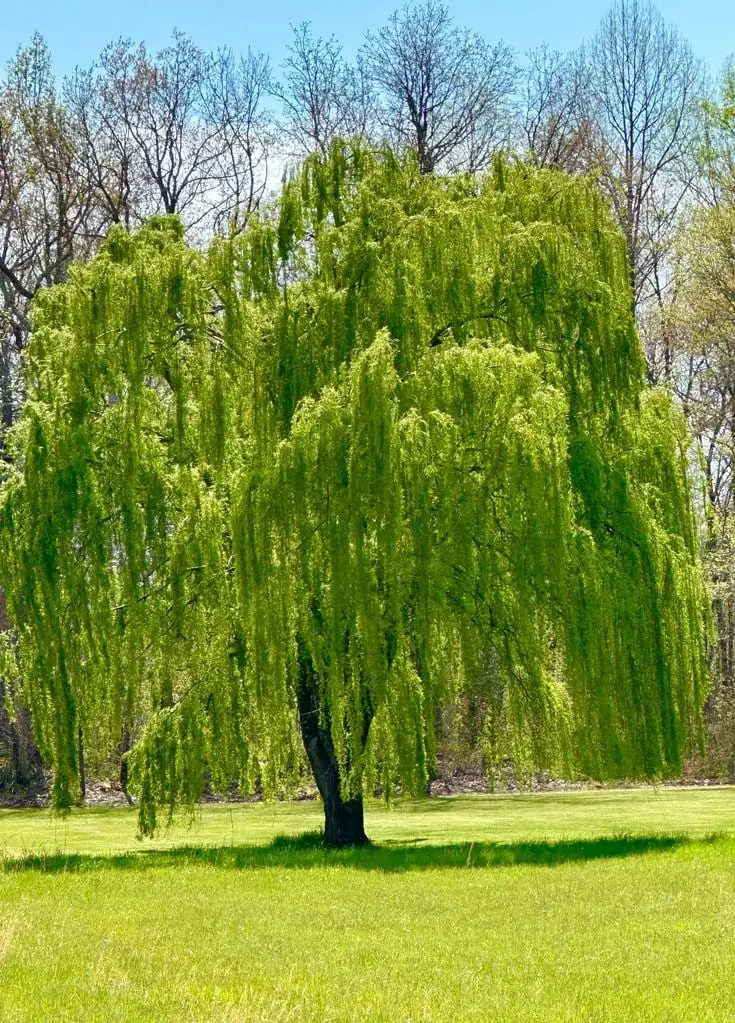
The green weeping willow tree, scientifically known as Salix babylonica, is a truly iconic and beloved addition to any landscape. Renowned for its graceful, refined appearance, this live plant is easily recognized by its open crown of ground-sweeping branches that create a unique and picturesque silhouette. The leaves are a vibrant light green on top and a softer grayish-green underneath, adding to its visual appeal. This magnificent bare-root weeping willow thrives particularly well in moist environments and around water features, making it a perfect choice for lakeside properties, stream banks, or even boggy areas in your garden. Its elegant form provides serene beauty and a sense of tranquility. You will receive 3 bare-root plants, ready to establish quickly in your chosen location.
Originating from China, the green weeping willow tree has been cultivated for centuries for its distinctive beauty and rapid growth. These deciduous trees shed their leaves in the fall, offering changing seasonal interest. When mature, they provide excellent shade and a natural focal point, drawing the eye with their flowing branches. Adding a salix babylonica tree to your property means investing in a living piece of art that will grow and evolve with your landscape for years to come.
Key Benefits
The green weeping willow tree offers a multitude of benefits, enhancing both the aesthetic and ecological value of your outdoor space. Its unique growth habit and adaptability make it a popular choice for various garden designs.
- Graceful Aesthetic: The most striking feature of the green weeping willow tree is its elegant, drooping branches that create a soft, flowing appearance, adding a touch of natural elegance to any setting.
- Rapid Growth: Known for its fast growth rate, this tree quickly establishes itself and provides significant impact in a shorter time frame compared to many other tree species.
- Erosion Control: Its extensive root system is excellent for stabilizing soil, particularly in areas prone to erosion, such as riverbanks or sloping landscapes.
- Wildlife Habitat: The dense branches offer shelter and nesting sites for various bird species, contributing to local biodiversity.
- Water-Loving Nature: Thrives in moist conditions, making it an ideal choice for planting near ponds, streams, or in areas with high water tables where other trees might struggle.
- Shade Provider: When mature, the wide, spreading canopy of the salix babylonica tree provides ample shade, perfect for creating cool, inviting outdoor living spaces during warm months.
- Low Maintenance: Once established, the bare-root weeping willow is relatively easy to care for, requiring minimal intervention beyond initial planting and watering.
Plant Care & Growing Tips
Caring for your green weeping willow tree is straightforward, especially considering its robust nature and preference for moist conditions. These trees are quite adaptable but will flourish with the right care. Ensure your planting site has plenty of space, as mature specimens can reach impressive sizes, both in height and spread. The ideal location is one that receives full sun, meaning at least 6 hours of direct sunlight per day, though it can tolerate partial shade. For optimal growth, plant your bare-root weeping willow in well-draining, moist soil. It prefers consistent moisture and will thrive in areas near water sources.
When planting your bare-root weeping willow, dig a hole wide enough to accommodate its roots without bending them. Ensure the crown, where the roots meet the stem, is level with the ground. Water thoroughly after planting. Regular watering is crucial during the first few growing seasons to help the tree establish a strong root system. Once established, supplemental watering may only be needed during prolonged dry spells, especially if planted near a water source. Fertilize in early spring with a balanced slow-release fertilizer, following product instructions. Pruning should be done in late winter or early spring to remove dead or damaged branches and to shape the canopy, maintaining the tree’s iconic weeping form. The weeping willow tree care involves monitoring for pests like aphids and diseases such as cankers, addressing them promptly if they appear.
The salix babylonica tree is hardy in USDA zones 6-8, meaning it can withstand winter temperatures down to -10°F (-23°C). In colder zones, it may not survive winter outdoors without significant protection. Protect young trees from strong winds, which can damage new growth. With proper care, your willow will grow into a magnificent specimen, providing beauty and shade for many years.
Size & Details
This offering includes 3 green weeping willow tree bare-root plants, ready for immediate planting. Bare-root plants are dormant young trees with exposed, soil-free roots, making them easy to plant and establish. While the product image showcases a mature tree, these bare-root specimens will arrive as young plants, eager to grow. We meticulously package each order to ensure the bare-root plants are protected during transit, arriving in optimal condition for planting. The mature height of a green weeping willow tree can range from 30 to 50 feet, with a similar spread, creating a broad, graceful canopy. Growth rate is typically fast, often adding several feet in height per year under ideal conditions.
These trees are expected to begin showing significant growth within their first year of planting, gradually developing their characteristic weeping form. The bare-root weeping willow is an excellent choice for those looking to quickly establish a large, impactful tree in their landscape. They generally begin to show their full ornamental beauty within 3-5 years of planting, reaching a substantial size for shade and aesthetic appeal.
Frequently Asked Questions
- Q: How big does this green weeping willow tree get? A: A mature green weeping willow tree can reach an impressive height of 30 to 50 feet with a similar spread. It’s important to plant it in a location where it has ample space to grow and spread its beautiful weeping branches.
- Q: Is this an indoor or outdoor plant? A: The green weeping willow tree is an outdoor plant, best suited for large landscapes where its extensive root system and large canopy can thrive. It is not suitable for indoor cultivation.
- Q: How much sunlight does the salix babylonica tree need? A: This tree prefers full sun, meaning it should receive at least 6 hours of direct sunlight per day for optimal growth. It can tolerate partial shade, but its growth and form may be less robust.
- Q: Is this plant easy to care for? A: Yes, once established, the green weeping willow tree is relatively easy to care for. Its primary needs are consistent moisture and adequate space. Initial weeping willow tree care focuses on regular watering to encourage root establishment.
- Q: What condition will the plants arrive in? A: Your order will contain 3 bare-root plants. These are dormant, soil-free roots ready for planting. They are carefully packaged to ensure they arrive in excellent condition, ready to be planted in your garden.
- Q: When is the best time to plant a bare-root weeping willow? A: The best time to plant bare-root trees, including the green weeping willow tree, is typically in early spring, after the last frost, or in late fall after the leaves have dropped and before the ground freezes.
- Q: Will it survive winter in my zone? A: The green weeping willow tree is hardy in USDA zones 6-8. If you are in a colder zone, it may require significant winter protection or may not be suitable for outdoor planting. Always check your local hardiness zone.
- Q: Does the green weeping willow tree need a lot of water? A: Yes, weeping willows are known for their love of water. They thrive in moist to wet soils and are often found growing naturally near bodies of water. Consistent moisture is key, especially during dry periods.
- Q: What kind of soil is best for weeping willow tree care? A: A salix babylonica tree prefers moist, well-draining soil. It is tolerant of various soil types, including clay, loam, and sand, as long as consistent moisture is available.
- Q: Can I prune my green weeping willow tree to control its size? A: While you can prune to shape and remove dead branches, severe pruning to control its natural size is generally not recommended, as it can detract from its natural form. It’s best to plant it where it has room to grow to its full potential.


Reviews
There are no reviews yet.