Overview
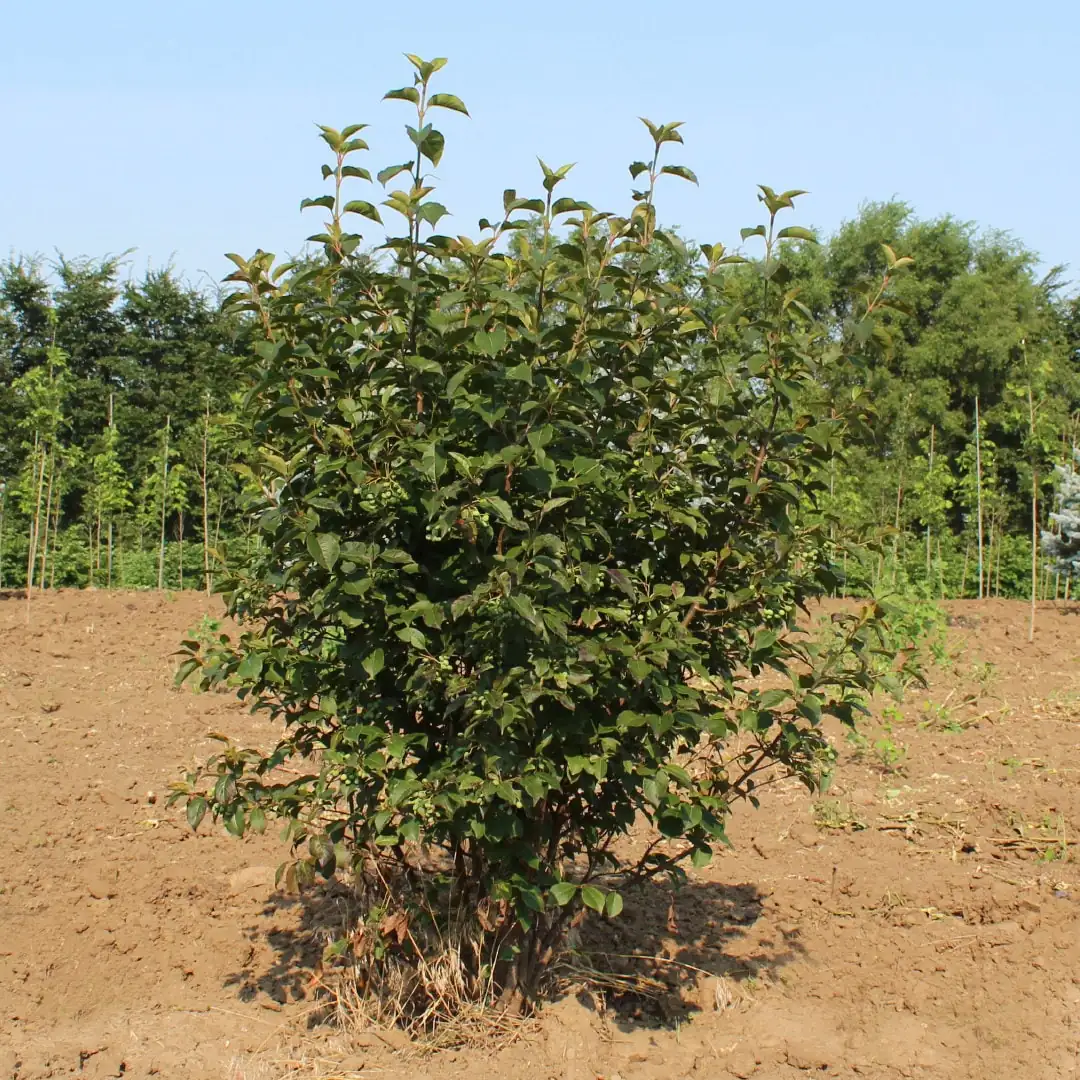
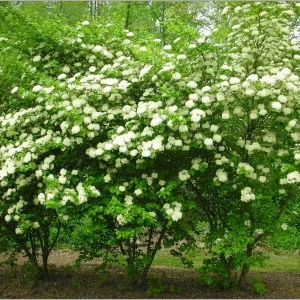
The Black Haw Viburnum live plant (Viburnum prunifolium) is a truly remarkable native shrub that offers multi-season interest and significant ecological benefits. This large, upright shrub develops a rounded crown, making it an attractive choice for various landscape applications, whether planted as a singular specimen or grouped to form a tall, dense hedge or screen. As a key species in the Eastern temperate forest ecoregion, the Black Haw Viburnum live plant provides crucial support for wildlife and pollinators, serving as a host plant for numerous lepidoptera, including the Green Marvel and Pink Prominent moths. Its resilience and beauty make it a cornerstone for any garden aiming to promote biodiversity and natural elegance. The common name Black Haw Viburnum live plant refers to its dark, edible berries, which resemble hawthorn fruits.
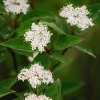
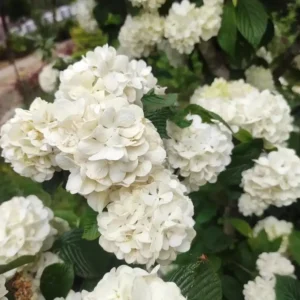
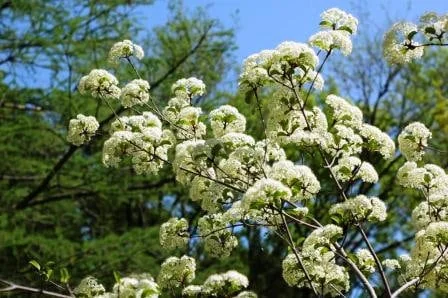
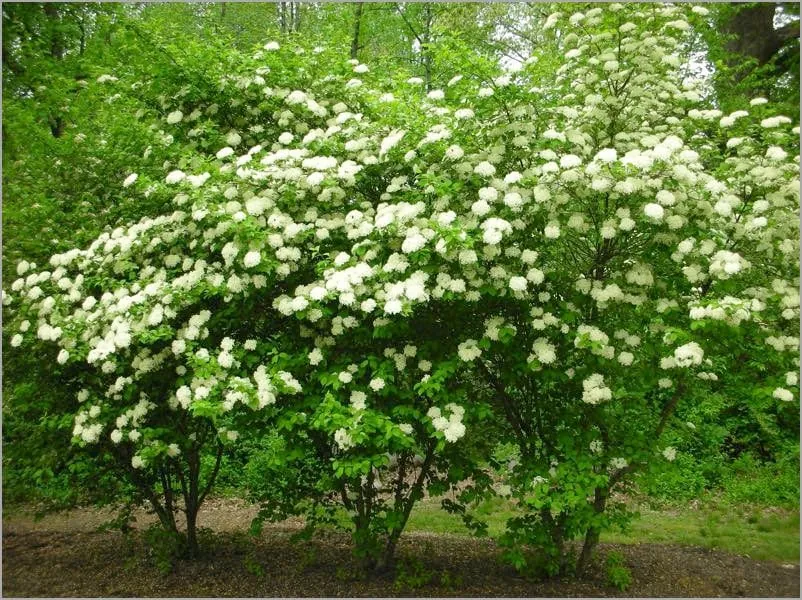
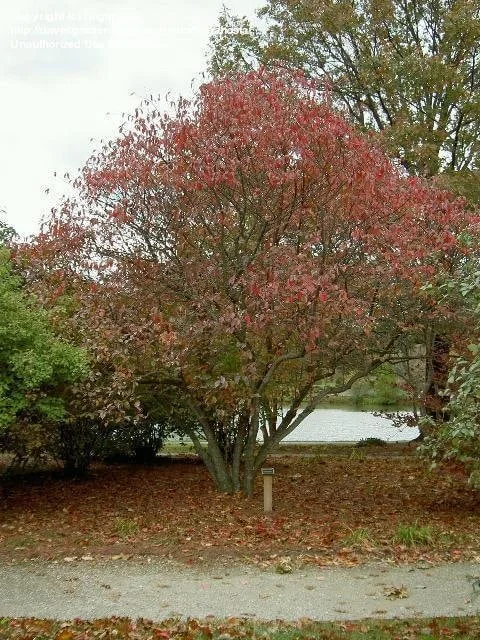
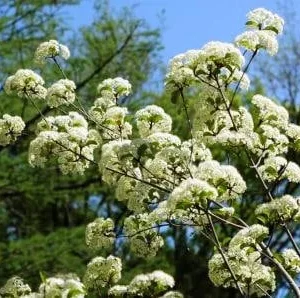
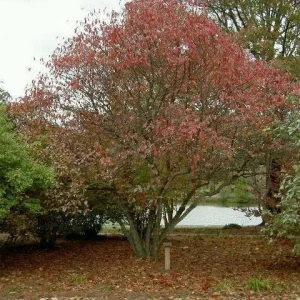
Known for its distinctive features, Viburnum prunifolium, also called Blackhaw Viburnum, begins its display in spring with delightful clusters of flat-topped white flowers. These delicate blooms eventually give way to yellow berries that mature into an attractive blue-black hue, providing visual interest and a food source for birds. The foliage, typically dark green and finely toothed, transforms into a stunning red in autumn, adding a vibrant splash of color to the fall landscape. This generally multi-stemmed shrub thrives along forest edges and near rivers, showcasing its adaptability and natural charm.
Key Benefits
The Black Haw Viburnum live plant offers a multitude of benefits, making it an outstanding addition to any garden or naturalized area. Its ecological significance and aesthetic appeal combine to create a truly valuable landscape plant.
- Ecological Keystone Species: This native shrub is a keystone species, actively supporting local ecosystems by providing food and habitat for a wide range of wildlife. It serves as a vital host plant for numerous lepidoptera, contributing to insect biodiversity.
- Pollinator Magnet: The flat-topped white flower clusters that bloom in spring are highly attractive to various pollinators, including bees and butterflies, making it an excellent choice for a pollinator friendly plant.
- Multi-Season Visual Interest: Enjoy vibrant white flowers in spring, attractive yellow to blue-black berries in summer, and striking red foliage in autumn, ensuring year-round garden appeal. The Blackhaw Viburnum fall color is particularly noteworthy.
- Versatile Landscaping Use: Its upright form and rounded crown make it suitable for individual planting or grouping to create effective tall hedges or privacy screens, enhancing garden structure.
- Wildlife Food Source: The blue-black berries are a valuable food source for birds and other wildlife, attracting beneficial creatures to your garden space.
- Adaptable Growth Conditions: Thrives in consistently medium-moist, well-drained soils and can tolerate a range of light conditions from partial sun to light shade, making Viburnum Prunifolium care relatively straightforward.
- Low Maintenance and Disease Resistant: Once established, the Black Haw Viburnum live plant is generally low maintenance and resistant to many common pests and diseases, ensuring lasting beauty with minimal effort.
Plant Care & Growing Tips
Caring for your Black Haw Viburnum live plant involves understanding its natural preferences to ensure robust growth and beautiful displays. This understory shrub or small tree naturally grows along forest edges and near rivers, which gives clues to its ideal growing conditions. The most crucial aspect of Viburnum Prunifolium care is maintaining consistent soil moisture. While it prefers medium-moist, well-drained soils, it’s particularly important to ensure adequate moisture if planted in a location with full sun. Partial sun or light shade is generally ideal for this plant, as too much intense, unfiltered sun can lead to stress if soil moisture is not perfectly managed.
For optimal growth, plant your Black Haw Viburnum live plant in a location that receives at least 4-6 hours of morning sun with afternoon shade, or dappled light throughout the day. It is adaptable to various soil types but performs best in rich, organic, slightly acidic to neutral soil. Ensure good drainage to prevent root rot. Watering should be regular, especially during dry spells and in its first few years after planting, to establish a strong root system. While Viburnums flower profusely whether or not pollination occurs, poor fruiting will happen if there is only one Viburnum available; consider planting multiple specimens for abundant berries. The Blackhaw Viburnum fall color is best when the plant is healthy and receives appropriate light and moisture.
The Black Haw Viburnum live plant is hardy in USDA zones 3-8. Fertilize in early spring with a balanced, slow-release granular fertilizer formulated for trees and shrubs. Pruning is typically minimal, focused on removing dead, damaged, or crossing branches to maintain its natural shape and promote air circulation. This helps prevent disease and keeps the shrub looking its best. Watch for common shrub pests, though Viburnums are generally quite resilient. Proper Viburnum Prunifolium care will ensure a thriving plant that contributes significantly to your garden’s beauty and ecological health.
Size & Details
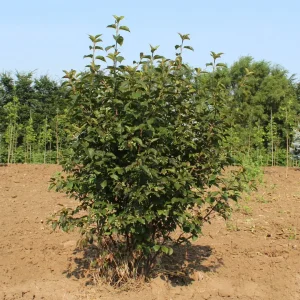
The Black Haw Viburnum live plant you receive will be a healthy young specimen, grown in a 4” pot, ready for planting. This allows for easy establishment in your garden. When mature, this impressive shrub typically reaches a height of 10-15 feet and a similar spread, forming a large, upright shrub with a rounded crown. Its growth rate is moderate, allowing it to establish well in a few seasons. The plant is generally multi-stemmed, contributing to its dense and attractive appearance, especially when used for a tall hedge or screen. Expect to see its beautiful white flowers in spring, followed by berries that mature by late summer to early fall, which also contributes to the excellent Blackhaw Viburnum fall color.
The plant is shipped as a live, actively growing specimen in its nursery pot, ensuring minimal transplant shock. While the exact height at shipping may vary, it will be well-rooted and ready for its new home. The development of its signature red autumn foliage, a highlight of the native Viburnum shrub, will become more pronounced as the plant matures and experiences cooler temperatures.
Frequently Asked Questions
- Q: How big does this plant get? A: The Black Haw Viburnum live plant typically grows to a mature height of 10-15 feet with a similar spread, forming a large, multi-stemmed shrub with a rounded crown.
- Q: What size pot does it come in? A: This Black Haw Viburnum live plant is shipped in a 4” pot, a suitable size for a young, well-rooted specimen ready for transplanting.
- Q: Is this an indoor or outdoor plant? A: The Black Haw Viburnum live plant is an outdoor shrub, ideal for landscaping, hedges, or as a specimen plant in gardens. It is not suitable for long-term indoor cultivation.
- Q: How much sunlight does it need? A: This native Viburnum shrub prefers partial sun to light shade for optimal growth, especially in warmer climates. It can tolerate full sun if the soil is consistently moist.
- Q: Is this plant easy to care for? A: Yes, Viburnum Prunifolium care is relatively easy. Once established, it is a low-maintenance shrub that is tolerant of various conditions, provided it has adequate moisture and good drainage.
- Q: What condition will it arrive in? A: Your Black Haw Viburnum live plant will arrive as a healthy, actively growing plant, carefully packaged in its nursery pot to ensure its safe journey.
- Q: How long until it blooms or fruits? A: Young plants may take a year or two to establish before blooming and fruiting abundantly. For best berry production, consider planting more than one native Viburnum shrub for cross-pollination.
- Q: Will it survive winter in my zone? A: The Black Haw Viburnum live plant is hardy in USDA Zones 3-8, making it highly tolerant of cold winters within this range.
- Q: What makes this a pollinator friendly plant? A: Its spring-blooming white flowers are a significant nectar source for various pollinators, including bees and butterflies, actively supporting local insect populations.
- Q: Can I expect good Blackhaw Viburnum fall color? A: Absolutely! One of the highlights of this plant is its striking dark green foliage transitioning to a beautiful red in autumn, providing excellent seasonal interest.


Reviews
There are no reviews yet.