Overview
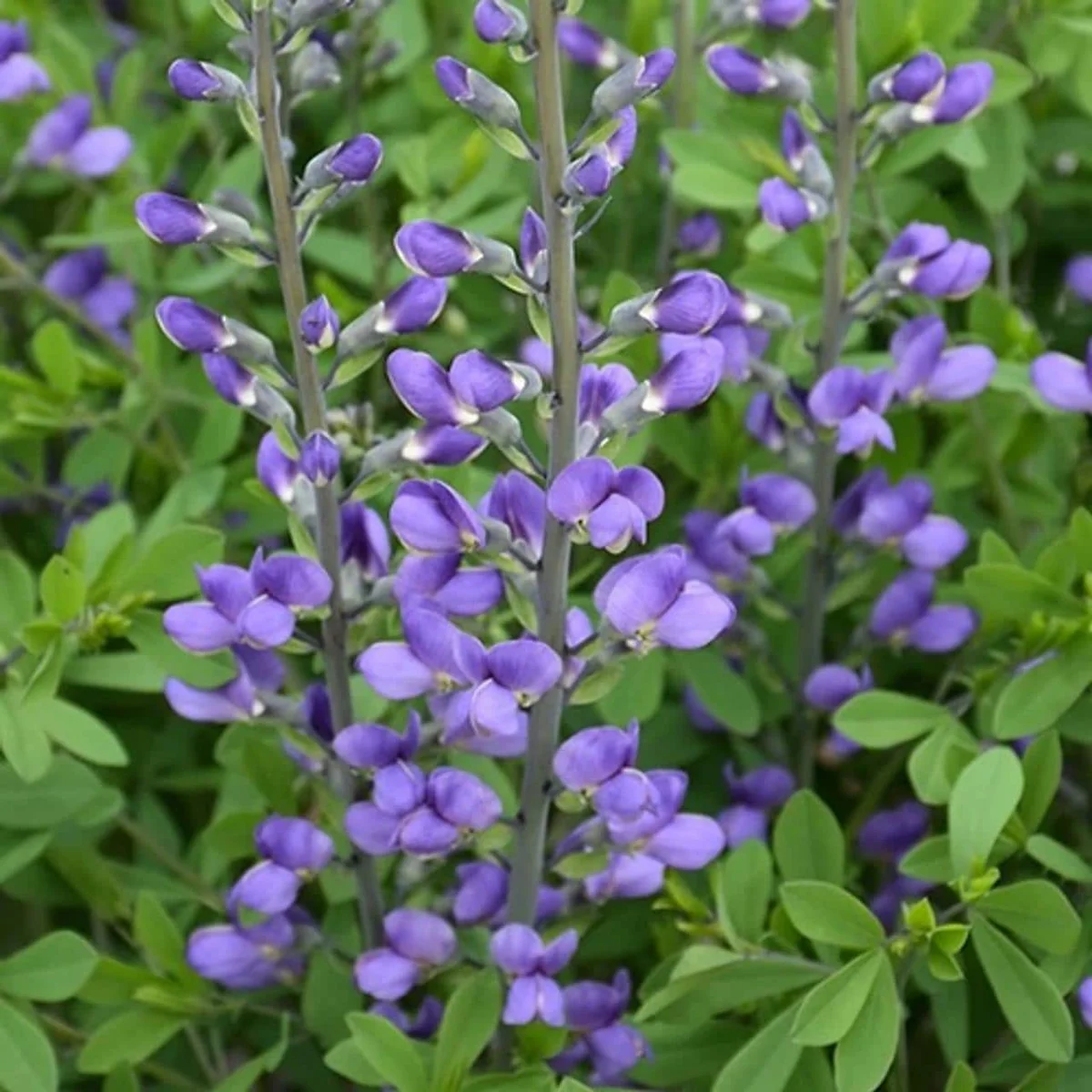
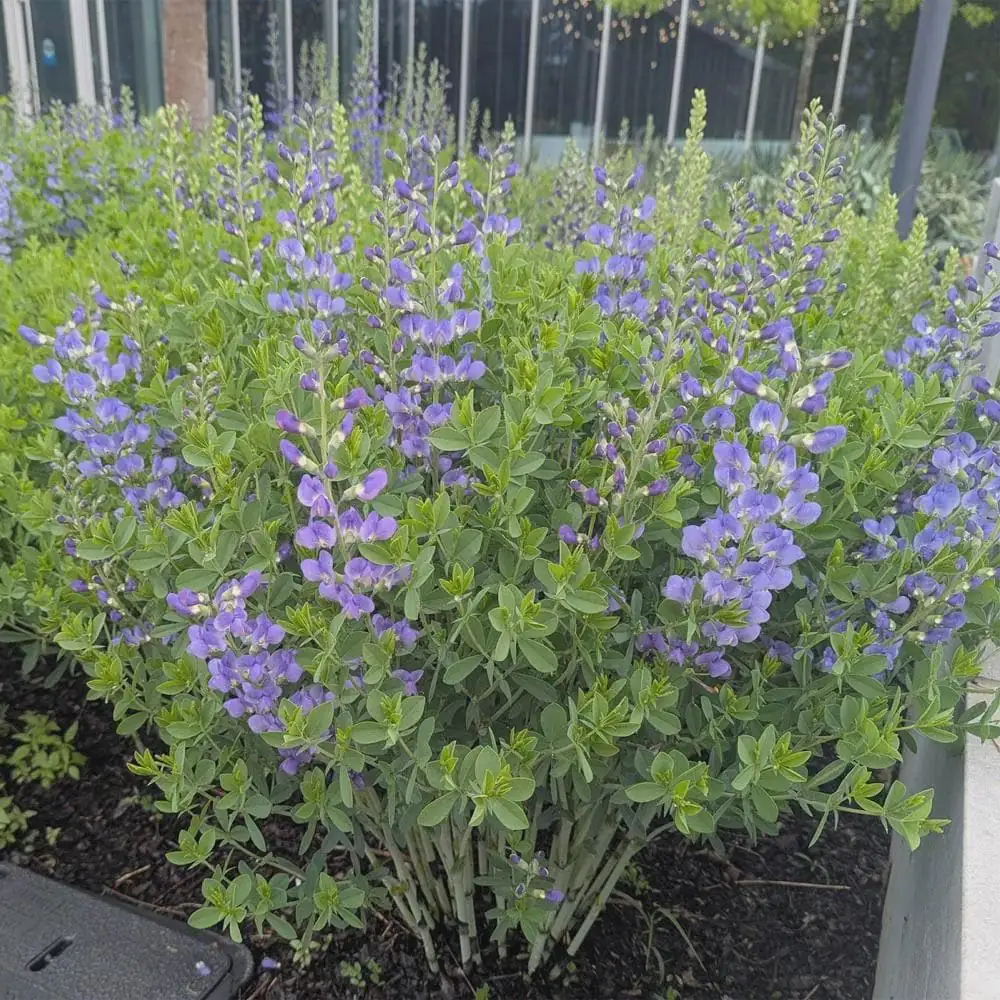
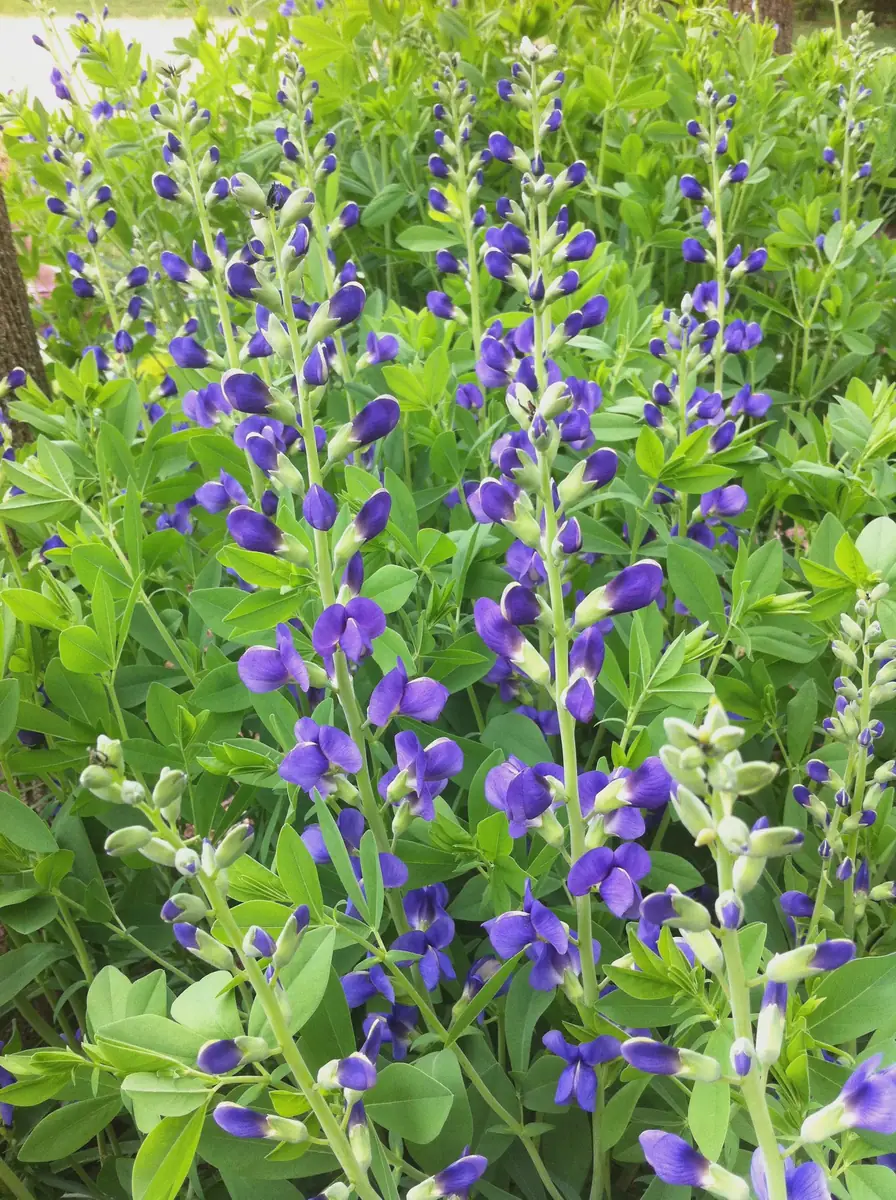
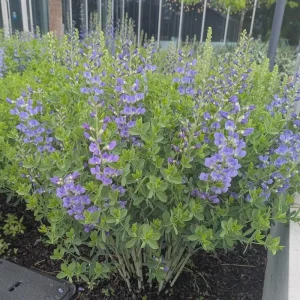
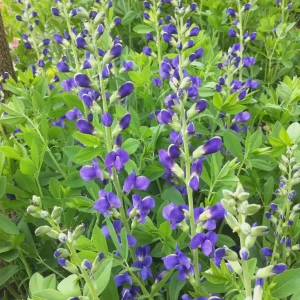
Introduce a touch of native elegance to your landscape with the blue false indigo live plant (Baptisia australis). This remarkable herbaceous perennial, also known as indigo weed plant, is celebrated for its striking spires of deep indigo-blue flowers that emerge in late spring to early summer. Native to central and eastern North America, this plant is not only beautiful but also incredibly resilient, thriving in a variety of conditions. Our blue false indigo live plant comes ready for planting, allowing you to quickly establish this showstopper in your garden. Its distinctive coloration and robust growth make it an excellent choice for naturalized areas, perennial borders, or as a focal point in a pollinator garden. The species epithet, australis, refers to its widespread distribution throughout the eastern US, highlighting its adaptability.
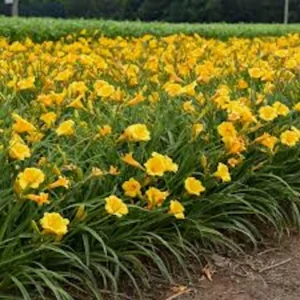
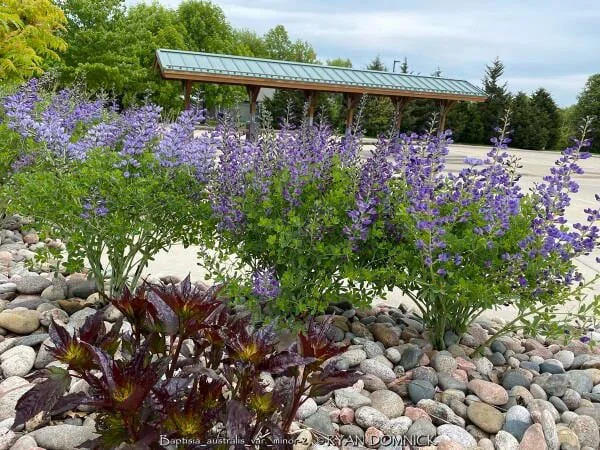
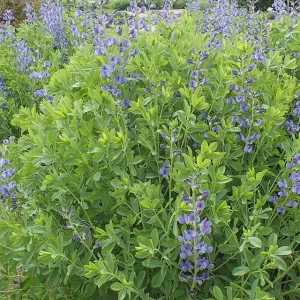
The Baptisia australis care is surprisingly straightforward, making it an ideal plant for both novice and experienced gardeners. Growing 3 to 4 feet tall and 2 to 4 feet wide, this clump-forming perennial offers a substantial presence in the garden. Its deep tap root system makes it exceptionally drought tolerant once established, reducing the need for frequent watering. The vibrant blue flowers provide a dramatic contrast when paired with yellow or white flowering perennials, creating a dynamic and visually appealing display. Beyond its aesthetic appeal, the blue false indigo live plant contributes to local ecosystems by attracting beneficial pollinators.
Key Benefits
The blue false indigo live plant offers a wealth of advantages for any garden, combining beauty with resilience and ecological value. Its numerous benefits make it a top choice for sustainable and attractive landscaping:
- Stunning Floral Display: Produces abundant, showy spikes of deep indigo-blue flowers in late spring to early summer, creating a dramatic visual impact in the garden. This vibrant color is perfect for adding depth and interest to perennial beds.
- Drought Tolerance: Once established, its deep taproot system makes it highly resistant to dry conditions, significantly reducing watering needs and making it an excellent choice for a drought tolerant perennial landscape.
- Low Maintenance: Requires minimal care, thriving with little intervention. Pruning is only necessary after flowering if seed pods are not desired, or for shaping, making Baptisia australis care simple.
- Native Plant Benefits: As a native species, it supports local biodiversity, providing nectar for pollinators and contributing to a healthy ecosystem. It naturally integrates into American landscapes.
- Long-Lasting Foliage: The attractive, bluish-green foliage remains appealing throughout the growing season, even after the blooms have faded, offering continuous garden interest.
- Deer and Rabbit Resistant: Generally unpalatable to deer and rabbits, protecting your garden from common browsing pests. This helps ensure your blue false indigo live plant remains beautiful.
- Adaptable to Various Soils: Tolerates a range of soil types, as long as they are well-drained, showcasing its versatility and ease of growth. This contributes to its reputation as a robust native garden plant.
Plant Care & Growing Tips
Caring for your blue false indigo live plant is relatively easy, making it a rewarding addition to your garden. This robust perennial thrives with minimal intervention once established. For optimal growth and flowering, plant your Blue False Indigo in a location that receives full sun to part shade. While it can tolerate some shade, the best blooming performance occurs in full sun, ideally with at least 6 hours of direct sunlight per day. It prefers average, well-drained soil. Avoid heavy clay soils that retain too much moisture, as this can lead to root rot. If your soil is heavy, amend it with organic matter like compost to improve drainage.
Watering is crucial during the establishment phase, typically the first growing season. Water regularly to keep the soil consistently moist but not waterlogged. Once established, the deep tap root of the indigo weed plant makes it exceptionally drought tolerant, requiring little to no supplemental watering except during prolonged dry spells. Fertilization is generally not necessary in rich garden soils. If your soil is poor, a light application of a balanced, slow-release granular fertilizer in early spring can be beneficial. Pruning can be done after flowering if you wish to prevent seed pod formation or to maintain a tidy shape. Cutting back the spent flower stalks can sometimes encourage a bushier growth habit.
The blue false indigo live plant is hardy in USDA zones 3-9, making it suitable for a wide range of climates. It is a long-lived plant that resents transplanting due to its deep taproot, so choose its permanent location carefully. Propagation can be achieved through seeds or stem cuttings, though seed viability can sometimes be low in nature due to parasitic weevils. Overall, Baptisia australis care is straightforward, ensuring a beautiful and resilient addition to your collection of native garden plants.
Size & Details
This blue false indigo live plant is provided in a 1-gallon nursery pot, ensuring a well-established root system for successful planting. Upon arrival, the plant typically stands between 2 to 3 feet in height, offering an immediate impact in your garden. Blue False Indigo (Baptisia australis) is a clump-forming perennial that matures to a stately size of 3 to 4 feet tall and 2 to 4 feet wide. Its vigorous growth habit and substantial presence make it an excellent choice for the middle or back of a border, or as a specimen plant. The plant’s deep taproot allows it to delve deep into the soil for moisture, contributing to its renowned drought tolerance. Expect this plant to establish relatively quickly, with blooms typically appearing in late spring to early summer, usually within the first year or two after planting. The attractive foliage provides continuous interest throughout the growing season, making it a valuable asset for any landscape design. This drought tolerant perennial will grow into a robust and long-lasting feature.
Frequently Asked Questions
- Q: How big does this blue false indigo live plant get? A: A: The blue false indigo live plant typically grows to a mature size of 3 to 4 feet tall and 2 to 4 feet wide. It forms an attractive, dense clump, providing a significant presence in the garden.
- Q: Is this an indoor or outdoor plant? A: This is an outdoor perennial plant, native to North America. It thrives in garden settings and is not suitable for long-term indoor cultivation. It is one of the best native garden plants.
- Q: How much sunlight does it need? A: For best flowering and overall health, the blue false indigo live plant prefers full sun (at least 6 hours of direct sunlight daily). It can tolerate part shade, but blooming may be less prolific.
- Q: Is this plant easy to care for? A: Yes, Baptisia australis care is considered low maintenance. Once established, it is very drought tolerant and requires minimal attention, making it an excellent choice for busy gardeners.
- Q: What condition will it arrive in? A: Your blue false indigo live plant will arrive in a 1-gallon nursery pot with an established root system, ready for planting. We ensure it is carefully packaged for safe transit.
- Q: How long until it blooms? A: Blue False Indigo typically begins to bloom in late spring to early summer. Depending on planting time and maturity, you can expect flowers within the first year or two after planting.
- Q: Will it survive winter in my zone? A: This plant is hardy in USDA Zones 3-9, making it very cold tolerant and able to survive winters in a wide range of climates. It is a reliable drought tolerant perennial.
- Q: What is the best soil type for this plant? A: The indigo weed plant prefers average, well-drained soil. It can tolerate various soil types, including sandy or clay, as long as drainage is adequate to prevent waterlogging.
- Q: Are there any common pests or diseases to watch out for? A: Blue False Indigo is generally quite resistant to most pests and diseases. Occasionally, parasitic weevils can affect seed pods, but this rarely impacts the plant’s overall health or vigor.
- Q: Can I combine it with other plants? A: Absolutely! The vibrant blue flowers of the blue false indigo live plant pair beautifully with yellow or white flowering perennials, creating stunning color contrasts in mixed borders.


Reviews
There are no reviews yet.