Overview
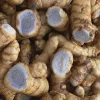
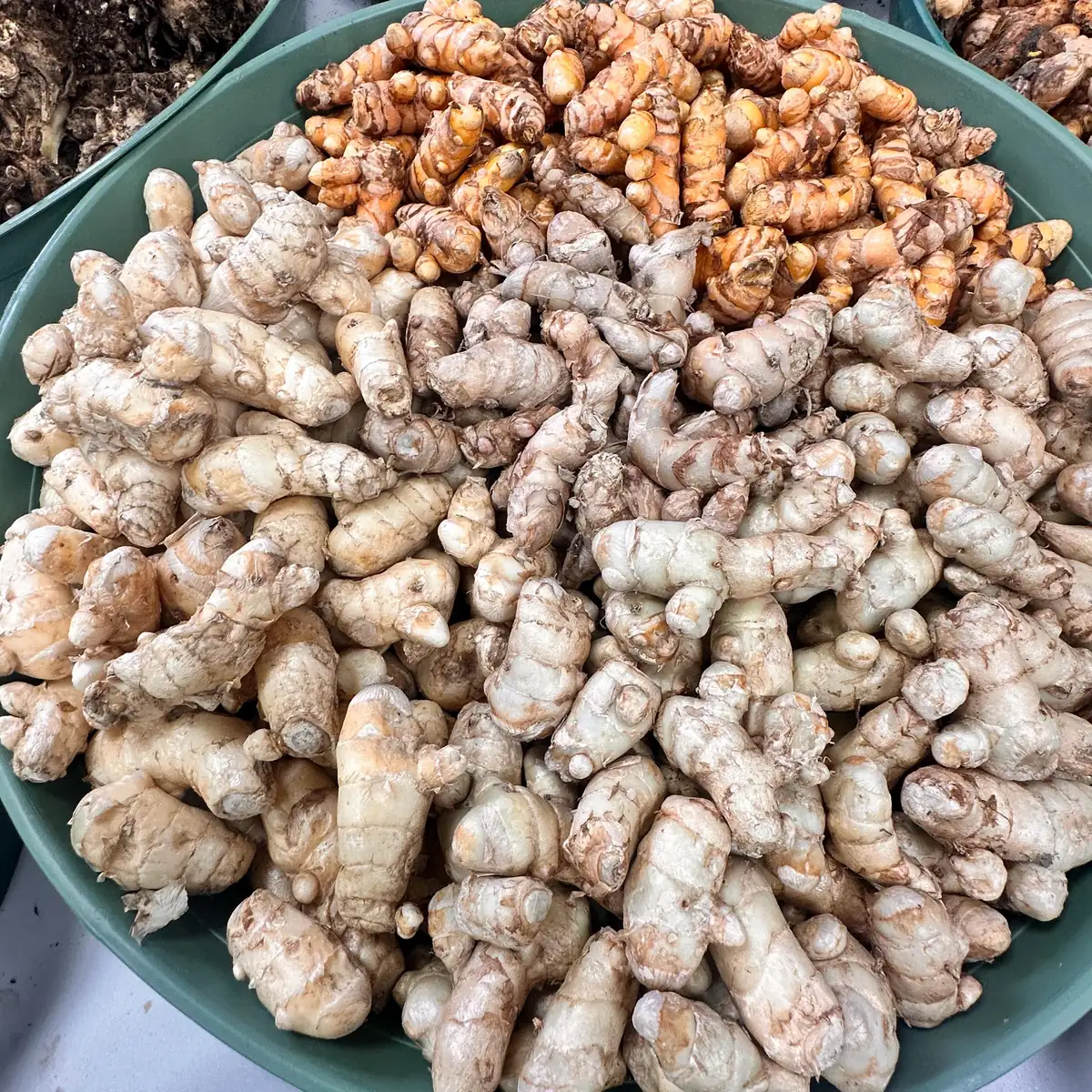
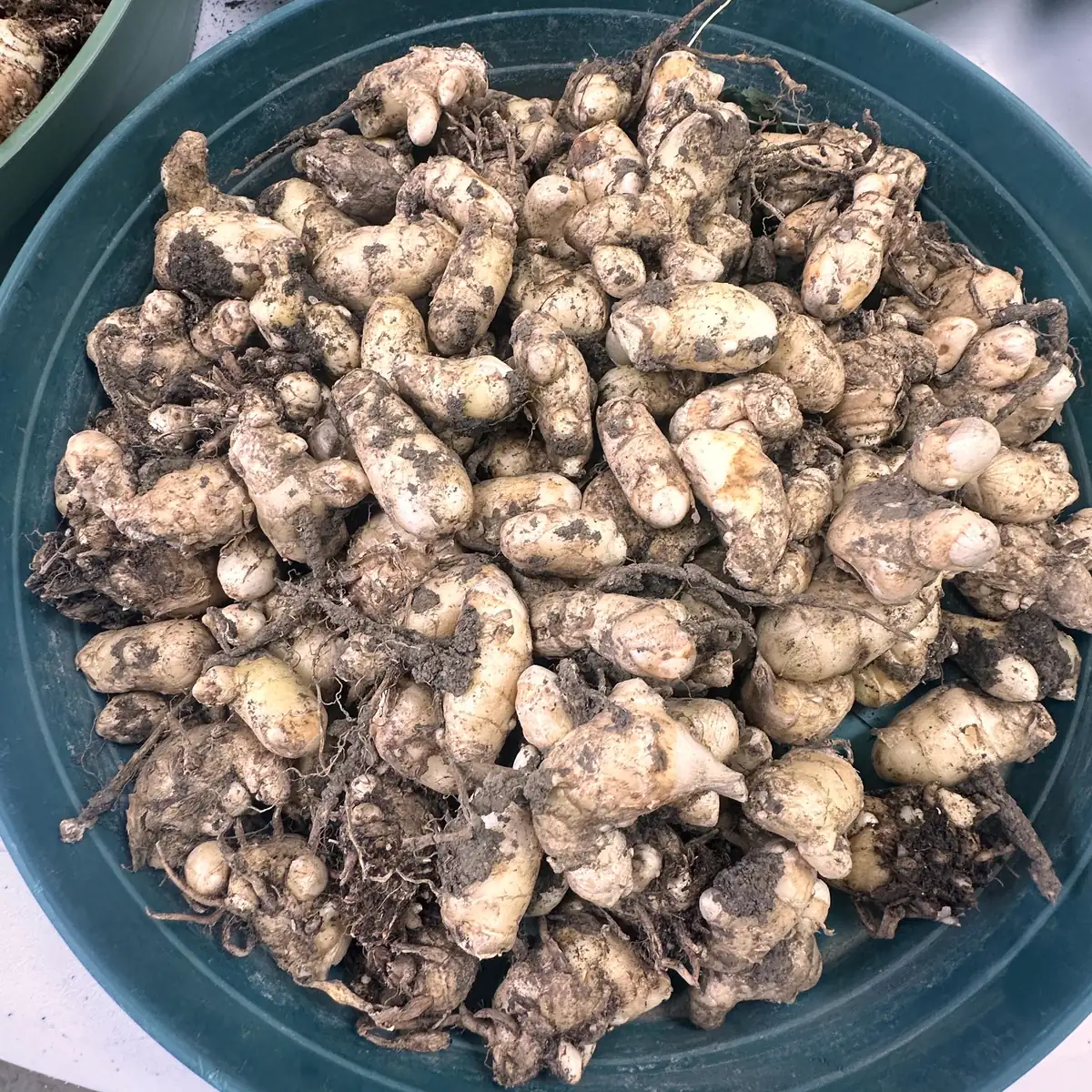
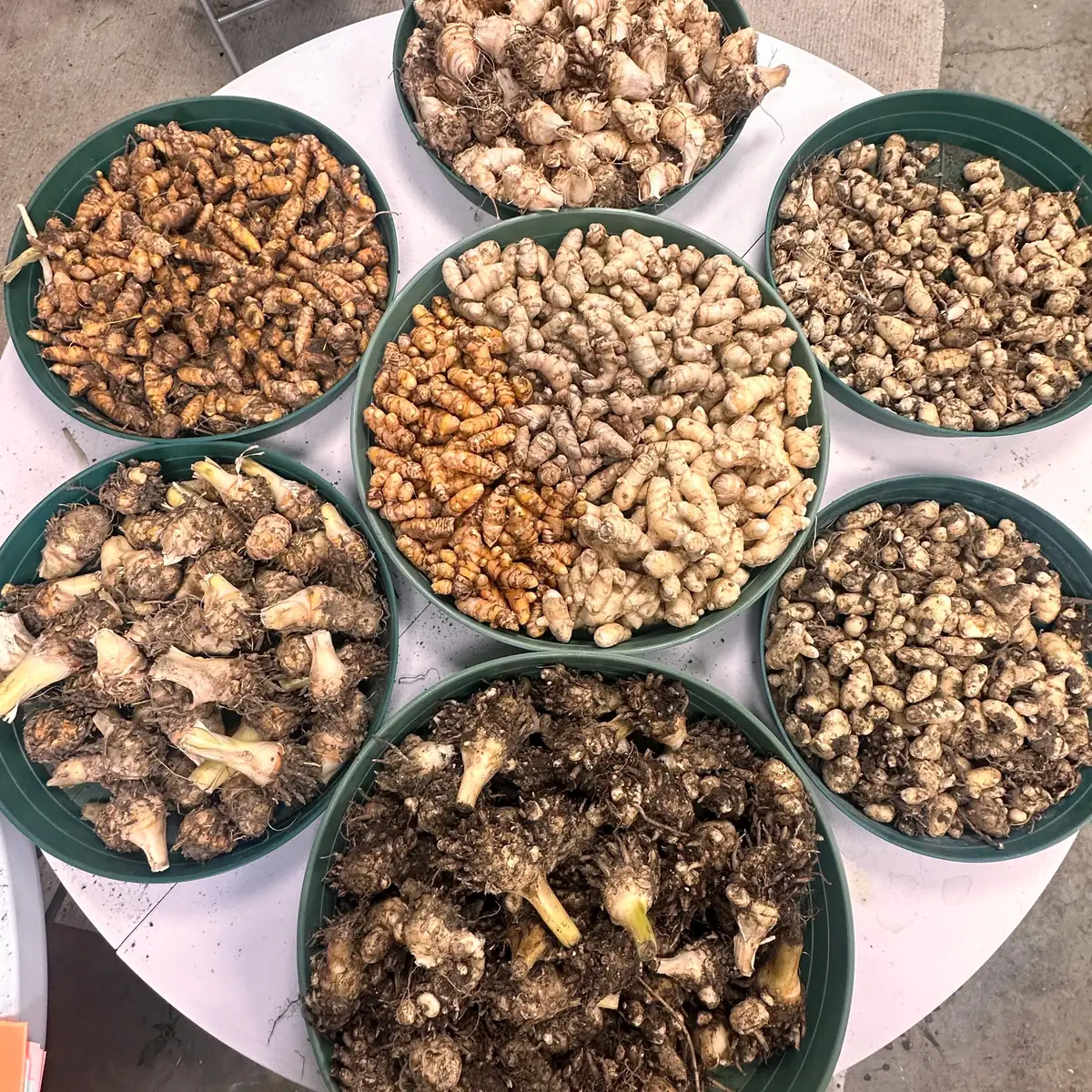
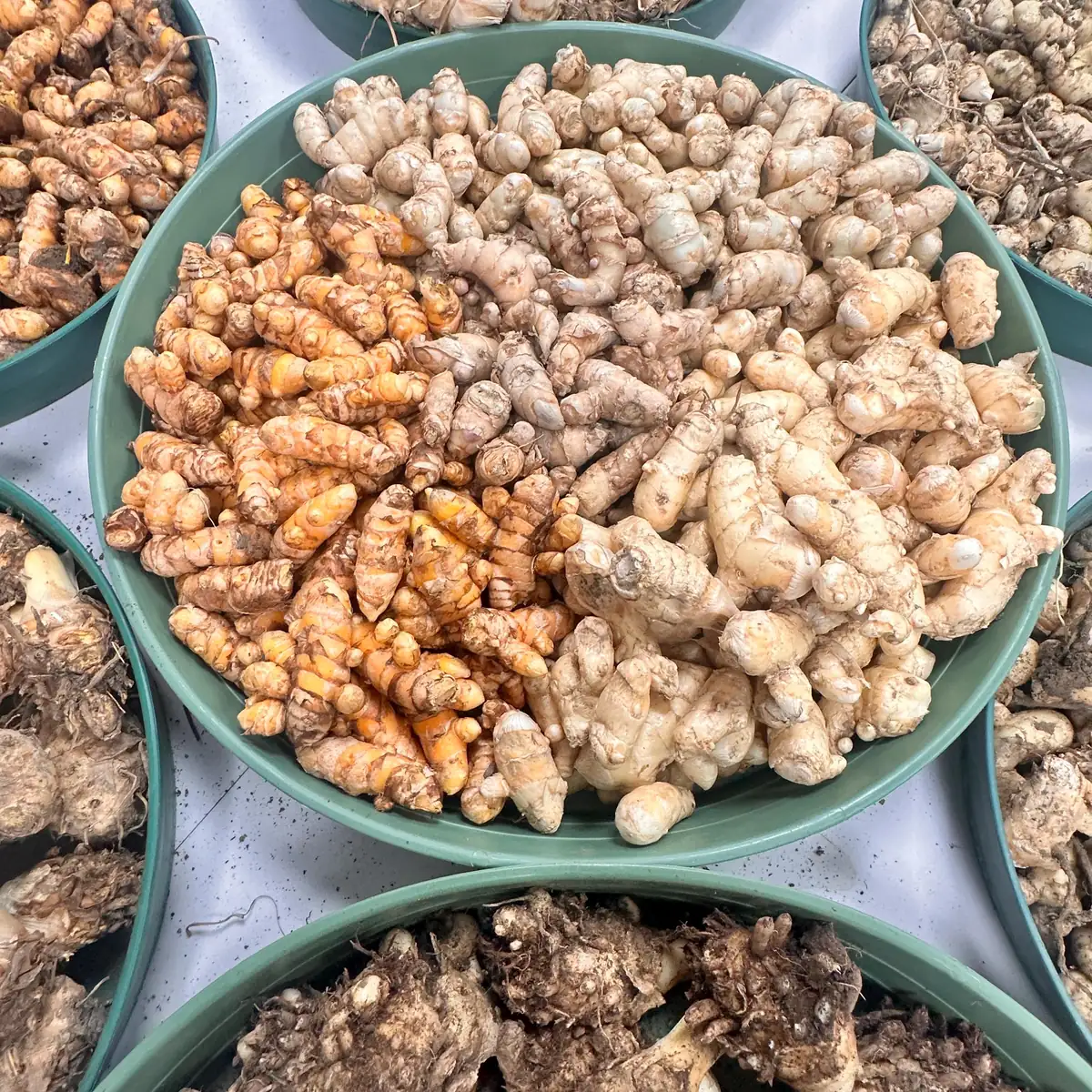
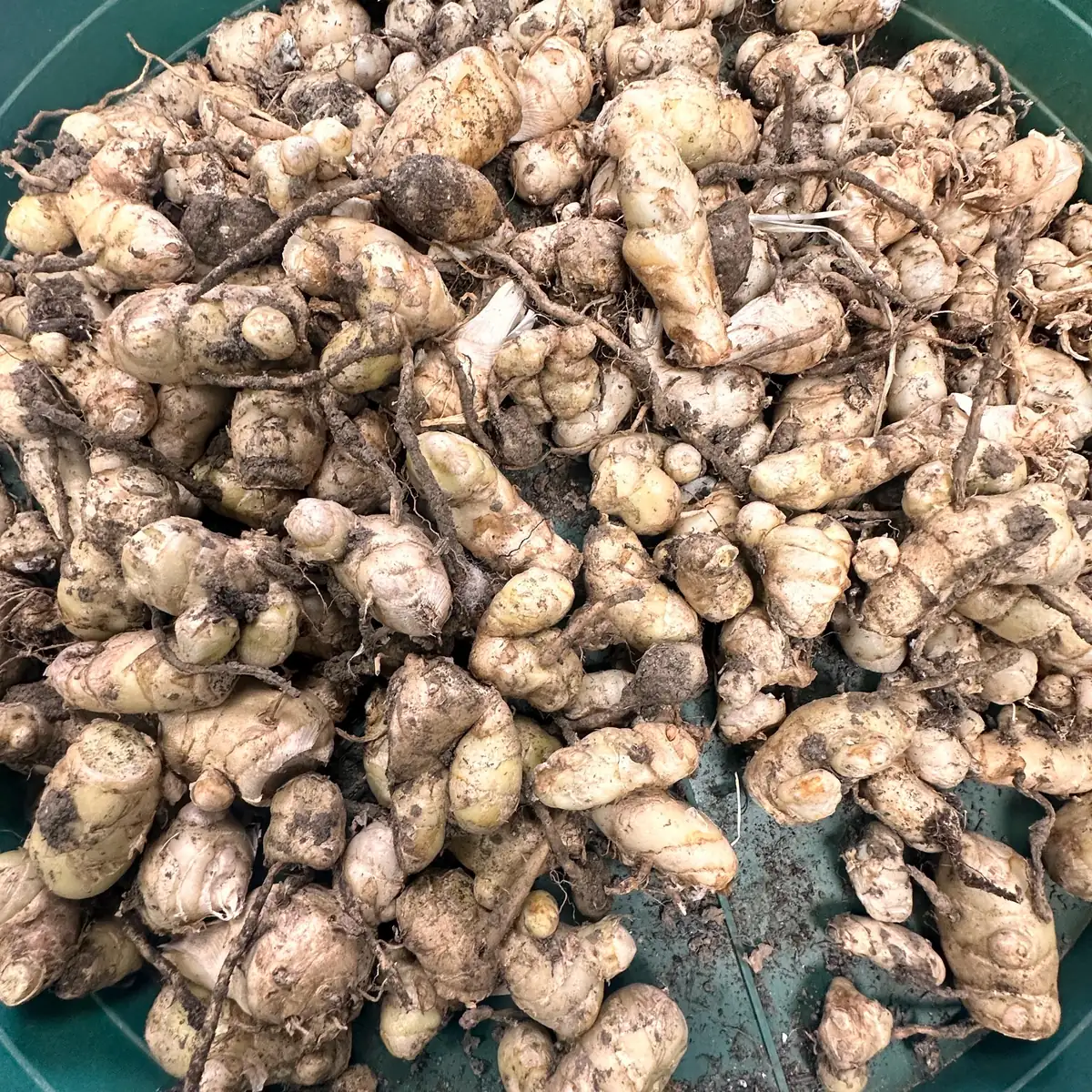
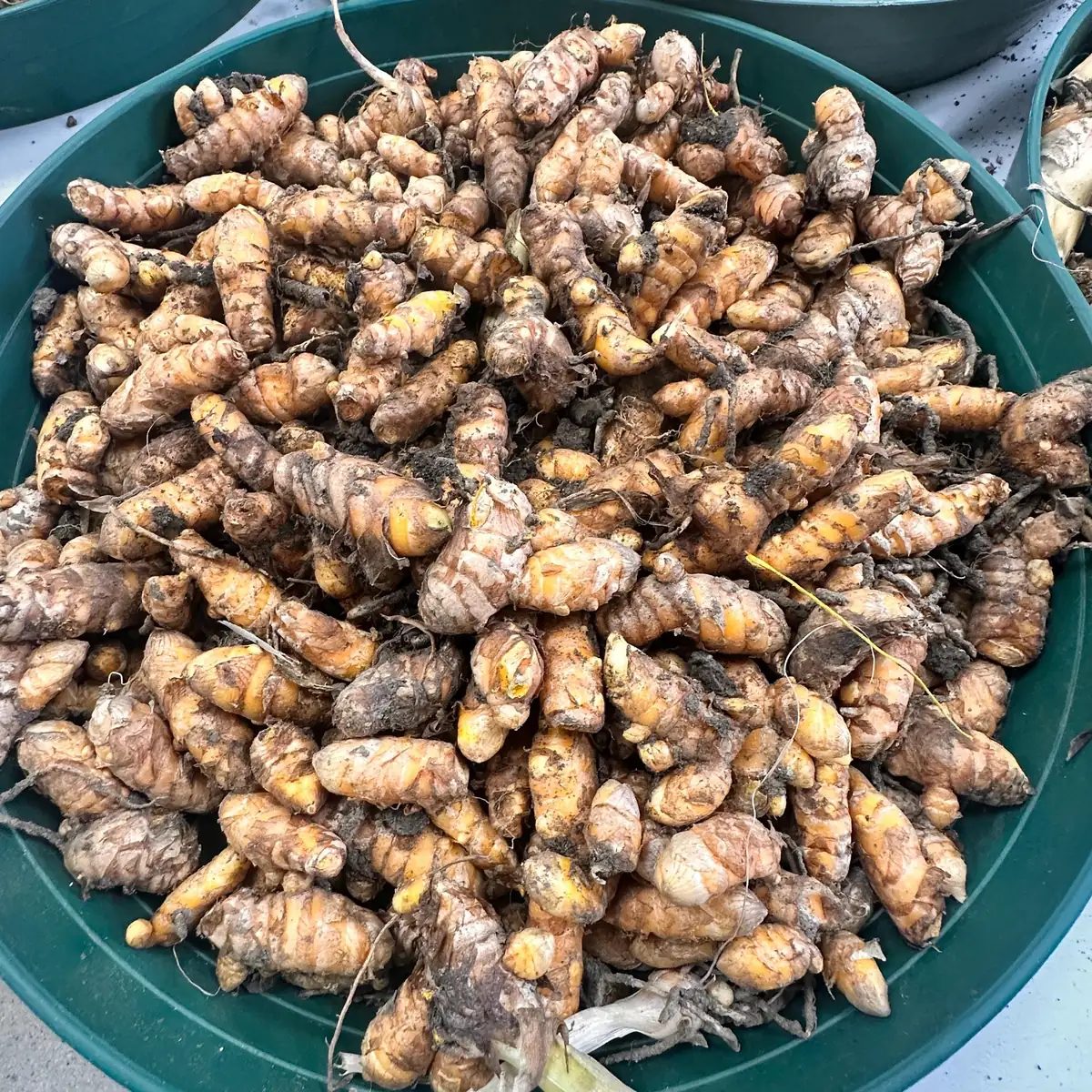
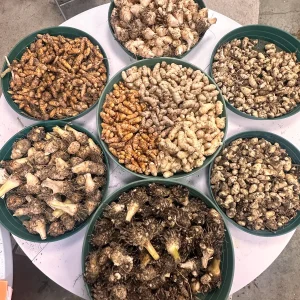
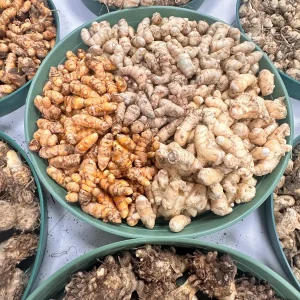
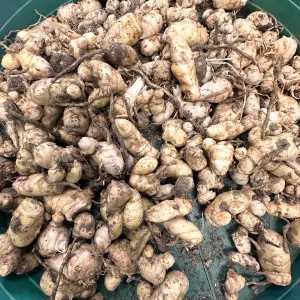
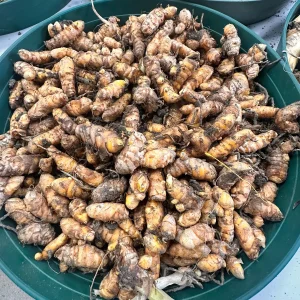
Discover the joy of cultivating your own vibrant spice with our premium turmeric rhizomes for planting. Turmeric, scientifically known as Curcuma longa, is a fascinating perennial herb belonging to the ginger family, Zingiberaceae. Renowned for its brilliant golden-orange flesh and distinctive earthy, slightly peppery flavor, turmeric is a staple in many cuisines worldwide, particularly in South Asian and Middle Eastern dishes. These rhizomes, often referred to as ‘fingers,’ are the underground stems from which new turmeric plants sprout. They are incredibly easy to grow, making them an excellent choice for both novice and experienced gardeners eager to produce their own fresh, organic turmeric. Imagine harvesting your very own turmeric, ensuring its purity and potency for all your culinary and wellness needs.
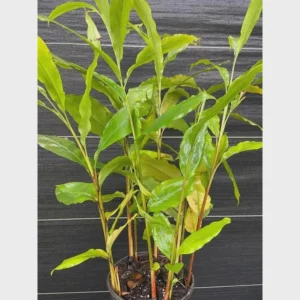
Growing turmeric rhizomes for planting at home offers a rewarding experience, transforming a simple root into a lush, tropical plant before yielding a generous bounty. The plant itself is quite attractive, featuring large, broad green leaves that can add an exotic touch to your garden or patio. Beyond its culinary appeal, turmeric is celebrated for its powerful medicinal properties, primarily due to a compound called curcumin. By planting these rhizomes, you’re not just growing a spice; you’re cultivating a superfood known for its anti-inflammatory and antioxidant benefits. Get ready to embark on a delightful gardening journey that culminates in fresh, homegrown turmeric.
Key Benefits
Our turmeric rhizomes for planting offer numerous advantages, making them a must-have for any garden or kitchen. From enhancing your dishes to potentially boosting your well-being, these roots are packed with goodness.
- Fresh, Organic Harvest: Enjoy the unparalleled taste and potency of freshly harvested turmeric. Growing your own ensures you have a pure, organic product, free from pesticides or unwanted chemicals, directly from your garden to your table.
- Culinary Versatility: Fresh turmeric adds a unique, zesty, and slightly pungent flavor to curries, soups, smoothies, teas, and stir-fries. Its vibrant color also naturally enhances the visual appeal of your dishes, making it a favorite among chefs and home cooks alike.
- Wellness Properties: Turmeric is widely recognized for its potential health benefits, particularly its potent anti-inflammatory and antioxidant properties attributed to curcumin. Having a fresh supply means you can easily incorporate this beneficial root into your daily wellness routine.
- Easy to Grow: These turmeric rhizomes for planting are remarkably low-maintenance and forgiving, thriving in a variety of conditions with minimal fuss. They are an ideal choice for gardeners looking for a rewarding, yet simple, growing experience.
- Beautiful Tropical Plant: The turmeric plant boasts large, attractive foliage that lends a tropical aesthetic to your garden, patio, or indoor space. It can be a beautiful addition even before you harvest its precious rhizomes.
- Sustainable & Cost-Effective: Once established, your turmeric plants will continue to produce rhizomes year after year, providing a sustainable and cost-effective source of this valuable spice. You’ll never need to buy store-bought turmeric again.
Plant Care & Growing Tips
To ensure a successful harvest from your turmeric rhizomes for planting, understanding their specific care requirements is key. Turmeric thrives in warm, humid environments, mimicking its native tropical habitat. For optimal growth, plant your rhizomes in a location that receives at least 6-8 hours of sunlight per day, ideally in partial shade during the hottest part of the afternoon to prevent leaf scorch. While it loves warmth, intense, direct midday sun can be too harsh, especially in warmer climates. If growing indoors, place it near a bright window that gets morning sun or provides consistent indirect light.
Watering is crucial for turmeric. The soil should be kept consistently moist but never waterlogged. Overwatering can lead to rhizome rot, while underwatering can stunt growth. A good practice is to water deeply when the top inch of soil feels dry to the touch. During active growth in summer, you may need to water daily, especially if grown in containers. Reduce watering in the fall as the plant prepares for dormancy. The ideal soil for how to plant turmeric is loose, well-draining, and rich in organic matter. A slightly acidic to neutral pH (6.0-7.0) is preferred. Amend heavy clay soils with compost or sand to improve drainage, and sandy soils with compost to enhance water retention and nutrient availability. Fertilize every 4-6 weeks during the growing season with a balanced organic fertilizer to support healthy foliage and rhizome development. Turmeric is generally hardy in USDA zones 8-11, where it can be grown as a perennial. In colder zones, it should be grown in containers and brought indoors before the first frost, or treated as an annual.
Common issues include spider mites and mealybugs, especially in dry indoor conditions. Regular inspection and natural pest control methods can manage these. Ensure good air circulation to prevent fungal diseases. Proper care will lead to a bountiful harvest, allowing you to enjoy fresh, organic turmeric from your own garden. For those wondering turmeric plant care, remember consistency in watering and adequate light are paramount.
Size & Details
Each order typically includes healthy, viable turmeric rhizomes for planting, often referred to as ‘fingers,’ ready for immediate cultivation. These rhizomes are carefully selected to ensure they have at least one ‘eye’ or bud, which is where new growth will emerge. While sizes may vary naturally, you can expect robust pieces designed for successful sprouting. When planted, turmeric plants typically grow to a height of 3-5 feet, with a spread of 1-2 feet, forming a beautiful, upright clump of lush foliage. They are well-suited for both in-ground gardening in warmer climates and container growing, which is ideal for colder regions where they can be brought indoors for winter protection.
The growth rate of turmeric is moderate, with visible shoots appearing within a few weeks of planting. The rhizomes mature and are ready for harvest approximately 8-10 months after planting, typically in late fall or early winter when the foliage begins to yellow and die back. For those interested in organic turmeric roots, these rhizomes are an excellent starting point for a sustainable home garden. They are shipped dormant and should be planted as soon as possible after arrival for the best results, ensuring a fresh supply of this incredible spice for your kitchen and medicine cabinet.
Frequently Asked Questions
- Q: How big does this plant get? A: A turmeric plant typically grows to be about 3-5 feet tall and can spread 1-2 feet wide, forming an attractive clump of broad green leaves. Its size makes it suitable for both garden beds and large containers.
- Q: What size pot does it come in? A: This product consists of turmeric rhizomes for planting, which are individual root pieces. They do not come in a pot but are ready to be planted directly into your chosen container or garden bed.
- Q: Is this an indoor or outdoor plant? A: Turmeric can be grown both indoors and outdoors. It thrives outdoors in warm, tropical climates (USDA zones 8-11). In colder regions, it’s best grown in containers and brought indoors before frost, or treated as an annual.
- Q: How much sunlight does it need? A: Turmeric prefers at least 6-8 hours of sunlight daily. In very hot climates, it benefits from partial shade during the intense afternoon sun. When growing indoors, choose a location with bright, indirect light.
- Q: Is this plant easy to care for? A: Yes, turmeric plant care is relatively easy. It’s considered a low-maintenance plant, making it suitable for beginners. The main requirements are consistent moisture, warm temperatures, and rich, well-draining soil.
- Q: What condition will it arrive in? A: Your turmeric rhizomes will arrive dormant and healthy, carefully packaged to ensure they are ready for planting. They will have visible ‘eyes’ or buds, indicating new growth potential.
- Q: How long until it’s ready for harvest? A: Turmeric rhizomes typically take about 8-10 months to mature and be ready for harvest after planting. You’ll know they’re ready when the foliage starts to yellow and die back in late fall or early winter.
- Q: When is the best time to plant how to plant turmeric? A: The best time to plant turmeric rhizomes is in the spring, after all danger of frost has passed and soil temperatures have warmed up, typically when temperatures are consistently above 65°F (18°C).
- Q: Will it survive winter in my zone? A: Turmeric will survive winter outdoors in USDA zones 8-11. In colder zones, the rhizomes need to be dug up and stored indoors, or the potted plant brought inside, to protect them from freezing temperatures. This is a common aspect of turmeric plant care in temperate climates.
- Q: Can I grow organic turmeric roots from these? A: Absolutely! By planting these rhizomes in organic soil and using organic fertilizers, you can easily grow your own supply of organic turmeric roots at home.


Reviews
There are no reviews yet.