




Blog Post
Top 9 Early-Spring Flowers to Plant in February for a Vibrant Garden
Jan
The late winter chill might still be in the air, but February is the perfect time to start dreaming of a vibrant, colorful garden. For gardening enthusiasts, this month marks the beginning of an enchanting transformation. By planting early-spring flowers now, you can wake up your outdoor space from its winter slumber and create a lively sanctuary that’s the envy of the neighborhood.
Whether you’re a seasoned pro or a complete beginner, February offers a golden opportunity to get your hands in the soil. These hardy bloomers are built to withstand the last of the frost, bringing a burst of life when you need it most. Let’s dive into the top 9 early-spring flowers to plant in February for a garden that feels like a fairytale!
1. Pansies and Violas
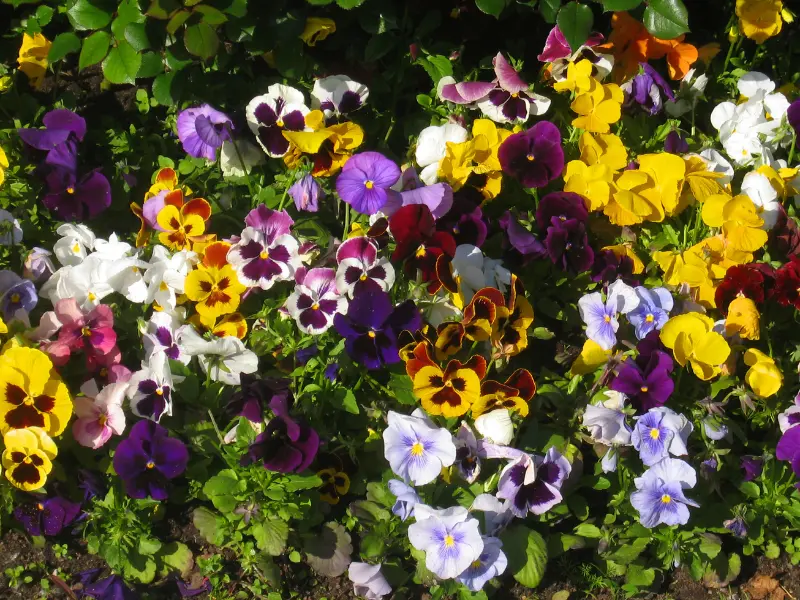
Pansies and violas are the ultimate “friendly” flowers to plant in February. With their “faces” and wide range of vibrant colors, they add instant charm to any garden bed or container. These little beauties are incredibly cold-hardy, meaning they won’t mind a bit of late-season frost.
Why they’re great for beginners:
-
Extremely versatile, they look just as good in pots as they do in the ground.
-
Low-maintenance and will continue to bloom as long as the weather stays cool.
-
Provides an instant pop of color to brighten up gray February days.
-
Zones: 3 to 9
-
Sun: Full sun to part shade
-
Soil: Well-draining, moist soil
2. Snowdrops (Galanthus)
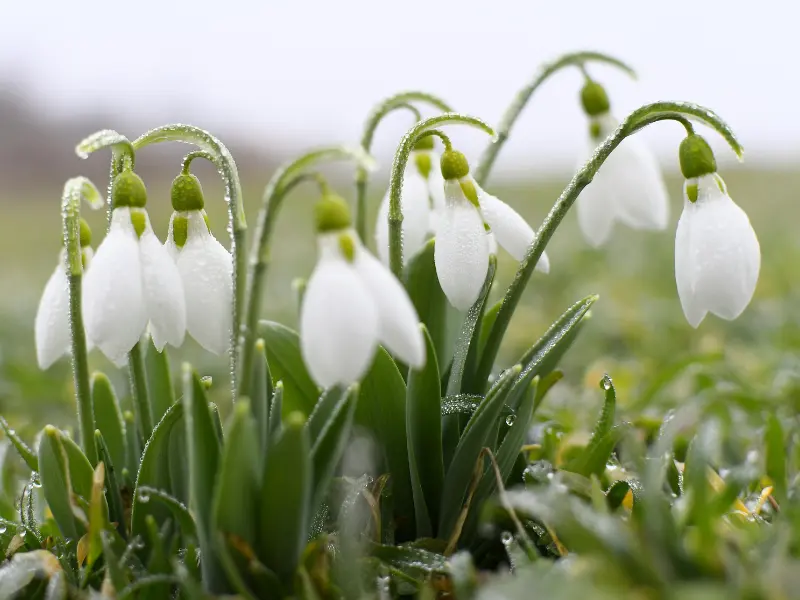
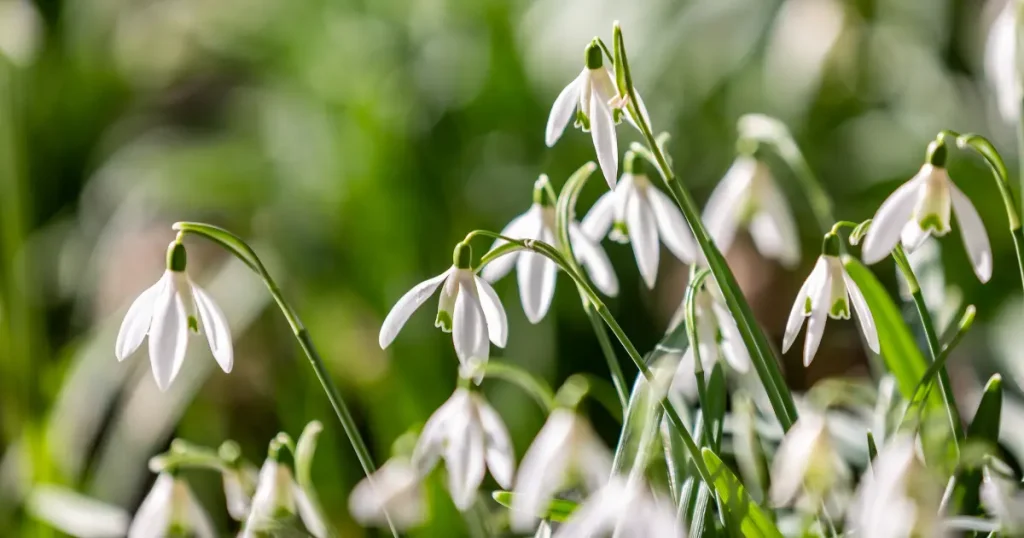
True to their name, Snowdrops are often the very first to peek through the snow. These delicate, bell-shaped white flowers offer a magical, serene look to your garden. They are perfect for “naturalizing”, which means they will spread and come back even stronger year after year.
Why they’re great for beginners:
-
Very resilient and can literally push through frozen ground.
-
Pest-resistant, so you won’t have to worry about deer or rabbits snacking on them.
-
Once planted, they require almost zero attention to thrive.
-
Zones: 3 to 7
-
Sun: Full sun to partial shade
-
Soil: Moist, well-draining soil
In my own garden, I remember a particularly harsh February in Zone 6, where everything looked bleak. Then, right near the base of an old oak tree, the Snowdrops appeared. They looked delicate, but they handled a 20-degree night like it was nothing.
Planting Tip: Snowdrops are best planted “in the green” (as live plants) or as bulbs. If you are planting bulbs in February, ensure the soil is workable. They love well-drained soil and partial shade. They are perfect for naturalizing under deciduous trees where they can get sun before the leaves come in.
3. Hellebores (Lenten Rose)
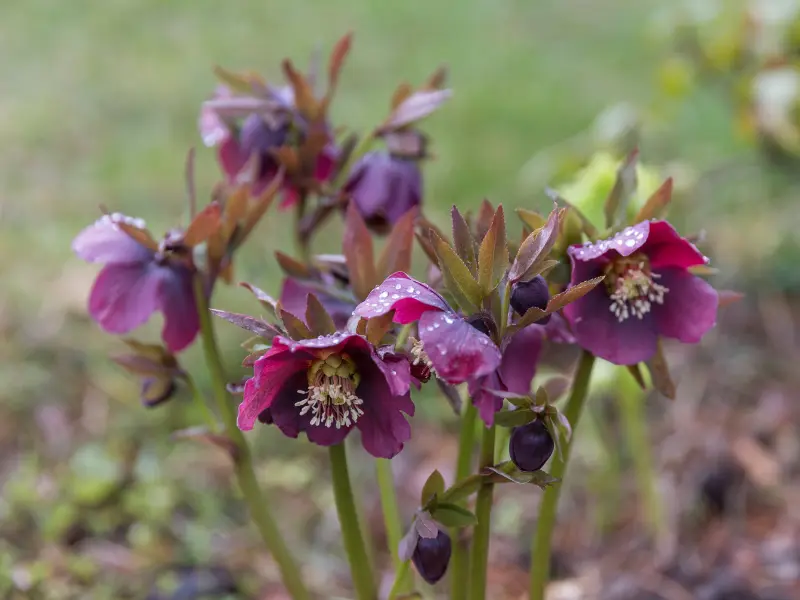
If you’re looking for elegance and drama, Hellebores are a must-have. These stunning plants produce large, nodding blooms in shades of dusty pink, deep purple, and creamy white. They are often called “Lenten Roses” because they bloom right around the start of Lent.
Why they’re great for beginners:
-
Long-blooming, their flowers can last for several months.
-
They love shady spots, making them perfect for those tricky corners under trees.
-
Vigorous growth and very long-lived once established.
-
Zones: 4 to 9
-
Sun: Partial to full shade
-
Soil: Rich, well-drained soil
(Note: Continuing with the same structure for items 4-9…)
4. Crocus
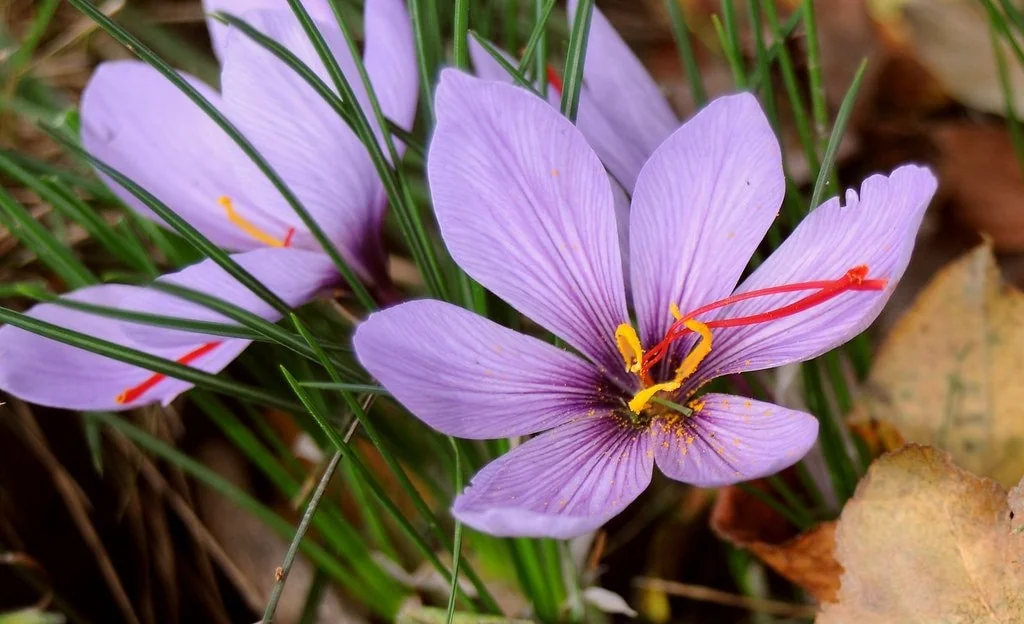
Crocuses are like little jewels popping out of the earth. These cup-shaped flowers come in brilliant shades of purple, yellow, and white. They are famous for their fast-growing nature, often appearing overnight to signal that spring is officially on its way.
Crocuses are like nature’s neon signs announcing that spring is open for business. These low-growing bulbs come in vibrant purples, yellows, and whites.
One thing I always tell my friends is to plant Crocuses in their lawn rather than just in flower beds. It creates a “flowering carpet” effect. Just be sure to avoid mowing that section of the grass until the Crocus leaves have died back naturally, as this provides energy for next year’s bloom.
Why they’re great for beginners:
-
They are self-sufficient bulbs; just plant them and let them do their magic.
-
Perfect for small spaces or planting right into your lawn for a meadow look.
-
Very affordable, allowing you to plant in large numbers for a big impact.
-
Zones: 3 to 8
-
Sun: Full sun to part shade
-
Soil: Gritty, well-draining soil
5. English Primrose
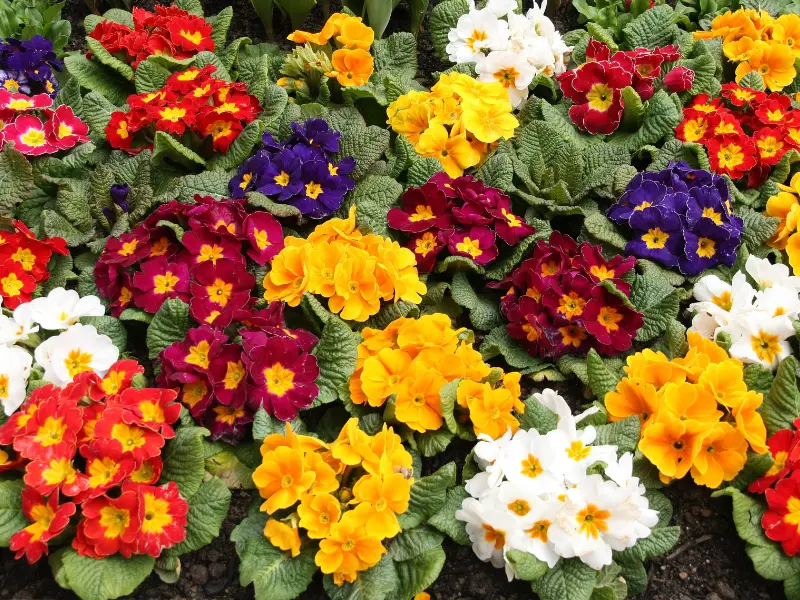
For a touch of cottage-garden charm, nothing beats the English Primrose. These flowers offer a soft, romantic look with their crinkled leaves and bright centers. They are a wonderful way to add delicate beauty to your garden borders early in the season.
They love the damp, cool conditions of late winter. If you have a spot in your garden that stays moist and shaded, Primroses will be very happy there.
Why they’re great for beginners:
-
They are tougher than they look and can handle chilly February rains.
-
Easy to maintain, simply remove dead flowers to keep them looking fresh.
-
Great for pollinators, helping to attract the first bees of spring.
-
Zones: 4 to 8
-
Sun: Partial shade
-
Soil: Damp but well-drained soil
6. Early Varieties of Daffodils (Narcissus)
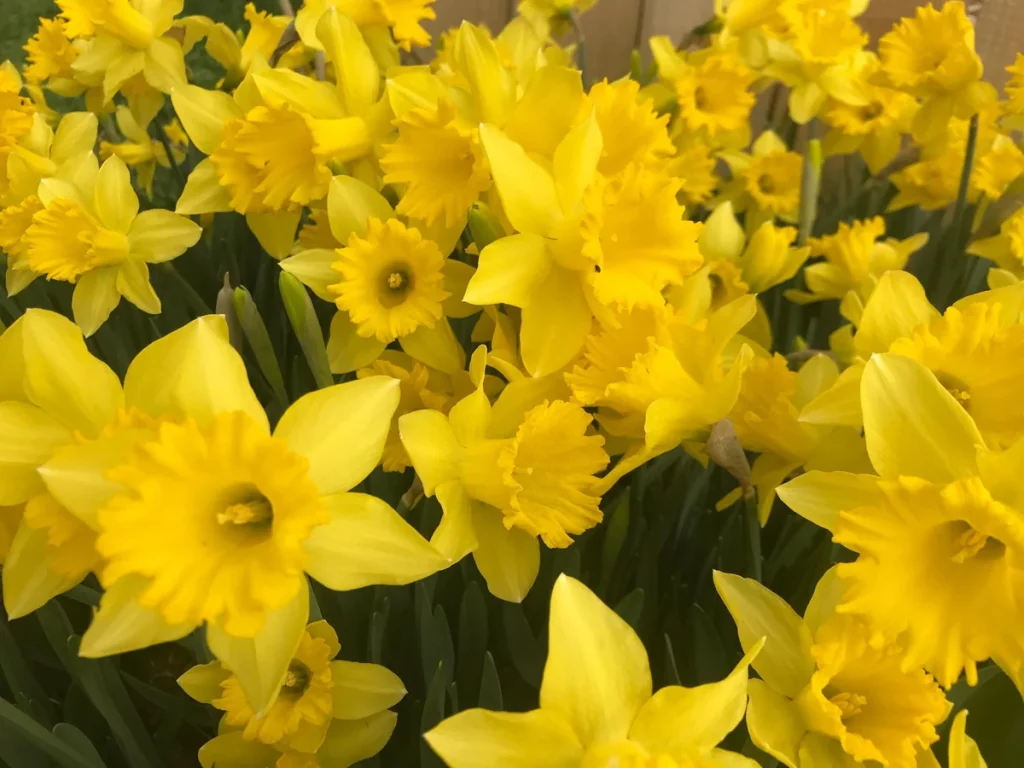
Not all Daffodils wait until April. Varieties like Rijnveld’s Early Sensation can bloom as early as February in many parts of the US.
Daffodils are the cheerful sunshine of the early spring garden. Their bright yellow and white trumpets are a classic choice for any beginner.
Daffodils are a “set it and forget it” plant. They are toxic to squirrels and deer, so you don’t have to worry about your hard work being eaten overnight. When planting in February, look for “potted” daffodils at local garden centers that are already showing green tips to get a head start.
Why they’re great for beginners:
-
They are virtually indestructible and come back year after year.
-
Deer and rodent proof, critters usually leave these bulbs alone.
-
Very forgiving of different soil types and gardening mistakes.
-
Zones: 3 to 8
-
Sun: Full sun to part shade
-
Soil: Average, well-drained soil
7. Sweet Peas
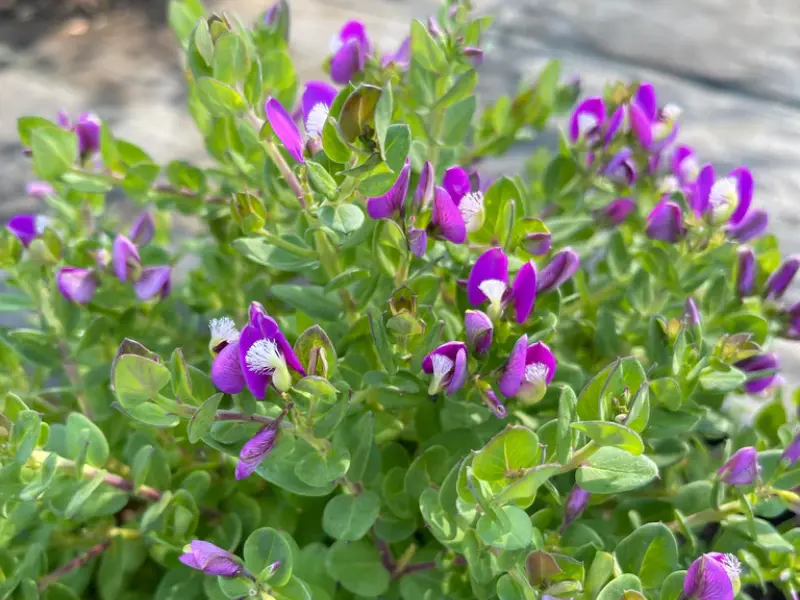
For a garden that smells as good as it looks, Sweet Peas are the top choice. Planting them in February allows them to establish deep roots before the heat of summer arrives. Their amazing fragrance and climbing nature make them perfect for fences and trellises.
Why they’re great for beginners:
-
Fast-growing climbers that can quickly cover an unsightly garden structure.
-
Produces abundant flowers that are perfect for cutting and bringing indoors.
-
Simple to grow from seed with just a little bit of support.
-
Zones: 2 to 11 (Annual)
-
Sun: Full sun
-
Soil: Rich, loamy, well-draining soil
8. Wallflowers
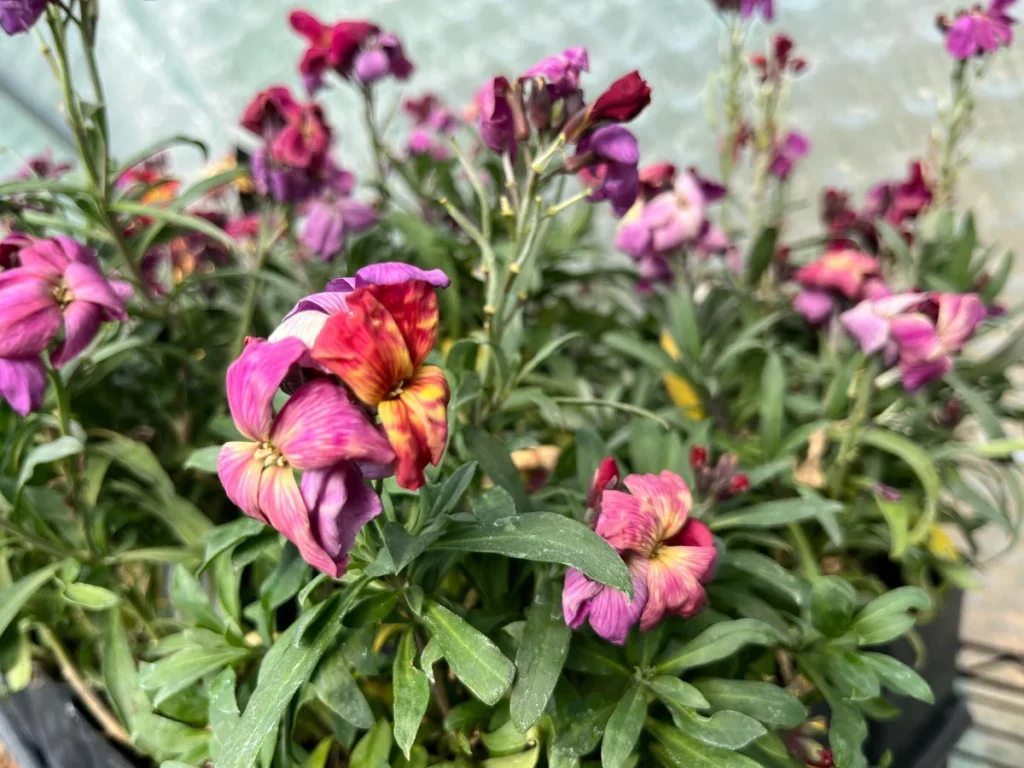
Wallflowers are known for their intense fragrance and woody stems. They produce clusters of blooms in warm tones like burnt orange, red, and yellow. They are incredibly sturdy and can brighten up even the stoniest parts of your garden.
Why they’re great for beginners:
-
Extremely drought-tolerant once they get settled in.
-
Low-maintenance, they thrive in poor soil where other flowers might struggle.
-
Provides early nectar for butterflies waking up from hibernation.
-
Zones: 5 to 9
-
Sun: Full sun
-
Soil: Well-drained, even alkaline soil
9. Winter Aconite
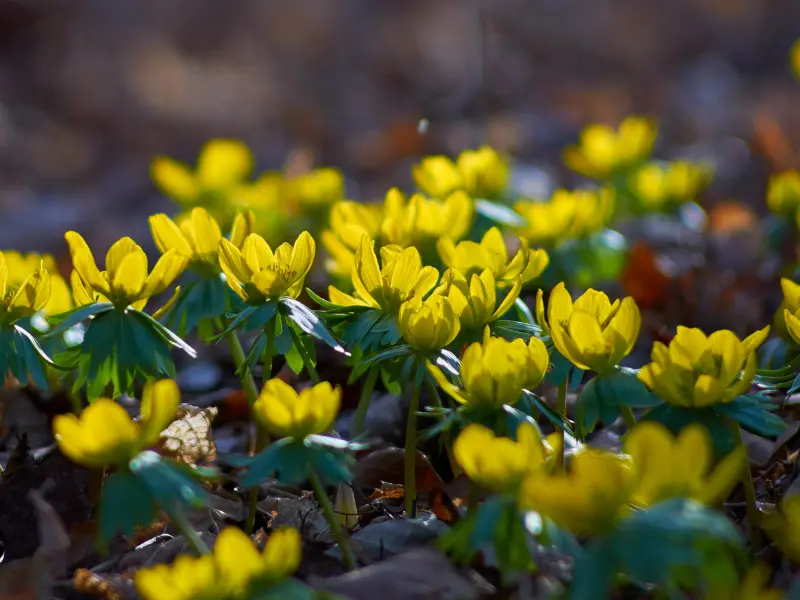
Winter Aconite is a hidden gem that creates a golden carpet on the garden floor. These small, buttercup-like flowers are famous for blooming alongside snowdrops. They are rapid growers that add a much-needed splash of yellow to the late-winter landscape.
If you want a splash of bright, sunny yellow to break the winter blues, Winter Aconite is your best bet. These belong to the buttercup family and feature cheery yellow flowers surrounded by a green leafy collar.
These plants are tiny but mighty. They spread over time to form a dense groundcover. I find they work best when planted alongside Snowdrops, as the yellow and white contrast is breathtaking against the dark, damp February earth.
Why they’re great for beginners:
-
They spread easily, filling in empty gaps in your garden beds quickly.
-
Resilient to extreme cold and late-season snowstorms.
-
Perfect for low-effort gardening, they naturalize beautifully under deciduous trees.
-
Zones: 4 to 7
-
Sun: Full sun to partial shade
-
Soil: Moist, alkaline soil
Conclusion
Planting early-spring flowers in February is a wonderful way to jumpstart your garden’s beauty. Whether you choose the resilient Snowdrops, the dramatic Hellebores, or the fragrant Sweet Peas, these varieties are perfect for creating a lush, colorful haven with minimal fuss. Your future self will thank you when your garden comes alive with color while everyone else’s is still brown!
Ready to get your spring garden started? Explore our Early Bloom Collection today and find the perfect varieties to bring your outdoor space to life!
You may like:
- Top 20 Early Blooming Flowers to Attract Pollinators in Spring
- Saving the bees: How to create a pollinator-friendly garden
- 4 Best Flowering Dogwood Trees to Beautify Your Garden
Frequently Asked Questions
Is February too early to plant flowers?
Not for these varieties! Many early-spring flowers are frost-tolerant and actually prefer the cool soil of February to establish their roots.
Do I need to protect these flowers from frost?
Most of the flowers on this list, like Pansies and Hellebores, are very hardy. However, if an extreme deep freeze is predicted, a light covering of mulch or burlap can help.
Can I grow early-spring flowers in containers?
Absolutely! Pansies, Violas, and Crocus are particularly well-suited for pots and window boxes to brighten up your patio.
Would you like me to generate a specific list of technical care tips or perhaps a planting calendar for these 9 flowers to accompany this post?
Will a heavy snow kill my February blooms?
Generally, no. Snow actually acts as an insulator. Most of the plants on this list have a biological “antifreeze” that allows them to droop during a freeze and stand back up once it warms up.
Do I need to use fertilizer right away?
No. In February, the plants are focused on root establishment and early blooming. Wait until you see significant new green growth in the spring before applying a balanced, slow-release fertilizer.
