




Guide
How to Grow Comfrey Plant: The Ultimate Guide for Your Garden
Feb
If you’ve been searching for a way to supercharge your garden’s health while adding a touch of rustic charm, look no further than the mighty comfrey plant! This isn’t just any ordinary perennial; it’s a pollinator paradise, a natural fertilizer factory, and a soil-healing miracle all wrapped into one leafy package.
From its fascinating history in traditional medicine to its “superpower” of turning dirt into gold, comfrey is the best friend every gardener needs. But how do you master growing this green powerhouse? Don’t worry! Whether you’re a complete beginner or a seasoned pro, I’ve got all the secrets to help you grow a comfrey plant that’s happy, healthy, and perfectly “comfy” in your backyard. Let’s dive right in!
What is Comfrey Plant?
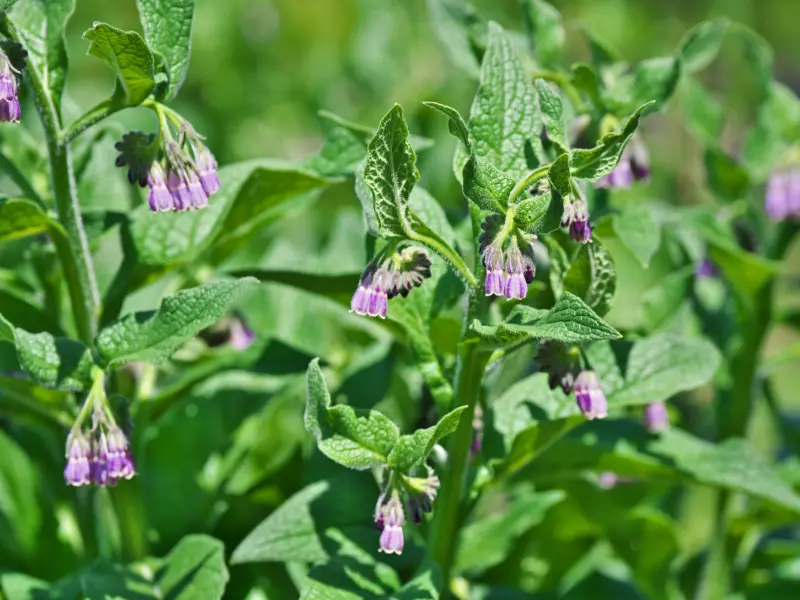
Comfrey plant is a deciduous perennial with a massive taproot that can dive up to 10 feet deep! It acts like a nutrient straw, pulling up minerals like potassium, calcium, and magnesium from the subsoil that other plants simply can’t reach.
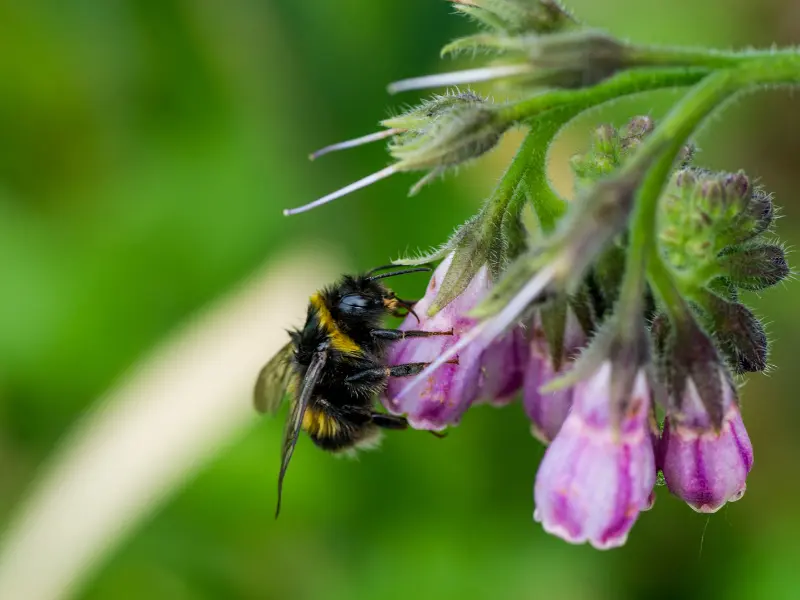
But it’s not just a “nutrient miner.” Comfrey produces gorgeous, drooping clusters of bell-shaped flowers in shades of violet, pink, and cream. Your local bees, butterflies, and hummingbirds will literally line up for a taste of its nectar! Plus, its large, fuzzy leaves create a lush, tropical look that beautifully fills in gaps in your landscape.
Read more: 7 Reasons Why Every Gardener Should Grow Comfrey (Must-Read!)
Key Features
-
Botanical Name: Symphytum officinale
-
Hardiness Zones: 3–9 (It’s tough as nails and survives snowy winters easily!)
-
Fast Growth: It can grow from a comfrey root to a massive 3-foot bush in just one season.
-
Dynamic Accumulator: A fancy way of saying it’s packed with plant-boosting minerals.
-
Pollinator Paradise: One of the best plants for supporting your local bee population.
Choosing the Right Variety
Before you buy, here’s a little secret:
-
Common Comfrey: Great for seeds and wildlife, but it can spread aggressively around your garden.
-
Bocking 14 (Russian Comfrey): This is the “gold standard” for gardeners. It’s sterile, meaning it won’t drop seeds and pop up everywhere. It stays exactly where you plant it!
Planting Comfrey Plants
Setting your comfrey up for success is easy, but because it’s a “forever plant,” you want to pick the right spot the first time!
Best Time to Plant
Spring is the “golden window” once the soil is workable. The absolute best time to plant is in spring, once the frost has cleared and the soil is easy to work. This gives your plant a full season to develop that incredible, deep-reaching taproot.
However, because comfrey is so resilient, you can plant it anytime from spring through early autumn. Just be sure to avoid the scorching peak of summer to keep your young cuttings from struggling in extreme heat. If you’re planting in a container, you have more flexibility, but always make sure your “miracle herb” gets plenty of sunlight to kickstart its growth!
Choosing the Right Location
Comfrey plant isn’t picky, but it loves the sun. Aim for a spot with at least 6 to 8 hours of direct light for maximum growth. It also thrives in “waste areas”, those awkward corners of the garden where nothing else seems to grow.
-
Space it out: Give it room! Space plants about 3 feet apart.
-
Think ahead: Because that taproot is so deep, moving an established plant is like trying to move a mountain. Pick a permanent “forever home” for it!
Soil Preparation
Comfrey will grow in almost anything, but it adores rich, nitrogen-heavy soil. If you have some old compost or well-rotted manure, mix it into the planting hole. It prefers a slightly acidic to neutral soil, but honestly, it’s not a diva; it’ll likely thrive regardless.
Read more: 3 Essential Steps for Soil Preparation
How to Plant Comfrey from Root Cuttings
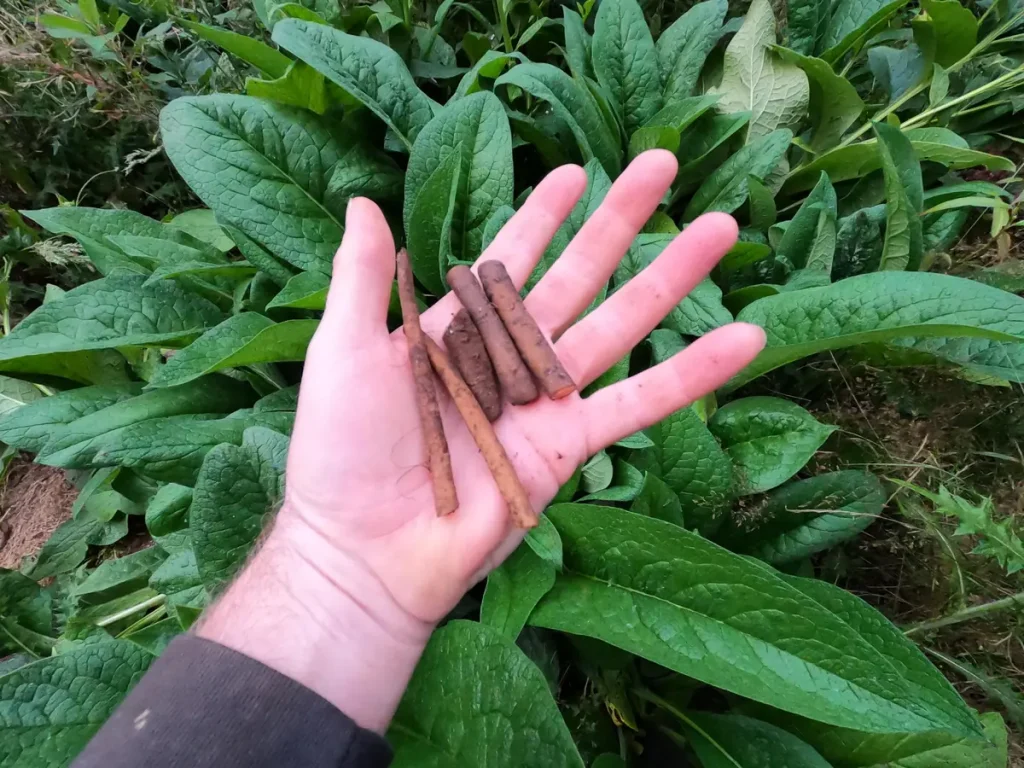
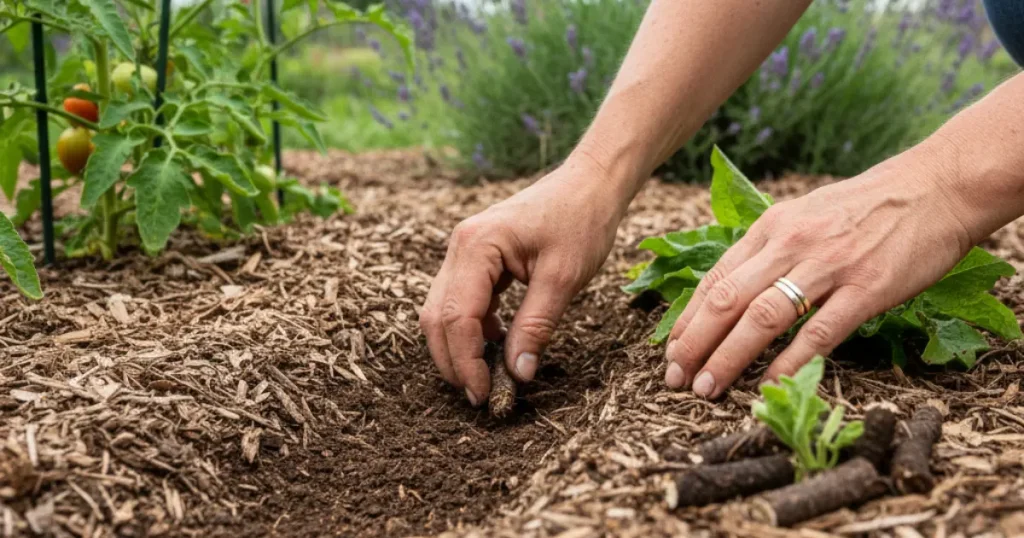
Planting comfrey from root cuttings is the fastest and easiest way to start your patch. Follow these simple steps to set your “miracle herb” up for success:
-
Dig the Trench: Dig a small hole or trench about 2–3 inches deep. You don’t need to go too deep; comfrey is eager to grow and will find its way!
-
Place the Root: Lay your root cutting horizontally at the bottom of the hole. Ensure it has plenty of space to stretch out.
-
Backfill the Hole: Cover the cutting with the soil you removed. Gently firm it down with your hands to eliminate any large air pockets, ensuring the root has good contact with the earth.
-
Water Thoroughly: Give your new planting a generous soak. Consistent moisture is key in the first few weeks to help the cutting “wake up” and start pushing out those first green shoots.
Container Planting Tips
If you’re short on space or want to keep your comfrey contained, growing it in a pot is a brilliant idea! Just keep these tips in mind:
-
Choose the Right Pot: Since comfrey has a long taproot, pick a deep container (at least 12–18 inches) with plenty of drainage holes.
-
The Right Mix: Use a high-quality, well-draining potting mix. To give your comfrey an extra boost, mix in a handful of organic compost.
-
Watch the Water: Plants in pots dry out faster than those in the ground. Check the soil regularly and water whenever the top inch feels dry, just be careful not to let the pot sit in a saucer of standing water!
Growing Comfrey Plants
Once it’s in the ground, comfrey is the ultimate “set it and forget it” plant.
Watering
For the first year, keep the soil consistently moist while the taproot finds its way down. Once comfrey root is established? Comfrey is incredibly drought-tolerant. If the leaves start to look a bit “floppy” on a hot afternoon, don’t panic – a quick drink will have them standing tall again in no time.
Feeding
You don’t really need to fertilize comfrey; remember, it is the fertilizer! However, a mulch of compost around the base in the spring will give it a nice “high-five” to start the season.
Seasonal Care Tips
To keep your comfrey plants thriving year-round and acting as a non-stop nutrient factory, follow these simple seasonal steps:
-
Spring: This is the time for a “relaunch!” Apply a layer of organic compost around the base and watch for the first lush leaves. It’s also the perfect season to take comfrey root cuttings if you want to expand your patch.
-
Summer: Water your comfrey regularly during dry spells to keep those large leaves from wilting. This is your peak harvest time. Feel free to cut the plant back to the ground every few weeks to make your “green gold” fertilizer!
-
Fall: As growth slows down, reduce watering. Chop down the final flush of leaves and leave them on the soil as a “self-mulching” winter blanket. This protects the crown and feeds the soil for next year.
-
Winter: Comfrey plant is incredibly cold-hardy and will go dormant (die back to the ground). No special care is needed, but adding a little extra mulch in very cold regions will keep the roots cozy until their big spring comeback!
How to Use Comfrey
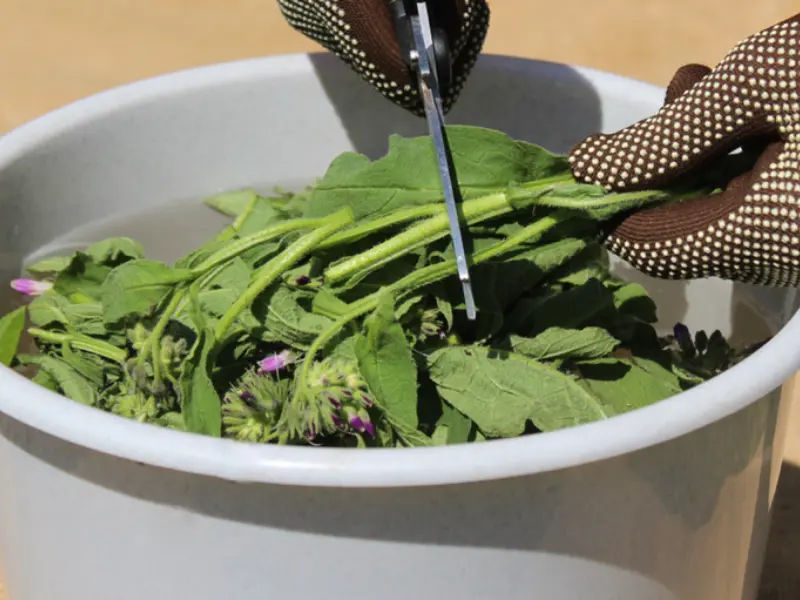
This is where the fun begins! You can harvest the leaves 3–4 times a year. Simply cut the whole plant down to about 2 inches from the ground (wear gloves, as the hairs can be a bit scratchy!).
-
Comfrey Tea: Soak leaves in a bucket of water for 3 weeks. It smells like old gym socks, but it’s “liquid gold” for your tomatoes and flowering plants!
-
Chop and Drop: Lay the cut leaves directly on top of your garden beds as a nutrient-rich mulch.
-
Compost Booster: Throw leaves into your compost pile to speed up the decomposition process.
Troubleshooting Common Issues
-
Yellow Leaves: Usually a sign of “wet feet.” Make sure the soil isn’t sitting in a puddle.
-
Rust (Fungus): Sometimes orange spots appear on the leaves. Don’t worry, just cut the plant to the ground, dispose of the leaves (don’t compost them), and the new growth will come back clean!
Frequently Asked Questions (FAQs)
How long does comfrey live? A long time! A healthy comfrey patch can produce for 20 years or more.
Is it safe for pets? While it’s great for the garden, comfrey contains alkaloids that aren’t great for munching in large quantities. It’s best to keep curious dogs or cats from chewing on the leaves.
Why isn’t my comfrey blooming? It might need more sunlight! Move it to a sunnier spot or make sure larger trees aren’t shading it.
Can I grow comfrey in a pot? Yes! But choose a very deep container to accommodate its long taproot.
Is comfrey invasive? Common comfrey can self-seed, but “Bocking 14” Russian comfrey is sterile and much easier to manage.
How do I use the leaves? You can chop them up and use them as mulch, or steep them in water for a few weeks to make a “comfrey tea” fertilizer (fair warning: it smells a bit funky, but your tomatoes will love it!).
Final Thoughts
Comfrey plant truly is the unsung hero of the garden. It works hard, looks beautiful, and gives back more than it takes. Whether you’re a beginner or a seasoned green thumb, adding a patch of comfrey is one of the best favors you can do for your soil.
Read more:
- 10 Best Herbs to Grow at Home
- Rue Herb: The Ultimate Guide to Ruta (Health, Garden & Safety)
- 7 Moringa Plant Care Mistakes to Avoid for Healthy Growth
- How to Grow Moringa in Pots and Indoors: Your Ultimate Guide
References:
-
Gardeners’ World: How to grow and use comfrey
-
USDA Natural Resources Conservation Service: Plant Profile for Symphytum officinale
