
-
×
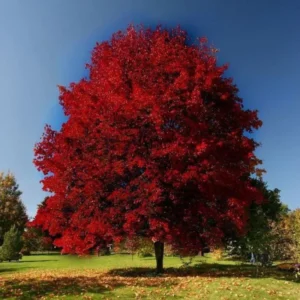 Brandywine Maple 2.5” Pot
$25.99
Brandywine Maple 2.5” Pot
$25.99
Guide
How to Grow Virginia Creeper: A Complete Beginner’s Guide

30
Jul
Jul
Virginia Creeper (Parthenocissus quinquefolia), also known as five-leafed ivy, is a charming, fast-growing vine that can quickly transform any garden or outdoor space. With its lush green foliage that changes to vibrant shades of red and purple in the fall, Virginia Creeper adds beautiful color, texture, and even wildlife-friendly features to your garden. Whether you’re a seasoned gardening pro or a first-time planter, this hardy vine is the perfect addition to your landscape. Let’s walk through the simple steps to growing and caring for Virginia Creeper!
Table of Contents
What is Virginia Creeper?

Virginia Creeper is a dynamic, deciduous vine that originates from North America. It is admired for its vibrant green leaves, which can change into stunning shades of red, purple, and orange during the fall months. Not only does it thrive in a variety of climates, but it is also incredibly versatile, making it a perfect addition to almost any garden setting. Whether you’re looking to cover an unsightly wall, add a natural privacy screen, or simply bring some greenery to your garden, Virginia Creeper can meet all your needs with minimal effort.
This vine is often used for vertical gardening—perfect for growing up trellises, fences, or even walls. It’s a great choice if you’re short on horizontal space but still want to grow lush greenery.
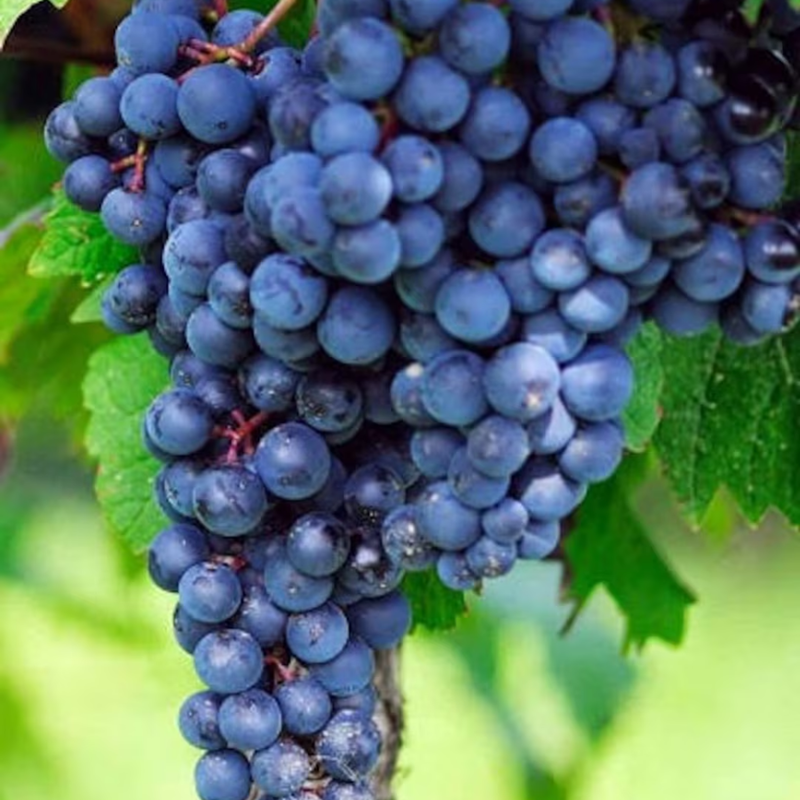
Virginia Creeper is a beautiful but potentially dangerous plant. The dark blue berries contain oxalic acid, which is toxic to humans if consumed, though birds can eat them safely. Be cautious around the plant, especially with children, and don’t leave them unattended.

The plant’s sap contains needle-like oxalate crystals, which can irritate the skin and cause a rash for some people. If you’re sensitive, wear gloves when handling the plant to avoid irritation.
By being mindful of these safety precautions, you can safely enjoy your Virginia Creeper while keeping your garden a safe space for everyone.
Key Features
-
Botanical name: Parthenocissus quinquefolia
-
Appearance: Dark green leaves that turn vibrant red and purple in the fall, with small, inconspicuous flowers in the summer.
-
Light requirements: Thrives in full sun to partial shade.
-
Drought-tolerant: Once established, it is fairly drought-resistant.
-
Low maintenance: Virginia Creeper requires minimal care, making it an excellent choice for low-effort gardeners.
-
Wildlife-friendly: The vines attract birds, providing shelter and food for local wildlife.
Best Varieties of Virginia Creeper
While the most common variety of Virginia Creeper is the standard Parthenocissus quinquefolia, some fantastic cultivars may appeal to specific garden styles:
-
Virginia Creeper ‘Engelmannii’: Known for its compact growth and slightly smaller leaves, this variety is perfect for small spaces and smaller trellises or garden areas.
-
Virginia Creeper ‘Green Spring’: This variety keeps its lush green foliage longer into the season and is noted for its deep red fall color, providing vibrant seasonal interest.
-
Virginia Creeper ‘Purpurea’: A unique variety that provides deep purple hues, perfect for gardeners looking for something a bit more dramatic.
Planting Virginia Creeper

Planting Virginia Creeper is straightforward, and it’s a great way to add lush greenery to your outdoor space without too much fuss.
Best Time to Plant
Virginia Creeper can be planted either in the spring or fall. Spring planting allows the vine to establish roots during the warmer months, while fall planting gives it time to settle before winter sets in. Both options are ideal, but make sure you plant when the weather is mild, not during a heatwave or when the temperatures are at their highest.
Choosing the Right Location
Virginia Creeper is quite versatile when it comes to its light requirements, but it does best in areas that receive partial to full sun. The more sun it gets, the more vibrant its colors will be. However, if you’re growing it in an area with hot summers, try to place it in a location that offers some afternoon shade. You can plant it against fences, trellises, or walls to let it climb and spread.
Ensure the location you choose has well-draining soil—this is crucial for preventing root rot. It’s best to avoid planting it in places that tend to pool with water, especially after rainfall.
Soil Preparation
Virginia Creeper is adaptable to most soil types but prefers slightly acidic to neutral soil. It doesn’t need to be pampered with complex soil amendments, but if your soil is heavy and clay-like, adding organic matter (like compost or well-rotted manure) will improve drainage and soil texture.
If your soil tends to stay compacted, mixing in some sand or perlite can help loosen it up, giving the roots more room to spread out.
How to Plant Virginia Creeper
-
Dig the Hole: Start by digging a hole about twice as wide as the plant’s root ball. The hole should be just deep enough to accommodate the roots without burying the plant too deep.
-
Place the Plant: Gently remove the plant from its container and place it into the hole. Ensure the top of the root ball is level with the surrounding soil.
-
Backfill the Hole: Fill the hole with soil, gently pressing it down as you go to remove air pockets. Be careful not to compact the soil too much, as Virginia Creeper needs some air around its roots.
-
Water Thoroughly: After planting, water the plant deeply to help the soil settle around the roots and provide moisture to encourage healthy root development.
Growing Virginia Creeper

Once planted, Virginia Creeper is easy to grow and requires minimal attention to thrive.
Watering
Virginia Creeper is drought-tolerant once established, but during its first growing season, regular watering is important. Make sure to water deeply, allowing the moisture to reach the roots. Shallow watering can result in weak roots. While it can tolerate dry conditions, it’s important to keep the soil consistently moist, but never soggy.
Fertilizing
Virginia Creeper doesn’t need much fertilizer. In fact, too much fertilizer can encourage more leaf growth at the expense of the vine’s flowers. A light feeding in early spring with a slow-release, balanced fertilizer is usually sufficient. If you’re looking for a more organic option, a layer of compost around the base can also help.
Pruning
Pruning Virginia Creeper is easy and essential for maintaining its shape and health. While it doesn’t require regular pruning, it’s a good idea to trim back any overgrown areas, especially in late winter or early spring, before the new growth begins. Pruning will help the plant focus on producing healthy, vibrant leaves.
Seasonal Care Tips

-
Spring: Apply a light fertilizer and remove any dead or damaged foliage from winter.
-
Summer: Water regularly, check for pests, and enjoy the growth! Virginia Creeper is a vigorous grower, so be sure to monitor its spread.
-
Fall: As the weather cools, reduce watering and enjoy the beautiful color changes. The fall foliage of Virginia Creeper can be spectacular.
-
Winter: Although hardy, you may want to add some mulch around the base to protect the roots from extreme cold.
Overwintering Virginia Creeper
Virginia Creeper is quite cold-hardy and can withstand frost and freezing temperatures, making it an ideal choice for many regions with cold winters. However, to ensure it comes back strong in the spring, a little extra care can be beneficial. Here’s how to overwinter your Virginia Creeper:
-
Mulch Around the Base: Adding a layer of mulch around the base of the plant will help protect the roots from the cold. Aim for about 3-4 inches of mulch to keep the soil temperature stable during the winter months.
-
Trim Back Dead Growth: In late fall, trim away any dead or damaged growth from the vine. This not only keeps your garden tidy but also helps prevent disease during the colder months.
-
Provide Extra Protection in Harsh Winters: In regions with extremely cold winters, consider covering the vine with frost cloth or burlap. This helps protect the plant from freezing temperatures and harsh winds.
-
Check for Pests: Before the cold weather sets in, inspect your Virginia Creeper for any pests or diseases. Overwintering pests can cause problems for the plant once it starts growing again in the spring.
Related Posts:
- How to Grow Heuchera Trees: A Complete Beginner’s Guide
- How to Grow Gold Passion Fruit: A Beginner’s Guide for Summer 2025
- The Ultimate Guide to Growing Passion Flower Vines at Home
- How to Grow Leyland Cypress from Cuttings Fast
How to Propagate Virginia Creeper
Virginia Creeper can be propagated through cuttings or layering, and both methods are relatively simple. To propagate by cutting, simply snip a healthy stem, remove the lower leaves, and place the cutting in water or soil to root. If you want to propagate by layering, bend a low branch to the ground, bury a portion of the vine in the soil, and wait for it to root before cutting it free from the parent plant.
Troubleshooting Common Issues
While Virginia Creeper is generally a trouble-free plant, a few problems can arise:
-
Yellowing Leaves: If you notice yellowing leaves, it may be a sign of overwatering, poor drainage, or a nutrient deficiency.
-
Pests: Aphids and spider mites are common pests, but a strong stream of water can usually wash them off. For more persistent pests, an organic insecticide may be necessary.
Frequently Asked Questions (FAQs)
How fast does Virginia Creeper grow?
Virginia Creeper is a fast-growing vine. It can cover 10 to 20 feet in one season, making it an excellent choice for quickly transforming spaces.
Can I grow Virginia Creeper indoors?
While Virginia Creeper is best suited for outdoor growth, it can be grown indoors in a bright, well-lit space. It thrives in cooler indoor temperatures and will do well near a window with indirect light.
Does Virginia Creeper need support to climb?
Yes, Virginia Creeper is a climbing vine and needs some form of support to grow vertically. It can easily climb up fences, trellises, and walls using its tendrils, which attach to surfaces. If you’re growing it as a ground cover, make sure to guide it in the direction you want it to spread.
Is Virginia Creeper invasive?
Virginia Creeper is generally not considered highly invasive, but it can spread aggressively if left unchecked, especially in areas where it has ideal growing conditions. To keep it in control, regularly prune back any overgrowth and monitor its spread on walls or fences.
How do I keep Virginia Creeper from taking over my garden?
If you want to keep Virginia Creeper from becoming too invasive, it’s important to prune it regularly. Remove any unwanted growth, especially during the growing season. You can also contain it by planting it in a specific area, like a container or along a designated fence, where it has room to grow but won’t spread uncontrollably.
Final Thoughts
Virginia Creeper is a wonderful, low-maintenance plant that offers beauty, versatility, and year-round interest. Its quick growth and vibrant foliage make it an easy way to add texture and color to any space. Whether you’re growing it on a trellis, as ground cover, or simply as a decorative vine, Virginia Creeper will bring life to your garden with minimal effort. So why not start growing your own Virginia Creeper today and watch it transform your garden into a lush, green paradise!
Product Collection for You!
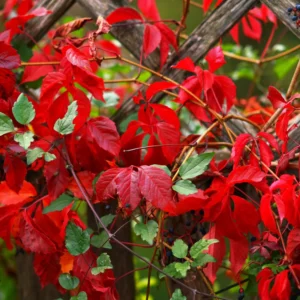
USDA 3-9
Sold 84 products
$21.99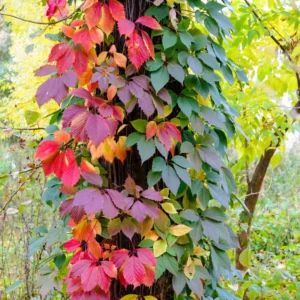
USDA 3-9
Sold 73 products
$13.99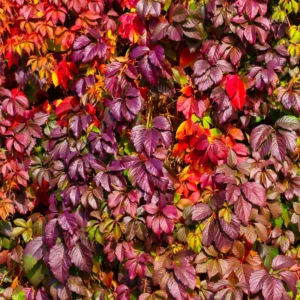
USDA 3-9
Sold 94 products
$32.99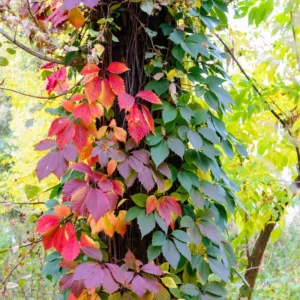
USDA 3-9
Sold 55 products
$22.99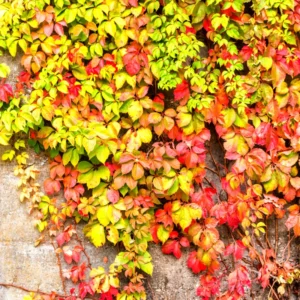
USDA Zones 3-9
Sold 70 products
$22.99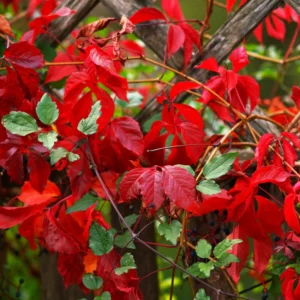
USDA Zones 3-9
Sold 71 products
$29.99
USDA 3-9
Sold 54 products
$29.99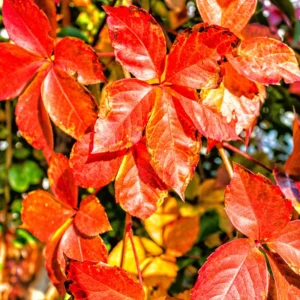
USDA 3-9
Sold 70 products
$13.99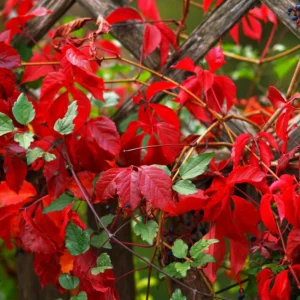
USDA 3-9
Sold 85 products
$21.99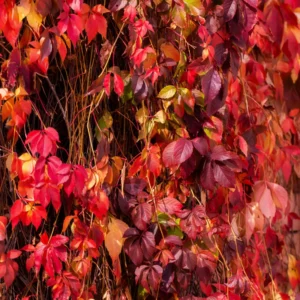
USDA 3-9
Sold 64 products
$21.99