Overview
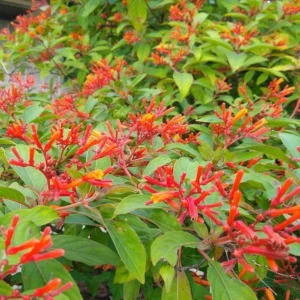
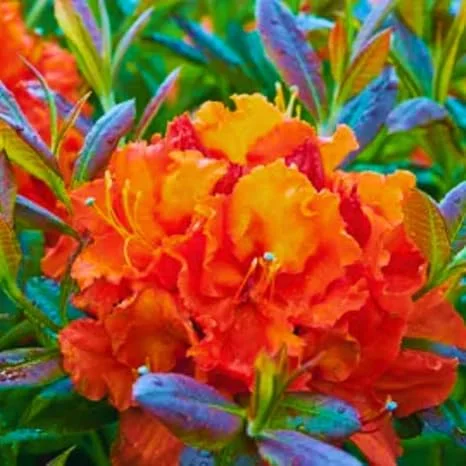
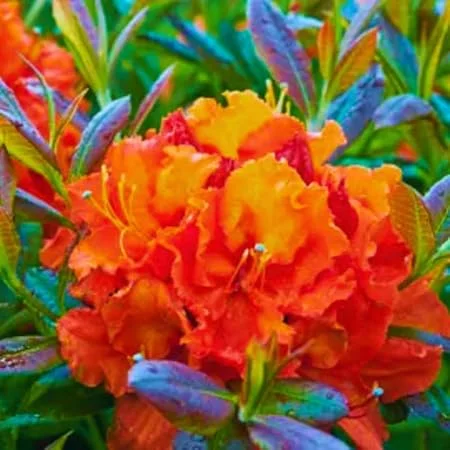
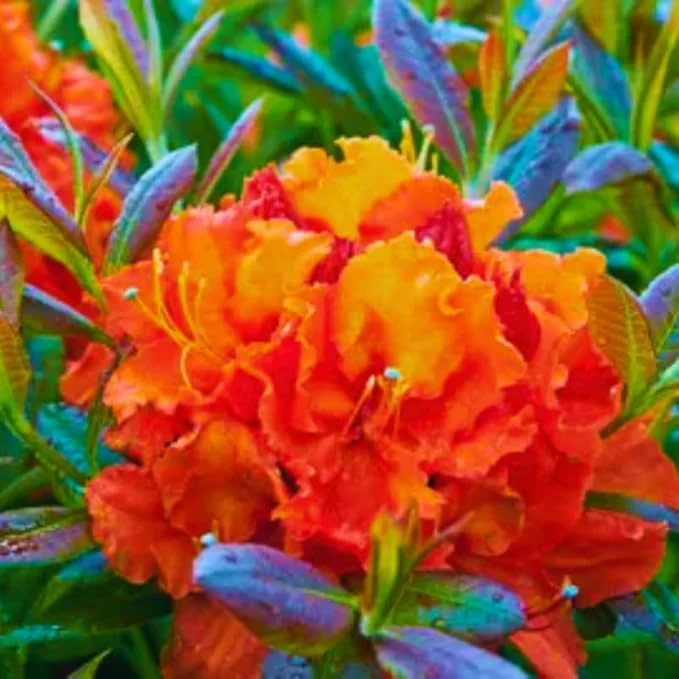
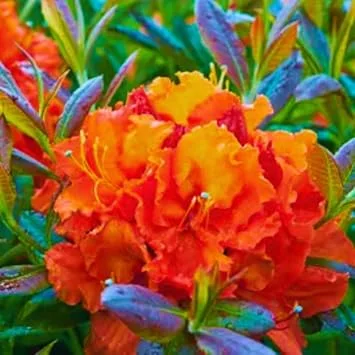
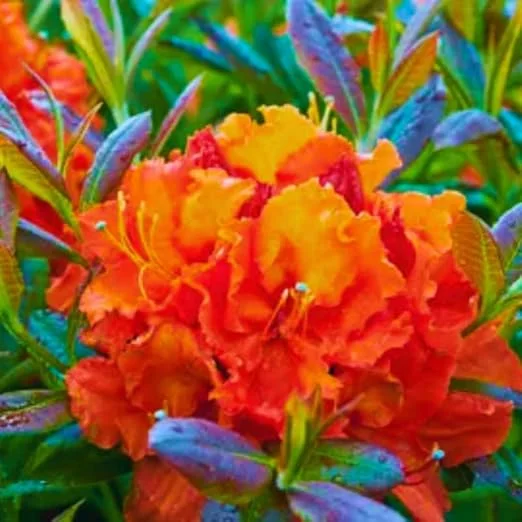
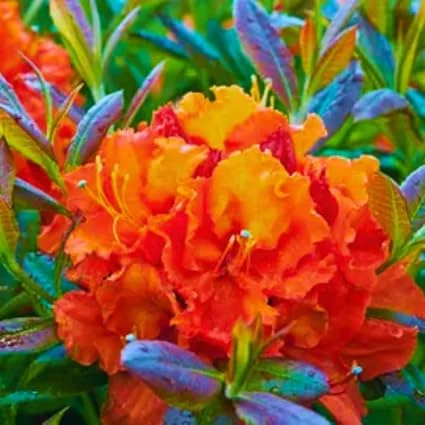
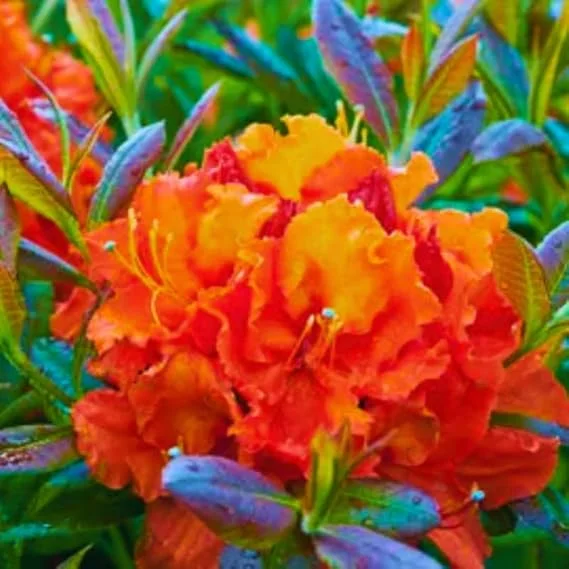
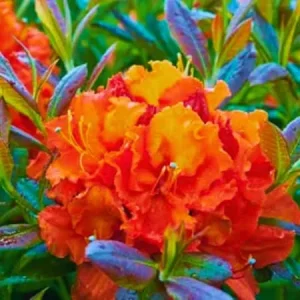
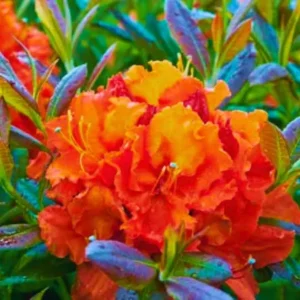
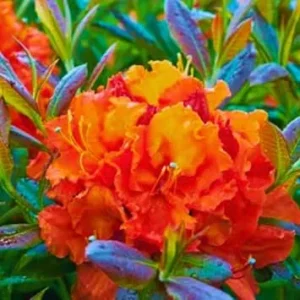
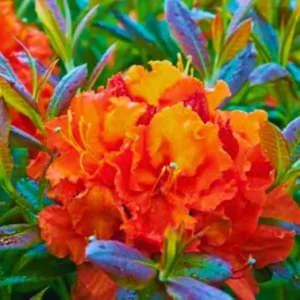
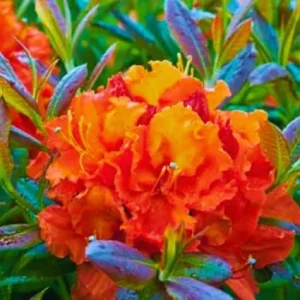
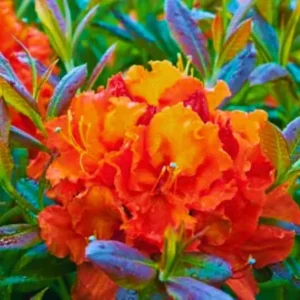
Introduce breathtaking beauty to your outdoor space with this exquisite rhododendron live plant. Known for its spectacular floral displays, this particular variety boasts captivating orange-red blossoms that will transform your garden into a vibrant sanctuary. As a 1-2 year old specimen, this rhododendron is an established shrub, ready to settle into its new home and provide years of stunning seasonal color. Rhododendrons are beloved for their robust nature and the dramatic impact their large, colorful flower clusters make in spring and early summer. This orange-red rhododendron is a perfect choice for gardeners seeking both visual appeal and a relatively low-maintenance, yet highly rewarding, flowering plant.
Whether you’re looking to create a striking focal point, enhance a garden bed, or add structure to your landscape design, this healthy and vibrant rhododendron is an ideal selection. Its rich foliage provides year-round greenery, even when not in bloom, ensuring continuous interest in your outdoor environment. Prepare to be enchanted by the luxurious texture and brilliant hues this magnificent plant brings to your home.
Key Benefits
Investing in a rhododendron for your garden offers numerous advantages, from aesthetic enhancement to ecological benefits. This rhododendron live plant provides a multitude of reasons to become a cherished part of your landscape.
- Spectacular Blooms: Enjoy an explosion of vibrant orange-red flowers, creating a dramatic and eye-catching display that signals the arrival of spring and early summer. These blossoms are truly a showstopper.
- Year-Round Appeal: Even outside of its blooming season, the lush, evergreen foliage of this rhododendron provides consistent greenery, adding texture and structure to your garden throughout the year.
- Attracts Pollinators: The vibrant flowers are a magnet for local pollinators like bees and butterflies, contributing to the biodiversity and health of your garden ecosystem.
- Versatile Landscaping: Ideal for a variety of garden uses, including foundation plantings, borders, woodland gardens, or as a standalone specimen plant, adapting well to different design schemes.
- Established Growth: As a 1-2 year old plant, it has already passed its most delicate seedling stage, offering a more robust start and quicker establishment in your garden.
- Enhances Property Value: Well-maintained, beautiful shrubs like rhododendrons can significantly boost the curb appeal and perceived value of your home.
- Relatively Low Maintenance: Once established, growing rhododendrons requires minimal ongoing care, making it an excellent choice for both experienced and novice gardeners.
Plant Care & Growing Tips
Caring for your rhododendron live plant is straightforward once you understand its basic needs. Proper care will ensure vigorous growth and an abundance of those stunning orange-red blossoms. Rhododendrons thrive in conditions that mimic their native woodland habitats.
Sunlight Requirements: Rhododendrons prefer partial shade, ideally with morning sun and protection from harsh afternoon sun. Too much sun can scorch the leaves and stunt growth, while too little can reduce flowering. A spot under deciduous trees or on the north side of a building is often ideal. Filtered light throughout the day is also beneficial for a healthy rhododendron azalea bush.
Watering Schedule and Soil Moisture: These plants require consistently moist, but not waterlogged, soil. Water deeply once or twice a week, especially during dry spells and the blooming period. Reduce watering in winter. Ensure good drainage, as rhododendrons are susceptible to root rot in soggy conditions. Monitoring soil moisture with your finger is a good practice; water when the top inch or two of soil feels dry.
Soil Type and Drainage Requirements: Rhododendrons are acid-loving plants and prefer well-draining, organic-rich, acidic soil (pH 4.5-6.0). Incorporate plenty of organic matter like peat moss or compost into the planting hole to improve soil structure and acidity. Avoid heavy clay soils, which retain too much moisture. If your soil is naturally alkaline, consider growing your rhododendron in a raised bed with an acidic soil mix.
Temperature Range and USDA Hardiness Zone: Most rhododendrons are hardy in USDA Zones 5-8, though specific varieties can vary. This rhododendron live plant is generally well-suited for temperate climates. Protect from extreme winter winds and sudden temperature drops, especially in colder zones, by mulching heavily or covering. Ensure it is not exposed to late spring frosts after new growth has emerged.
Fertilization Schedule and Type: Fertilize in early spring before new growth appears, using a slow-release granular fertilizer specifically formulated for acid-loving plants like rhododendrons and azaleas. Follow package instructions carefully to avoid over-fertilization, which can burn the roots. A second lighter feeding can be done after flowering, but avoid fertilizing late in the season, as this can encourage tender new growth that is susceptible to winter damage. Part of knowing proper rhododendron plant care involves understanding its nutrient needs.
Common Problems and Solutions: Watch out for common issues like chlorosis (yellowing leaves with green veins), which indicates an iron deficiency often caused by alkaline soil. Adjust soil pH with soil acidifiers if necessary. Pests like lace bugs and spider mites can be managed with horticultural oil or insecticidal soap. Fungal diseases are usually a result of poor air circulation or excessive moisture; ensure proper spacing and drainage.
Size & Details
This rhododendron live plant arrives as a healthy, established specimen, typically 1-2 years old. It is supplied in a nursery pot, ensuring its root system is intact and ready for transplanting into your garden. The plant’s current height will vary but is generally in a compact, bushy form, ready to begin its next phase of growth. Once established, most rhododendrons grow at a moderate rate, typically adding 6-12 inches per year. Mature size widely varies by cultivar, but many garden rhododendrons reach 4-8 feet in height and spread over 5-10 years, forming a substantial and impressive shrub. This particular orange-red rhododendron is chosen for its vigorous growth and reliable bloom production. Expect the first significant flush of orange-red blossoms in its first or second spring after planting, depending on growing conditions and establishment.
Frequently Asked Questions
- Q: How big will this rhododendron live plant get? A: This rhododendron live plant is a 1-2 year old specimen. While its current size is compact, mature rhododendrons can typically reach 4-8 feet in height and spread, depending on the specific variety and growing conditions. It will grow moderately once established.
- Q: Is this an indoor or outdoor plant? A: This rhododendron is primarily an outdoor plant, best suited for garden beds, borders, or large patio containers. It requires specific outdoor conditions to thrive and produce its beautiful orange-red rhododendron blooms.
- Q: How much sunlight does a rhododendron need? A: Rhododendrons prefer partial shade, ideally receiving morning sun and protection from intense afternoon sun. Too much direct sun can scorch the leaves, while too little can reduce flowering. This is crucial for proper rhododendron plant care.
- Q: Is this plant easy to care for? Is it good for beginners? A: Once established, rhododendrons are relatively low-maintenance, making them a good choice for beginners who can provide the right soil and light conditions. Understanding basic growing rhododendrons principles will ensure success.
- Q: What condition will the plant arrive in? Is it shipped in soil? A: Your rhododendron live plant will arrive securely packaged in its nursery pot with soil, ensuring its roots are protected and moist during transit. It will be ready for transplanting upon arrival.
- Q: When is the best time to plant this rhododendron? A: The best time to plant rhododendrons is in early spring or early fall when temperatures are moderate. This allows the plant to establish its root system before extreme summer heat or winter cold. This timing is key for any rhododendron azalea bush.
- Q: Will this rhododendron survive winter in my zone? A: Most rhododendrons are hardy in USDA Zones 5-8. While this plant is robust, checking your specific USDA hardiness zone is recommended. In colder zones, providing winter protection like mulch can help it survive.
- Q: What type of soil does a rhododendron prefer? A: Rhododendrons thrive in well-draining, acidic soil with a pH between 4.5 and 6.0. Amending your soil with organic matter like peat moss or compost will help create the ideal environment for your rhododendron live plant.
- Q: How often should I fertilize my rhododendron? A: Fertilize once in early spring before new growth appears, using a fertilizer specifically designed for acid-loving plants. A light second feeding after blooming can also be beneficial, but avoid late-season fertilization.
- Q: Are the orange-red blossoms fragrant? A: While some rhododendron varieties are fragrant, many are grown primarily for their visual impact. The orange-red rhododendron typically offers a subtle or no noticeable fragrance, focusing its energy on producing stunning, vibrant blooms.


Reviews
There are no reviews yet.