Overview
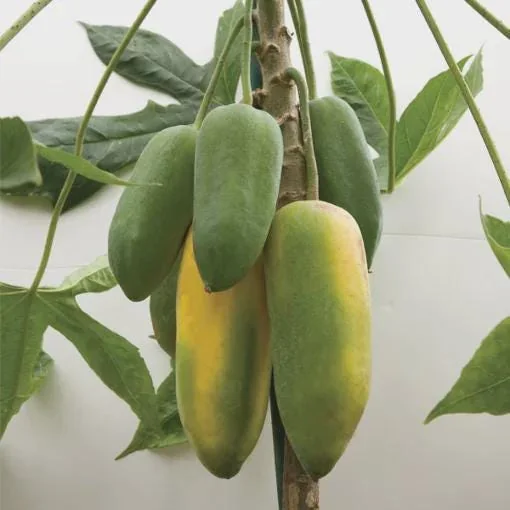
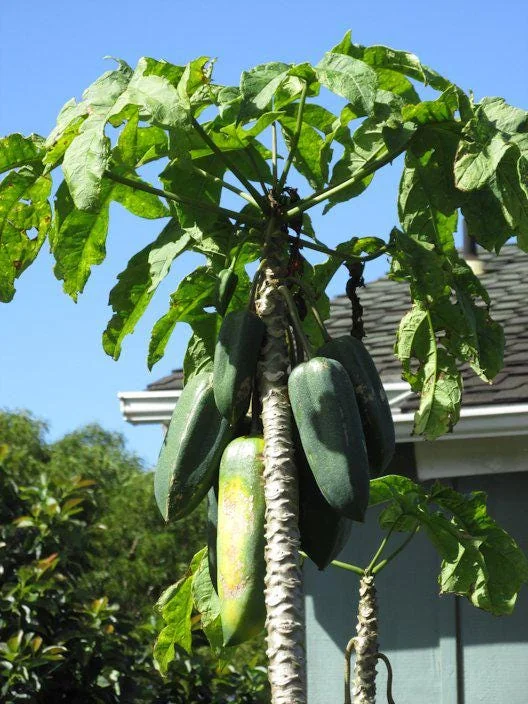
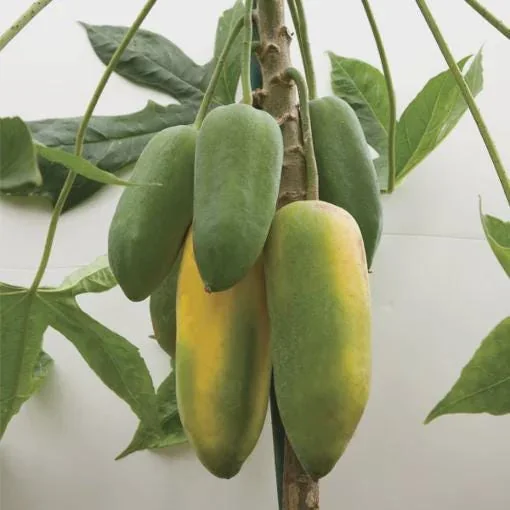
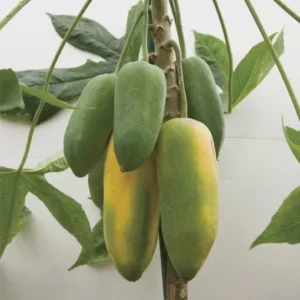
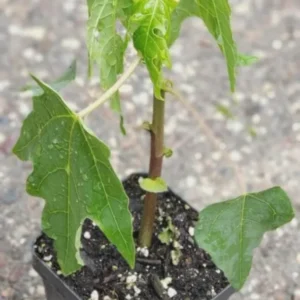
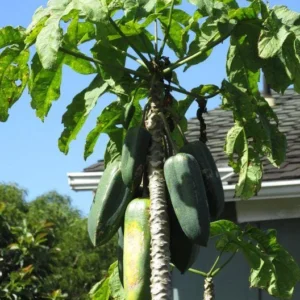
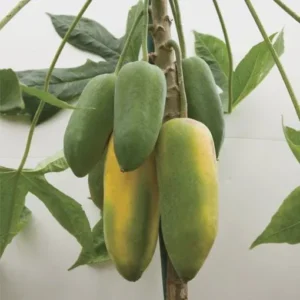
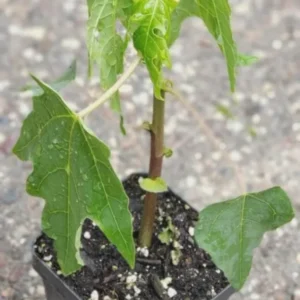
Embark on a unique gardening journey with our mountain papaya babaco plant, a fascinating live plant known for its distinct and delicious seedless fruit. Native to the high-altitude regions of Ecuador, this shrub-like plant (Vasconcellea × heilbornii) brings an exotic touch to any garden. The babaco, often referred to as ‘champagne fruit’, produces star-shaped, juicy, and tangy fruits that offer a delightful flavor profile, reminiscent of a blend of pineapple, kiwi, and papaya. Growing your own mountain papaya babaco plant is a rewarding experience, providing fresh, unique fruit directly from your garden. This bare root starter plant is ready to establish itself and begin its journey towards fruit production, making it an excellent choice for enthusiasts and fruit lovers alike.
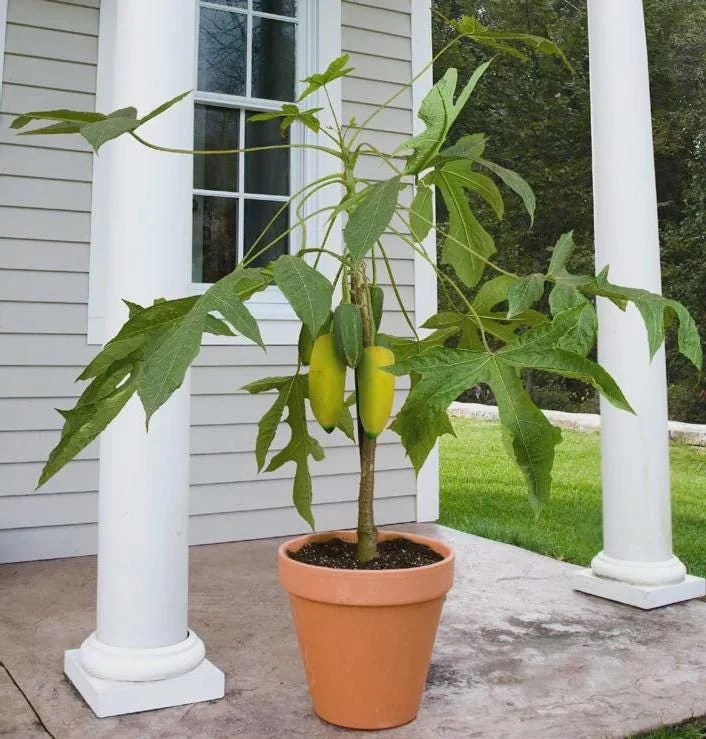
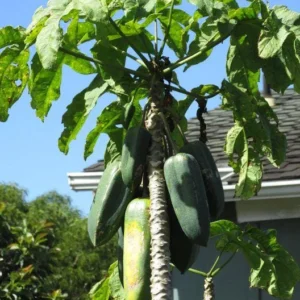
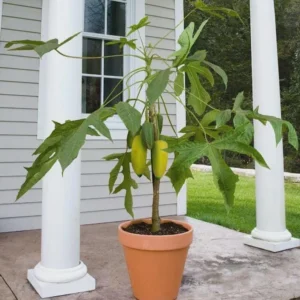
Our mountain papaya babaco plant is a robust and fast-growing specimen, capable of reaching up to six feet in height. It is a true conversation starter, not only for its unusual fruit but also for its attractive foliage. Ideal for subtropical and warm temperate climates, this plant thrives where it can receive ample sunlight and protection from harsh freezes. Discover the joy of cultivating this rare and wonderful fruit-bearing plant.
Key Benefits
Growing a mountain papaya babaco plant offers a multitude of benefits, from its unique fruit to its ornamental appeal. This remarkable plant is more than just a source of food; it’s an experience for the senses. Here are some of the key advantages of adding a babaco to your garden:
- Unique Seedless Fruit: Enjoy the convenience and novelty of a completely seedless fruit, making it easy to prepare and consume. The distinctive star shape adds an aesthetic appeal to your culinary creations.
- Exotic Flavor Profile: Savor the complex taste that combines notes of pineapple, kiwi, and papaya. The refreshing tanginess of the ‘champagne fruit’ makes it perfect for smoothies, desserts, or eating fresh.
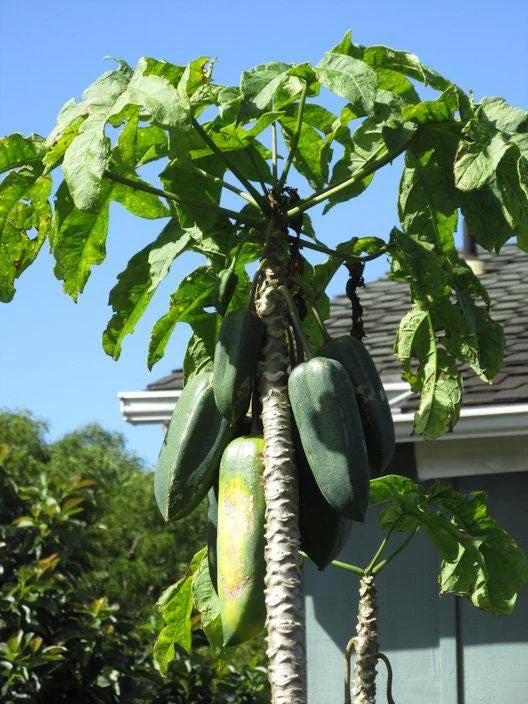
- High Yield Potential: Once established, the mountain papaya babaco plant is known for its prolific production, providing a generous harvest of delicious fruit. This makes it a valuable addition to any home orchard.
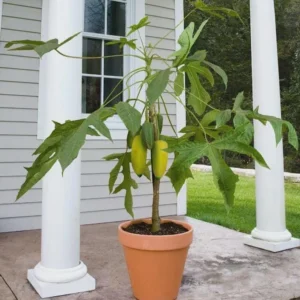
- Ornamental Appeal: With its large, lush leaves and striking fruit, the babaco plant serves as an attractive feature in your garden or patio, adding a tropical flair.
- Relatively Fast Growing: As a starter plant, it will quickly establish itself and begin its growth, allowing you to enjoy its fruits sooner than many other fruit trees.
- Health Benefits: Like other papayas, babaco fruit is rich in vitamins and antioxidants, contributing to a healthy diet.
- Conversation Starter: Its unusual appearance and unique taste make it a fascinating plant that will undoubtedly intrigue guests and fellow gardeners. Experience the satisfaction of growing a true seedless fruit tree.
Plant Care & Growing Tips
Caring for your mountain papaya babaco plant requires attention to its specific needs to ensure vigorous growth and abundant fruiting. Understanding these requirements will help you cultivate a healthy and productive grow babaco plant.
Sunlight Requirements
The babaco thrives in full sun, meaning it needs at least 6-8 hours of direct sunlight per day. In very hot climates, some afternoon shade can be beneficial to prevent leaf scorch. If growing in a container, ensure it’s placed in the sunniest spot on your patio or garden. Adequate sunlight is crucial for fruit development and flavor.
Watering and Soil
Consistent moisture is key for the mountain papaya babaco plant, but it also requires excellent drainage. Water deeply and regularly, especially during dry spells and when the plant is actively growing and fruiting. Allow the top inch or two of soil to dry slightly between waterings to prevent root rot. A well-draining, rich, organic soil mix is ideal. Amend heavy clay soils with compost and perlite to improve drainage and aeration. This plant is sensitive to waterlogged conditions, so ensure its roots never sit in standing water.
Temperature and USDA Zone
The babaco is a subtropical plant and is hardy in USDA Zone: 10-11. It prefers temperatures between 60-80°F (15-27°C). While it can tolerate brief periods of cool weather, it is not frost-tolerant. In areas with occasional light freezes, consider providing protection or growing it in a container that can be moved indoors. Prolonged exposure to temperatures below 32°F (0°C) will likely damage or kill the plant. Understanding your local climate is vital when you grow babaco plant.
Fertilization
Feed your babaco plant every 4-6 weeks during the growing season (spring through fall) with a balanced, slow-release fertilizer or an organic fertilizer rich in nitrogen, phosphorus, and potassium. Reduce feeding in winter when growth slows. Regular fertilization supports healthy foliage and fruit production.
Pest and Disease Management
Babaco plants are generally resilient, but keep an eye out for common pests like aphids, spider mites, or whiteflies. Treat infestations promptly with organic insecticidal soaps or neem oil. Good air circulation and proper watering practices can help prevent fungal diseases. This attention to detail will ensure your champagne fruit plant remains robust.
Size & Details
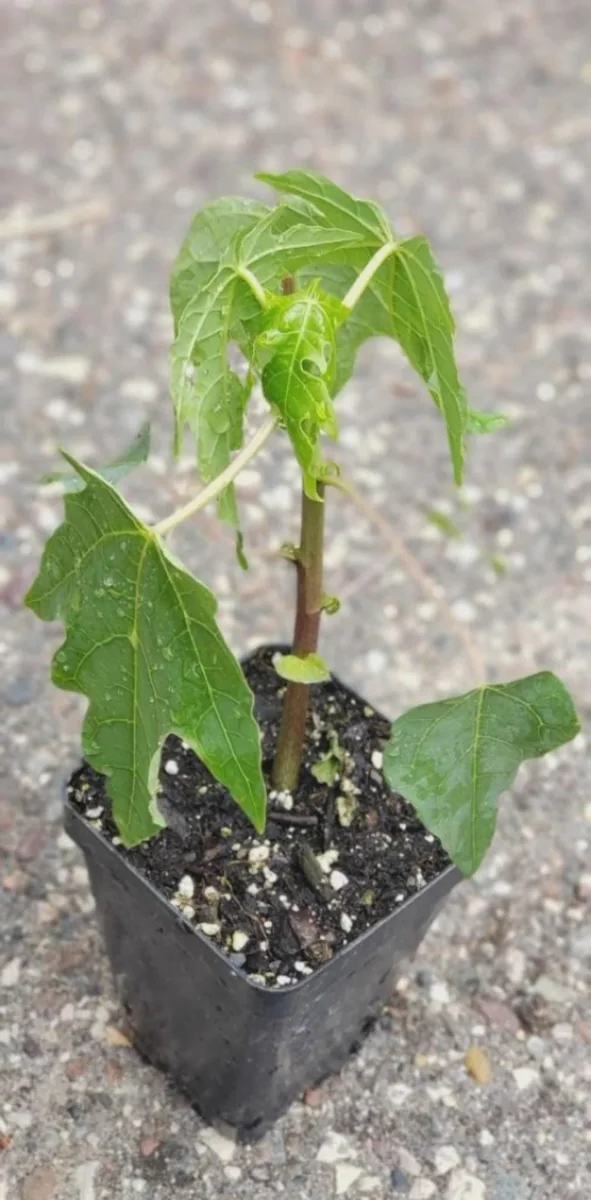
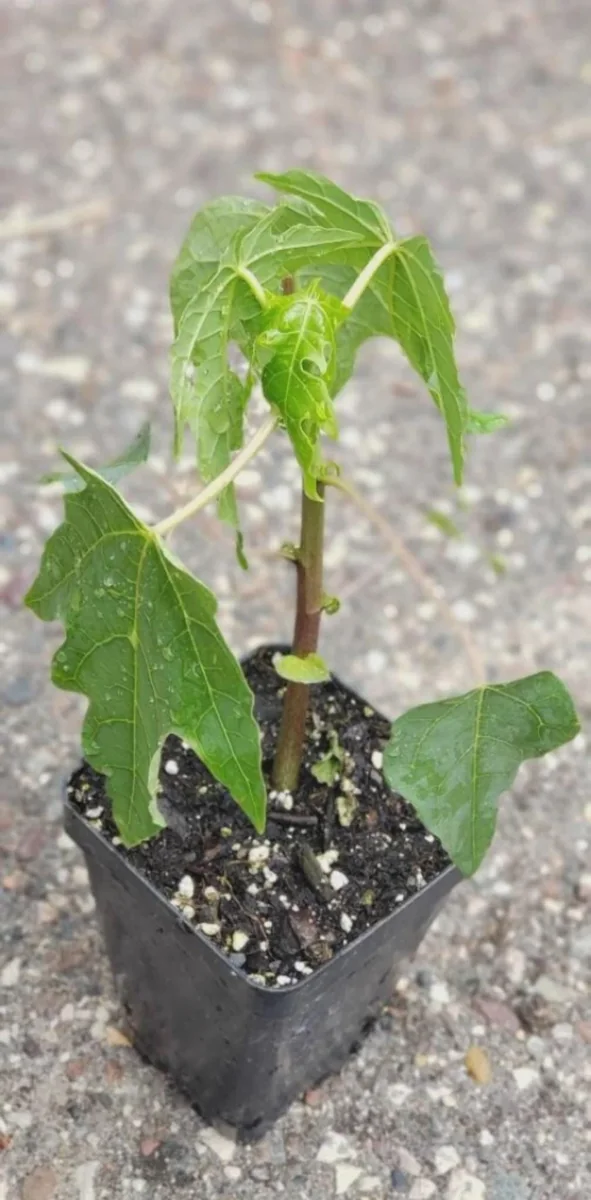
This offering is for 1 Mountain Papaya Babaco Starter Plant, provided as a bare root specimen. Bare root plants are typically dormant or semi-dormant, making them ideal for shipping and planting, as they quickly establish new roots upon planting. While the exact initial height will vary, a starter plant typically measures several inches tall, with a healthy root system ready for transplantation. The babaco is a fast-growing shrub that can reach heights of up to six feet in optimal conditions, forming a large, productive seedless fruit tree. It begins fruiting relatively quickly once established, usually within 1-2 years from planting. The vigorous growth habit means you can look forward to a bountiful harvest in due time. Planting this bare root specimen allows for quick acclimation to its new environment and robust growth.
Frequently Asked Questions
- Q: How big does a mountain papaya babaco plant get? A: A mature mountain papaya babaco plant can grow up to six feet tall, forming a substantial shrub-like structure. Its spread can also be considerable, so allow ample space for its growth.
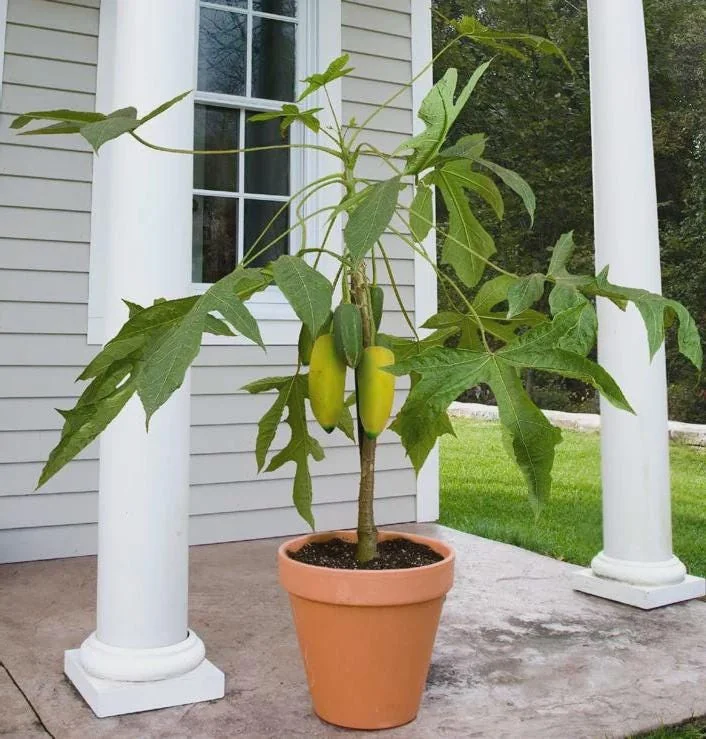
- Q: Is this an indoor or outdoor plant? A: The babaco is primarily an outdoor plant, suitable for warm climates in USDA Zones 10-11. In colder regions, it can be grown in a large container and moved indoors during winter, acting as a temporary houseplant.
- Q: How much sunlight does the babaco plant need? A: This plant thrives in full sun, requiring at least 6 to 8 hours of direct sunlight daily for optimal growth and fruit production. In very hot climates, some afternoon shade can be beneficial.
- Q: Is this plant easy to care for? A: The grow babaco plant is considered moderately easy to care for. It requires consistent watering, good drainage, and protection from frost. With proper attention to its environmental needs, it can be a very rewarding plant to grow.
- Q: What condition will the plant arrive in? A: Your mountain papaya babaco plant will arrive as a bare root starter plant. This means it will be shipped without soil or a pot, carefully packaged to keep its roots moist and healthy during transit, ready for immediate planting.
- Q: When is the best time to plant a babaco? A: The best time to plant a bare root babaco is in the spring, after the last threat of frost has passed. This allows the plant ample time to establish its root system before the heat of summer.
- Q: Can I grow the champagne fruit plant in a pot? A: Yes, the champagne fruit plant can be successfully grown in a large container, especially in regions outside its ideal USDA zones. Ensure the pot has excellent drainage and is at least 15-20 gallons in size to accommodate its root system.
- Q: How long until the babaco plant produces fruit? A: Typically, a babaco plant grown from a starter will begin to produce fruit within 1 to 2 years after planting, given optimal growing conditions and good care.
- Q: Is the babaco a true papaya? A: While commonly called ‘mountain papaya’, the babaco (Vasconcellea × heilbornii) is actually a hybrid in the Caricaceae family, closely related to common papaya but distinct, particularly due to its seedless fruit.
- Q: What is the ideal soil type for this seedless fruit tree? A: The babaco prefers rich, well-draining soil with a slightly acidic to neutral pH. Incorporating organic matter like compost will significantly benefit its growth and health.


Reviews
There are no reviews yet.