Overview
Embark on a unique gardening journey with the sherbet berry live plant (Grewia Asiatica). This fascinating and resilient plant is a deciduous shrub or small tree, celebrated for its delicious, small, and highly nutritious fruits. Native to Southeast Asia, particularly from Pakistan to Cambodia, the Sherbet Berry is well-known and cultivated in its indigenous regions for both its culinary and medicinal properties. This starter plant offers an exciting opportunity to grow your own antioxidant-rich berries, perfect for fresh eating or crafting refreshing beverages. Whether you’re an experienced gardener or just starting, the grewia asiatica plant is a rewarding addition to your collection, offering both beauty and bounty.
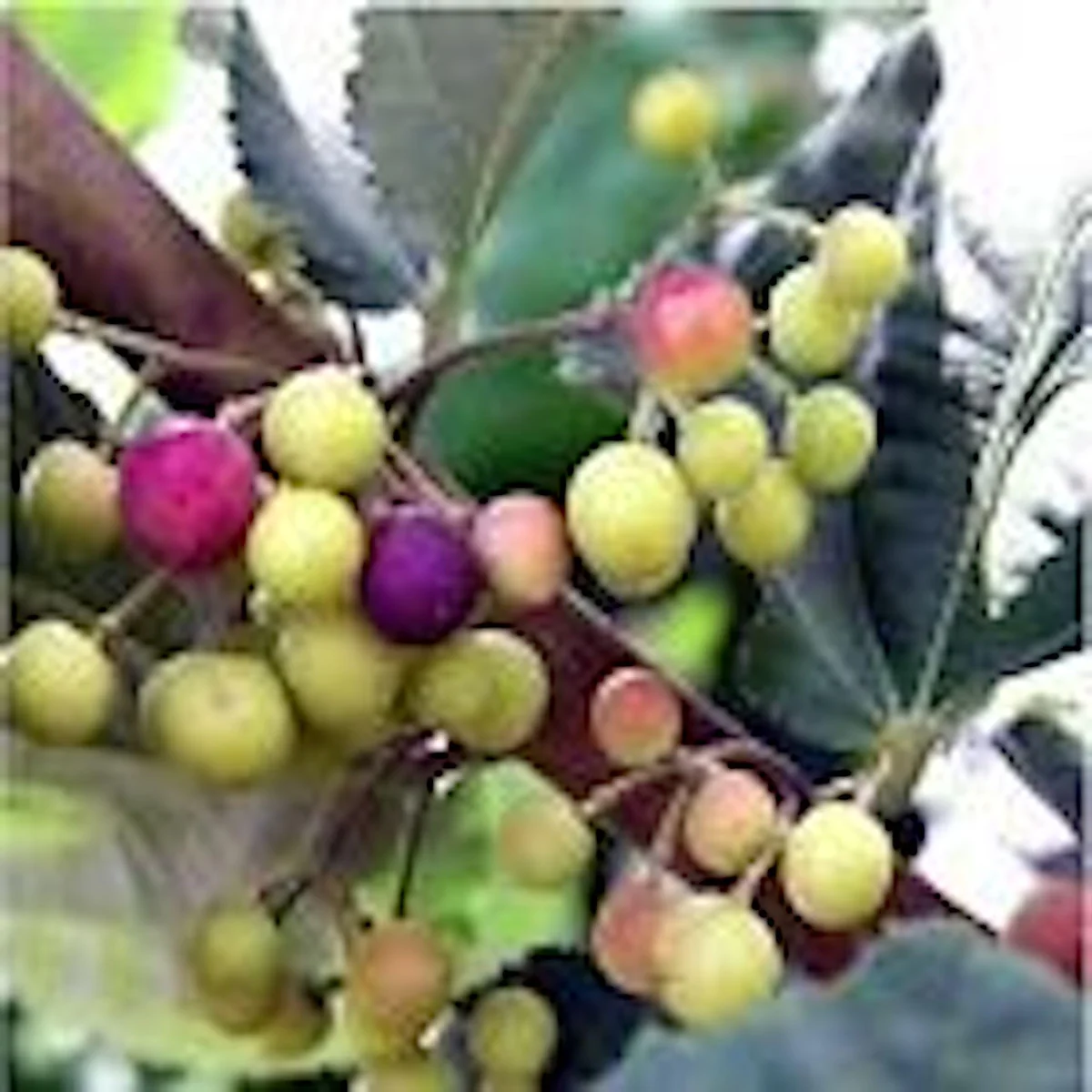
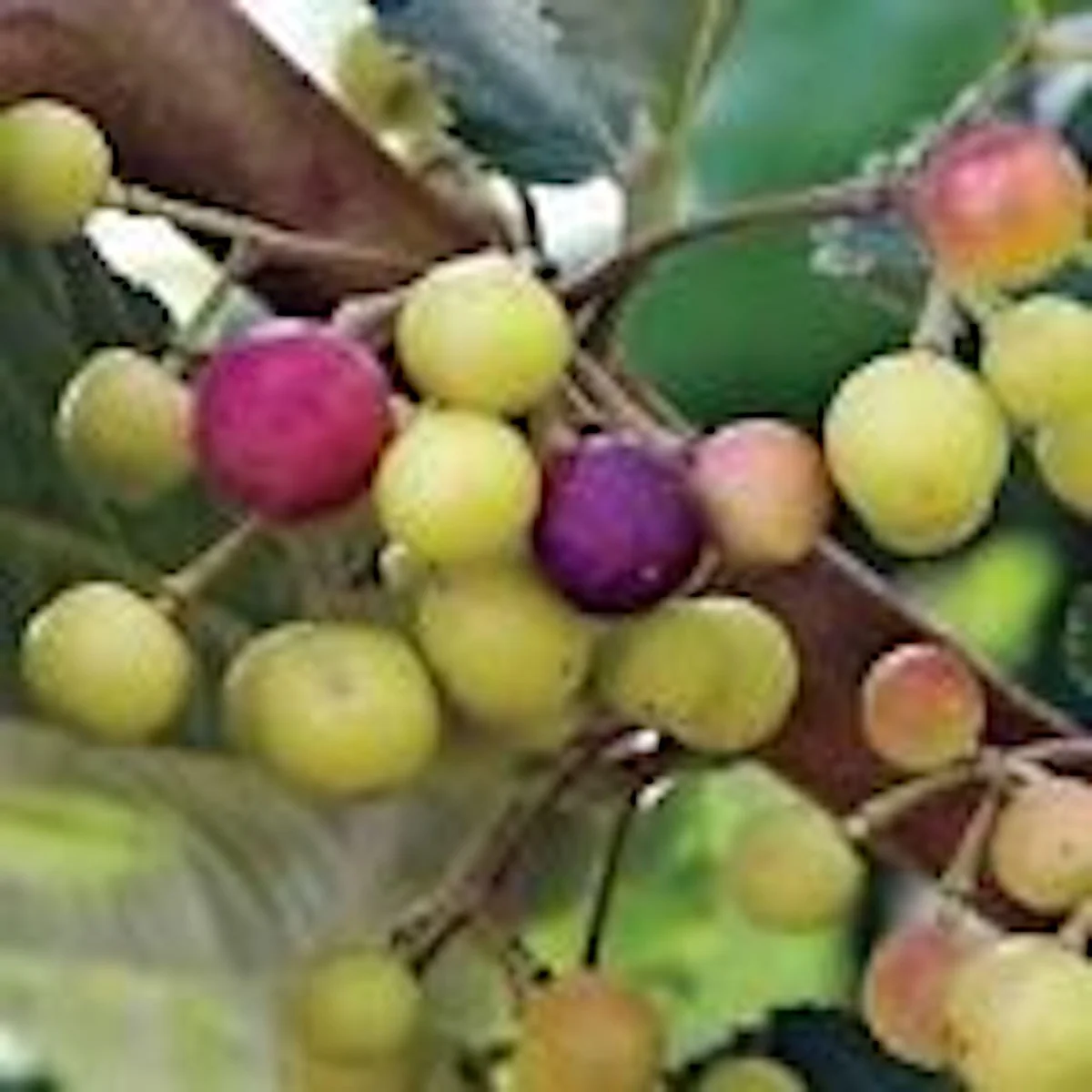
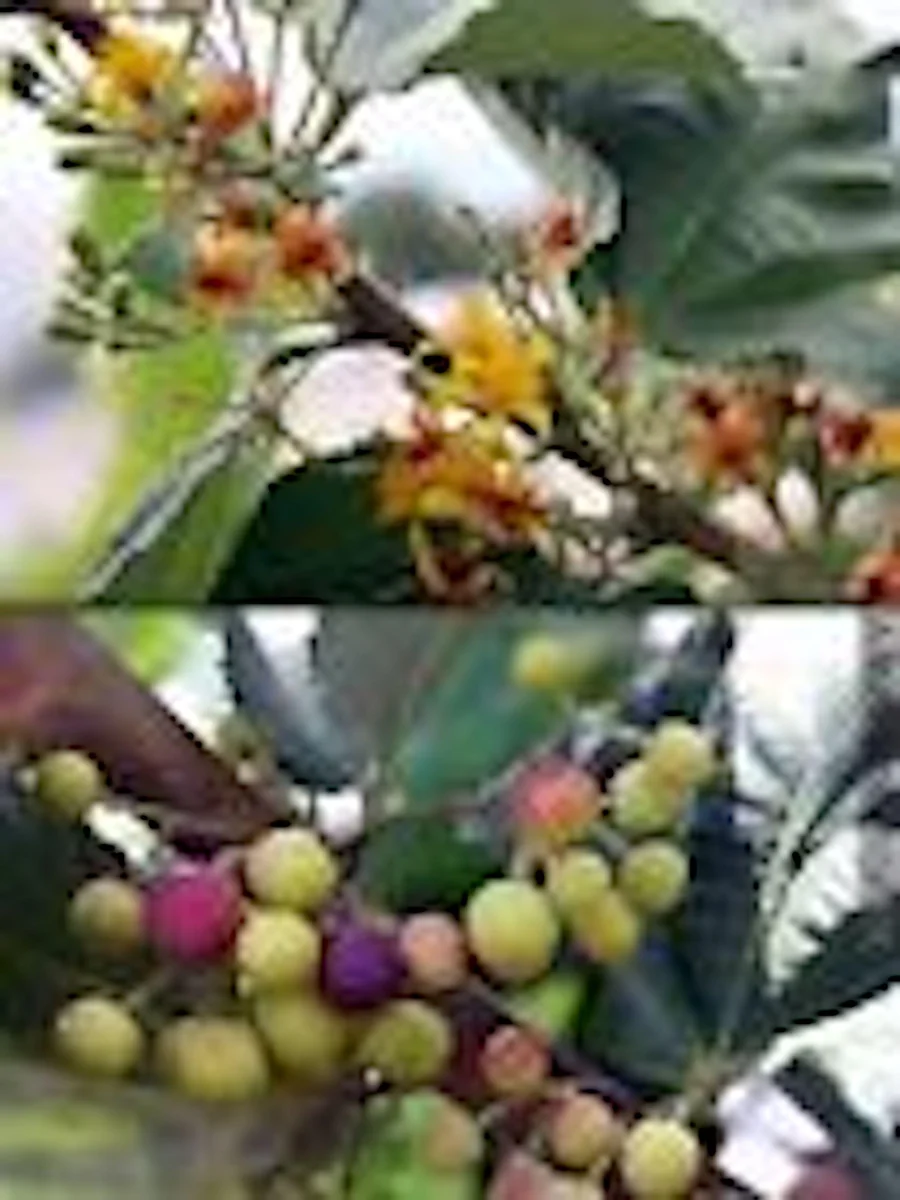
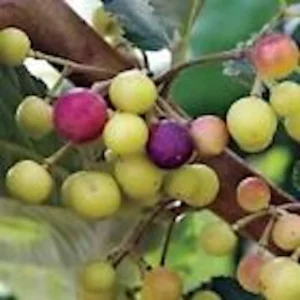
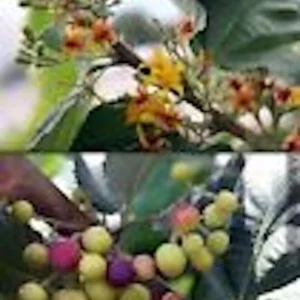
The Sherbet Berry, also commonly referred to as Phalsa, is a drought-tolerant plant, making it a relatively low-maintenance choice for many climates. Its ability to adapt to various conditions makes it suitable for a wide range of growing environments, from a sunny spot in your garden to a bright indoor location. The berries themselves are a true delight, ranging from 1/4 to 1/2 inch in diameter, offering a tart and sweet flavor profile that is truly unique. This plant is not just about the fruit; it’s about bringing a piece of exotic flora and its rich cultural heritage into your home or garden.
Key Benefits
The sherbet berry live plant offers a multitude of benefits, making it an excellent choice for any plant enthusiast. From its delicious fruit to its adaptability, this plant is truly special.
- Nutrient-Rich Fruit: The small, tart berries are packed with antioxidants, vitamins, and minerals, contributing to overall health and wellness. Enjoy them fresh off the plant or incorporate them into smoothies and desserts.
- Versatile Culinary Use: Beyond fresh consumption, the berries are famously used to make a refreshing, thirst-quenching beverage, especially popular in its native regions. They can also be used in jams, jellies, and desserts.
- Drought-Tolerant: This plant is known for its resilience and ability to withstand periods of drought, reducing the need for constant watering once established, making it a sustainable choice.
- Adaptable Growth: Suitable for both indoor and outdoor cultivation, the grewia asiatica plant can thrive in various settings, from a patio container to a garden bed, provided it receives adequate sunlight.
- Attractive Foliage and Form: With its deciduous nature, the plant offers seasonal interest, shedding leaves in colder periods and regrowing them, while maintaining a pleasant shrub or small tree form.
- Medicinal Properties: Historically, various parts of the Sherbet Berry plant have been used in traditional medicine for their purported health benefits, adding another layer of value to this remarkable plant.
- Low Maintenance: Generally, this plant is easy to care for, adapting to a wide variety of soils and requiring average watering, making it suitable for gardeners of all experience levels.
Plant Care & Growing Tips
Caring for your sherbet berry live plant is straightforward, allowing you to enjoy its delicious fruits with minimal fuss. This resilient plant is quite adaptable, but providing optimal conditions will ensure the best growth and fruit production. For sunlight, the Sherbet Berry thrives in full to part sun, meaning it needs at least 6 hours of direct sunlight per day for optimal fruiting, though it can tolerate some afternoon shade, especially in hotter climates. If growing indoors, place it near a south-facing window or provide supplemental grow lights.
When it comes to watering, the edible fruit shrub has average needs. Allow the top inch or two of soil to dry out between waterings, then water thoroughly until water drains from the bottom of the pot. Avoid overwatering, as this can lead to root rot. The plant adapts to a wide variety of soils, but prefers well-draining soil with a slightly acidic to neutral pH. A good quality potting mix amended with some compost will work well for container growing. Ensure good drainage to prevent waterlogging.
The Sherbet Berry is hardy in USDA Zones 9-11. Light frosts may cause the leaves to shed, but typically do not damage the plant. For those in colder zones, it can be grown in a container and brought indoors during winter. Fertilize during the growing season (spring and summer) with a balanced, slow-release fertilizer according to package directions. Pruning can be done to maintain shape and size, and to encourage bushier growth and more fruit. Watch out for common pests like aphids or spider mites, and treat with organic insecticidal soap if necessary. The robust nature of the phalsa fruit plant makes it a forgiving and enjoyable plant to cultivate.
Size & Details
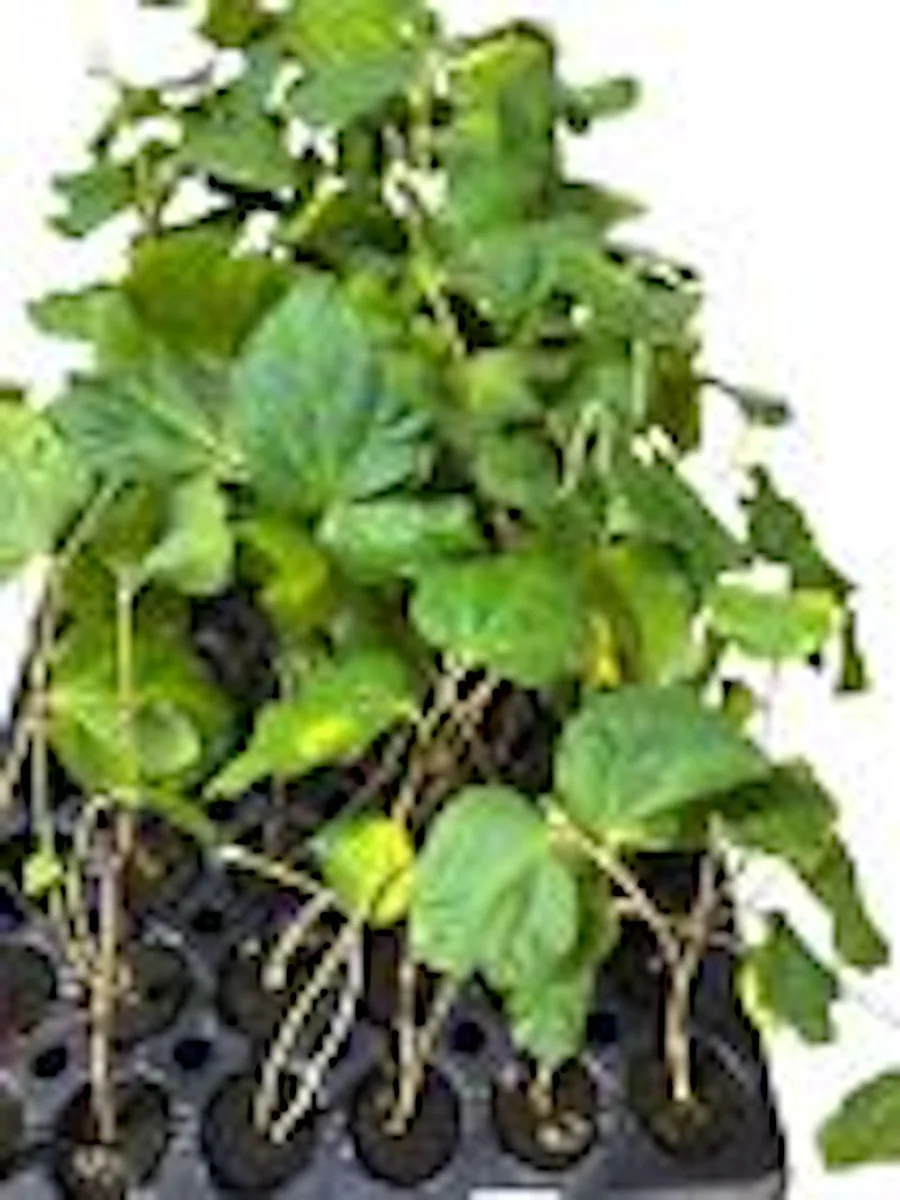
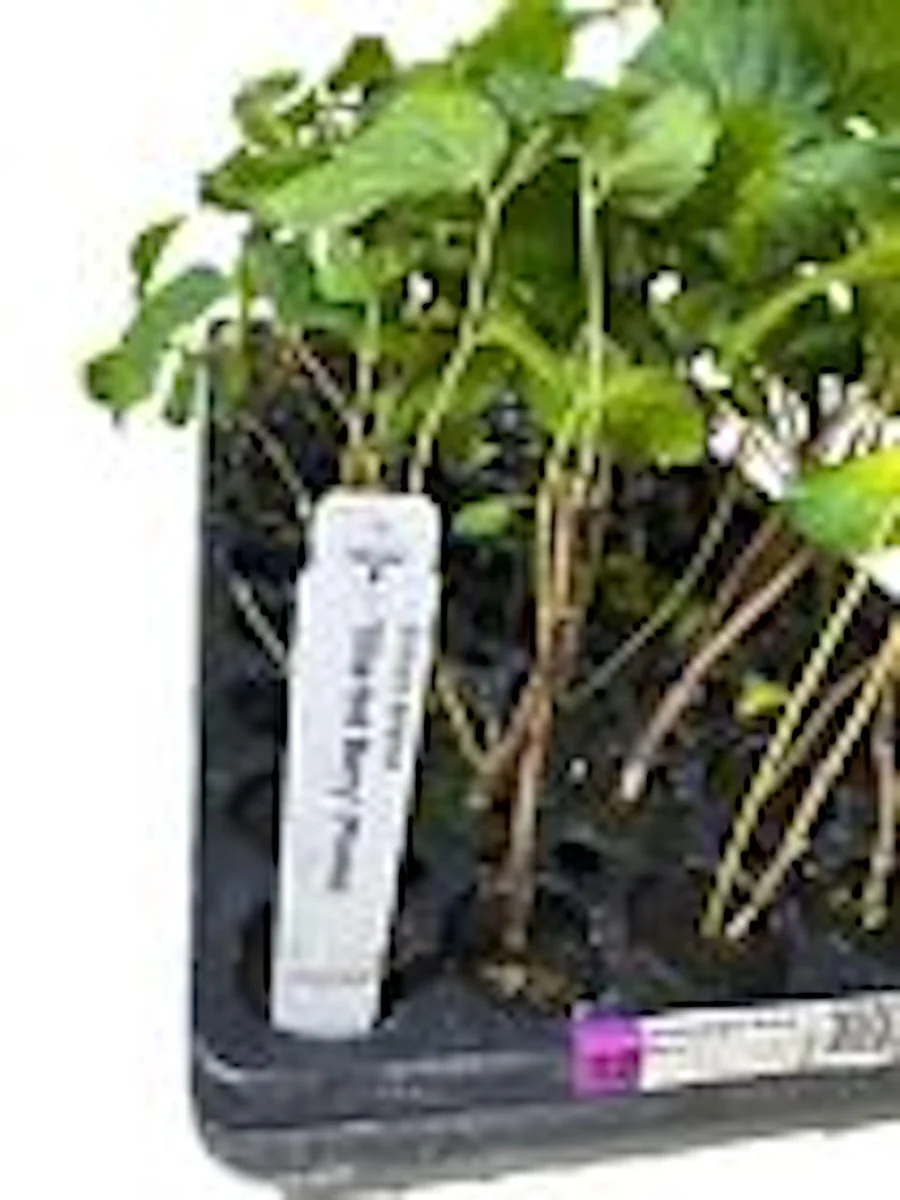
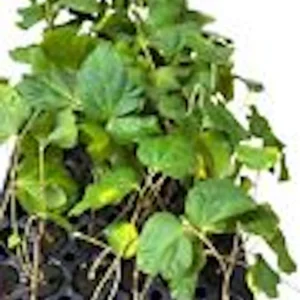
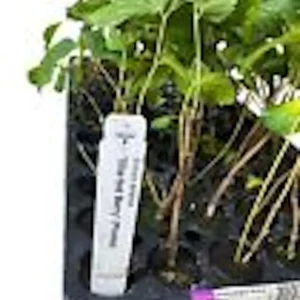
This offering is for 1 sherbet berry live plant, typically provided as a starter plant, often shipped bare root to ensure healthy transit and reduce transplant shock. Upon arrival, it’s essential to plant it promptly in suitable soil. The average mature height for a Sherbet Berry plant ranges from 6 to 15 feet, though it can be maintained at a smaller size through regular pruning, especially when grown in containers. The berries, known as phalsa, are small, measuring between 1/4 to 1/2 inch in diameter, and are ready for harvest once they turn dark purple. Expect a moderate growth rate, with fruit production typically beginning within 1-2 years under ideal conditions. This versatile grewia asiatica plant can be grown as a multi-stemmed shrub or trained into a small tree, making it adaptable to various garden designs and spaces.
Frequently Asked Questions
- Q: How big does this plant get? A: The sherbet berry live plant typically grows to an average mature height of 6-15 feet. However, its size can be managed through pruning, especially when grown in a container, allowing it to fit into various garden or patio spaces.
- Q: Is this an indoor or outdoor plant? A: This plant is highly versatile and can be grown both indoors and outdoors. It thrives outdoors in USDA Zones 9-11, but can be grown in containers and brought indoors in colder climates during winter months.
- Q: How much sunlight does it need? A: The Sherbet Berry plant prefers full to part sun exposure. This means it needs at least 6 hours of direct sunlight daily for optimal growth and fruit production.
- Q: What condition will it arrive in? A: Your sherbet berry live plant will typically arrive as a bare root starter plant. This method helps ensure the plant’s health during transit and prepares it for successful planting in your garden or pot.
- Q: Can I use sherbet berries in cooking? A: Absolutely! The berries from your edible fruit shrub are delicious eaten fresh, but are also widely used to make tart, refreshing beverages, jams, jellies, and can be incorporated into various desserts.
- Q: How long until it blooms and produces fruit? A: Under optimal growing conditions, the Sherbet Berry plant typically begins to produce fruit within 1-2 years after planting. The small, purple berries are a delightful reward for your care.
- Q: What’s the minimum temperature this plant can tolerate? A: The Sherbet Berry is hardy in USDA Zones 9-11. Light frosts will cause the plant’s leaves to shed, but generally do not cause permanent damage to the plant itself. Protection is recommended in prolonged freezing temperatures.
- Q: What type of soil does the Grewia Asiatica plant prefer? A: The grewia asiatica plant is adaptable to a wide variety of soils. However, it thrives best in well-draining soil with a slightly acidic to neutral pH. Good drainage is crucial to prevent root issues.
- Q: Is the phalsa fruit plant drought-tolerant? A: Yes, the Sherbet Berry is known for its drought-tolerant nature. Once established, it can withstand periods of dryness, making it a relatively low-maintenance option for gardeners.
- Q: How often should I water my sherbet berry plant? A: Water your sherbet berry live plant when the top 1-2 inches of soil feel dry to the touch. Water thoroughly until it drains from the bottom of the pot, then allow it to dry out again before the next watering to avoid overwatering.


Reviews
There are no reviews yet.