Overview
Embark on a rewarding gardening journey with the yellow long neck fig tree starter plug. This exceptional variety, scientifically known as Ficus carica ‘Yellow Long Neck’, is renowned for its vigorous growth and abundant production of delectable fruits. As a self-pollinating specimen, it simplifies the cultivation process, making it an ideal choice for both novice and experienced gardeners eager to enjoy fresh, home-grown figs. The yellow long neck fig tree is celebrated for its distinctive fruit characteristics, offering a truly unique culinary experience. This live plant starter plug provides a robust foundation for establishing a thriving fig tree in your garden, promising years of sweet harvests and ornamental beauty.
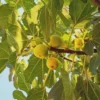
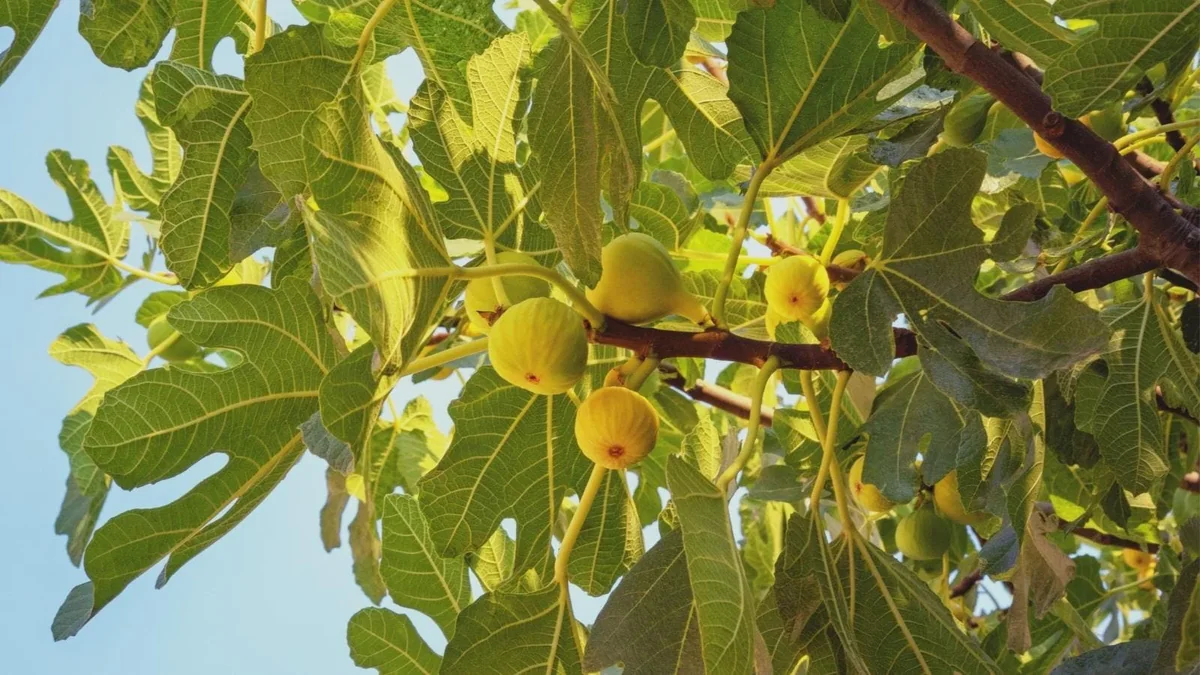
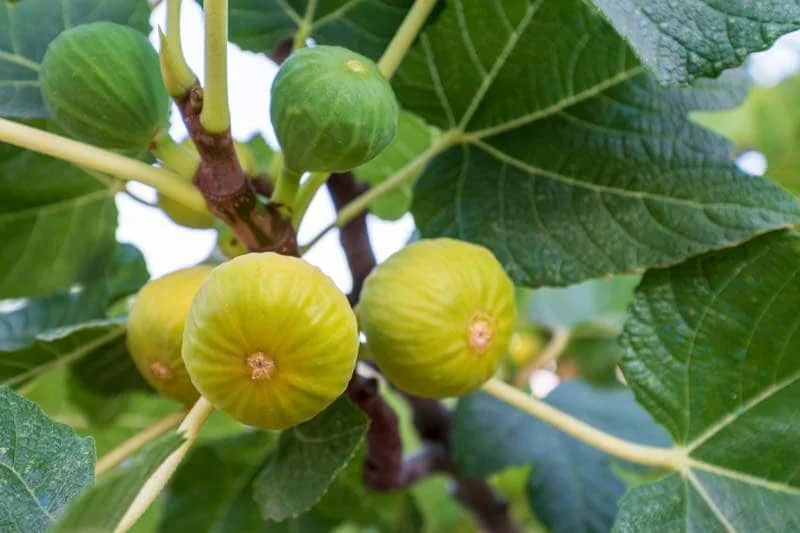
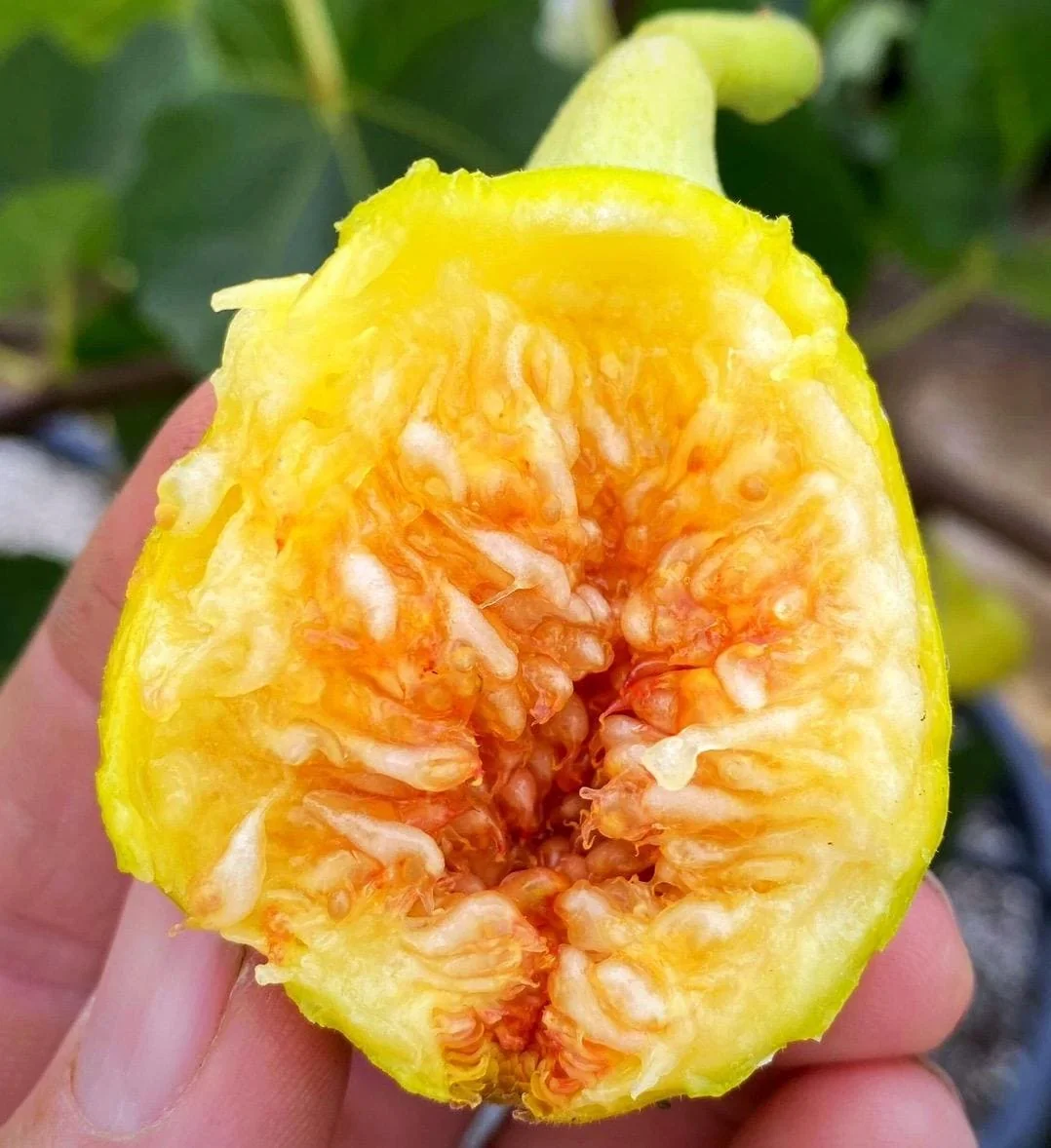
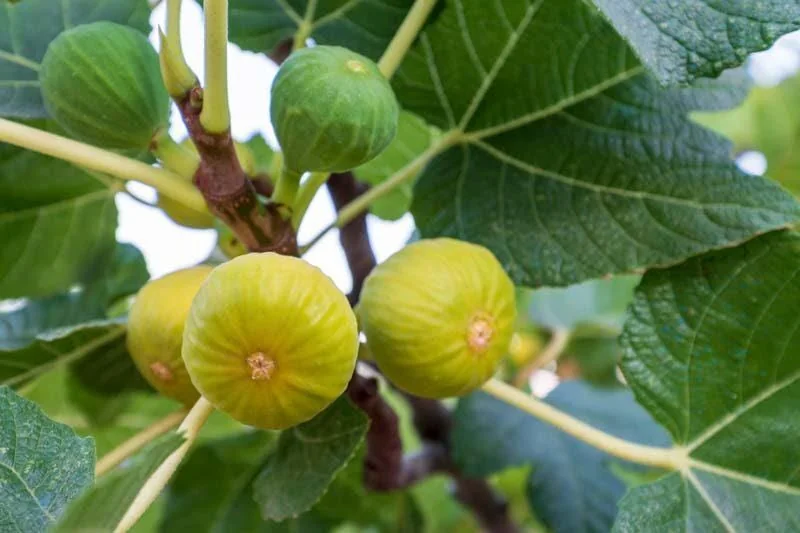
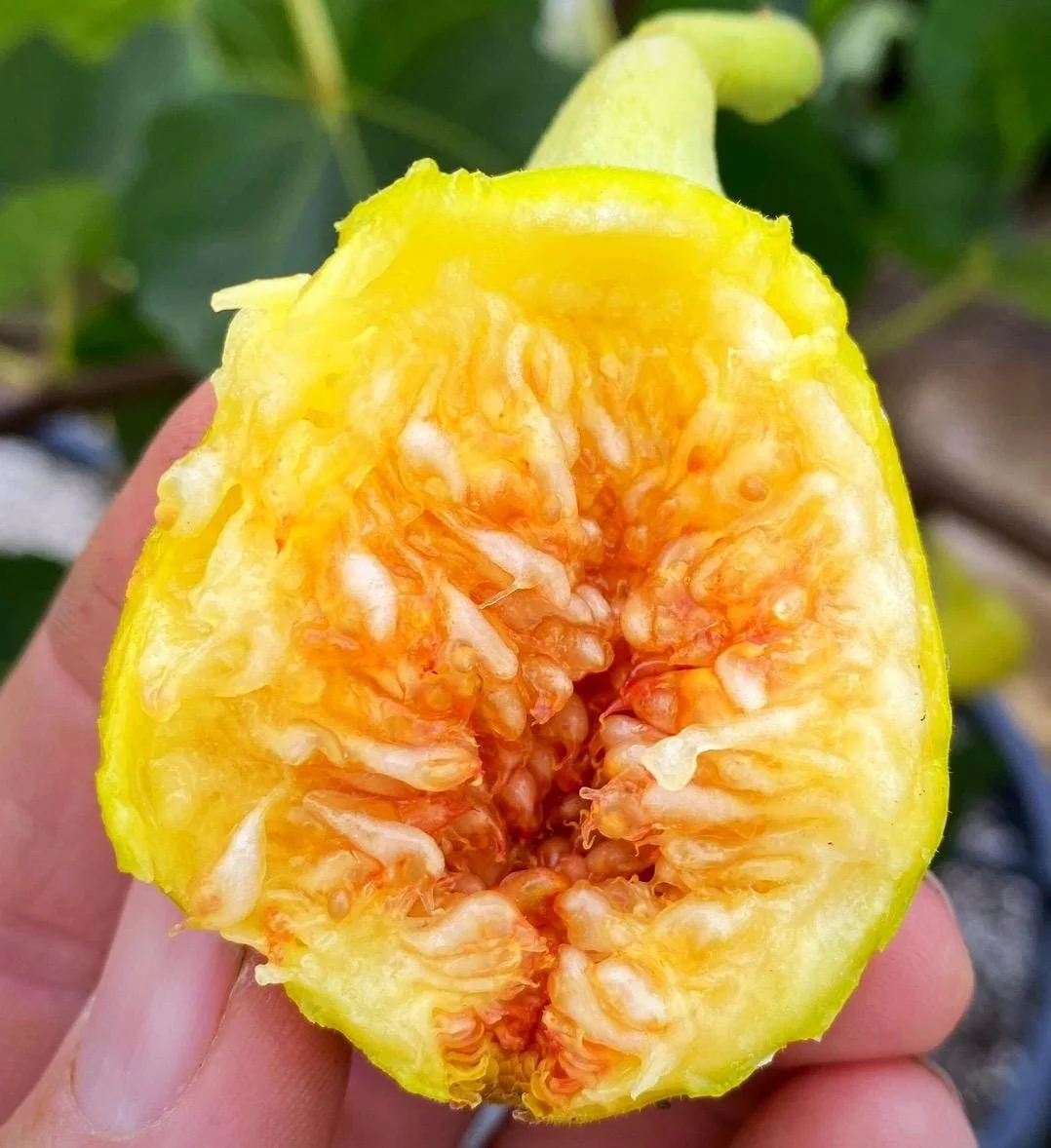
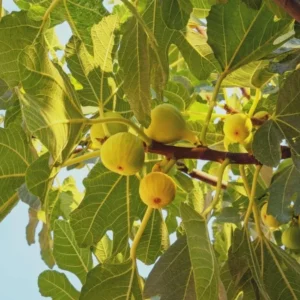
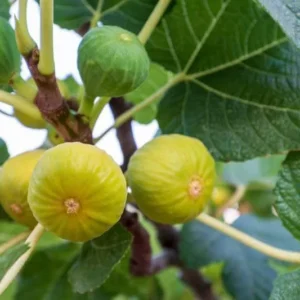
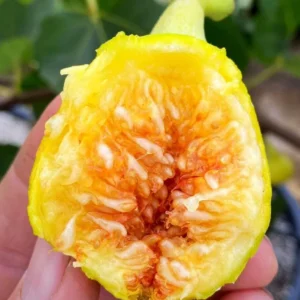
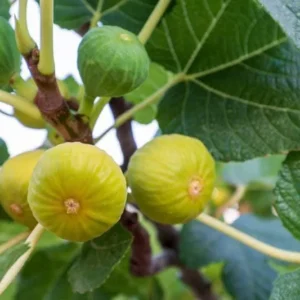
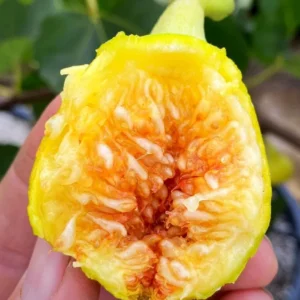
The ‘Yellow Long Neck’ cultivar stands out with its large, elongated, golden-yellow fruits that possess a rich, honey-flavored amber flesh. This ficus carica yellow long neck is not just a producer of fruit; it also adds a touch of Mediterranean charm to any landscape. Fig trees are relatively easy to care for once established, requiring minimal intervention to flourish. With this starter plug, you’re getting a healthy, young plant ready to adapt to its new environment and quickly begin its journey towards maturity. Prepare to be delighted by the ease of growing and the incredible taste of figs from your very own backyard.
Key Benefits
The yellow long neck fig tree offers a multitude of benefits, making it a highly desirable addition to any garden. From its ease of care to its delicious yield, this plant is a true gem.
- Abundant Harvests: Enjoy a prolific bounty of large, sweet, golden-yellow figs with a distinctive elongated neck, perfect for fresh eating, preserves, or baking. This tree is known for its generous fruit production.
- Self-Pollinating: As a self-fertile variety, you only need one plant to produce fruit, simplifying the growing process and ensuring a reliable yield without the need for cross-pollination.
- Vigorous Growth: This ficus carica yellow long neck is a strong grower, establishing quickly and developing into a robust tree that can withstand various conditions, given proper care.
- Exceptional Flavor: The fruits boast a delicious honey-flavored amber flesh, providing a gourmet experience right from your garden. Many describe it as one of the best tasting fig varieties.
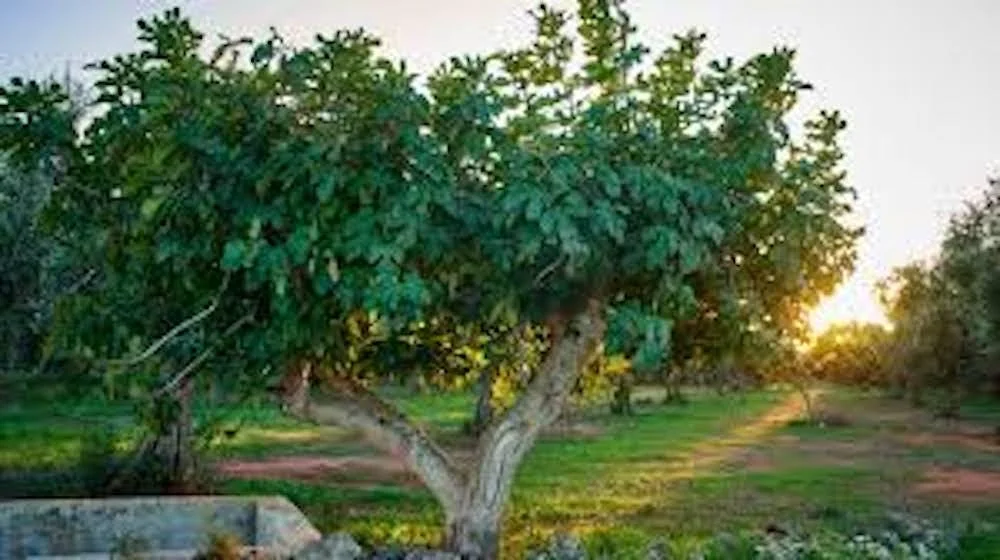
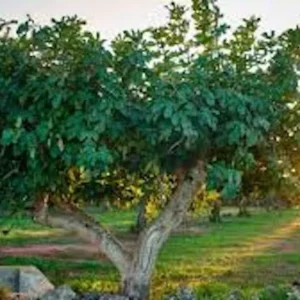
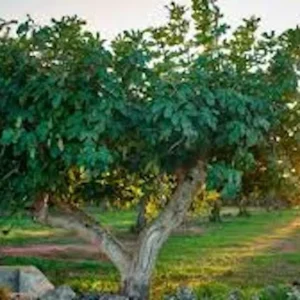
- Ornamental Appeal: Beyond its fruit, the fig tree offers attractive foliage and a unique growth habit, adding a touch of Mediterranean elegance to patios, gardens, or as a focal point.
- Adaptable & Resilient: With proper siting and care, this sweet fig plant can adapt to a range of climates and soil types, proving to be a resilient choice for diverse gardening environments.
- Health Benefits: Figs are rich in fiber, vitamins, and minerals, offering a healthy and delicious addition to your diet straight from your own backyard.
Plant Care & Growing Tips
Caring for your yellow long neck fig tree is straightforward, ensuring a healthy plant and bountiful harvests. Figs thrive in full sun, requiring at least 6-8 hours of direct sunlight per day to produce the sweetest and most abundant fruit. When planting, choose a location with well-draining soil. While adaptable, figs prefer a slightly alkaline to neutral pH. If planting in a container, ensure it has adequate drainage holes and use a high-quality potting mix. Protect young plants from harsh winds and extreme temperatures, especially during their first year of establishment. Proper care will help your grow fig tree to its full potential.
Watering is crucial, particularly during dry spells and when the fruit is developing. The soil should be kept consistently moist but never waterlogged. Deep watering is preferred, encouraging the roots to grow deeper. Fertilize your fig tree in early spring with a balanced, all-purpose fertilizer, and again in mid-summer if needed, following product instructions. Pruning is best done in late winter or early spring while the tree is dormant. Remove any dead, diseased, or crossing branches to improve air circulation and light penetration, which can help your ficus carica yellow long neck produce more fruit. Keep an eye out for common fig pests like fig rust or spider mites, and address them promptly with organic or chemical treatments as necessary.
For those in cooler climates, consider growing your yellow long neck fig tree in a large container that can be moved indoors during winter. This protects the plant from freezing temperatures. In warmer zones, mulching around the base of the tree can help retain soil moisture and regulate soil temperature. Regular inspection for any signs of stress or disease will ensure the longevity and productivity of your sweet fig plant. Understanding how to grow fig tree successfully involves patience and consistent care, but the rewards of fresh, delicious figs are well worth the effort.
Size & Details
This offering is for 1 yellow long neck fig tree starter plug, providing a strong foundation for your future fig harvests. Each plug is a young, healthy plant ready for transplanting into a larger pot or directly into your garden, depending on your climate and growing conditions. While specific dimensions can vary slightly with young plants, these starter plugs are typically well-rooted and robust, designed for optimal establishment.
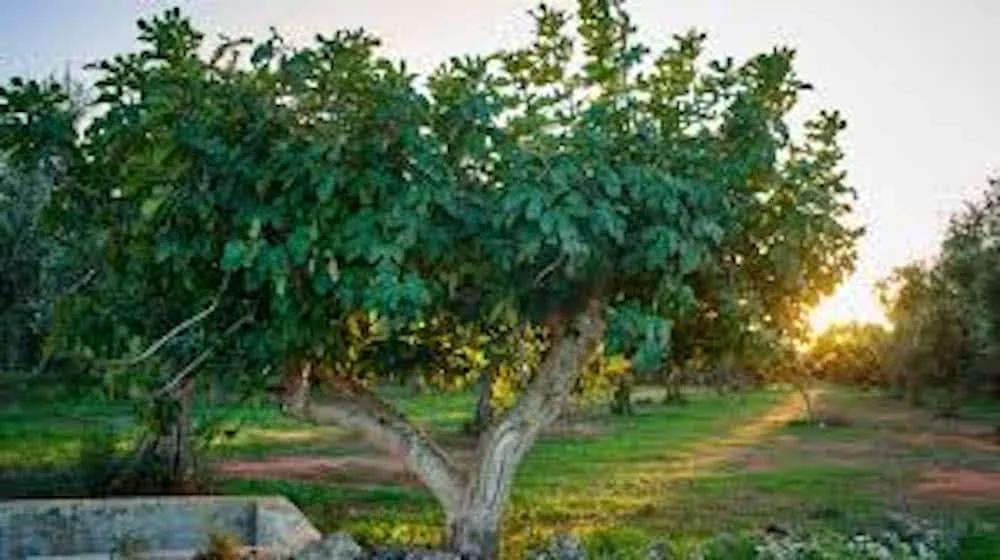
Fig trees, once mature, can reach heights of 10-30 feet, though they can be kept smaller with regular pruning or by growing them in containers. The ‘Yellow Long Neck’ variety exhibits a moderate growth rate. Your starter plug will arrive as a bare root plant, meaning it will not be in a pot and its roots will be carefully packaged to ensure freshness during transit. This method is ideal for promoting rapid establishment once planted. Expect to see significant growth and potentially even some fruit production within the first few years, especially with diligent care. The characteristic large, golden-yellow fruits will develop over time, offering a sweet reward for your gardening efforts.
Frequently Asked Questions
- Q: How big does this plant get? A: A mature yellow long neck fig tree can reach heights of 10-30 feet if grown in the ground, but its size can be managed through pruning or by growing it in a large container, keeping it more compact.
- Q: Is this an indoor or outdoor plant? A: While fig trees are primarily outdoor plants that thrive in full sun, they can be grown in containers and brought indoors during winter in colder climates to protect them from frost, making them adaptable.
- Q: How much sunlight does it need? A: The ficus carica yellow long neck requires at least 6-8 hours of direct sunlight per day to produce the best fruit and ensure vigorous growth. Full sun is essential for optimal performance.
- Q: Is this plant easy to care for? A: Yes, the yellow long neck fig tree is considered relatively easy to care for once established. It requires consistent watering, proper sunlight, and occasional fertilization and pruning.
- Q: What condition will it arrive in? A: Your yellow long neck fig tree starter plug will arrive as a bare root plant, with its roots carefully packaged to maintain moisture and health during shipping, ready for immediate planting.
- Q: How long until it produces fruit? A: With good care, your sweet fig plant can begin producing fruit within 1-3 years of planting, with increasing yields as the tree matures.
- Q: What is the best way to propagate a fig tree? A: Fig trees are commonly propagated through cuttings. Taking dormant hardwood cuttings in late winter is a popular and effective method to grow fig tree from existing plants.
- Q: Can I grow this fig tree in a pot? A: Absolutely! The yellow long neck fig tree is an excellent candidate for container growing, especially in regions with harsh winters, allowing you to move it indoors for protection.
- Q: What is the ideal soil type for this fig tree? A: This fig variety prefers well-draining soil with a slightly alkaline to neutral pH. Amending heavy clay soils with organic matter can improve drainage.
- Q: Is this fig variety resistant to pests or diseases? A: While generally robust, like all plants, the ficus carica yellow long neck can occasionally encounter pests like spider mites or diseases such as fig rust. Regular inspection and good cultural practices help in prevention and early treatment.


Reviews
There are no reviews yet.