Overview
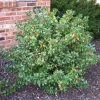
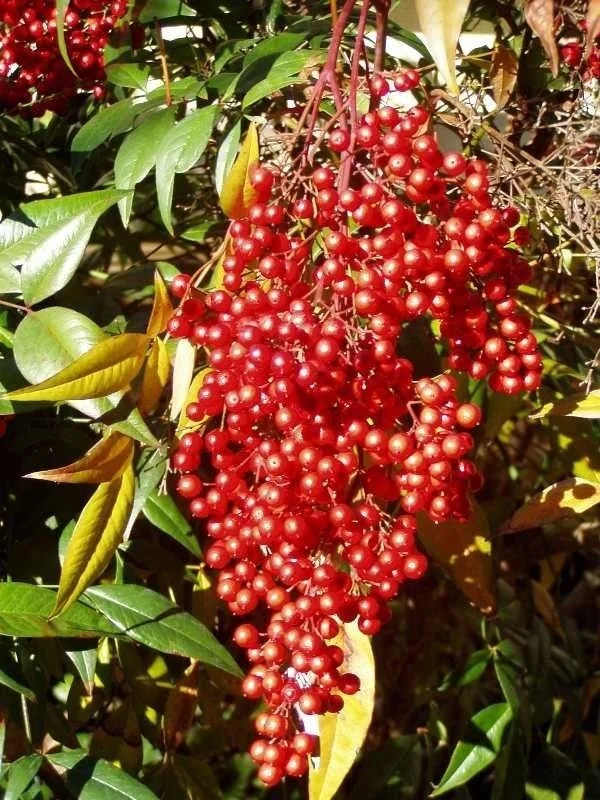
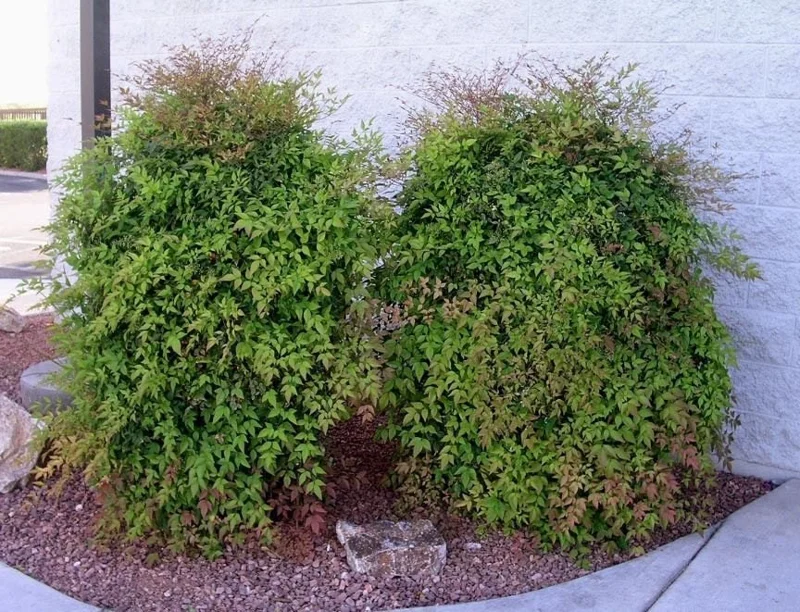
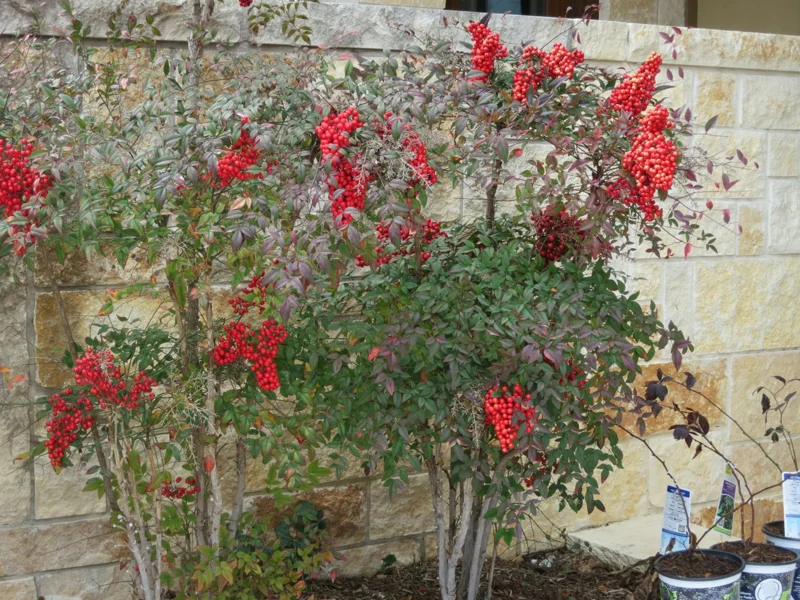
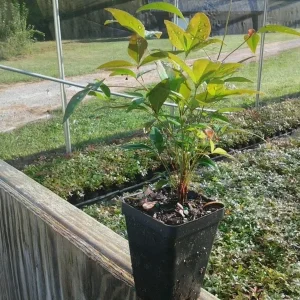
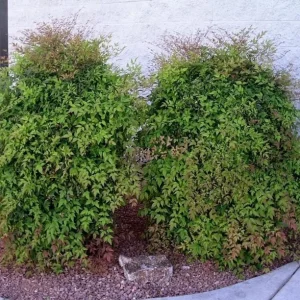
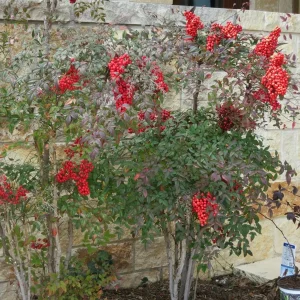
Introduce a touch of elegance and year-round interest to your landscape with our premium domestic nandina plants. This offering includes 10 robust live plants, each cultivated in a 2.5-inch pot, ready to thrive in your garden. Commonly known as Heavenly Bamboo, Nandina domestica is a versatile and low-maintenance shrub prized for its dynamic seasonal changes. From its lush green foliage in spring and summer to spectacular yellow and red hues in autumn, culminating in clusters of vibrant red berries that persist through winter, these plants provide continuous beauty. While often referred to as ‘bamboo,’ Nandina is not a true bamboo species but shares a similar graceful, upright growth habit, making it an excellent choice for various garden designs.
Our domestic nandina plants are carefully grown to ensure top quality, providing a strong foundation for healthy establishment. They are perfect for creating natural borders, adding vertical interest, or complementing existing landscaping with their distinctive form and color. These plants are known for their resilience and ability to adapt to a range of conditions, making them a favored option for both experienced gardeners and beginners seeking reliable, beautiful shrubs.
Key Benefits
Investing in domestic nandina plants brings a multitude of advantages to any garden. Their unique aesthetic and adaptability make them a standout choice for various landscaping needs. Here are some of the key benefits you can expect:
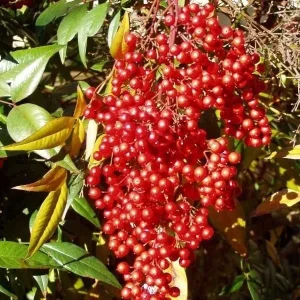
- Stunning Seasonal Color: Enjoy a continuous display of color, from rich green leaves in warmer months to brilliant yellow and red fall foliage, providing a spectacular visual transition in your garden. The vibrant red berries add a festive touch throughout winter, ensuring your landscape remains lively even in colder seasons.
- Year-Round Interest: Unlike many deciduous plants that lose their appeal in winter, Nandina offers visual appeal throughout the entire year with its persistent foliage and striking red berries, making it a cornerstone of a four-season garden.
- Low Maintenance & Hardy: These plants are incredibly resilient and require minimal care once established. They are tolerant of various conditions and are hardy in USDA zones 5-10, making them suitable for a wide range of climates. Their robust nature means less time spent on upkeep and more time enjoying your garden.
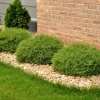
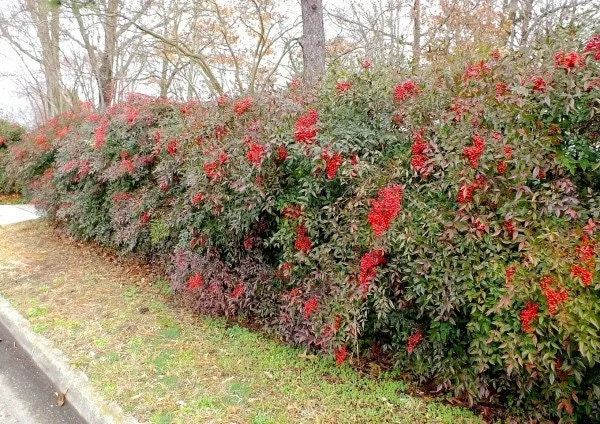
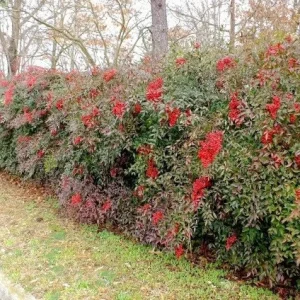
- Versatile Landscaping Use: The upright growth habit and attractive foliage of the heavenly bamboo shrub make it ideal for numerous applications. Use them as an informal hedge, in mass plantings, as a specimen plant, or to add texture and height to mixed borders. They can be pruned to maintain a desired size and shape.
- Drought Tolerance: Once established, Nandina plants exhibit good drought tolerance, reducing the need for frequent watering, especially in areas with water restrictions or during dry spells. This makes them an environmentally conscious choice for sustainable gardening.
- Deer Resistant: Generally, deer tend to avoid Nandina, which is a significant advantage for gardeners in areas where deer browsing is a common problem, helping to protect your landscape investment.
- Adaptable to Pruning: These plants can be left to grow naturally to heights of up to 5 feet, or they can be easily cut back to any desired height or shape, allowing for flexible design and control over their appearance in your garden.
Plant Care & Growing Tips
Caring for your domestic nandina plants is straightforward, ensuring they flourish and provide years of beauty. For optimal growth, these shrubs thrive in reasonably rich, acidic soil. Ensure the planting site has good drainage, as Nandina does not tolerate soggy roots. When planting, dig a hole twice as wide as the root ball and just as deep. Carefully place the plant, backfill with soil, and water thoroughly. Initial watering is crucial for establishment.
Regarding sunlight, outdoor nandina plants perform best in full sun to partial shade. In hotter climates, some afternoon shade can protect the foliage from scorching. They are quite adaptable but will exhibit the most vibrant fall colors and berry production with ample sunlight. Water regularly during the first growing season to establish an extensive root system. Once established, they are relatively drought-tolerant, but occasional deep watering during prolonged dry periods will be beneficial. Fertilize in early spring with a balanced, slow-release fertilizer formulated for acid-loving plants to promote healthy growth and vibrant foliage. Pruning is best done in late winter or early spring to shape the plant, remove any dead or damaged branches, or control its size. You can also thin out older canes from the base to encourage new growth.
These plants are hardy in USDA zones 5-10, meaning they can withstand winter temperatures down to -20°F (-29°C) in zone 5. In colder parts of their range, some foliage might experience winter burn, but the plant typically recovers well in spring. Protection from harsh winter winds can be beneficial in exposed locations. Keep an eye out for common pests, though Nandina is generally resistant. Any issues can usually be addressed with appropriate organic or chemical treatments. Understanding nandina plant care will ensure your Heavenly Bamboo thrives and becomes a cherished part of your garden.
Size & Details
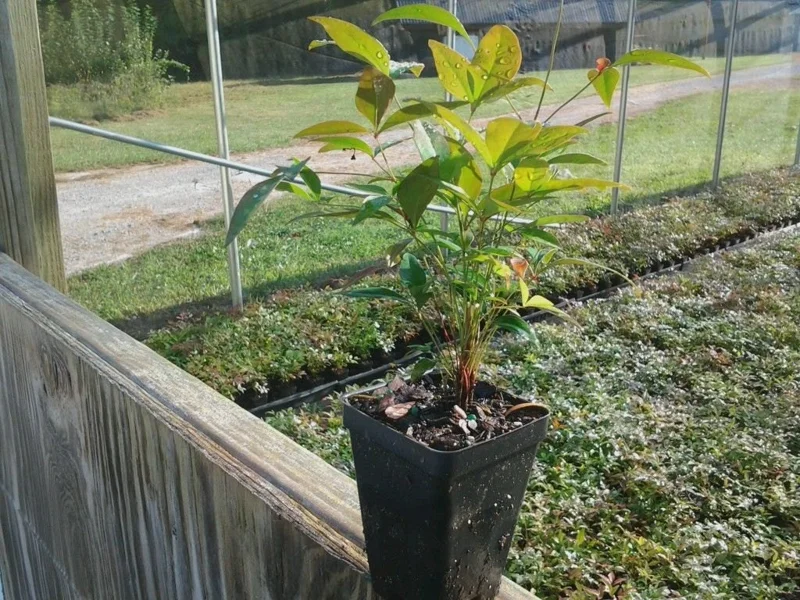
This offering includes 10 Domestic Nandina plants, each carefully grown in a 2.5-inch nursery pot. These are live plants, shipped in their pots with soil to ensure minimal transplant shock and immediate establishment upon arrival. When mature, these shrubs typically reach a height of 3 to 5 feet if left natural, with a similar spread, creating an attractive, multi-stemmed form. They possess a moderate growth rate, allowing them to establish and fill out within a few growing seasons. The plants develop branches from the ground up, contributing to a full and lush appearance that complements various landscaping styles. The glossy leaves and vibrant berries are key features, providing significant ornamental value. Expect to see significant growth and the full display of fall colors and winter berries once the plants are well-established in their permanent location.
Frequently Asked Questions
- Q: How big do these domestic nandina plants get? A: If left to grow naturally, these Nandina plants can reach heights of 3 to 5 feet, with a similar spread. They can also be pruned to maintain any desired height or shape, making them very versatile in the landscape.
- Q: Is this an indoor or outdoor plant? A: These domestic nandina plants are primarily outdoor shrubs. They are hardy in USDA zones 5-10 and are best suited for garden beds, borders, and hedges where they can receive adequate sunlight and space to grow.
- Q: How much sunlight does the heavenly bamboo shrub need? A: Nandina plants thrive in full sun to partial shade. For the most vibrant fall foliage and abundant berry production, aim for at least 4-6 hours of direct sunlight per day. In very hot climates, some afternoon shade can be beneficial.
- Q: Is this plant easy to care for? A: Yes, Nandina is considered a low-maintenance shrub. Once established, it is relatively drought-tolerant and pest-resistant. Basic care involves proper planting, occasional watering during dry spells, and optional spring fertilization and pruning.
- Q: What condition will the domestic nandina plants arrive in? A: Your 10 Nandina plants will arrive as healthy, live plants, each in a 2.5-inch nursery pot with soil. They are carefully packed to ensure they reach you in excellent condition, ready for planting.
- Q: When is the best time to plant these shrubs? A: The best time to plant Nandina is in spring or early fall, allowing the plants to establish their root systems before extreme summer heat or winter cold sets in. However, if properly cared for, they can be planted any time the ground is not frozen.
- Q: Will the nandina fall foliage be vibrant in my area? A: The vibrancy of nandina fall foliage is influenced by sunlight exposure and temperature fluctuations. Plants in full sun typically develop the strongest red and yellow hues. They are known for their reliable color display within their hardiness zones.
- Q: What kind of soil do these plants prefer? A: Nandina prefers reasonably rich, acidic soil with good drainage. Avoid heavy, waterlogged soils, as this can lead to root rot. Amending clay soils with organic matter can improve drainage.
- Q: Are the berries on Nandina plants edible? A: No, the berries of Nandina domestica are generally considered toxic to humans and pets if ingested in large quantities. It’s best to enjoy them for their ornamental value and keep them out of reach of children and curious animals.
- Q: How often should I water my newly planted outdoor nandina? A: For newly planted Nandina, water regularly and deeply to keep the soil consistently moist but not waterlogged for the first growing season. This encourages strong root development. Once established, they are more tolerant of drier conditions.


Reviews
There are no reviews yet.