Overview
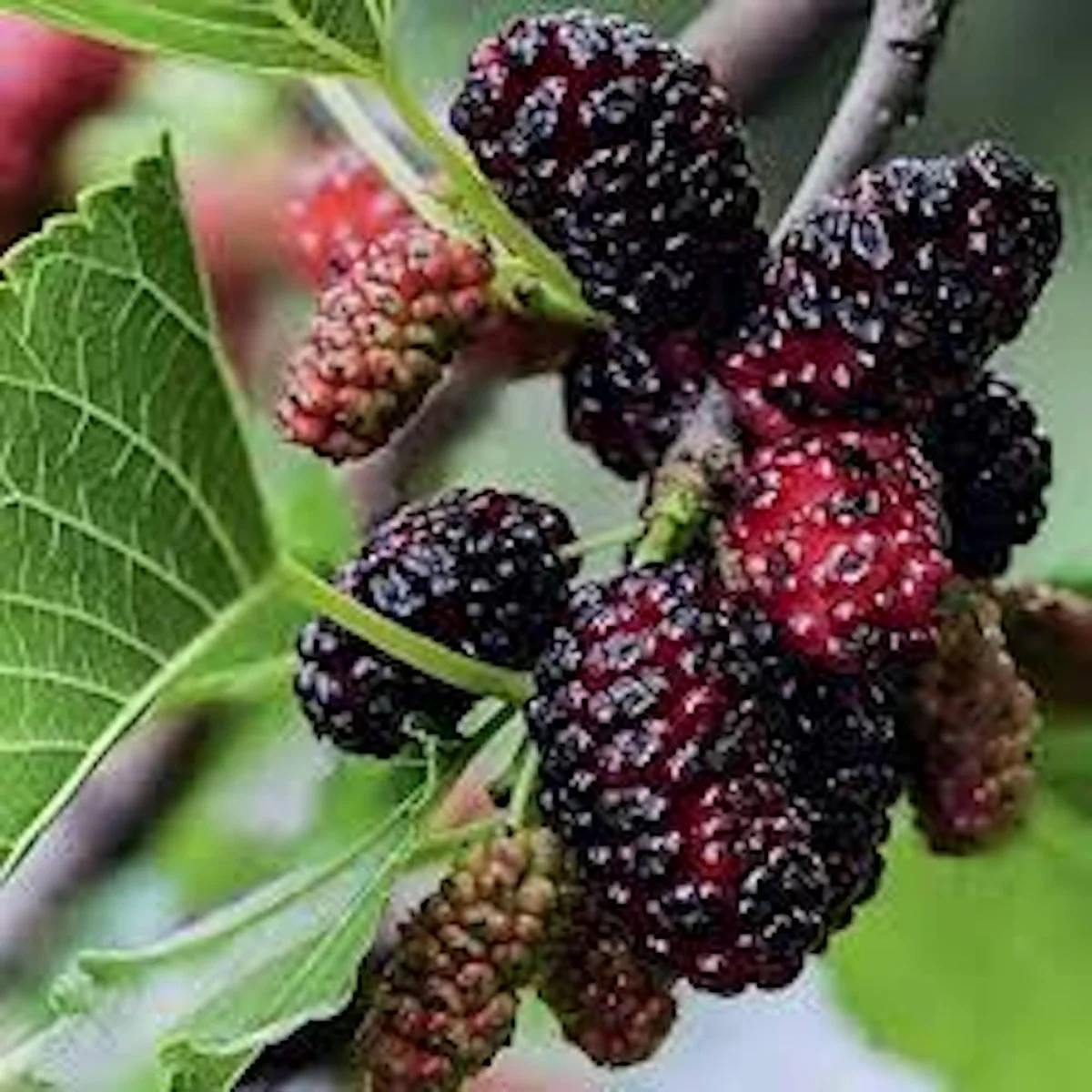
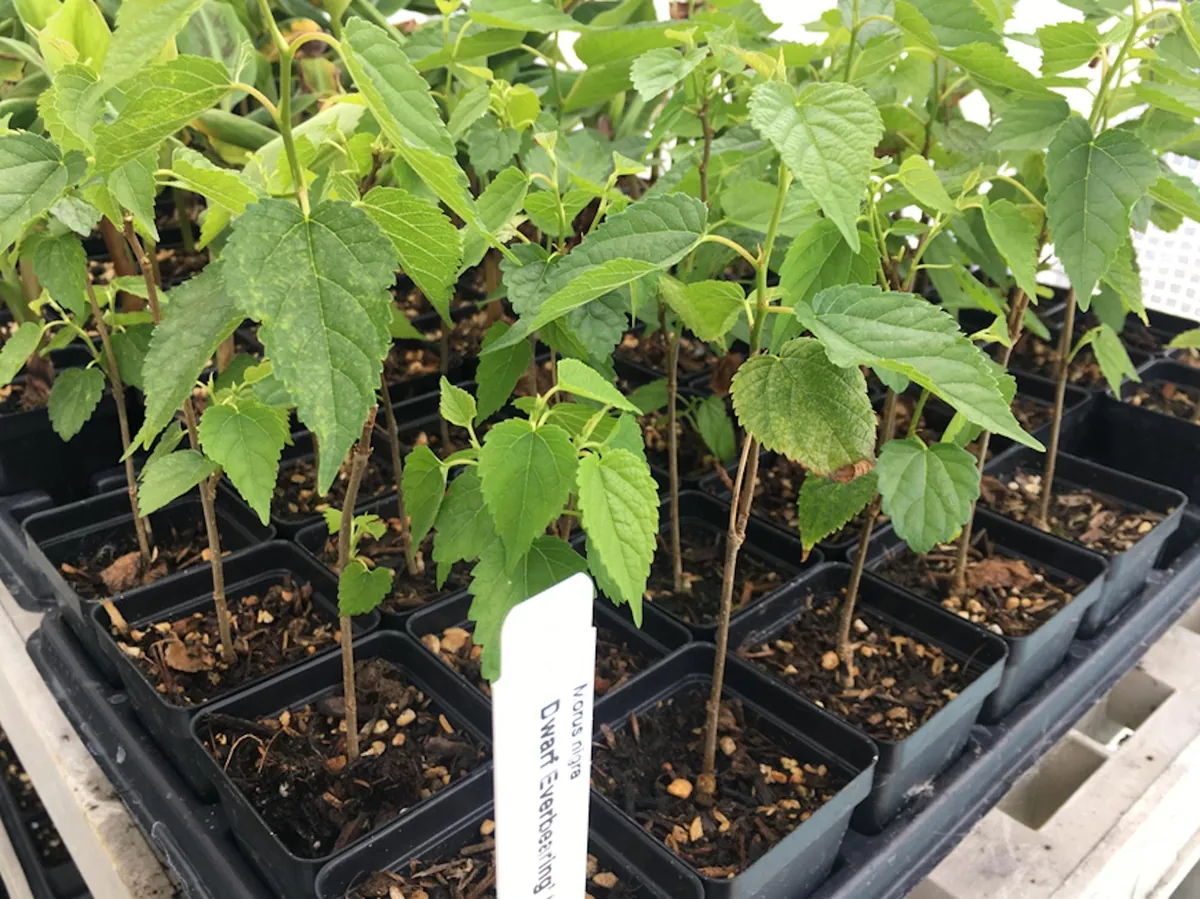
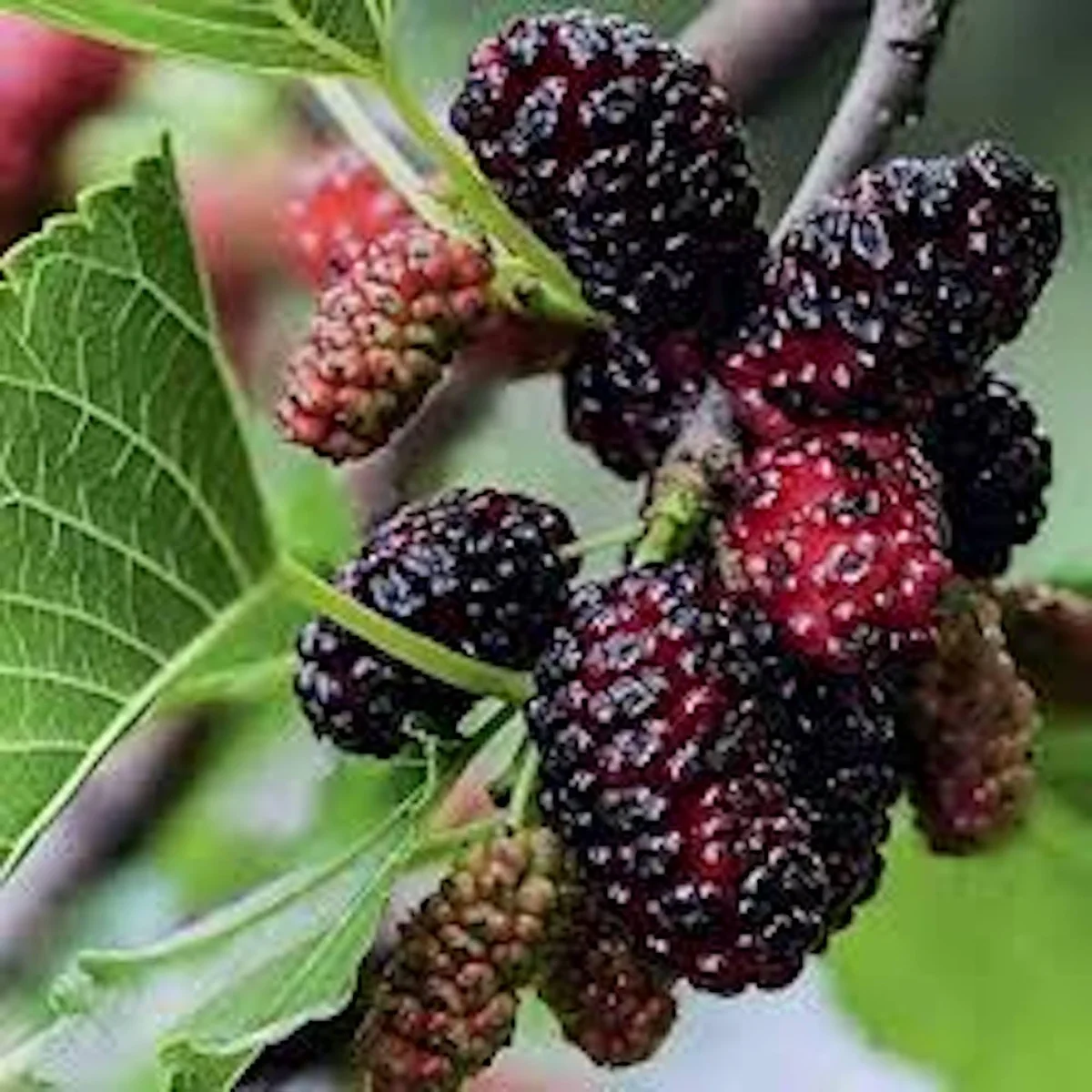
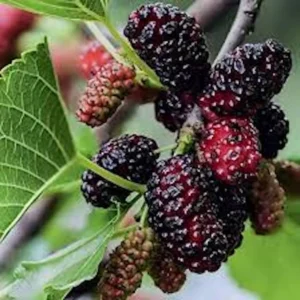
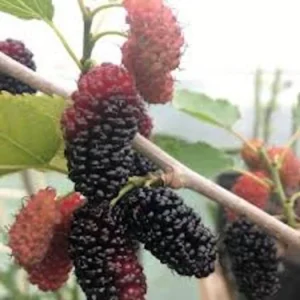
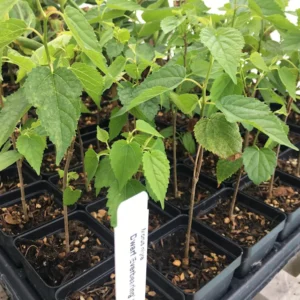
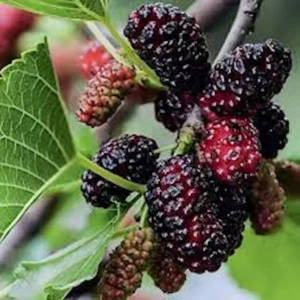
Embark on a rewarding gardening journey with our offering of 10 Dwarf Everbearing Mulberry Tree starters. These bare root plants are an exceptional choice for home gardeners seeking to grow their own delicious, fresh fruit. The dwarf everbearing mulberry tree (Morus sp.) is renowned for its continuous fruit production throughout the growing season, providing a steady supply of sweet, reddish-black berries. Unlike many fruit trees, these mulberry trees are self-pollinating, meaning you only need one plant to start enjoying a bountiful harvest. They are also celebrated for their cold hardiness, making them a resilient option for various climates across the United States. Whether you’re an experienced gardener or just starting, these starters offer a fantastic opportunity to cultivate a productive and beautiful fruiting plant.
The unique characteristic of the dwarf mulberry plant is its manageable size, typically reaching a maximum height of 10-15 feet with a spread of 15-20 feet. This makes them suitable for smaller gardens, urban spaces, or even container growing with proper care. Each order includes 10 healthy starter plants, ready to be planted upon arrival. These young trees are shipped bare root, which is an effective and economical way to transport dormant plants, ensuring they establish well in their new environment. Prepare to enjoy fresh, juicy mulberries right from your backyard with these easy-to-grow, pest-resistant trees.
Key Benefits
Our dwarf everbearing mulberry tree starters offer numerous advantages for gardeners looking for a low-maintenance yet highly rewarding fruiting plant. These trees are incredibly versatile and productive, providing fresh fruit for many years.
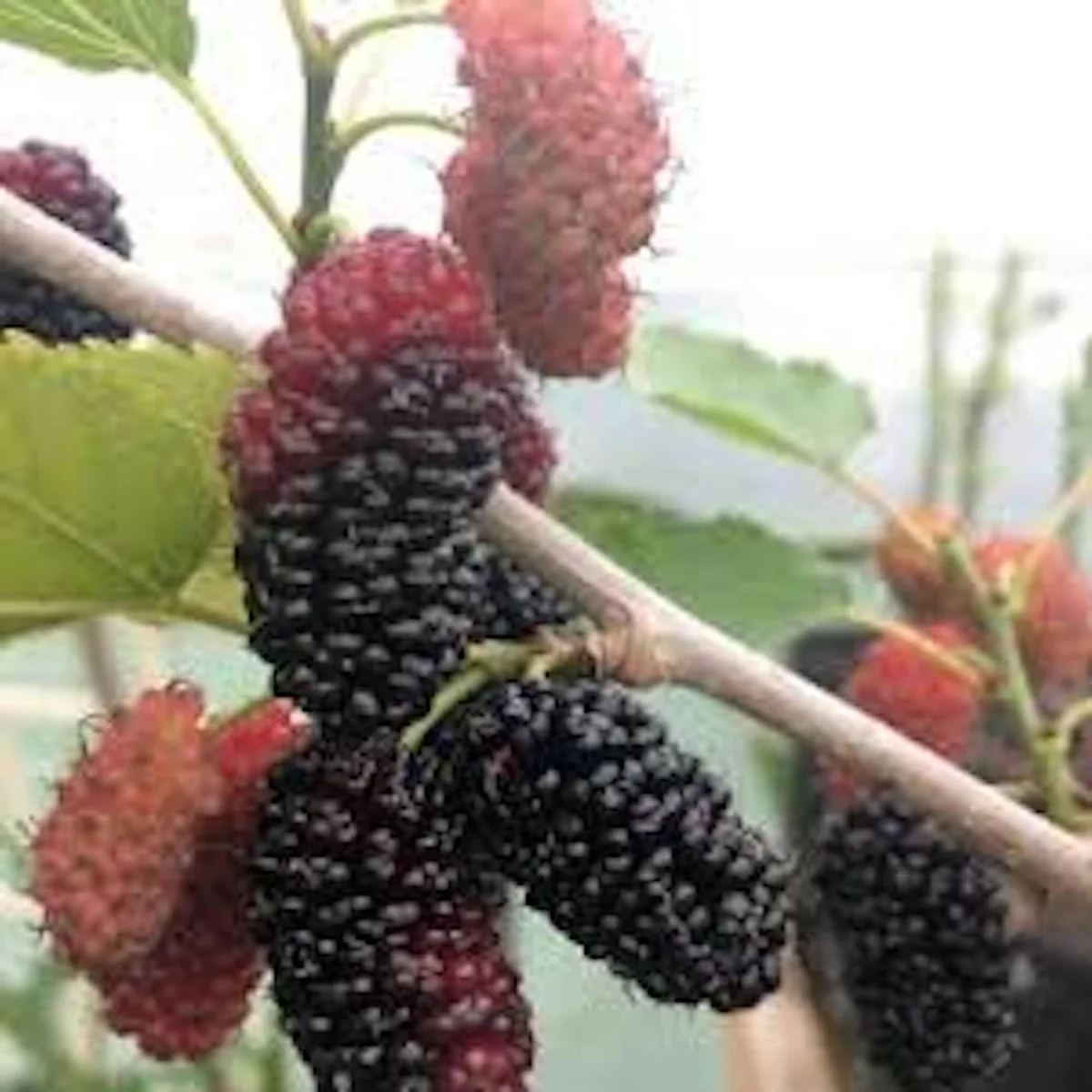
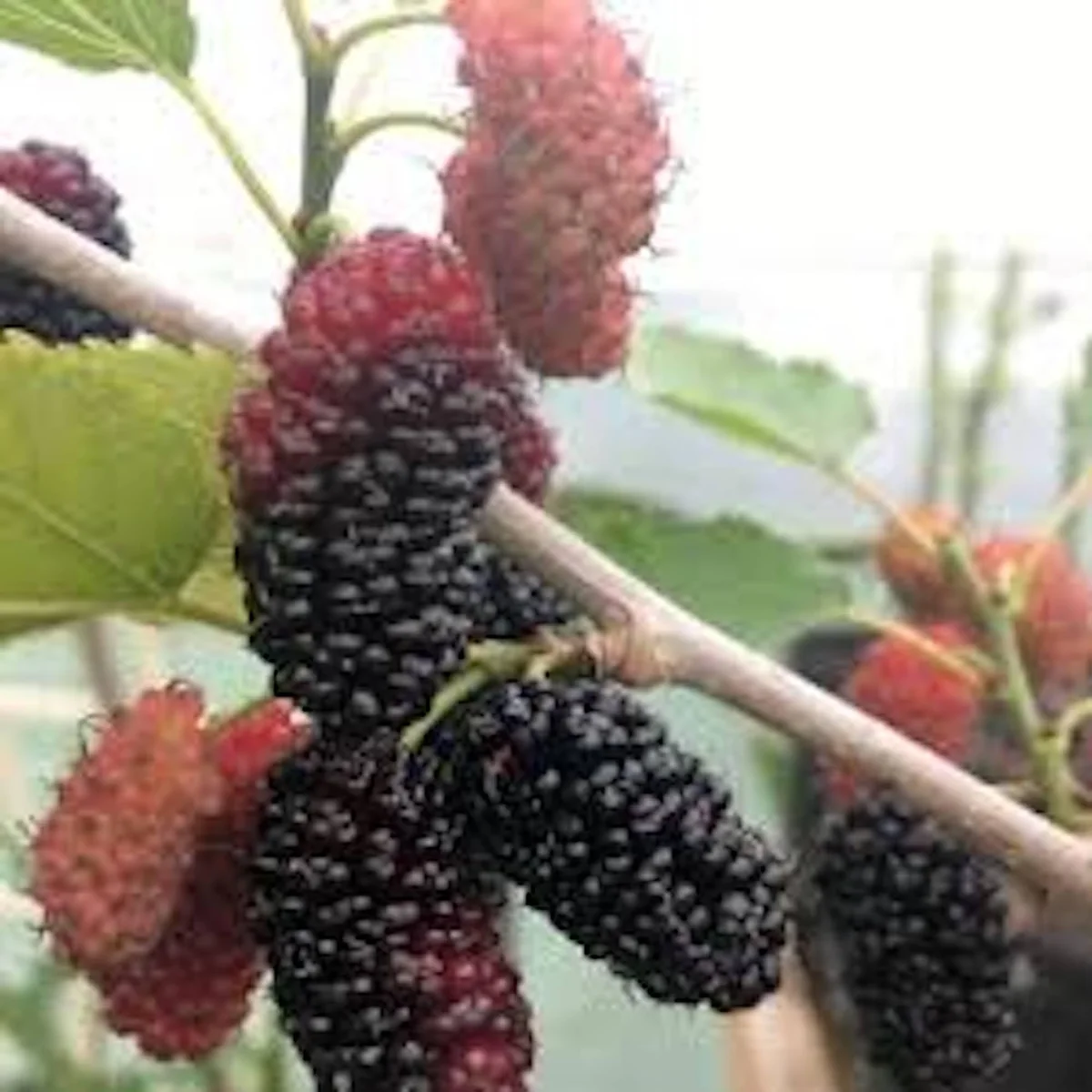
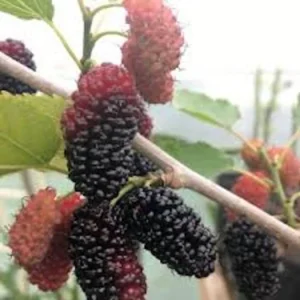
- Continuous Fruit Production: These everbearing varieties produce juicy, reddish-black berries from late June through early fall, ensuring a prolonged harvest season. You’ll have fresh mulberries for snacking, baking, or preserves.
- Self-Pollinating: No need for multiple trees to ensure fruit set. A single dwarf everbearing mulberry tree can produce fruit on its own, simplifying your garden planning.
- Cold Hardy Nature: Known for their resilience, these mulberry trees are cold hardy, tolerating a range of temperatures and making them suitable for many USDA growing zones. This ensures greater success for gardeners in diverse climates.
- Pest-Resistant: Enjoy a healthier harvest with less intervention. These trees are naturally resistant to many common pests, reducing the need for chemical treatments and promoting organic gardening practices.
- Versatile Growth Habit: The dwarf mulberry plant can be trained as a single-stemmed tree or allowed to grow as a multi-stemmed shrub, offering flexibility in how you integrate it into your landscape design.
- Early Fruiting: Many of these trees can begin bearing fruit within the first 1-3 years after planting, providing a relatively quick return on your gardening efforts.
- No Picking Needed: The ripe berries naturally drop from the tree, making harvesting effortless. Simply place a tarp or sheet beneath the tree and gently shake the branches.
Plant Care & Growing Tips
Caring for your dwarf everbearing mulberry tree is straightforward, making it an excellent choice for both novice and experienced gardeners. These resilient plants thrive with minimal fuss, but understanding their basic needs will ensure a robust and productive tree. When planting your bare root starters, choose a location with full sun exposure, meaning at least 6-8 hours of direct sunlight daily. Mulberries prefer well-draining soil that is rich in organic matter. While adaptable to various soil types, a slightly acidic to neutral pH (6.0-7.0) is ideal. Dig a hole wide enough to accommodate the roots without bending them, and deep enough so that the crown (where roots meet the stem) is at soil level. Water thoroughly after planting to settle the soil around the roots.
During the first year, consistent watering is crucial for establishing the young cold hardy mulberry tree. Keep the soil consistently moist but not waterlogged. Once established, mulberries are relatively drought-tolerant but will benefit from watering during prolonged dry spells, especially when fruiting. Fertilize annually in early spring with a balanced, all-purpose fertilizer. Pruning can be done in late winter or early spring while the tree is dormant. Focus on removing dead, damaged, or crossing branches, and shape the tree to maintain its desired size and form. This also helps improve air circulation and sunlight penetration, leading to better fruit production. Protect young trees from deer and other wildlife, which may be attracted to the tender new growth.
These trees are generally hardy and pest-resistant, but keep an eye out for common issues. Aphids or scale can occasionally affect mulberry trees; these can often be managed with horticultural oil or insecticidal soap. Ensure good air circulation to prevent fungal diseases. The everbearing mulberry care routine is largely about providing the right conditions initially and then light maintenance. Their natural vigor and adaptability make them a joy to grow. Remember that while the root systems are generally not aggressive, they can spread, so plant them away from utility lines if possible.
Size & Details
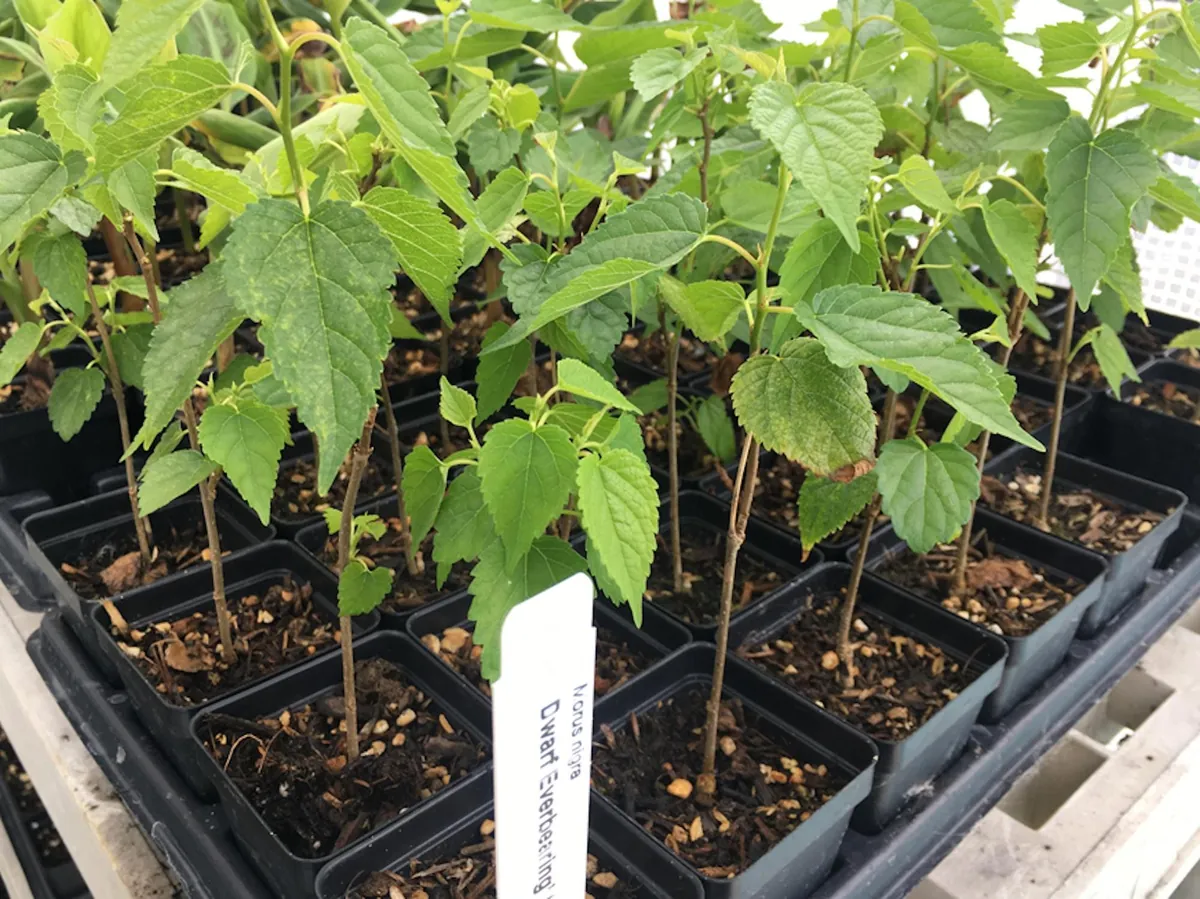
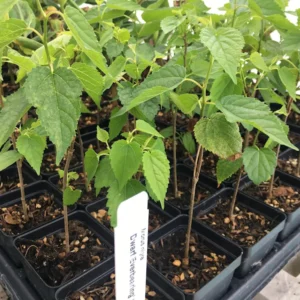
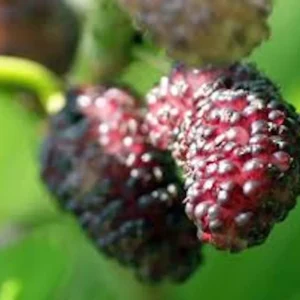
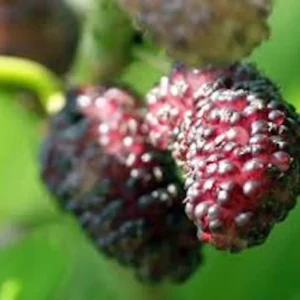
This offering includes 10 Dwarf Everbearing Mulberry Tree starters, shipped as healthy bare root plants. These are young, dormant trees without soil or a pot, which allows for efficient and safe transport. Upon arrival, the plants should be rehydrated and planted as soon as possible. The ‘dwarf’ designation refers to their mature size, typically reaching a height of 10-15 feet with a spread of 15-20 feet, making them much more manageable than standard mulberry varieties. They can begin to bear fruit within 1-3 years after planting, with a ripening season extending from late June to early fall. The berries are dark reddish-black and about 1.5 inches long when mature. These plants are ideal for creating a productive fruit source in your garden, offering a moderate growth rate.
Frequently Asked Questions
- Q: How big do these Dwarf Everbearing Mulberry Trees get? A: A mature dwarf everbearing mulberry tree typically reaches a height of 10-15 feet with a spread of 15-20 feet, making it a manageable size for most home gardens.
- Q: Is this an indoor or outdoor plant? A: The dwarf everbearing mulberry tree is an outdoor plant that thrives in full sun. While young plants can be started indoors in pots, they need to be transitioned outdoors for optimal growth and fruit production.
- Q: How much sunlight does a Dwarf Everbearing Mulberry Tree need? A: These trees require at least 6-8 hours of direct sunlight per day to produce a good harvest. Full sun exposure is crucial for the best fruit development and overall plant health.
- Q: Is this plant easy to care for? A: Yes, the dwarf everbearing mulberry tree is considered easy to care for, especially once established. They are pest-resistant and relatively drought-tolerant, making them a great choice for beginner gardeners.
- Q: What condition will the plants arrive in? A: You will receive 10 Dwarf Everbearing Mulberry Tree starters as bare root plants. This means they will be dormant, without soil or a pot, and ready for immediate planting upon arrival.
- Q: How long until these mulberry trees bear fruit? A: Many of these trees can begin bearing fruit within 1-3 years after planting, with consistent fruit production occurring in subsequent years.
- Q: Will this cold hardy mulberry tree survive winter in my zone? A: These mulberry trees are noted for their cold hardiness, making them suitable for a wide range of USDA zones. Specific hardiness depends on your local climate, but they are generally very resilient.
- Q: Can the fruit be eaten fresh off the tree? A: Absolutely! The juicy, reddish-black berries from the dwarf mulberry plant are delicious when eaten fresh. They are also excellent for jams, jellies, pies, and other culinary uses.
- Q: Do I need more than one mulberry tree to get fruit? A: No, the dwarf everbearing mulberry tree is self-pollinating, so you only need one plant to get fruit. However, planting multiple trees may increase your overall yield.
- Q: What is the best time to plant bare root mulberry trees? A: The best time to plant bare root mulberry trees is in early spring, after the last frost, or in late fall after the leaves have dropped, allowing the roots to establish before extreme weather.


Reviews
There are no reviews yet.