Overview
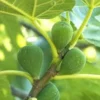
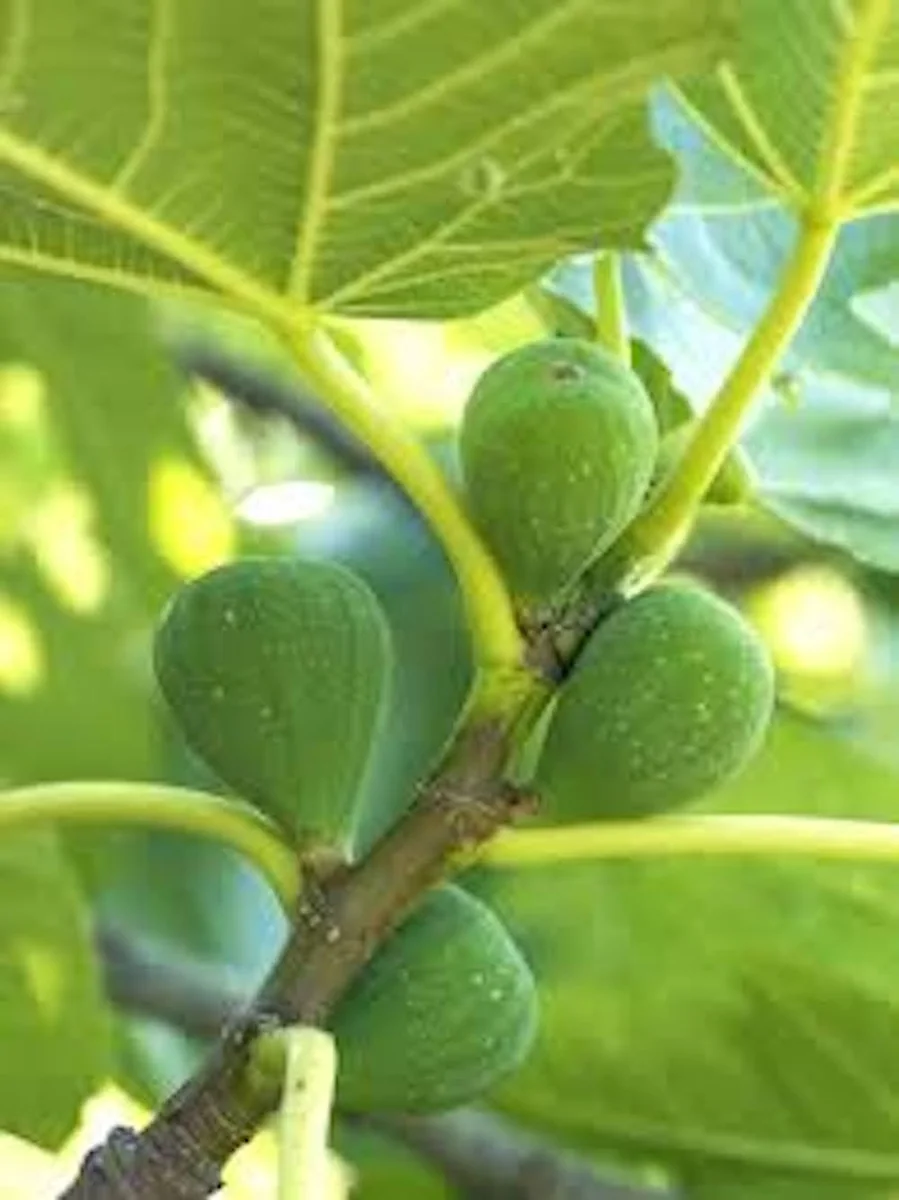
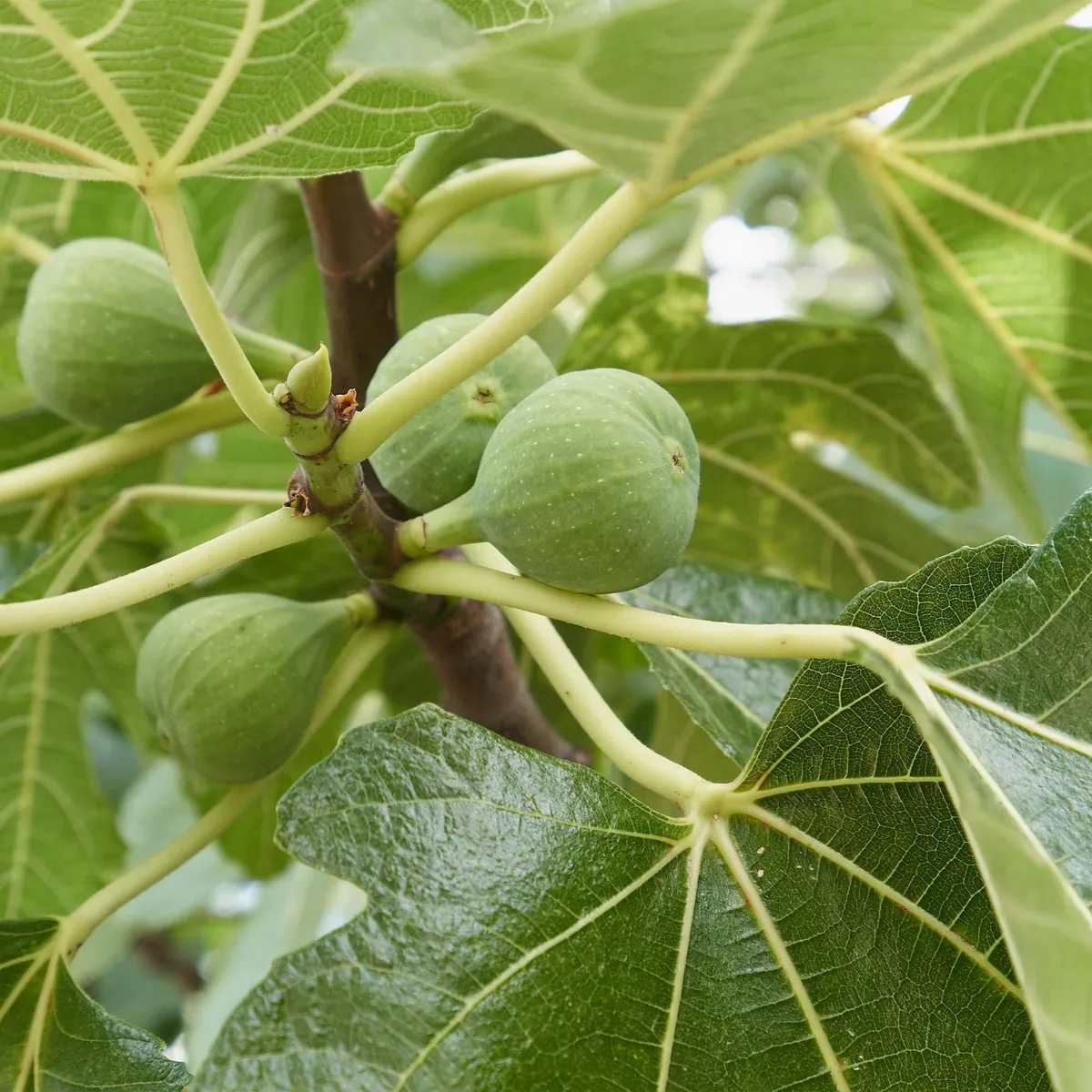
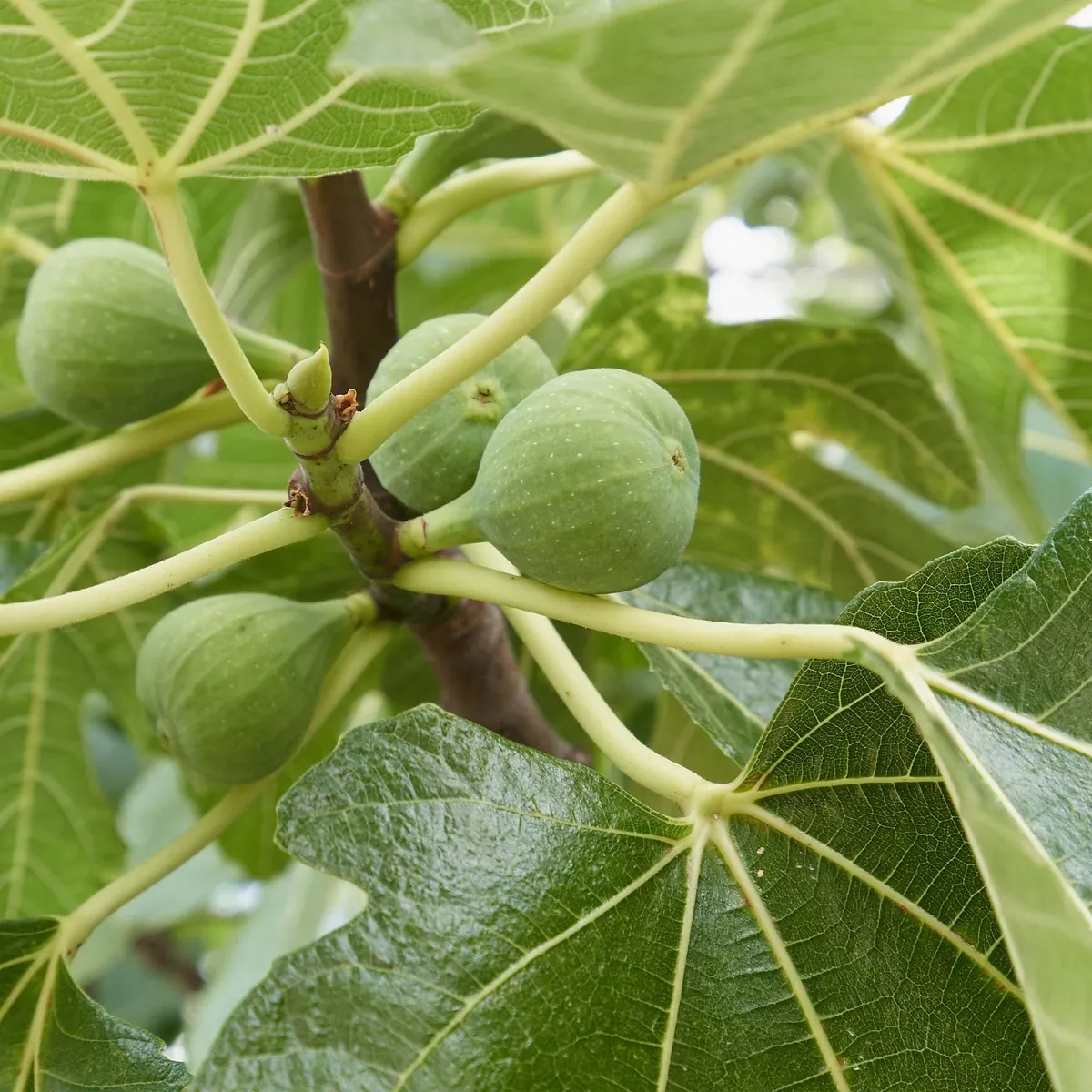
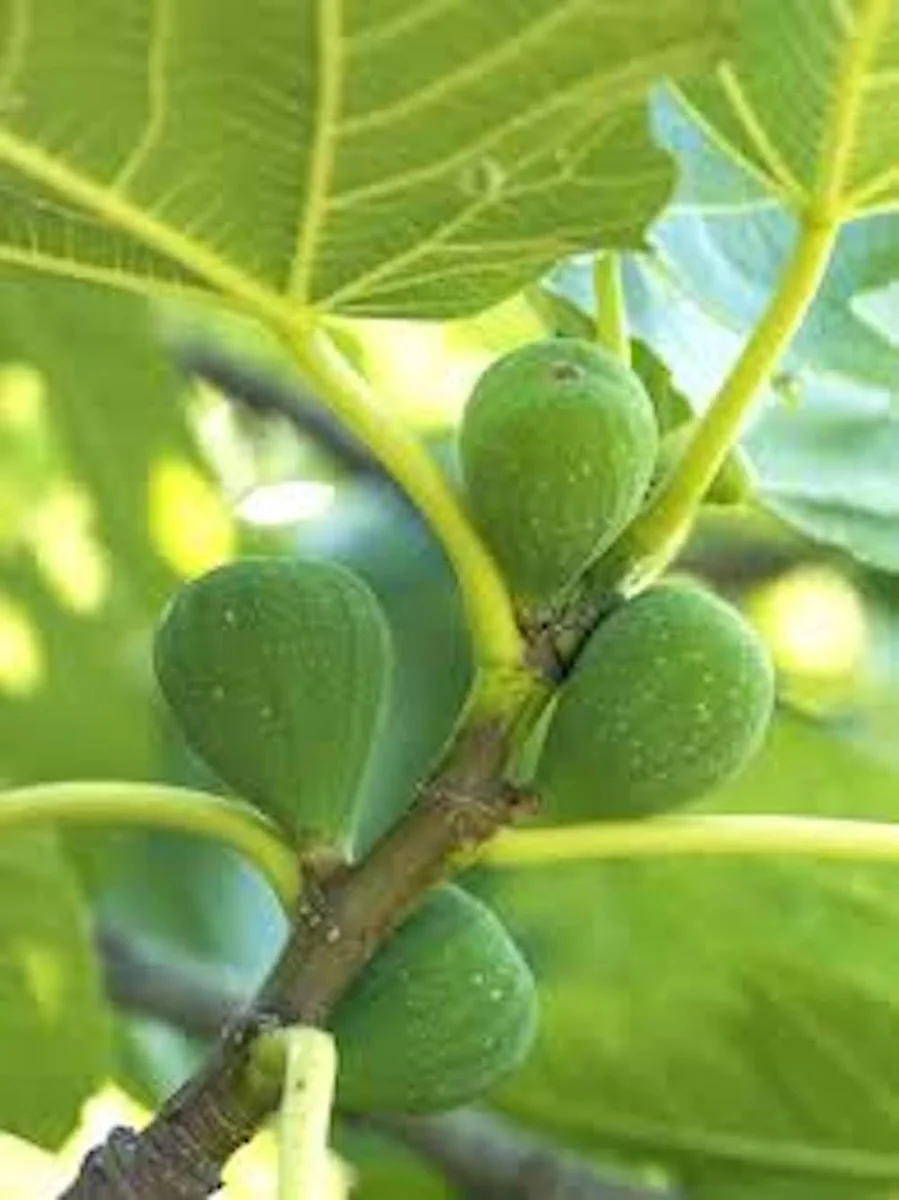
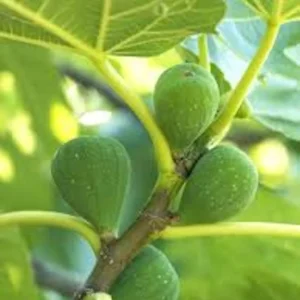
Cultivate your own succulent fruit with our 10 Lattarula fig starter plugs. These young plants are ideal for establishing a thriving fig collection, offering a rewarding gardening experience. The Lattarula fig, scientifically known as Ficus carica ‘Lattarula’, is a highly sought-after variety, also popularly referred to as the Italian Honey fig tree. This particular fig is celebrated for its exceptional sweetness and a distinctive honey-like flavor that sets it apart from other fig types. Growing your own figs from these starter plugs allows you to enjoy fresh, organic fruit directly from your garden, ensuring maximum flavor and quality. This cold-hardy, self-pollinating variety is perfect for both novice and experienced gardeners looking to add a productive and beautiful fruit tree to their landscape.
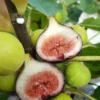
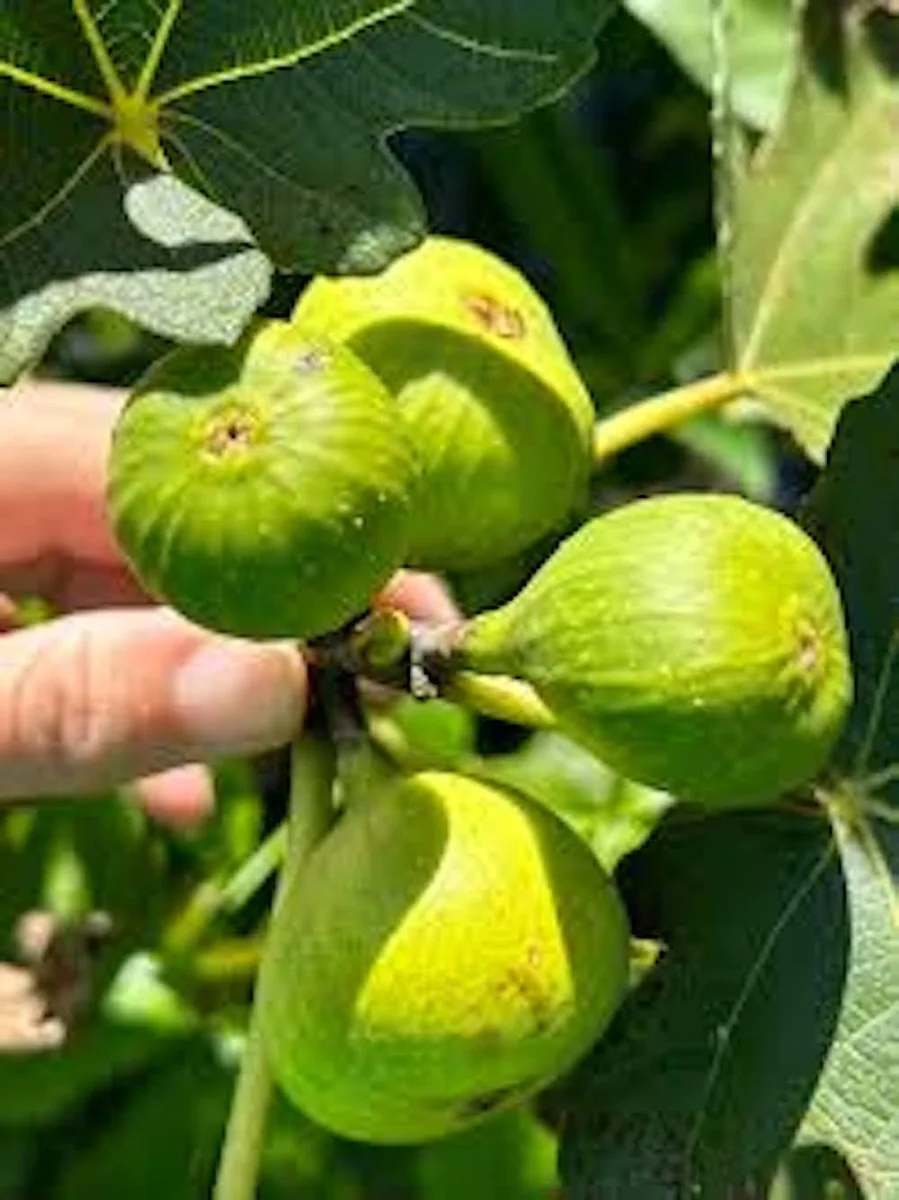
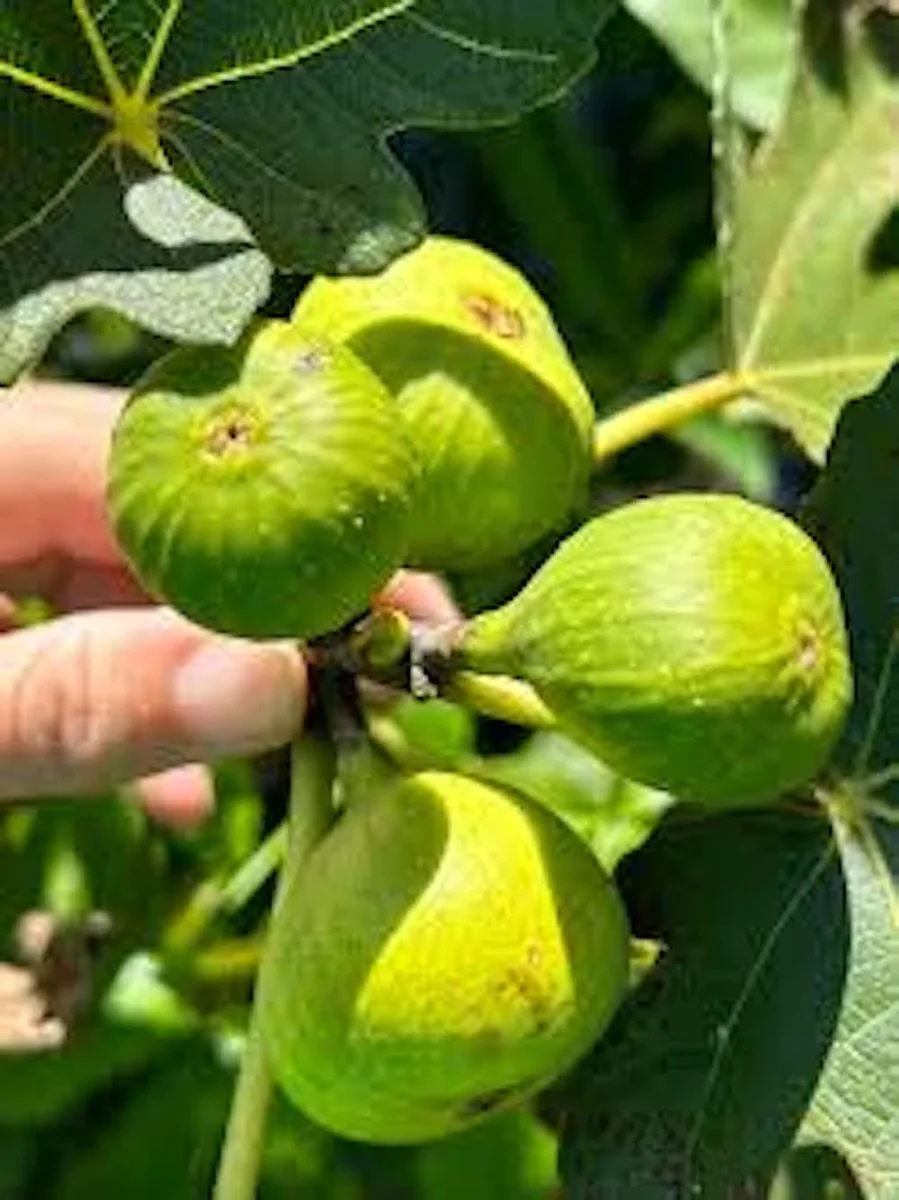
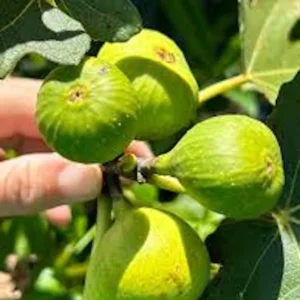
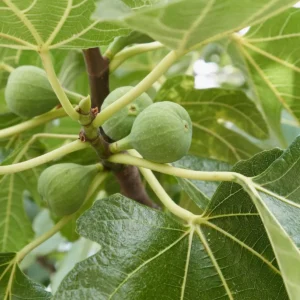
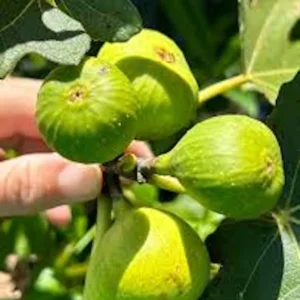
The Lattarula fig is renowned for its prolific fruit production, yielding sweet, amber-fleshed figs with attractive greenish-yellow skin. These figs are not only delicious but also a healthy addition to any diet, rich in fiber and various nutrients. Our Lattarula fig starter plugs provide a convenient and effective way to begin your fig-growing journey. Whether you plan to plant them directly in your garden soil or grow them in containers on a patio, these starter plugs are designed to establish well and flourish, eventually maturing into productive fruit-bearing trees. Enjoy the satisfaction of harvesting your own fresh figs for snacking, baking, or preserving.
Key Benefits
Investing in these Lattarula fig starter plugs offers numerous advantages for any home gardener. From their delightful fruit to their ease of care, these trees are a fantastic addition to almost any garden setting:
- Prolific Fruit Production: The Italian Honey fig tree is known for its abundant yields of delicious figs, ensuring you’ll have plenty of fresh fruit throughout the season.
- Sweet Honey Flavor: Enjoy figs with a unique, intensely sweet, honey-like flavor that is perfect for fresh eating, desserts, or preserves.
- Cold-Hardy Variety: This fig variety exhibits excellent cold tolerance, making it suitable for a wider range of climates, specifically USDA hardiness zones 7–10.
- Self-Pollinating: No need for multiple trees or specific pollinators; the Lattarula fig is self-fertile, simplifying the growing process for a single tree.
- Versatile Growing Options: These Ficus carica Lattarula plants can be successfully grown in the ground or in large containers, making them adaptable to various garden sizes and styles.
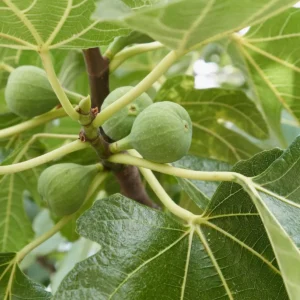
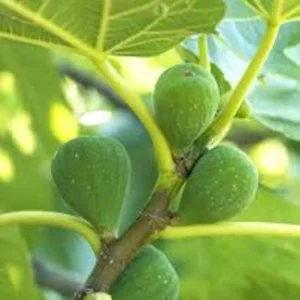
- Attractive Greenish-Yellow Skin: The fruit’s appealing greenish-yellow skin adds a lovely visual element to your garden before harvest.
- Healthy & Nutritious: Figs are a good source of dietary fiber, vitamins, and minerals, contributing to a healthy lifestyle.
Plant Care & Growing Tips
Caring for your Lattarula fig starter plugs is straightforward, and with proper attention, they will quickly grow into productive trees. Fig trees thrive in sunny locations, requiring at least 6-8 hours of direct sunlight daily. If growing indoors or in containers, ensure they receive bright, direct light or supplement with grow lights. Well-draining soil is crucial for fig trees to prevent root rot. A loamy, slightly alkaline soil is ideal, but they can adapt to various soil types as long as drainage is good. When planting, dig a hole twice as wide as the root ball and just as deep, mixing in some compost to enrich the soil.
Watering should be consistent, especially during the growing season and when the fruit is developing. Keep the soil evenly moist but not waterlogged. Reduce watering in the dormant season. Fertilize your cold hardy fig plant with a balanced fertilizer in early spring and again in mid-summer. Pruning is best done in late winter or early spring while the tree is dormant to maintain shape, remove dead or crossing branches, and encourage fruit production. Protect young trees from extreme cold during their first few winters, especially in the lower end of their hardiness zone (USDA 7). Container-grown figs can be moved indoors during colder months.
Common issues like fig rust or fruit drop can often be managed with good cultural practices. Ensure good air circulation and avoid overhead watering to prevent fungal diseases. Providing adequate nutrition and consistent moisture will help prevent premature fruit drop. With these simple tips, your fig tree care will be minimal, allowing you to enjoy bountiful harvests from your Lattarula fig trees for years to come.
Size & Details
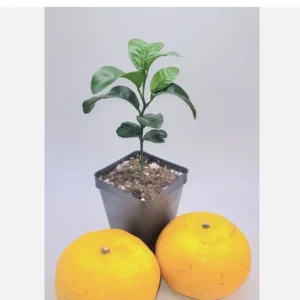
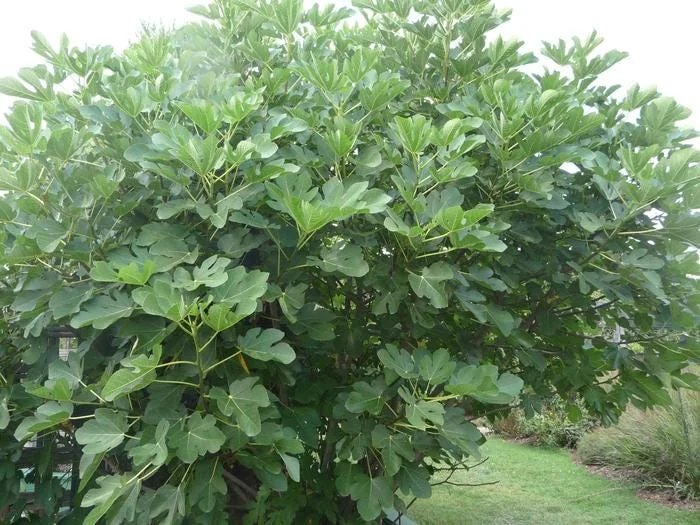
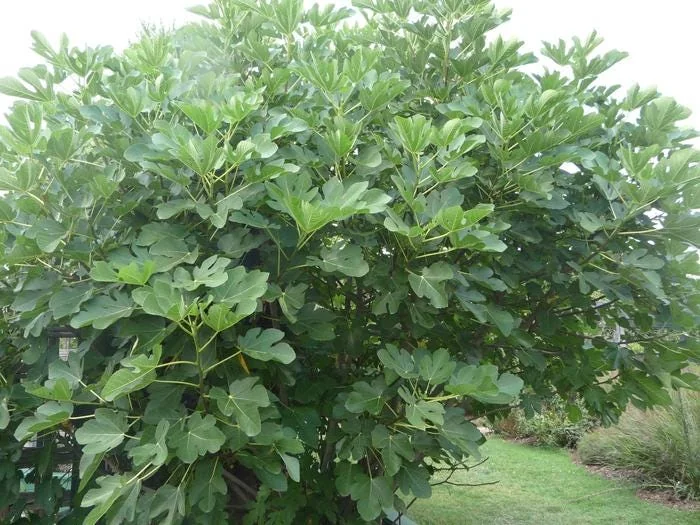
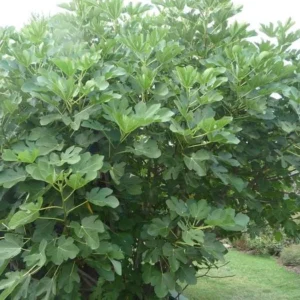
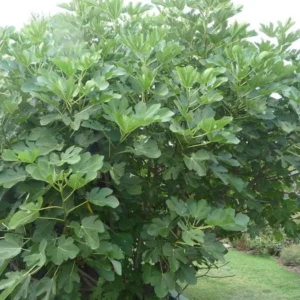
These 10 Lattarula fig starter plugs are young, actively growing plants, ready for transplanting. Each plug is carefully cultivated to ensure a strong root system, providing the best start for your future fig tree. While exact dimensions can vary slightly due to growth stage, they are typically sized perfectly for easy handling and planting. When mature, a Lattarula fig tree can grow to a height of 10-15 feet with a similar spread if planted in the ground, though container-grown trees will remain smaller and more manageable. These plants are shipped bare root with no pot to minimize shipping costs and environmental impact, and they are prepared to be planted immediately upon arrival.
The Lattarula fig is known for its relatively fast growth rate under optimal conditions, with fruit often appearing within 2-3 years of planting. Expect a harvest of sweet figs from late summer to early fall, depending on your climate and growing conditions. This variety is an excellent choice for home growers due to its reliable fruiting and adaptability. These Ficus carica Lattarula starter plugs offer a cost-effective way to establish multiple fig trees, perfect for creating an edible landscape or a productive container garden.
Frequently Asked Questions
- Q: How big do these Lattarula fig starter plugs get? A: These are starter plugs, so they are small young plants. A mature Lattarula fig tree can reach 10-15 feet tall and wide in the ground, but they can be kept smaller through pruning or by growing them in containers.
- Q: Is this an indoor or outdoor plant? A: The Italian Honey fig tree can be grown both indoors in a container with sufficient light or outdoors in USDA hardiness zones 7–10. In colder zones, outdoor plants may require winter protection or be grown in containers and brought indoors.
- Q: How much sunlight does the Lattarula fig tree need? A: Lattarula fig trees thrive in full sun, requiring at least 6-8 hours of direct sunlight per day for optimal growth and fruit production.
- Q: Is this plant easy to care for? A: Yes, the Lattarula fig starter plugs are relatively easy to care for once established. They require consistent watering, well-draining soil, and plenty of sunlight. Routine fig tree care involves occasional pruning and fertilization.
- Q: What condition will it arrive in? A: The cold hardy fig plant starter plugs typically ship bare root, meaning they will arrive without a pot and with their roots protected. They should be planted as soon as possible after arrival.
- Q: When is the best time to plant these Lattarula fig starter plugs? A: The best time to plant these fig starter plugs is in the spring after the last frost, allowing them the full growing season to establish before winter.
- Q: Will the Ficus carica Lattarula survive winter in my zone? A: The Lattarula fig is cold-hardy to USDA zones 7–10. In zone 7, it may benefit from winter protection or mulching, especially when young. In colder zones, it’s recommended to grow them in containers and move them indoors during winter.
- Q: How long until these Lattarula fig starter plugs produce fruit? A: With good care, your Ficus carica Lattarula can start producing fruit within 2-3 years from planting these starter plugs.
- Q: What kind of soil is best for Lattarula figs? A: Lattarula figs prefer well-draining, loamy soil with a slightly alkaline pH. Good drainage is essential to prevent root issues.
- Q: Are these Lattarula fig starter plugs self-pollinating? A: Yes, the Lattarula fig is a self-pollinating variety, meaning you only need one plant to get fruit.


Reviews
There are no reviews yet.