Overview
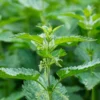
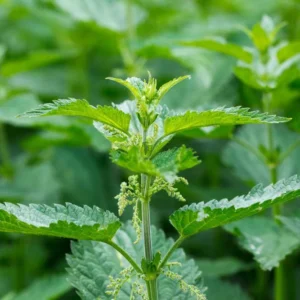
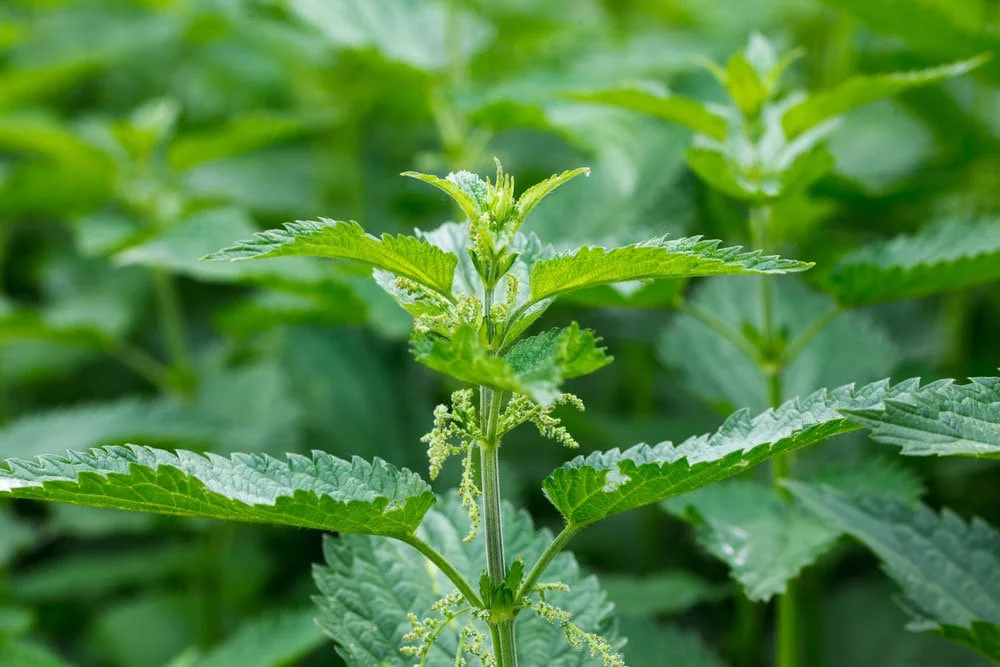
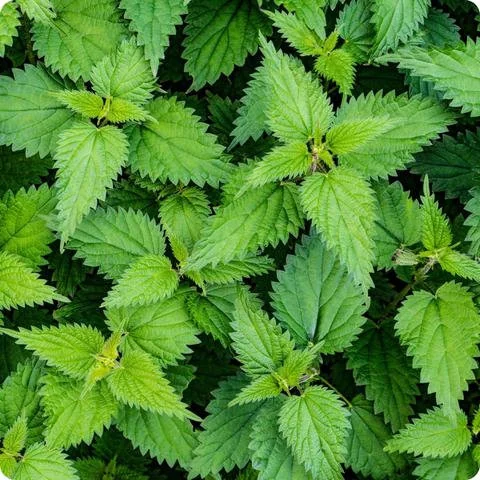
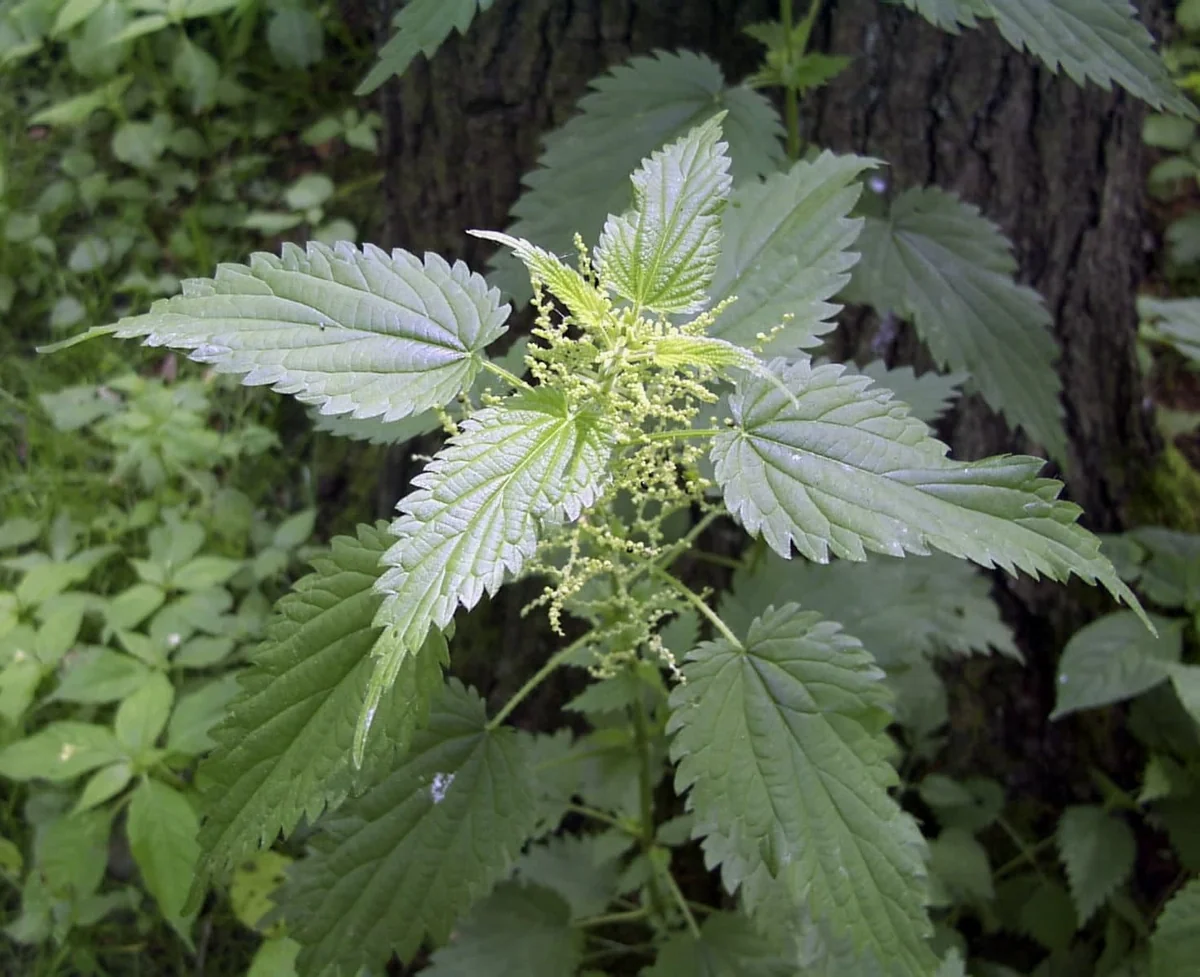
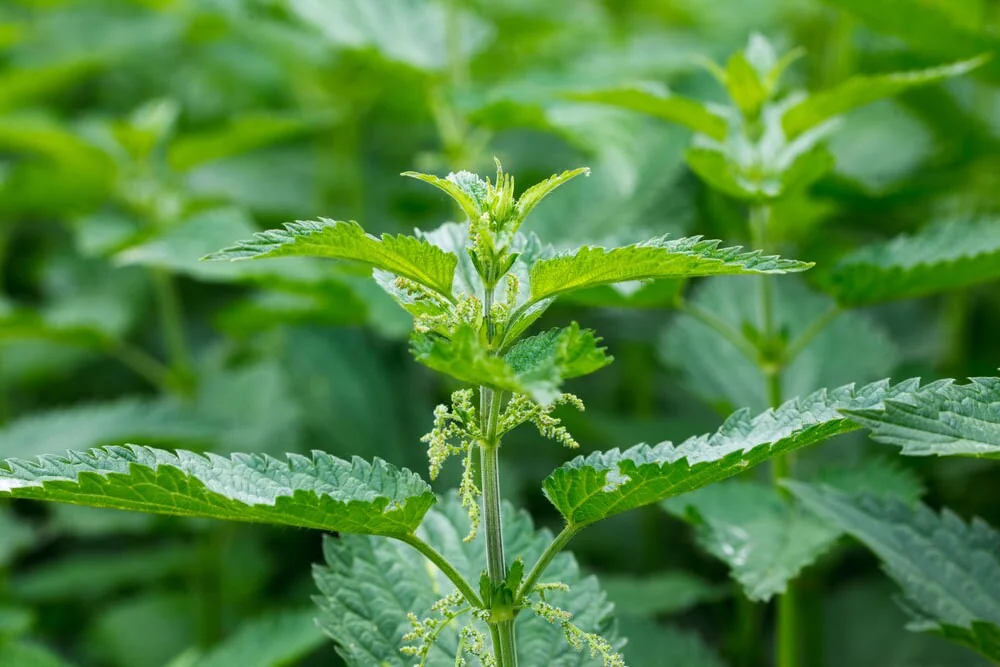
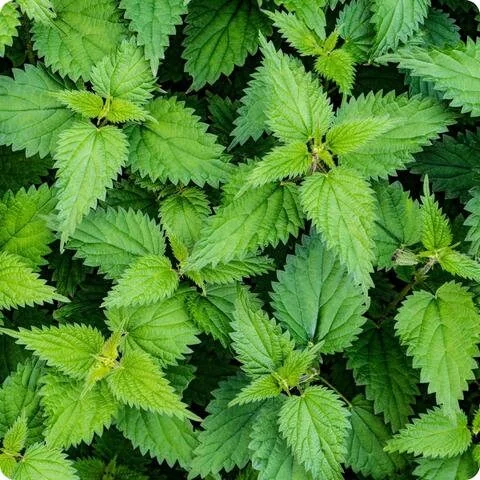
Embark on a rewarding gardening journey with our premium selection of stinging nettle bare root plants. This offering includes 10 organically grown bare root specimens of Urtica dioica, renowned for its distinctive foliage and a myriad of traditional uses. Stinging nettle, often recognized by its slightly intimidating yet fascinating stinging hairs, is a powerhouse of nutrients and has been a staple in herbal remedies and culinary traditions for centuries. These bare roots are harvested per order to ensure maximum freshness and vitality upon arrival, providing you with the best possible start for cultivating your own thriving nettle patch. Whether you’re a seasoned herbalist, a culinary enthusiast, or simply looking to add a unique and beneficial plant to your garden, these stinging nettle bare root plants are an excellent choice. They are incredibly resilient and, with proper care, will establish quickly, offering a continuous supply of fresh nettle leaves for your needs.
Our commitment to organic growing practices ensures that you receive plants free from synthetic pesticides and fertilizers, allowing you to harvest and consume your nettle with complete peace of mind. Urtica dioica is a vigorous grower and can adapt to various conditions, making it a relatively easy plant to establish and maintain. Each order comes complete with detailed planting instructions, guiding you through the process of selecting the ideal location and providing the best conditions for your new plants to flourish. Discover the joy of growing your own nutrient-rich nettle and experience the satisfaction of sustainable gardening with these high-quality bare root plants.
Key Benefits
Cultivating stinging nettle bare root plants in your garden offers a wealth of advantages, from their nutritional value to their ecological benefits. These robust plants are more than just a garden novelty; they are a valuable addition to any home garden or herbal collection.
- Nutritional Powerhouse: Stinging nettle leaves are packed with vitamins (A, C, K, B), minerals (iron, calcium, magnesium), and amino acids, making them a highly nutritious green for cooking or brewing teas.
- Culinary Versatility: Once blanched or cooked, the stinging properties are neutralized, allowing the leaves to be used in soups, stews, pesto, and even baked goods, adding a unique earthy flavor. This makes it an excellent choice for those who buy stinging nettle plants for their kitchen.
- Herbal and Medicinal Uses: Traditionally used for a range of ailments, including joint pain, seasonal allergies, and as a diuretic. Its historical significance in herbal medicine is well-documented.
- Supports Local Ecosystems: Nettle plants can attract beneficial insects and butterflies, contributing to biodiversity in your garden. They also serve as a food source for certain caterpillar species.
- Easy to Grow and Maintain: Despite its wild nature, Urtica dioica is surprisingly easy to cultivate and requires minimal fuss once established, making it ideal for gardeners of all experience levels. Learning to grow stinging nettle is straightforward.
- Soil Improvement: As a dynamic accumulator, nettle can draw nutrients from deep within the soil, improving soil fertility when used as a compost activator or mulch.
- Sustainable and Organic: Our organically grown bare roots ensure you are cultivating a sustainable and chemical-free plant, providing pure and potent nettle for your use. Explore the many urtica dioica benefits in your own backyard.
Plant Care & Growing Tips
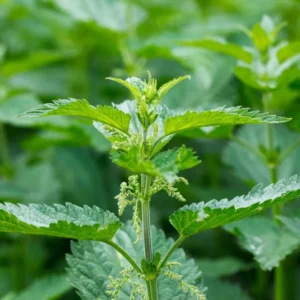
To successfully grow stinging nettle from bare roots, understanding its preferred growing conditions is key. Stinging nettle (Urtica dioica) is a hardy and adaptable plant, but providing optimal care will encourage vigorous growth and abundant harvests. These plants thrive in areas with full sun to partial shade, meaning they appreciate at least 4-6 hours of direct sunlight per day, but can tolerate some afternoon shade, especially in hotter climates. A location with morning sun and afternoon shade is often ideal. When considering where to buy stinging nettle plants, also consider where you’ll plant them.
For soil, nettle prefers consistently moist, rich, well-draining soil. It is not overly particular about soil pH but generally thrives in neutral to slightly acidic conditions. Amending your soil with compost or other organic matter before planting will significantly benefit your nettle patch by improving fertility and moisture retention. Water regularly, especially during dry spells and in the initial establishment phase, ensuring the soil remains damp but not waterlogged. Stinging nettle is quite resilient and can tolerate some neglect once established, but consistent moisture will lead to healthier, more productive plants. Fertilization is generally not necessary if planted in rich soil, but a light application of a balanced organic fertilizer in early spring can boost growth.
Stinging nettle can spread readily via rhizomes, so consider planting it in a contained area or a dedicated bed if you wish to prevent it from naturalizing too widely. USDA hardiness zones 3-10 are generally suitable for Urtica dioica, as it is quite cold-tolerant and can survive harsh winters. Harvesting leaves regularly will encourage new growth and prevent the plant from going to seed too quickly. Always wear gloves when handling fresh nettle to avoid the sting, which is neutralized by cooking or drying. By following these simple guidelines, you can enjoy a bountiful harvest and experience all the wonderful urtica dioica benefits.
Size & Details
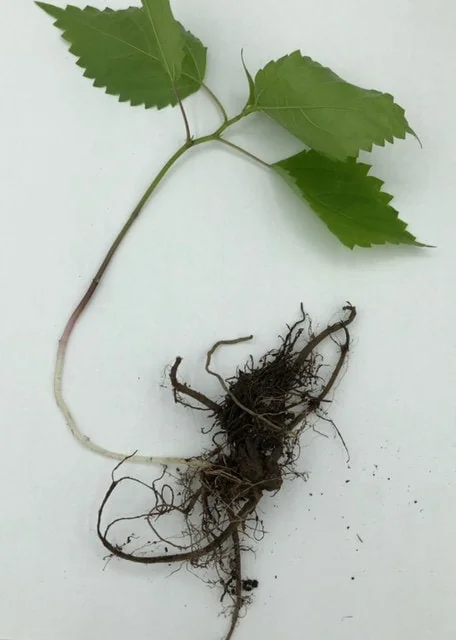
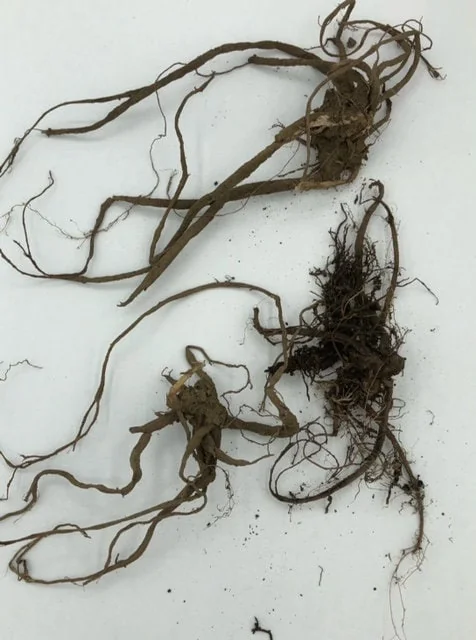
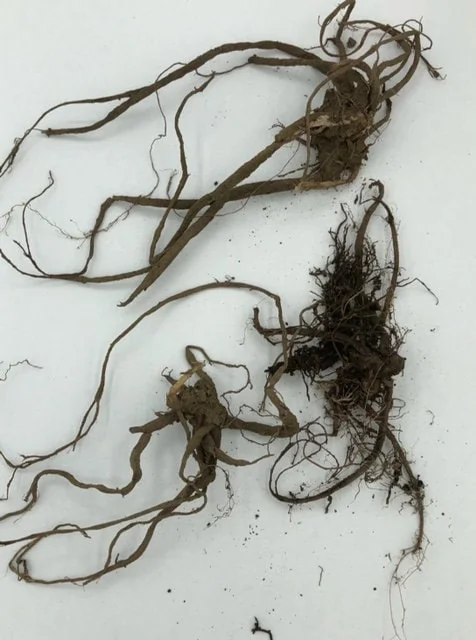
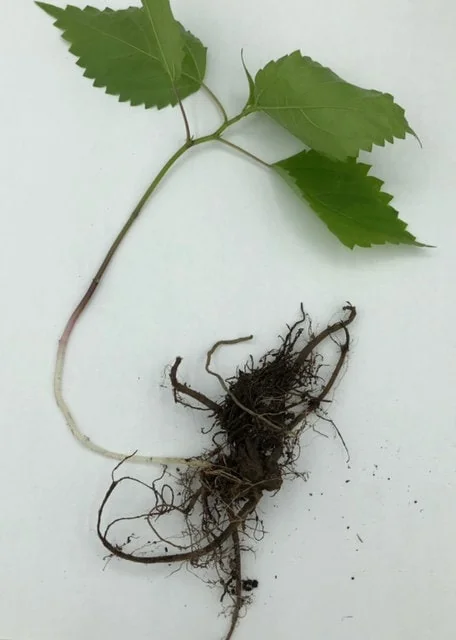
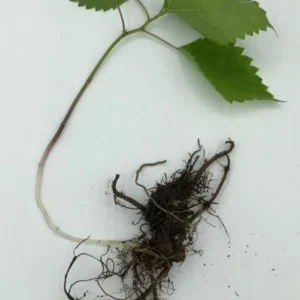
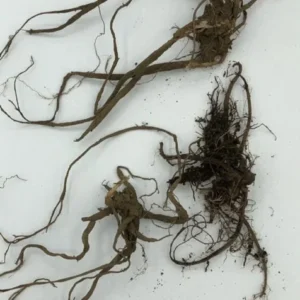
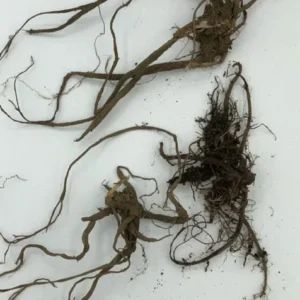
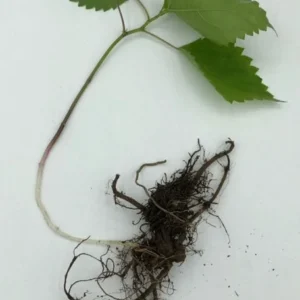
This offering includes 10 Stinging Nettle Bare Root Plants, ready for immediate planting upon arrival. Each bare root is carefully harvested to order, ensuring it is fresh and viable, measuring approximately 4-8 inches in length with healthy root systems. These bare roots represent young, dormant plants that will quickly awaken and begin to grow once planted in suitable conditions. Stinging nettle (Urtica dioica) is a fast-growing perennial herb, typically reaching a height of 2-5 feet (60-150 cm) and spreading 1-3 feet (30-90 cm) wide at maturity. The plants will establish themselves over the first growing season, with significant leaf production by late spring and early summer.
Bare roots are an economical and efficient way to establish a nettle patch, particularly for those looking for organic bare root plants. They are shipped without soil, minimizing shipping weight and transplant shock. Expected time to a significant harvest is typically within 2-3 months after planting, provided ideal growing conditions. With proper care, these plants will return year after year, offering a sustainable source of fresh nettle. Detailed planting instructions are included to guide you through the process, from site selection to initial watering, ensuring a successful start for your new plants.
Frequently Asked Questions
- Q: How big will these stinging nettle plants get? A: Once established, stinging nettle bare root plants can grow to an average height of 2-5 feet (60-150 cm) and spread 1-3 feet (30-90 cm) wide. Their size can vary depending on growing conditions and available space.
- Q: Are these plants suitable for indoor or outdoor growing? A: Stinging nettle is primarily an outdoor plant, thriving in garden beds or large containers. While it can be grown indoors with sufficient light, it generally performs best and reaches its full potential when planted outdoors.
- Q: How much sunlight does stinging nettle need? A: Stinging nettle prefers full sun to partial shade, ideally receiving at least 4-6 hours of direct sunlight per day. It can tolerate some afternoon shade, especially in warmer climates.
- Q: What condition will the bare roots arrive in? A: Your 10 Stinging Nettle Bare Root Plants will arrive freshly harvested and dormant, without soil. They will be carefully packaged to maintain moisture and ensure they are in good condition for planting.
- Q: Can I use stinging nettle in cooking? A: Absolutely! Once cooked or blanched, the stinging hairs are neutralized, and the leaves can be used in a variety of dishes like soups, teas, pesto, and as a cooked green. This is one of the primary urtica dioica benefits people seek.
- Q: When is the best time to plant these bare roots? A: The best time to plant stinging nettle bare roots is in early spring, after the last frost, or in the fall before the ground freezes. This allows the roots to establish before extreme temperatures.
- Q: Is this plant easy to care for? A: Yes, stinging nettle is quite hardy and relatively easy to care for once established. It requires consistent moisture and can thrive in various soil types, making it suitable for beginners looking to grow stinging nettle.
- Q: What are the primary benefits of growing organic bare root plants? A: Growing organic bare root plants ensures that your nettle is free from synthetic chemicals, providing a healthier product for consumption and supporting environmentally friendly gardening practices.
- Q: Will these plants spread aggressively in my garden? A: Stinging nettle can spread readily via its rhizomatous root system. If you wish to contain its growth, consider planting it in a designated area with root barriers or in a large container.
- Q: What are some other common names for Urtica dioica? A: Besides stinging nettle, Urtica dioica is also commonly known as common nettle, great nettle, or garden nettle. Many people buy stinging nettle plants using these common names.


Reviews
There are no reviews yet.