Overview
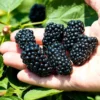
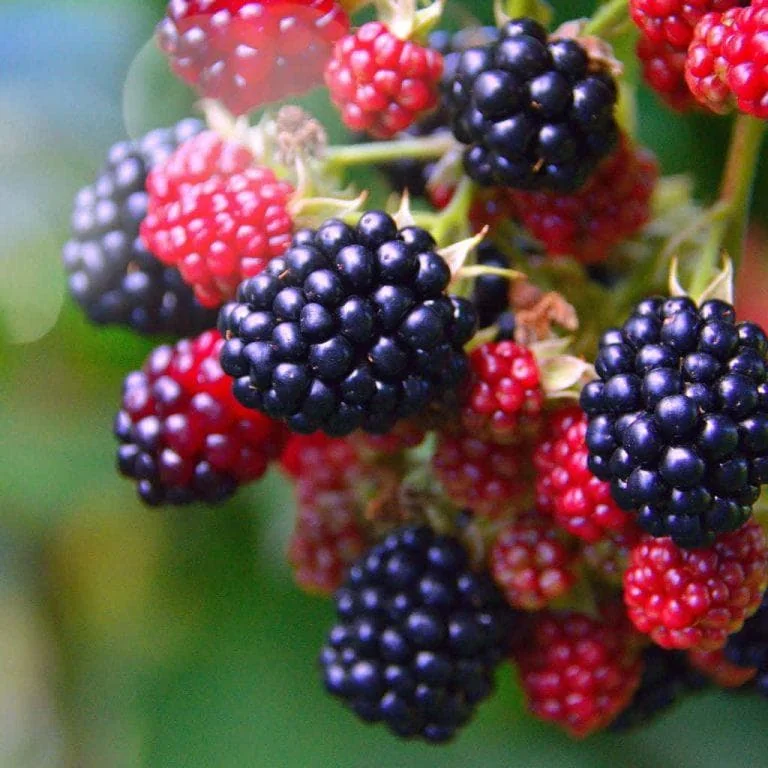
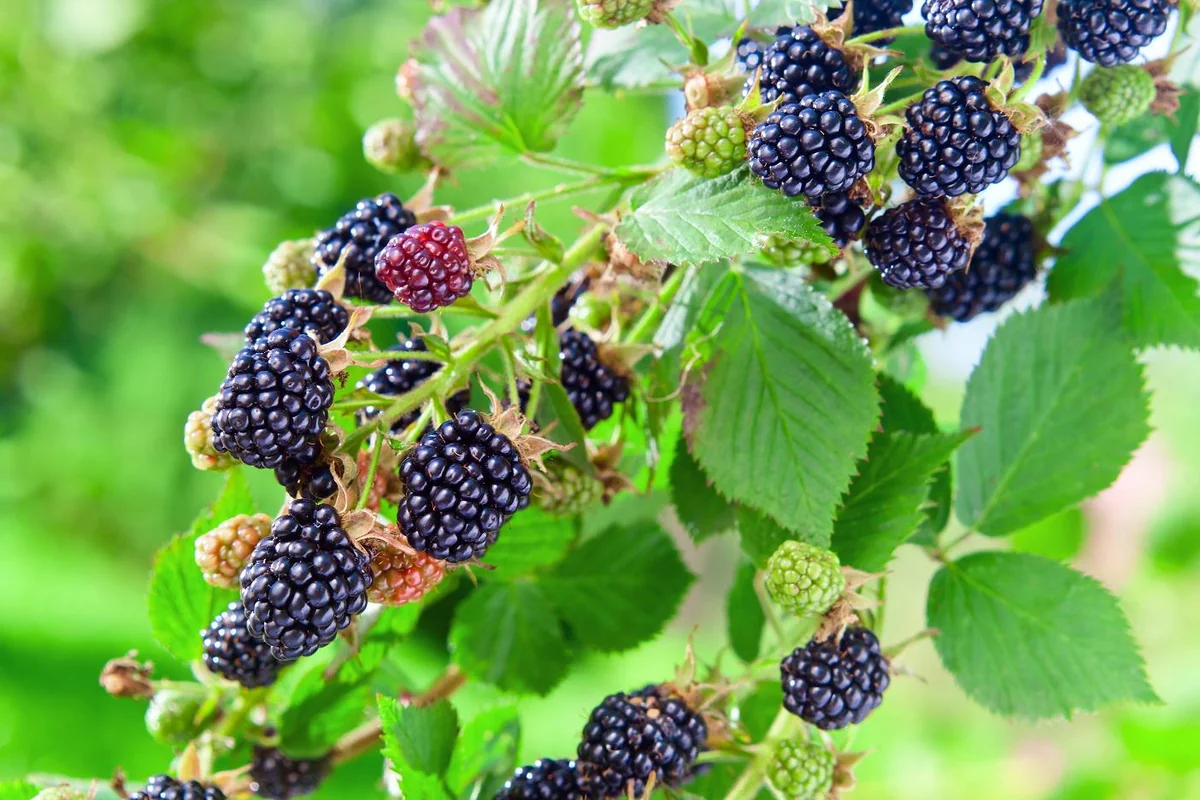
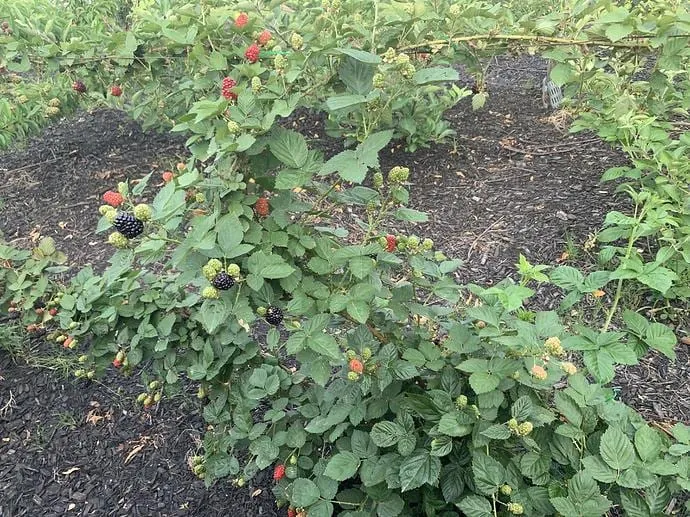
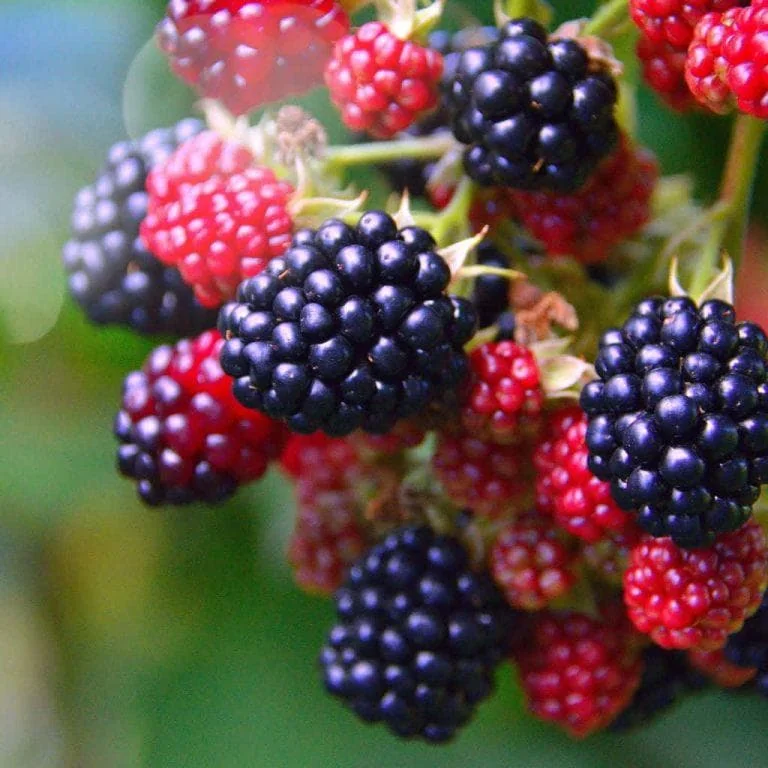
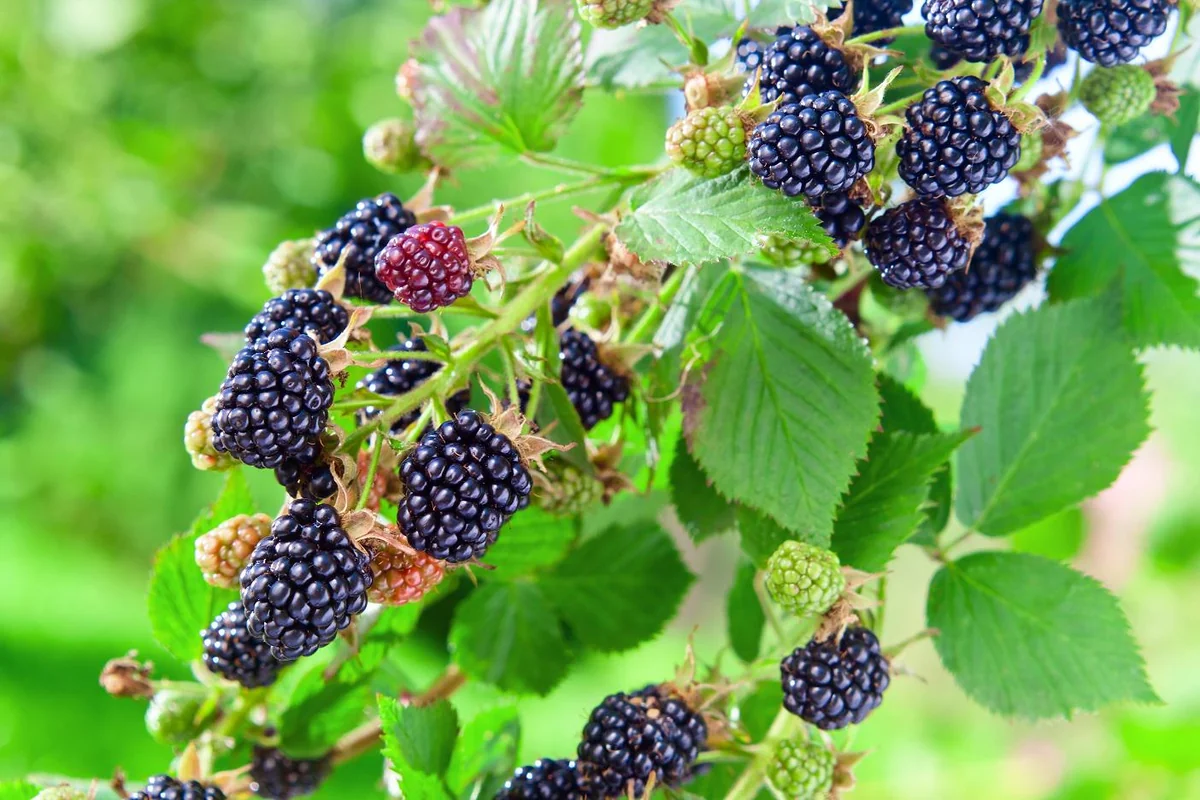
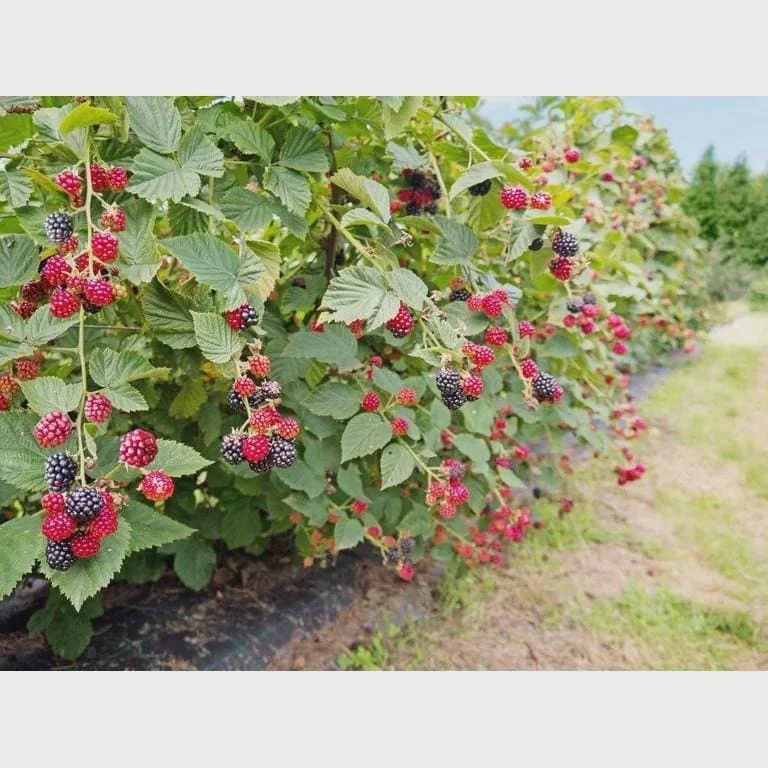
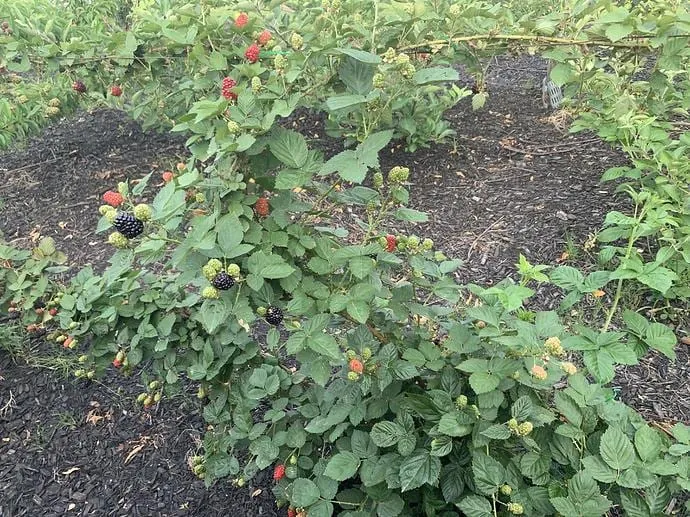
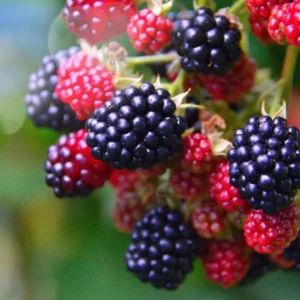
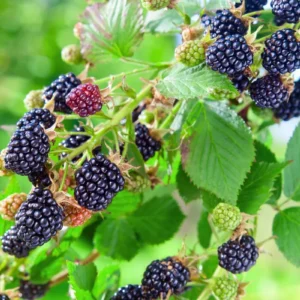
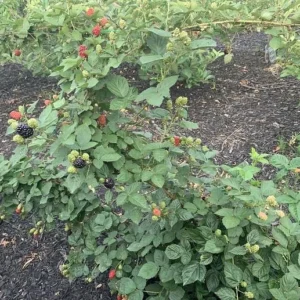
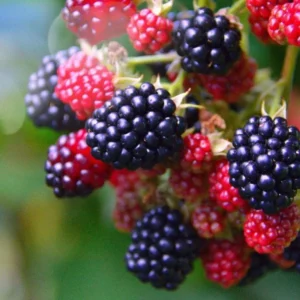
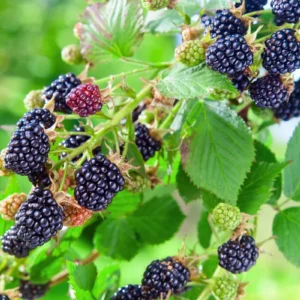
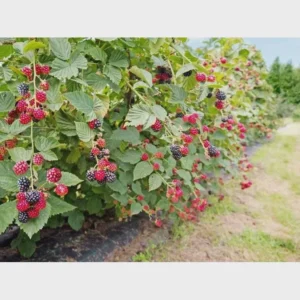
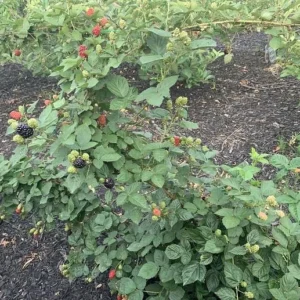
Bring the joy of fresh, homegrown fruit to your garden with this offering of 10 Osage blackberry live plant starter plugs. The ‘Osage’ blackberry is a highly sought-after variety, celebrated for its exceptional sweetness and entirely thornless canes, making harvesting a pleasure. Developed by the University of Arkansas, this semi-erect, floricane-fruiting plant is an early-ripening gem, ensuring you can enjoy its delicious berries sooner in the season. Each starter plug provides a robust foundation for a thriving berry patch, promising a bountiful harvest of medium-sized, high-quality fruit. These plants are ideal for both seasoned gardeners and beginners looking to add a productive and easy-to-manage fruit bush to their landscape. Experience the superior taste and convenience of growing your own thornless blackberry plants.
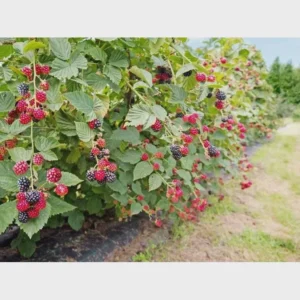
The Osage blackberry live plant is a fantastic addition to any edible landscape, offering both aesthetic appeal and a generous yield. Its semi-erect growth habit means it requires minimal support, yet provides ample fruiting surface. The berries themselves are not only sweet and flavorful but also possess a good shelf life, making them excellent for fresh consumption, baking, jams, or freezing. Planting these starter plugs ensures a healthy start for your blackberry patch, allowing you to establish a productive and rewarding fruit-bearing perennial. Enjoy the satisfaction of picking your own premium berries right from your backyard with these easy-to-grow plants.
Key Benefits
Investing in Osage blackberry live plant starter plugs brings numerous advantages to your garden and culinary endeavors. These plants are designed for success, offering a combination of desirable traits that make them a top choice for home growers. Enjoy the convenience and deliciousness these berries provide:
- Thornless Canes: One of the most significant benefits, the absence of thorns makes harvesting a safe and pleasant experience, encouraging more frequent picking and enjoyment of your fresh berries.
- Exceptional Sweet Flavor: The ‘Osage’ variety is renowned for its incredibly sweet and rich taste, making it a favorite for fresh eating, desserts, and preserves.
- Early Ripening: As an early-fruiting floricane variety, you’ll be enjoying your first harvests sooner in the season compared to many other blackberry types.
- High Yielding: These plants are known for their productivity, producing a large quantity of medium-sized berries, ensuring a generous harvest from each plant.
- Good Shelf Life: The berries maintain their quality well after picking, allowing for flexibility in consumption and storage, whether fresh or processed.
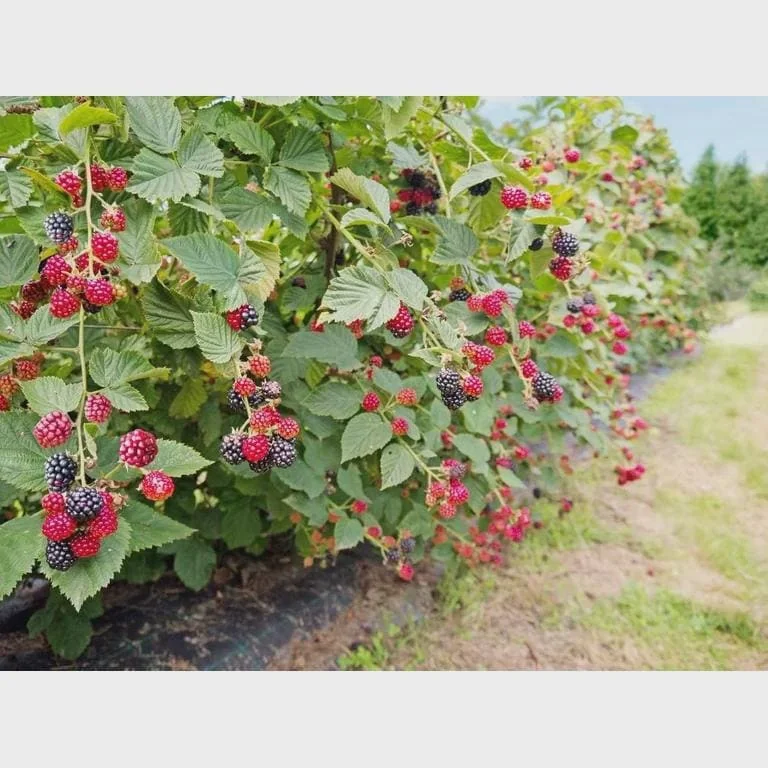
- Semi-Erect Growth Habit: The plant’s growth pattern requires less intensive trellising than trailing varieties, simplifying garden management and making them suitable for smaller spaces.
- Disease Resistance: While specific resistance can vary, ‘Osage’ blackberries are generally robust, contributing to easier care and a more reliable harvest. These thornless blackberry plants are a gardener’s delight.
Plant Care & Growing Tips
Caring for your Osage blackberry live plant is straightforward, making it an excellent choice for gardeners of all experience levels. These plants thrive with proper attention to their environmental needs, ensuring a bountiful harvest of sweet berries. For optimal growth, choose a location that receives full sun, meaning at least 6-8 hours of direct sunlight per day. Adequate sunlight is crucial for fruit production and sweetness. Prepare your soil by ensuring it is well-draining and rich in organic matter. Blackberries prefer a slightly acidic soil pH, ideally between 6.0 and 6.5. Incorporating compost or well-rotted manure before planting will greatly benefit your Rubus osage starter plants.
Watering is essential, especially during dry periods and when the plants are fruiting. Aim for consistent moisture, but avoid waterlogging, which can lead to root rot. Deep watering once or twice a week is generally better than shallow, frequent watering. Fertilize your blackberry plants in early spring with a balanced fertilizer, and again after harvest if desired. Pruning is key for productivity and plant health. Since ‘Osage’ is a floricane-fruiting variety, it produces fruit on canes that grew the previous year. After harvest, prune out the old, fruited canes at ground level. This encourages new cane growth for the following season’s crop. Protect your early ripening blackberry plants from extreme cold in winter by mulching around the base, especially in colder USDA zones.
Common pests and diseases can be managed with good cultural practices. Ensure good air circulation, avoid overhead watering, and monitor your plants regularly for any signs of trouble. Prompt action can prevent minor issues from becoming major problems. With consistent care, your fruit plants for garden will reward you with years of delicious harvests.
Size & Details
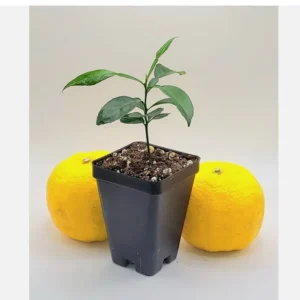
These 10 Osage blackberry live plant starter plugs arrive ready for planting, providing a strong foundation for your future berry patch. Each plug is a young, vigorous plant, carefully cultivated to ensure successful transplanting and growth. While the exact size of the starter plugs may vary slightly, they are typically well-rooted and robust, ready to establish quickly in your garden. The ‘Osage’ blackberry is a semi-erect variety, meaning it will grow upright but may benefit from some support as the canes become laden with fruit. Mature plants typically reach heights of 4-6 feet and can spread similarly, forming a productive bush.
As a floricane-fruiting blackberry, the plants will produce their sweet fruit on canes that grew the previous year. Expect your first significant harvest in the season following planting, with yields increasing as the plants mature. The berries are medium-sized, firm, and boast an excellent flavor profile. These thornless blackberry plants are shipped as live starter plugs, ensuring they are alive and ready to grow upon arrival. Planting these plugs in well-prepared soil and providing adequate care will lead to a thriving harvest of delicious, early ripening blackberry fruit.
Frequently Asked Questions
- Q: How big do these Osage blackberry live plant starter plugs get when mature? A: When mature, ‘Osage’ blackberry plants typically reach a height and spread of 4-6 feet. Their semi-erect growth habit means they are relatively self-supporting but may benefit from light trellising when heavily laden with fruit.
- Q: Are these thornless blackberry plants suitable for containers? A: While primarily grown in the ground, ‘Osage’ blackberries can be grown in large containers (at least 15-20 gallon) with proper care, including consistent watering and feeding. Ensure good drainage and select a high-quality potting mix.
- Q: How much sunlight does the Rubus osage starter need? A: For optimal fruit production and sweetness, these blackberry plants require full sun, which means at least 6-8 hours of direct sunlight per day. Less sun may result in fewer and less sweet berries.
- Q: When is the best time to plant these early ripening blackberry plugs? A: The best time to plant these starter plugs is in early spring after the last frost, allowing them ample time to establish their root system before the heat of summer. Fall planting is also possible in milder climates.
- Q: Is the ‘Osage’ blackberry truly thornless? A: Yes, the ‘Osage’ blackberry is a truly thornless variety, making harvesting much easier and more enjoyable without the worry of painful pricks. This is one of its most desirable characteristics.
- Q: How long until I get fruit from these fruit plants for garden? A: As floricane-fruiting plants, they will produce fruit on canes that grew the previous year. You can expect your first significant harvest in the summer following the year you plant the starter plugs.
- Q: What USDA hardiness zones are suitable for the ‘Osage’ blackberry? A: The ‘Osage’ blackberry is generally hardy in USDA Zones 5-9. In colder zones, additional winter protection like heavy mulching may be necessary to ensure survival.
- Q: What kind of soil do these Osage blackberry live plant prefer? A: They prefer well-draining soil that is rich in organic matter, with a slightly acidic pH between 6.0 and 6.5. Avoid heavy clay soils that retain too much water.
- Q: How often should I water my thornless blackberry plants? A: Water deeply and regularly, especially during dry spells and when the plants are fruiting. Aim for consistent soil moisture without waterlogging. Young plants will require more frequent watering than established ones.
- Q: Can I prune these Rubus osage starter plants? A: Yes, pruning is essential. After the harvest, cut back the canes that produced fruit (floricane) to the ground. This encourages new cane growth (primocane) for the following season’s crop.


Reviews
There are no reviews yet.