Overview
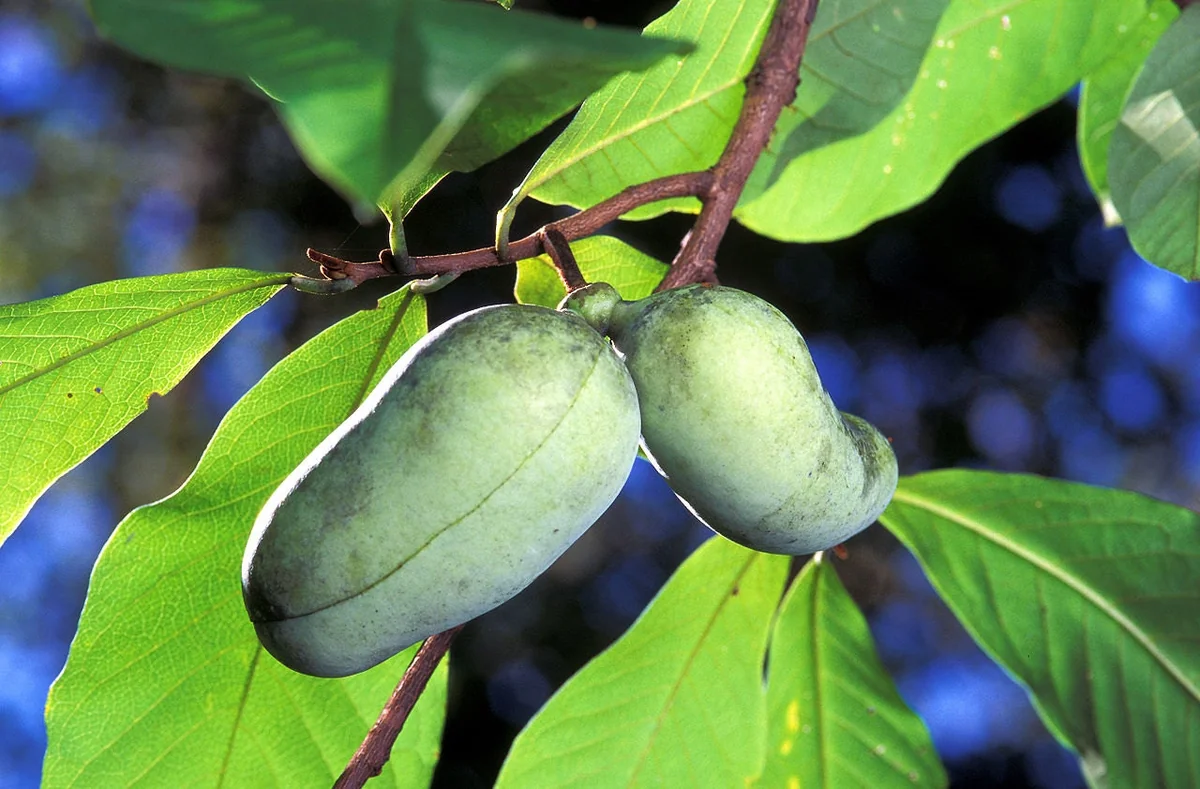
Discover the joy of growing your own native fruit with these paw paw plants (Asimina Triloba). This offer includes 10 healthy, bare root specimens, each standing 12-18 inches tall, ready to establish in your garden or naturalized area. The Paw Paw is North America’s largest native edible fruit, often described as having a sweet, custard-like flavor reminiscent of banana, mango, and pineapple. These deciduous trees present a unique semi-tropical appearance and are an excellent choice for gardeners looking to add an unusual and delicious fruit to their landscape. Known for their resilience and adaptability, these paw paw plants are a fantastic addition for both seasoned horticulturists and enthusiastic beginners.
The Asimina Triloba bare root form ensures a robust start, allowing the plant to quickly acclimate to its new environment. Often found growing in the wild along streams and in moist, deep soils, the paw paw tree is a valuable asset for wildlife and human consumption alike. Its distinctive fruit is highly prized, and growing paw paw trees can be a rewarding experience, providing both aesthetic beauty and a bountiful harvest.
Key Benefits
Investing in these paw paw plants offers a multitude of benefits for your garden and palate:
- Delicious Edible Fruit: Enjoy the unique, sweet, banana-like flavor of ripe paw paw fruit, a rare treat not commonly found in grocery stores. These fruits are enjoyed by both humans and local wildlife.
- Native & Hardy: As a native North American species, Asimina Triloba is well-adapted to local conditions, requiring less intervention once established and thriving in USDA Zones 5-8. This makes them a resilient choice for many landscapes.
- Attractive Landscape Addition: With their large leaves and semi-tropical appearance, paw paw trees add an exotic touch to any garden, providing shade and visual interest throughout the growing season.
- Wildlife Attractor: The fruit serves as a food source for various wildlife, making your garden a haven for local fauna and contributing to biodiversity.
- Low Maintenance: Once established, growing paw paw trees are relatively low maintenance, making them suitable for gardeners who prefer a more hands-off approach.
- Erosion Control: Their natural preference for moist, deep soils makes them excellent for naturalizing along streams or in areas prone to erosion.
- Unique Culinary Ingredient: The fruit can be used in a variety of culinary applications, from fresh eating to pies, custards, and ice cream, offering a novel ingredient for your kitchen.
Plant Care & Growing Tips
Proper care is essential for establishing your paw paw plants and ensuring a healthy, productive tree. Upon arrival, your Asimina Triloba bare root plants should be planted as soon as possible. Dig a hole wide enough to accommodate the root system without bending, and deep enough so the root collar is level with the ground. Backfill with soil, gently tamping down to remove air pockets, and water thoroughly.
Sunlight Requirements: Young paw paw trees prefer partial shade, especially in their first year or two, to protect them from harsh afternoon sun. As they mature, they require full sun (at least 6-8 hours of direct sunlight) for optimal fruit production. If planting in a sunny spot, consider providing temporary shade for young plants. Soil Type & Drainage: Paw paws prefer moist, deep, fertile, well-draining soil with a pH between 5.5 and 7.0. They thrive in loamy soils but can tolerate a range of soil types as long as they are not waterlogged. Avoid sandy or heavy clay soils without amendment. Watering Schedule: Keep the soil consistently moist, especially during the first few years after planting and during dry spells. Deep watering is better than frequent shallow watering. Reduce watering frequency once established, but ensure they receive adequate moisture during fruit development.
Temperature Range & USDA Hardiness Zone: These paw paw plants are hardy in USDA Zones 5-8. They are tolerant of cold winters and hot summers within this range. Fertilization: Fertilize sparingly in the first year. After establishment, a balanced, slow-release fertilizer can be applied in early spring. Avoid high-nitrogen fertilizers, which can encourage leafy growth at the expense of fruit production. Common Problems: Paw paws are generally pest and disease resistant. Watch out for paw paw peduncle borer, which can affect fruit. Ensure good air circulation to prevent fungal issues. Remember that growing paw paw trees often requires cross-pollination from a different paw paw variety for optimal fruit set, so consider planting multiple varieties if possible.
Size & Details
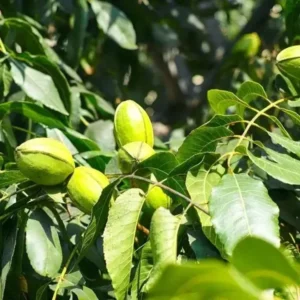
This offering provides 10 individual paw paw plants, each supplied in a bare root form. Each plant measures approximately 12-18 inches in height at the time of shipment, representing a vigorous young tree ready for planting. Paw paw trees have a medium growth rate, typically reaching a mature height of 15-20 feet with a spread of 10-15 feet, though they can sometimes grow taller. They often form a multi-stemmed shrub or small tree with a pyramidal or round-topped head. Expected time to fruit production is generally 3-5 years after planting, with peak production occurring after 5-7 years. The fruit, a greenish-yellow berry that eventually turns brownish-black, usually measures around 2.5 inches and can vary in shape. These native paw paw tree specimens are an excellent foundation for creating a productive and beautiful paw paw patch.
Frequently Asked Questions
- Q: How big do these paw paw plants get? A: These paw paw plants are shipped as 12-18 inch bare root specimens. Once mature, they typically reach a height of 15-20 feet with a spread of 10-15 feet, forming a small tree or large shrub.
- Q: Is this an indoor or outdoor plant? A: The Asimina Triloba bare root is an outdoor plant. It is a deciduous tree that requires a period of dormancy and is hardy in USDA Zones 5-8.
- Q: How much sunlight do paw paw trees need? A: Young paw paw trees prefer partial shade, especially in their first couple of years. Mature trees, however, require full sun (at least 6-8 hours of direct sunlight daily) for optimal fruit production.
- Q: Is this plant easy to care for? A: Yes, growing paw paw trees is relatively easy once they are established. They are quite resilient and generally low maintenance, making them suitable for various garden skill levels.
- Q: What condition will the bare root plants arrive in? A: Your paw paw plants will arrive dormant and bare root, meaning they will not have soil around their roots. This is the standard and healthiest way to ship dormant trees, ensuring they are ready for planting.
- Q: When is the best time to plant bare root paw paw trees? A: The best time to plant bare root paw paw trees is in early spring, after the last hard frost but before new growth begins. This allows the roots to establish before the stress of summer heat.
- Q: Will these paw paw plants produce fruit? A: While these paw paw plants are capable of producing fruit, paw paws generally require cross-pollination from another genetically different paw paw tree for optimal fruit set. Planting multiple varieties is recommended.
- Q: What’s the minimum temperature these trees can withstand? A: These native paw paw tree specimens are hardy in USDA Zones 5-8, meaning they can typically withstand winter temperatures down to -20°F to -10°F (-29°C to -23°C).
- Q: What kind of soil is best for paw paw trees? A: Paw paw trees prefer moist, deep, fertile, and well-draining soil with a slightly acidic to neutral pH (5.5-7.0). They thrive in loamy soils.
- Q: How long until I can expect fruit from my paw paw trees? A: You can typically expect your paw paw plants to start producing fruit within 3-5 years after planting, with more significant yields coming after 5-7 years.


Reviews
There are no reviews yet.